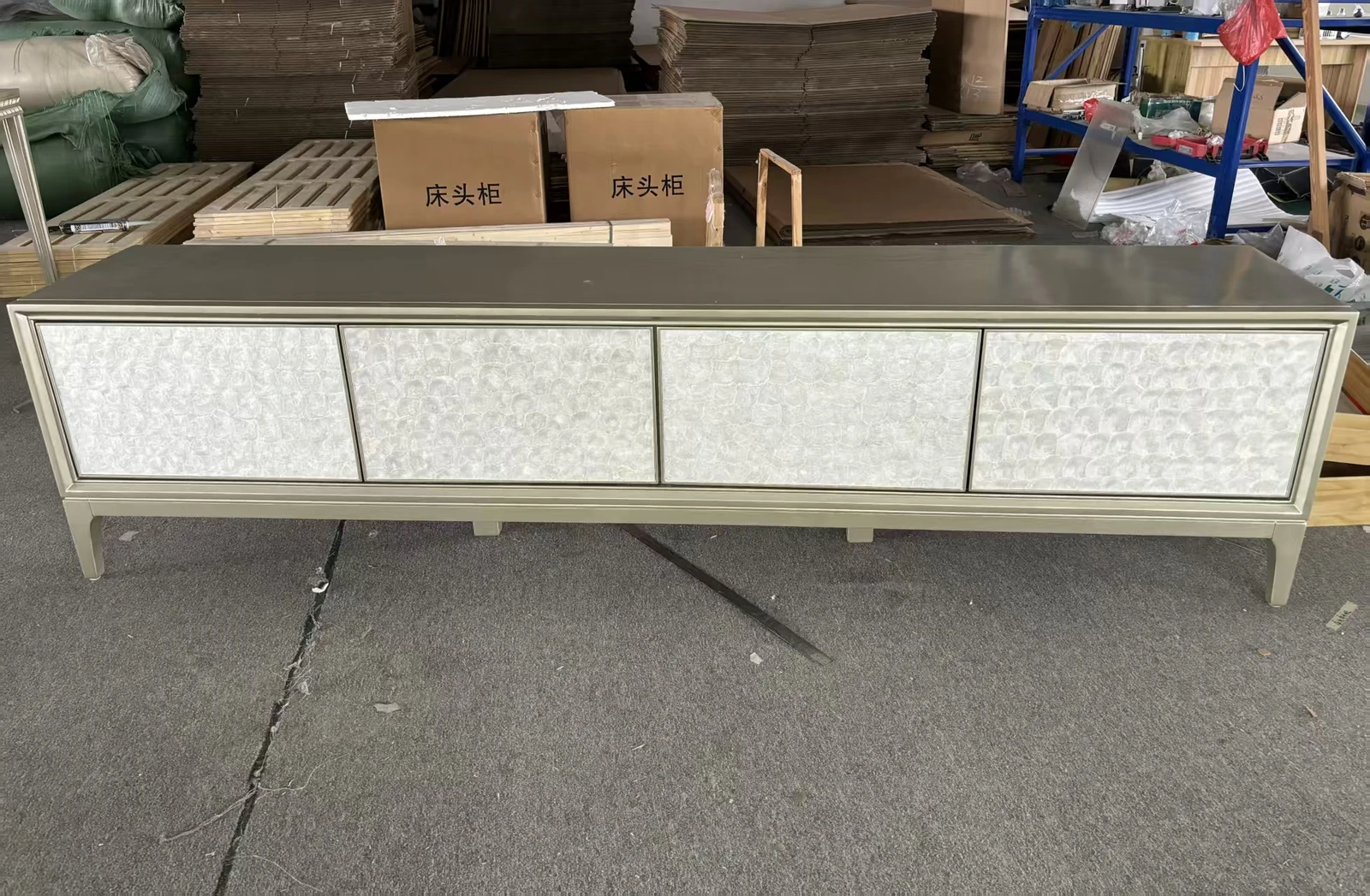
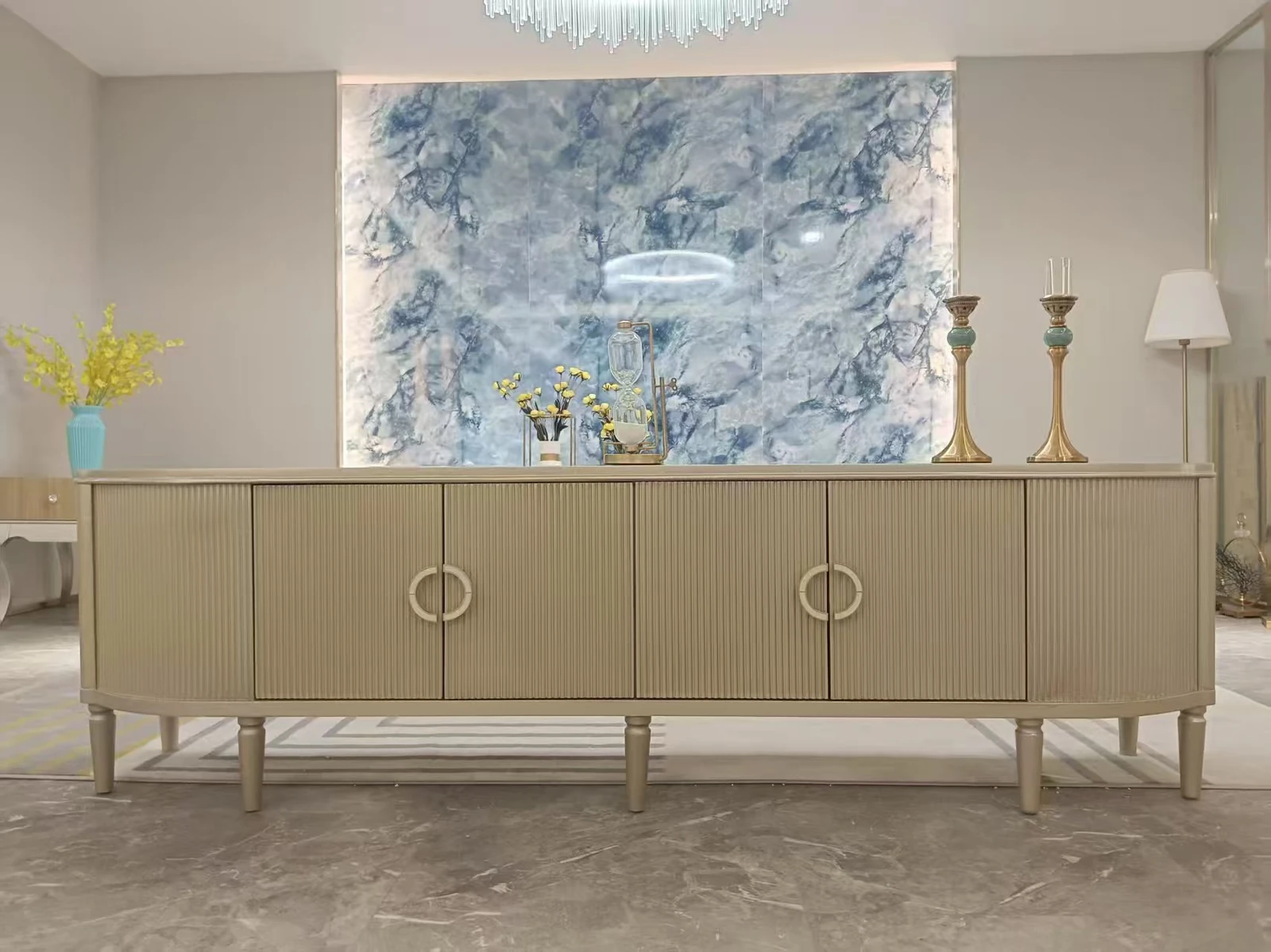
🛋️
Featured Pick
Space constraints in Singapore HDBs demand precision. This guide walks you through measuring every angle — from sofa-to-TV distance to cable routing paths — so your new cabinet fits like it was made for your home.
Read Full Guide →
📐
Pros, cons, and which suits your ceiling height and rental situation.
🪵
Which materials resist humidity and termites in tropical conditions.
💰
Tier-by-tier breakdown of quality, durability, and design features.
🏠
Matching cabinet design to your flat's unique floor plan geometry.
🔌
Hidden routing tricks for soundbars, consoles, and charging stations.
📦
Maximising every cubic centimetre for games, remotes, and AV gear.
Fit First, Style Second: Picking the Right TV Cabinet
Before browsing showrooms, measure your room width, the TV diagonal plus stand footprint, and the clearance needed for cables and ventilation. In compact apartments common across Singapore, Seoul and Tokyo, a wall-mounted or slim-profile unit with integrated cable management often beats a bulky console. Compare shelf depth against your soundbar, gaming console and media box dimensions—standard 30cm depths rarely accommodate modern AV gear. Ask suppliers about load ratings per shelf, whether the finish resists humidity and heat (critical in Bangkok, Kuala Lumpur and Manila), and if the cabinet is flat-pack or pre-assembled. A quality cabinet should breathe, not sag, and leave your remotes and routers within easy reach.
What Makes a TV Cabinet Built to Last
A long-lasting TV cabinet comes down to three things: material choice, construction quality, and knowing when to walk away. Solid hardwoods like oak and walnut resist warping far better than particleboard, especially in humid climates across Southeast Asia and beyond. Check for dovetail or mortise-and-tenon joints—these lock together without relying solely on glue or staples. Drawer sides should be at least 16mm thick; anything thinner will sag under load. Avoid cabinets with visible gaps at the seams, uneven door alignment, or particleboard edges that feel soft to the touch—these signal rushed manufacturing. Sturdy legs or a solid base frame matter more than style; wobble now means collapse later. Invest in joinery you can see, not veneers you can peel.
TV Cabinets Vary by Region: A Quick Guide
A TV cabinet that fits a Tokyo apartment will overwhelm a Kuala Lumpur bungalow, and vice versa. In Japan and South Korea, compact media units dominate—living spaces are smaller, and wall-mounted TVs pair with slim low-profile cabinets. Singapore buyers face similar spatial constraints but also need finishes that resist humidity. Malaysia’s larger family homes allow for broader entertainment centres with generous storage. Thailand’s warm climate calls for ventilated cabinetry, especially in open-plan living areas where TVs sit further from walls. China’s preference for wall-to-wall media consoles reflects a cultural emphasis on displaying technology as a focal point. Material choice matters too: engineered wood suits humid regions, while solid timber remains popular in drier interiors. Consider your room layout, climate, and viewing habits before choosing a cabinet style.
TV Cabinet FAQs
Most buyers ask if the cabinet fits their TV size, room layout, and cable needs. Check the VESA mount compatibility and weight limit before ordering. Confirm internal shelf heights for soundbars, consoles, or media boxes. Verify whether the unit includes cutouts or channels for power cords and HDMI cables to keep wires tidy. Ask about assembly requirements—flat-pack vs. pre-assembled—and whether tools or extra hands are needed. Confirm material type (MDF, solid wood, or metal) for durability and humidity resistance, especially in tropical climates. Measure doorway and hallway clearances to ensure the cabinet can reach your living area. Finally, check if the design allows adequate ventilation for devices and matches your existing furniture style.