Caring for Lacquered TV Cabinets in Tropical Climates
Singapore’s heat, humidity, salt-laden air and frequent indoor air-conditioning can challenge a finely finished tv cabinet. Lacquer looks clean and reflective, yet the timber underneath still responds to changes in moisture. A cabinet that suits an HDB flat in Tampines or a compact condominium in Bedok needs more than a dry cloth: it needs a sensible routine, careful placement and knowledge of which cleaning products are safe.
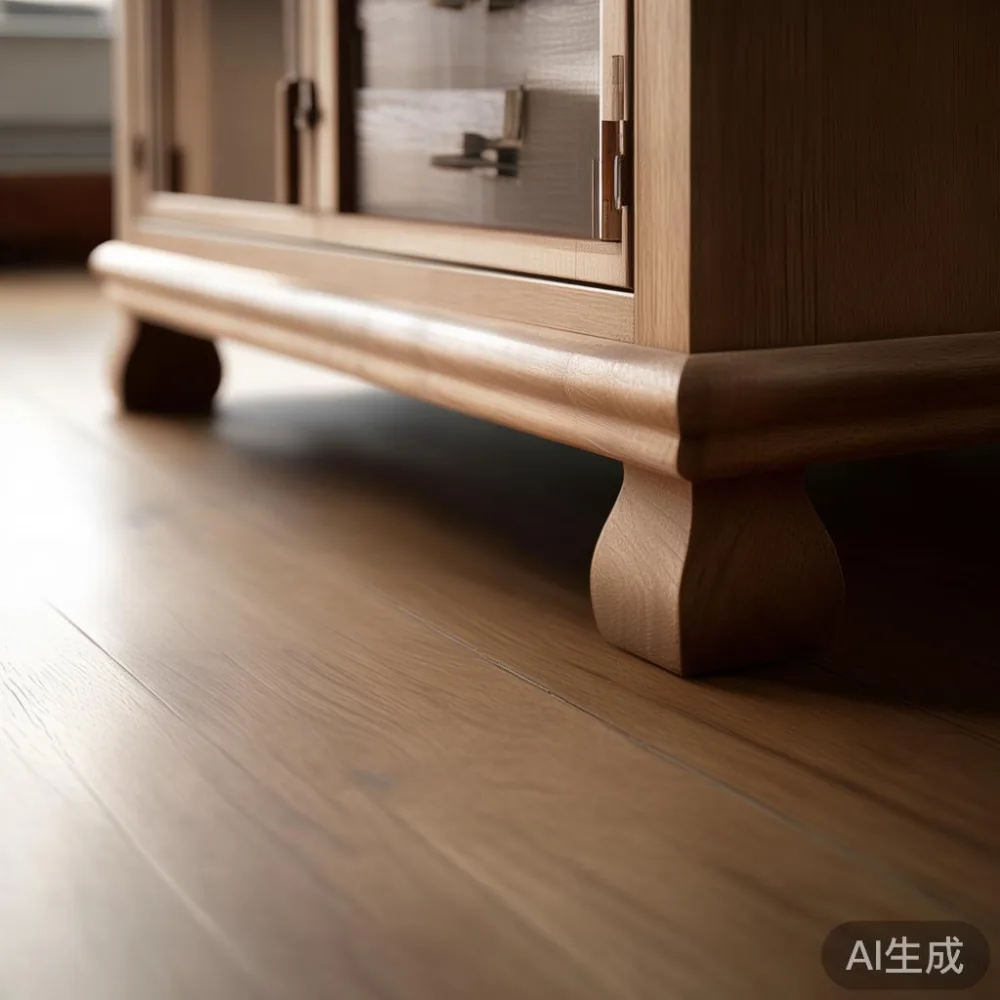
MIDHILL has made solid wood furniture since 2008 and exports to more than 15 countries. Its lacquered pieces combine solid wood construction with a 10-year structural warranty and lifetime refinishing, offering long-term care for customers who want European or American light-luxury character without treating furniture as disposable. A well-maintained tv cabinet can support a solid wood sofa, bed frame, dining table, wardrobe, nightstand or marble table nearby while remaining the visual anchor of the room.
Why tropical humidity affects lacquered wood
Singapore’s relative humidity commonly ranges from roughly 65% to 85%, with coastal areas and air-conditioned interiors showing sharp daily changes. A lacquer film is less permeable than bare timber, but seams, exposed edges, cable holes and minor coating defects can still allow moisture movement. The cabinet may swell very slightly across its grain, and repeated cycling can eventually produce fine checking around joints.
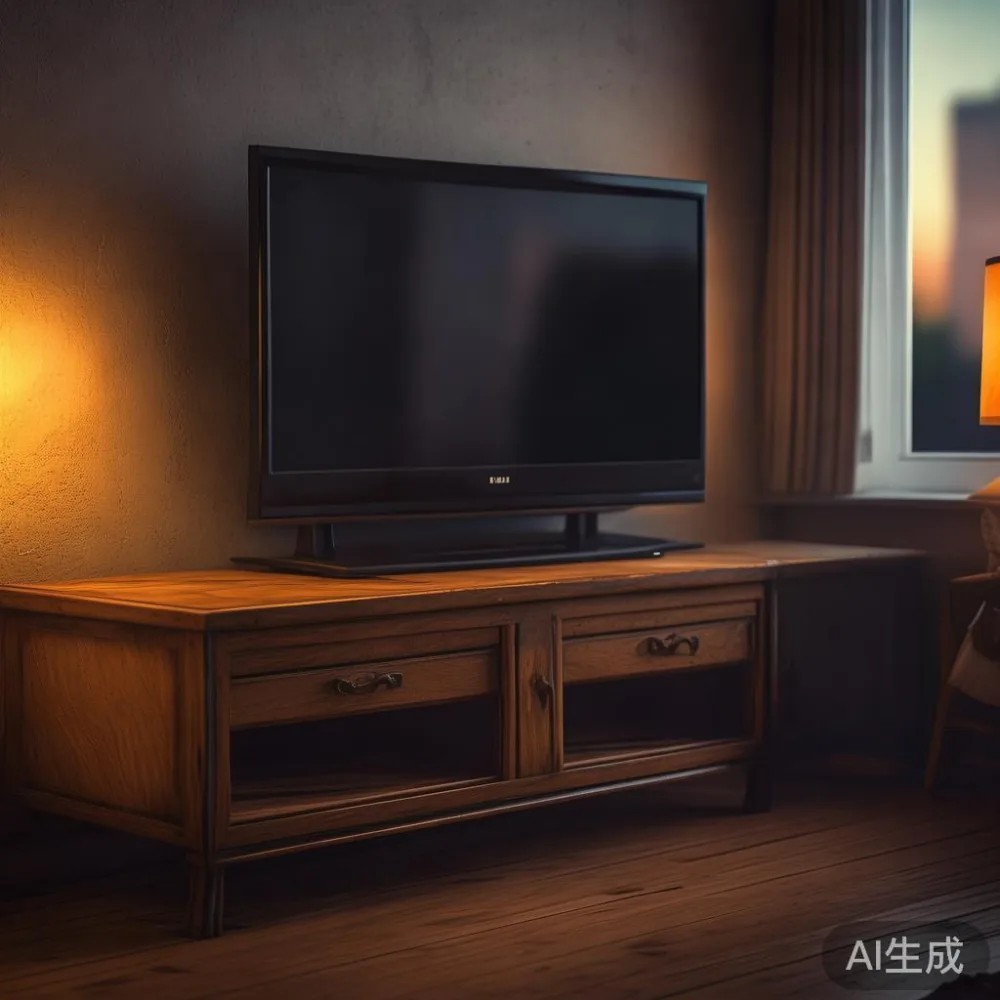
Heat is another factor. A west-facing HDB living room can exceed 32°C by late afternoon, while a condominium beside the Marina coastal area may also receive reflected light. Air-conditioning lowers the temperature, yet the sudden shift from 30°C to 23°C can create condensation on cold surfaces. Direct sunlight should be kept away from the cabinet, and the unit should stand at least 30 cm from a wall where possible so air can circulate behind it.
Stable conditions matter more than occasional cleaning. Aim for approximately 40% to 60% relative humidity indoors, with surfaces and furniture physically separated from the source of any dampness. This approach suits French light luxury, where visual restraint matters, as well as American light luxury, where a substantial tv cabinet often forms a strong architectural centrepiece.
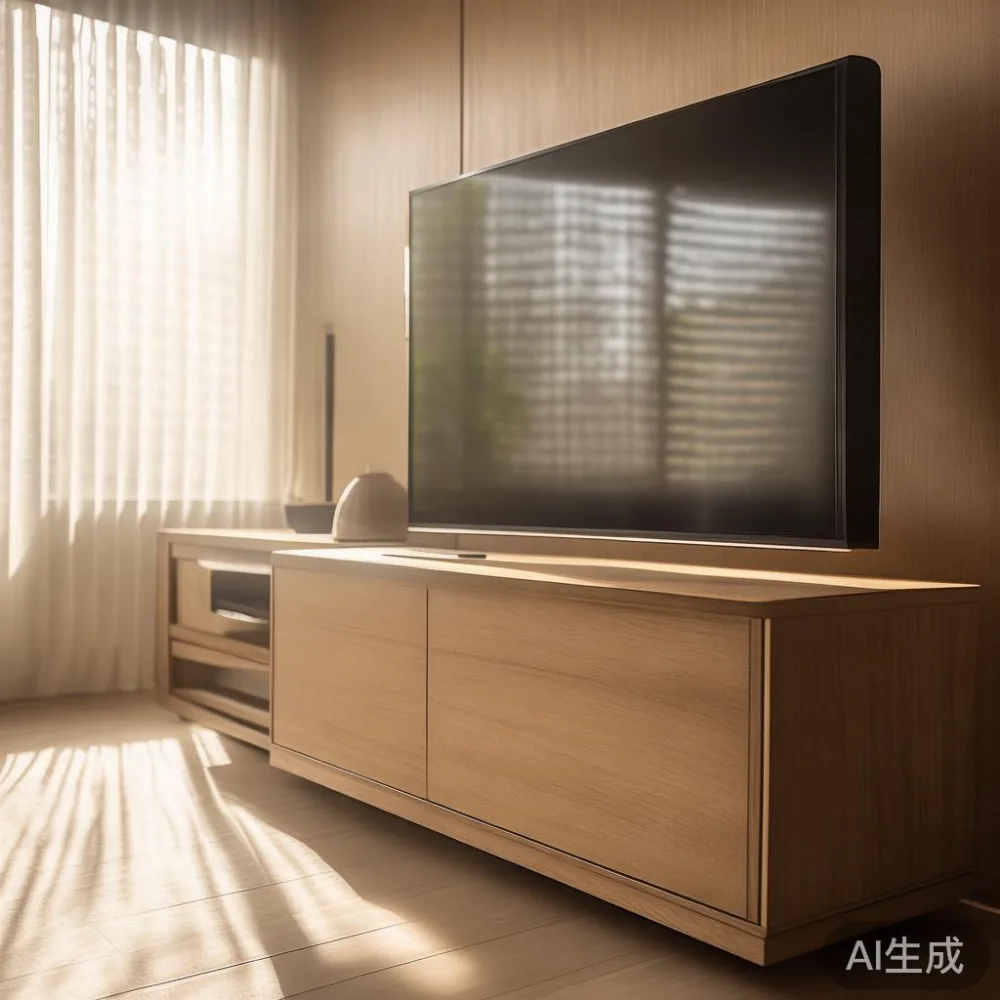
How should I clean a lacquered tv cabinet in Singapore?
Start with a soft microfibre cloth, lightly dampened with plain water. Wipe in the direction of the grain, then use a second dry cloth to remove moisture. The whole top should not be left wet. Test an inconspicuous 10 cm by 10 cm area for at least 24 hours before treating a visible panel, especially on a dark lacquer.
For weekly maintenance, dust first and clean second. A dry cloth gathers grit that can scratch lacquer; damp cleaning then carries that grit away. Do not use vinegar, ammonia, alcohol, bleach, abrasive pads, silicone sprays, furniture wax or household glass cleaner unless the finish manufacturer expressly permits them. Many “polishes” leave a sticky film that attracts dust in Singapore’s humid environment.
Spills should be addressed immediately. Blot rather than rub. If a sugary drink has entered a joint or cable opening, use a barely damp cotton swab to lift the residue and dry the area with a fan on low speed. Keep liquids at least 20 cm away from the cabinet, including a bedside drink on a nightstand positioned beside it.
For lacquer restoration, avoid improvising colour. A colleague in our product team last month tested three widely sold wipes on an offcut with a clear lacquer finish: one left visible haze after 30 minutes, one dulled the sheen, and only the manufacturer-approved product maintained the original gloss. That result explains why product-specific care instructions should take priority over generic online advice.
How often should a lacquered tv cabinet be maintained?
A light dusting twice a week and a damp wipe every 7 to 10 days is a practical schedule for most Singapore homes. Increase the frequency if the cabinet sits beside a sliding door that admits coastal dust or in a new HDB flat with ongoing construction nearby. In that situation, wiping once every 3 to 5 days can reduce the chance of grit accumulating around the plinth and door runners.
Inspect the cabinet every 3 months. Check the top for a hot ring, the back panel for dampness, the doors for sticking and the underside for insect activity. Lift cushions and decorative objects rather than dragging them across the lacquer. Coasters should be placed under every item that might sweat; a warm vase can leave a translucent mark within 2 hours.
A yearly service should include checking hinges, door alignment, cable openings and the finish. The finish should not be polished automatically. A clean lacquer surface usually needs only gentle wiping. Excessive polishing compounds can become abrasive after 12 months of use. If the coating is scratched, blistered or peeling, stop using household chemicals and arrange professional assessment.
Will a lacquered tv cabinet warp near an HDB balcony?
It can if it repeatedly experiences direct rain, strong sunlight and rapid temperature changes. Balcony doors in Tampines, Bedok and Punggol often create a narrow humidity zone, particularly during monsoon periods when outdoor humidity approaches 90%. A lacquered tv cabinet should remain indoors and away from the sliding door.
Allow 15 cm between furniture and the balcony threshold, although 30 cm is preferable if circulation allows. Use blackout curtains during intense afternoon sun, and do not place the cabinet against an air-conditioning outlet. If condensation appears on the floor after heavy rain, remove the cabinet completely and dry the floor before returning it to position.
Measure the delivery route before purchase. Many HDB lift lobbies are around 140 cm wide, and older estate corridors can narrow at turns. A tv cabinet should be checked in its packaged dimensions, not just its assembled dimensions. Leave at least 10 cm of clearance on the narrowest measurement when maneuvering around a corridor. At the destination, measure the doorway and television recess; a cabinet 180 cm wide may fit the wall but not the lift turning radius.
MIDHILL delivery to Singapore generally takes 5 to 10 working days after order confirmation, subject to stock and final-mile scheduling. The cabinet should be carried in and positioned by two people if it exceeds 45 kg. Remove detachable shelves where the design allows, protect the corners and never use a door panel as a handhold. Packaging should remain under the unit for at least 24 hours after unpacking so acclimatisation occurs gradually.
Can air-conditioning and dehumidifiers prevent finish damage?
They can help, but they should not create rapid swings. A dehumidifier set around 50% relative humidity is useful in a persistently damp bedroom or study. A portable model with a 20-litre daily extraction capacity can manage a small room, although actual performance depends on the unit’s size and the apartment’s openings. Place it near the cabinet, not directly behind it, so the airflow can reach the back panel and lower wall.
Do not aim a cold air-conditioning vent at the lacquer for hours. Repeated cooling and warming may cause the coating to contract and expand differently from the timber. If the room reaches 23°C while the adjacent balcony area remains at 30°C, keeping the door closed during the hottest hours reduces the contrast.
For a compact HDB living room, the Nordic for small living room approach can be effective: pale walls, restrained storage and a visually light cabinet can prevent the room from feeling compressed. However, the finish should not be chosen solely for its colour. Ask for lacquer samples in daylight and under the room’s evening lighting. A sample viewed for 10 minutes cannot reveal a finish’s response to a full evening of air-conditioning.
How should I repair scratches and lifting lacquer?
Small marks sometimes look worse under oblique light than they do in ordinary viewing conditions. Do not place furniture magazines or catalogues against a lacquered tv cabinet; paper edges can scratch the surface within a day. Use a protective mat beneath objects and provide stable padding beneath a television. Check that the set is centred, because an off-centre load may twist the cabinet over time.
A fine surface scratch may respond to a manufacturer-approved touch-up product, but colour matching should be done by a refinisher. Deep scratches, dents, bubbles or lifting edges need professional attention. Keep photographs of the affected area and report it promptly, as finish damage is easier to assess before dust and moisture enter the exposed timber.
MIDHILL’s lifetime refinishing service is intended to support long-term furniture ownership and can be discussed for eligible finishes and damage. Structural problems are covered by a 10-year warranty, while surface care remains the customer’s responsibility. Free shipping applies to qualifying orders over US$350, and Singapore customers should check the current SGD checkout total because taxes, delivery and service terms should be confirmed before payment. Returns can be requested within 14 days under the applicable policy.
Can I place a tv cabinet against an air-conditioned wall?
Yes, provided there is airflow and no visible moisture. Maintain a 20 cm to 30 cm gap behind the cabinet, and check the wall for condensation during the first 2 weeks. If the wall feels cold or damp, shift the cabinet and dry the area before reinstalling it. Avoid attaching the cabinet to a wall with moisture around exterior-facing windows.
Leave room for cable management and ventilation. Route cables through the rear openings, use clips on the cabinet rather than adhesive pads on the lacquer, and keep power strips off the floor. A 55-inch television may require a cabinet at least 140 cm wide, while a 65-inch set may call for 170 cm to 200 cm depending on the viewing distance. These dimensions are guides rather than universal rules, so the actual television stand and mounting system should be checked.
Design choices also affect the impression. A post-modern light-luxury arrangement can pair the cabinet with a solid wood sofa and simple marble table, but use restrained accessories rather than crowding the finish. Before searching for cheap Italian light luxury furniture, verify that the listing specifies the actual material, finish, warranty and dimensions. Low price language can obscure veneered construction, synthetic coatings or unclear care standards.
The same care discipline applies when furnishing an apartment. A useful guide on how to style European bed in apartment can inform the bedroom palette, while comparing European sofa vs French provincial sofa helps with proportions and visual weight. These decisions should complement one another rather than make every surface compete for attention.
What should I ask before buying a lacquered tv cabinet?
Ask whether the carcass is solid wood, whether the lacquer is a factory-applied finish and which cleaning products are approved. Request the external dimensions, weight, shelf load, cable-opening measurements and finish sample. Confirm the warranty and refinishing terms in writing, and check whether the quoted delivery time includes placement upstairs in a condo.
Also ask how the piece was designed for humid conditions. Look for sealed back panels, properly finished edges and adjustable feet that can correct uneven HDB floors. Inspect the doors in person if possible; a drawer should glide without force, and a door should close without touching the carcass. Keep the set of measurements because a corridor lift may require the cabinet to enter in sections.
Other furniture references can help establish a coherent room. For a bedroom, a solid wood bed frame and solid wood wardrobe should use finishes suited to the same climate. For storage, a guide to how to choose American wardrobe is useful for checking internal dimensions, hanging space and drawer extension. For a dining zone, a solid wood dining table should have enough clearance from the lacquered cabinet to prevent chairs from rubbing its side.
Some shoppers begin their search with for sale Rustic furniture, but lacquer and rustic styling can conflict if the cabinet becomes visually heavy. A lighter carcass or simpler door profile may suit an HDB flat more comfortably. The material standard matters too: terms such as “solid wood” should describe the relevant structural components rather than only the visible face frame.
What is a practical care routine for the first year?
For the first 30 days, keep the cabinet away from direct sun and inspect it weekly. During months 2 to 6, damp-wipe every 7 to 10 days, check the back every 3 months and remove any object that could leave a mark. From month 7 onward, review the finish under both daylight and artificial light. Photograph the top at the start and end of each year so changes can be compared.
Use coasters, felt pads and cable clips rather than relying on a thick surface protectant. Keep the top free of warm decorative objects for at least 2 hours after placement, and never pour water directly onto the cabinet. If the finish becomes dull despite careful cleaning, resist applying generic polish; the dullness may be caused by residue from an unapproved product.
A lacquered tv cabinet works best when its finish, climate and room layout are treated as one system. Consistent humidity, limited sunlight, prompt spill removal and correct products protect the sheen, while thoughtful spacing protects the timber. With those habits, the cabinet can remain a calm, durable centrepiece in a Singapore home for many years.