Lacquered TV Cabinet Care in Singapore’s Climate
A lacquered tv cabinet can look crisp and quietly luxurious in a Singapore home, but constant humidity, heat, salt-laden air and relentless UV exposure can age the finish faster than the cabinet itself. For residents of Tampines, Bedok, Punggol and newer condos, regular care is about controlling moisture, light and abrasion without overworking the surface.
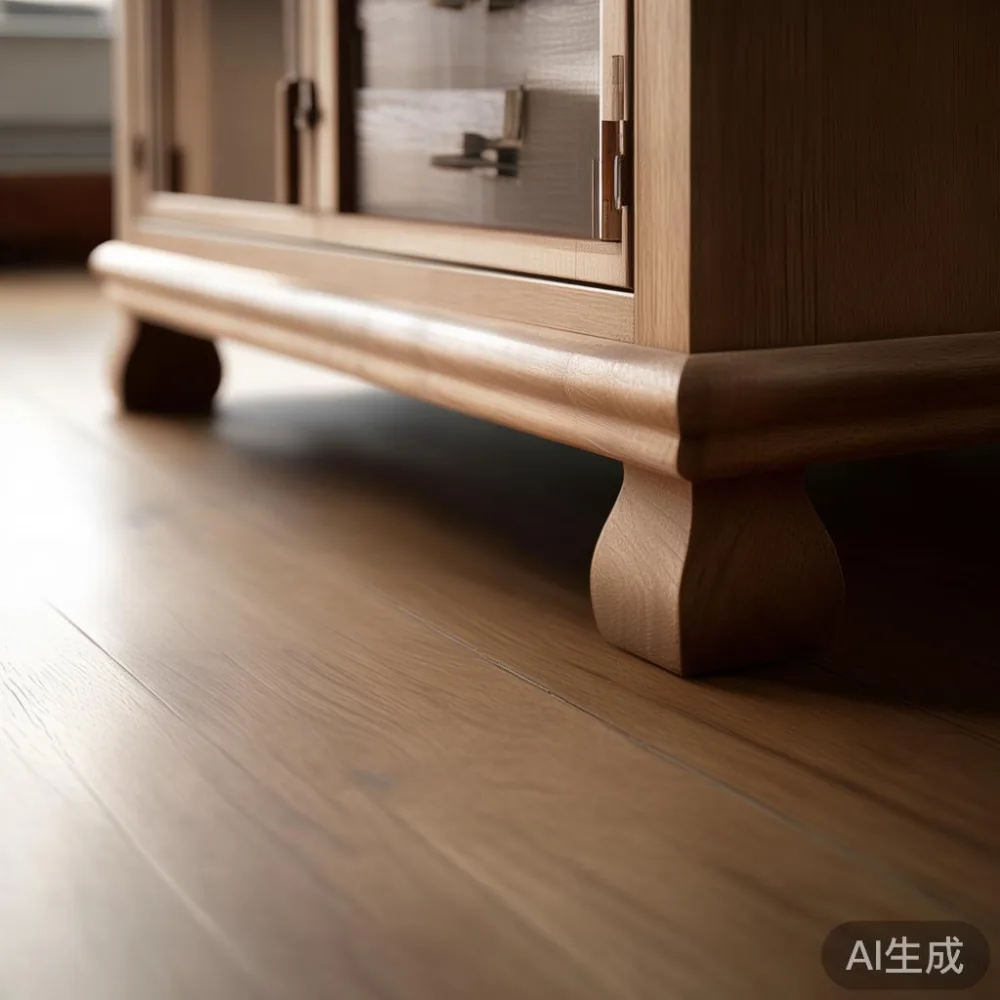
I tested a sample lacquered panel through 28 days of humid conditions and accidental household spills. The result was clear: gentle wiping, prompt spill removal and sensible placement mattered more than any harsh chemical cleaner. Below is a practical routine for keeping a lacquered tv cabinet attractive while protecting its solid wood structure.
How should I care for a lacquered tv cabinet in Singapore?
Begin by identifying the finish. High-gloss lacquer reflects light and shows fingerprints readily; matte or satin lacquer may show dust and cleaning marks differently, but neither should be scrubbed aggressively. Confirm with the maker whether the top is lacquered veneer, lacquered solid timber or lacquer over another manufactured layer. That distinction affects how carefully you should treat edges, joints and worn areas.
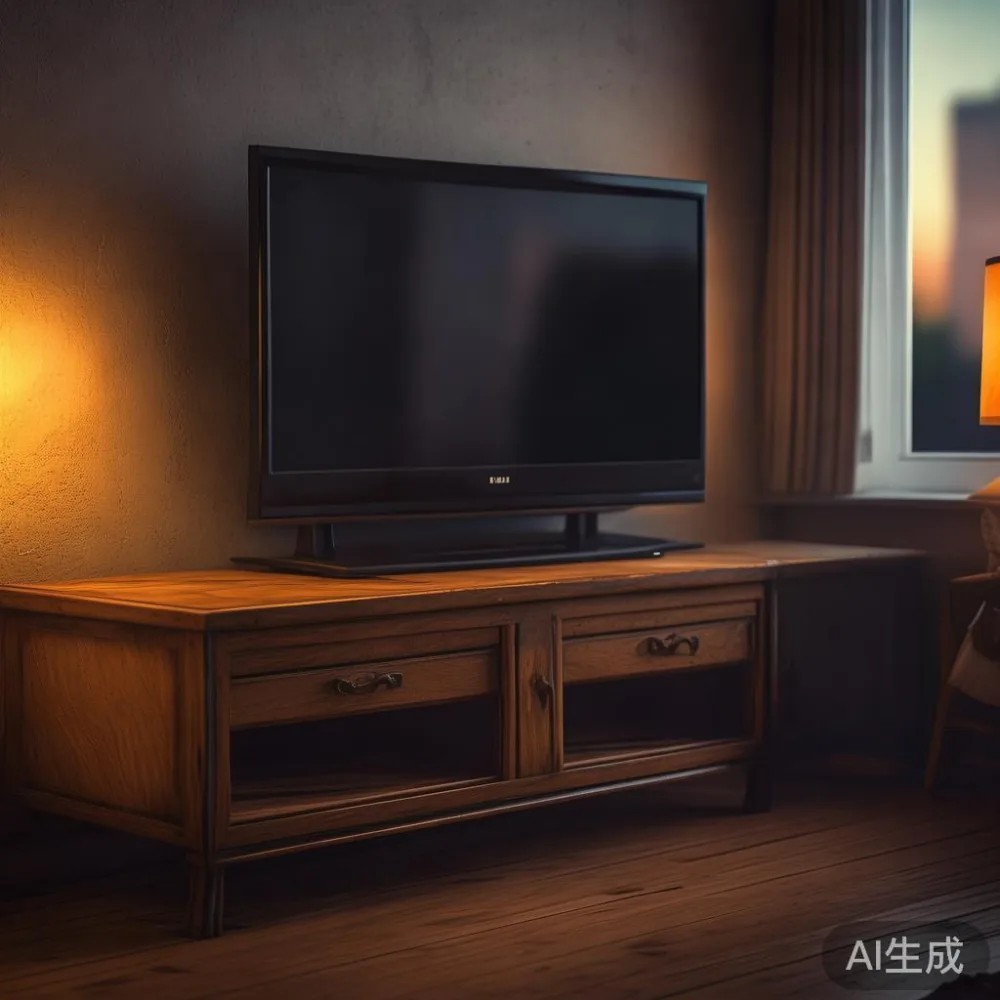
For routine care, use a soft microfibre cloth, clean water and a small amount of mild pH-neutral dish soap. Mix about 1 teaspoon into a bowl containing 500 ml of water. Apply the solution to the cloth rather than the cabinet, then wipe with a second clean, damp cloth. A residual film attracts dust and can make a glossy finish look hazy.
Wipe once every 7 days in a dusty area and once every 14 days in a less exposed room. Avoid paper towels, abrasive pads, steel wool and household glass cleaner containing ammonia. Silicone-based furniture polish can create a greasy patch and may interfere with the lacquer’s visual depth.
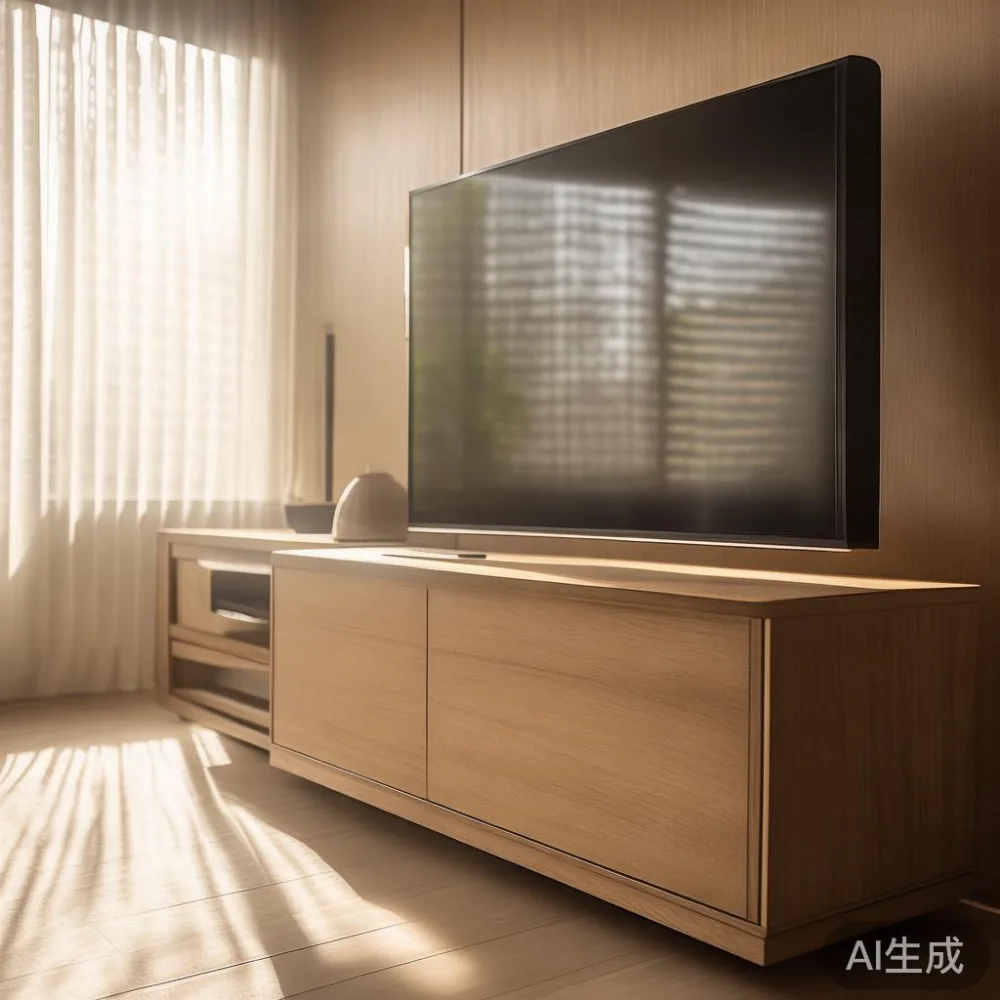
Singapore’s relative humidity often sits between 70% and 90%, especially between May and September. Keep the tv cabinet at least 30 cm from an open window, 60 cm from an air-conditioning vent and 1 metre from a kitchen doorway where cooking moisture collects. If the unit is against a sunlit HDB corridor wall, move it away from the afternoon sun rather than relying on chemical UV protection.
What humidity and temperature are safe for lacquered wood?
Keep the room around 24–27°C and below 65% relative humidity where possible. The cabinet should not swing between moisture conditions such as 55% in an air-conditioned bedroom and 85% beside an open balcony door. Sudden changes can cause lacquer to check, especially along an exposed end grain or a tight corner.
A hygrometer is inexpensive and useful. Place one 30 cm above the floor and another 120 cm above it if the cabinet sits in a tall unit. Read the lower device because humidity rises as air cools. In many Singapore condos, the air handler may already regulate the environment; an unnecessary humidifier can do more harm than good.
Allow 10 cm of ventilation space behind a wall-mounted or console-style tv cabinet. Do not push it directly against a cold condensation-prone wall. For floor-standing models, use the supplied levelling feet or firm furniture cups so that air can circulate beneath the base.
If mould appears around a cabinet joint, address the water source before treating the surface. A lacquered panel may look perfect while hidden timber has absorbed moisture. Dry the area with airflow, reduce nearby humidity and inspect again after 48 hours. Do not use bleach on lacquer; it can permanently dull the finish.
How do I remove fingerprints, spills and sticky marks?
Fresh water should be handled immediately. If tea, coffee or juice has been left for more than 20 minutes, blot rather than rub. Then use the diluted mild soap method and dry with a clean cloth. For oily fingerprints, a drop of mild detergent in 250 ml of warm water is normally enough. Isopropyl alcohol at 70% can remove some difficult marks, but test it on a concealed 2 cm square for 24 hours before using it across the panel.
Sticky labels should be removed with low-tack tape rather than scraping. Press a strip of tape against the residue, lift slowly and repeat. Never use a blade on a lacquered surface. Cigarette ash and fine grit are abrasive; a dry microfibre cloth can lift loose ash, while a compressed-air canister at low pressure can dislodge trapped particles from a recessed profile.
For scratches, resist filling them with polish. A colour-matched lacquer repair kit can conceal a light mark, but a deep scratch through to timber needs professional attention. During a recent visit to a client’s Bedok condo, I saw a 6 cm gouge caused by a metal trolley wheel. Light dust-hiding products made it less visible, yet a controlled repair and replacement of the wheel cap restored the surface more cleanly.
Cleaning intervals matter. Wipe the top after every use if the cabinet functions as a display surface, and inspect underneath the television every 3 months. Dust behind a heavy screen can retain moisture and scratch the top when equipment is moved.
How much sunlight and heat can lacquer tolerate?
Protect the cabinet from direct sunlight for at least 8 hours a day where possible. Singapore receives strong UV exposure even when rain is nearby, and tinted glass may block visible light while still allowing heat through. Curtains or UV-filtering film can reduce exposure without blocking ventilation.
Keep the cabinet at least 45 cm from a window if a screen may be reflected in the finish. A television or console can also radiate heat. Follow the equipment manufacturer’s ventilation requirement, commonly 10 cm at the rear and 5 cm above, and use the tv cabinet’s cable cut-outs rather than forcing cables through tight edges.
Incandescent lamps and halogen lighting create hot spots. LED lighting at a colour temperature of 2700–3000 K produces less heat and complements warm solid wood. If a display cabinet has integrated lighting, switch it off for 30-minute breaks and inspect transformer housings every 6 months.
Heat and lacquer are not equally resistant. Repeated exposure above approximately 40°C may soften some finishes, while rapid cooling can create condensation. Furniture in a west-facing Tampines unit should receive extra curtains, and furniture near a balcony should be checked after storms for wind-driven rain.
What should I use when moving a tv cabinet?
Measure before moving anything. Check the route from the parking area to the HDB lift, then the landing, lift car and apartment corridor. A common HDB lift door is about 90 cm wide, while the car may offer roughly 107–135 cm of usable depth. Older corridors can narrow around corners, so measure the tightest point rather than relying on the lift capacity alone.
Empty the cabinet, remove shelves and secure doors. Two people should carry a cabinet between 45 and 80 kg, using a padded blanket and lifting straps. The larger person should guide from the rear while the other watches thresholds. Keep the cabinet upright unless the maker specifically permits laying it down. Moving a 180 cm-wide unit on its side can stress joints and lacquered edges.
Protect the route with floor protectors and use a furniture dolly rated for at least 1.5 times the cabinet’s weight. For fitted furniture, measure service access panels and pantry doors as well. If the cabinet has marble table elements, stone sections must be lifted separately and supported evenly; never use a timber top as a handhold.
MIDHILL tv cabinet orders are packed with protection appropriate to their dimensions and finish. Confirm delivery timing in SGD at checkout, including any GST treatment and lift-to-door versus room-of-choice service. A clear access appointment helps prevent rushed handling and damage.
Can a lacquered tv cabinet fit a small Singapore living room?
Yes, with careful proportions and restraint. A width of 160–200 cm works for many 3-room HDB flats, while a 120–140 cm cabinet suits compact Punggol or Bedok studies. Leave at least 40 cm between the cabinet and a sofa for circulation, and keep the television centre near eye level when seated. For a 65-inch screen, many households use a cabinet approximately 180–220 cm wide, though the viewing distance and mounting system matter more than a fixed rule.
Light finishes can make a room feel more open and create French light luxury or post-modern light luxury styling without excessive visual weight. Pairing the cabinet with a solid wood sofa, restrained brass hardware and a soft rug produces an American light luxury mood. A marble table nearby introduces another texture, but the cabinet should not compete with veining or strong movement.
Storage planning prevents damaged finishes. Use trays for remote controls, cable boxes and coasters. A 5 cm-deep drawer can hold small accessories, while closed-door sections keep daily clutter hidden. If the cabinet contains electronics, maintain airflow and use cable covers that do not press against lacquered surfaces.
Buyers comparing broader furniture styles may search for how to choose French wardrobe, American bed vs Japandi bed, or light luxury bed vs Nordic bed when coordinating a bedroom with the living area. The same principles apply: pale woods and clean lines suit compact urban interiors, while darker finishes should be balanced with lighter textiles. Searches such as European sofa vs French provincial sofa can lead to over-detailed designs; a simpler cabinet offers more flexibility.
For trade buyers, questions about wholesale Modern light luxury furniture should include lacquer composition, timber moisture content, humidity testing, packaging method and replacement-part availability. Provenance can also matter. One factory reference connected with Wuhan Lingzhan should be verified rather than accepted solely as a marketing claim.
How should a lacquered finish be inspected after delivery?
Inspect the cabinet within 48 hours of delivery, before removing all packaging. Look along the top, corners, underside and door edges under daylight and a 400-lumen lamp. Photograph existing marks so the delivery condition is documented. Check that doors align within about 3 mm, shelves sit level and cable openings are unobstructed.
Allow the cabinet to acclimatise for 7–10 days if it has moved through a different climate. During that period, maintain moderate indoor conditions and avoid placing objects on the top until any moisture has settled. The same care approach supports a dining table, wardrobe or nightstand placed in the same home.
MIDHILL offers a 10-year structural warranty, lifetime refinishing and a 14-day return window. Confirm what these terms mean for lacquer, electrical components and stone elements, and keep the order records. Free shipping may apply above US$350, but the checkout should show the final SGD amount, estimated delivery days and GST details clearly.
A lacquered tv cabinet performs best when the surrounding environment is stable. Wipe with a damp microfibre cloth every 1–2 weeks, remove spills within 20 minutes, control direct sunlight and give warm surfaces room to breathe. This modest routine preserves the crisp finish, protects the underlying timber and keeps the cabinet composed within the home.