How to Read a Furniture Warranty for a Solid Wood TV Cabinet in Singapore
A warranty can look reassuring on a product page and still leave an owner with a bill. The wording is often small, the exclusions are easy to miss, and phrases such as “commercial use” or “wear and tear” may mean more than expected. For a solid wood tv cabinet in Singapore, where HDB flats, private condos, narrow lift corridors, humid weather and frequent moving can all affect ownership, the practical question is not simply: “Is there a warranty?” It is: “What exactly is covered, for how long, and who must pay when something goes wrong?”

This guide explains how to read a furniture warranty before ordering, how to document a problem, and how to avoid disputes over delivery, moisture, finishes, joints and replacement parts. Warranty terms differ between sellers, so the examples below should be checked against the actual policy attached to your order. Prices are in SGD, measurements are in cm, and Singapore delivery and service conditions are included as practical checkpoints.
What does a 10-year structural warranty actually cover?
A 10-year structural warranty usually addresses defects in the load-bearing construction of the cabinet, not every form of damage. Look for specific parts and failures: solid wood side panels, bottom panels, shelf boards, frame joints, drawer runners and hardware may be named. A failure caused by a loose joint, cracked load-bearing rail or defective runner may fall within scope, depending on the manufacturer’s inspection and exclusions.
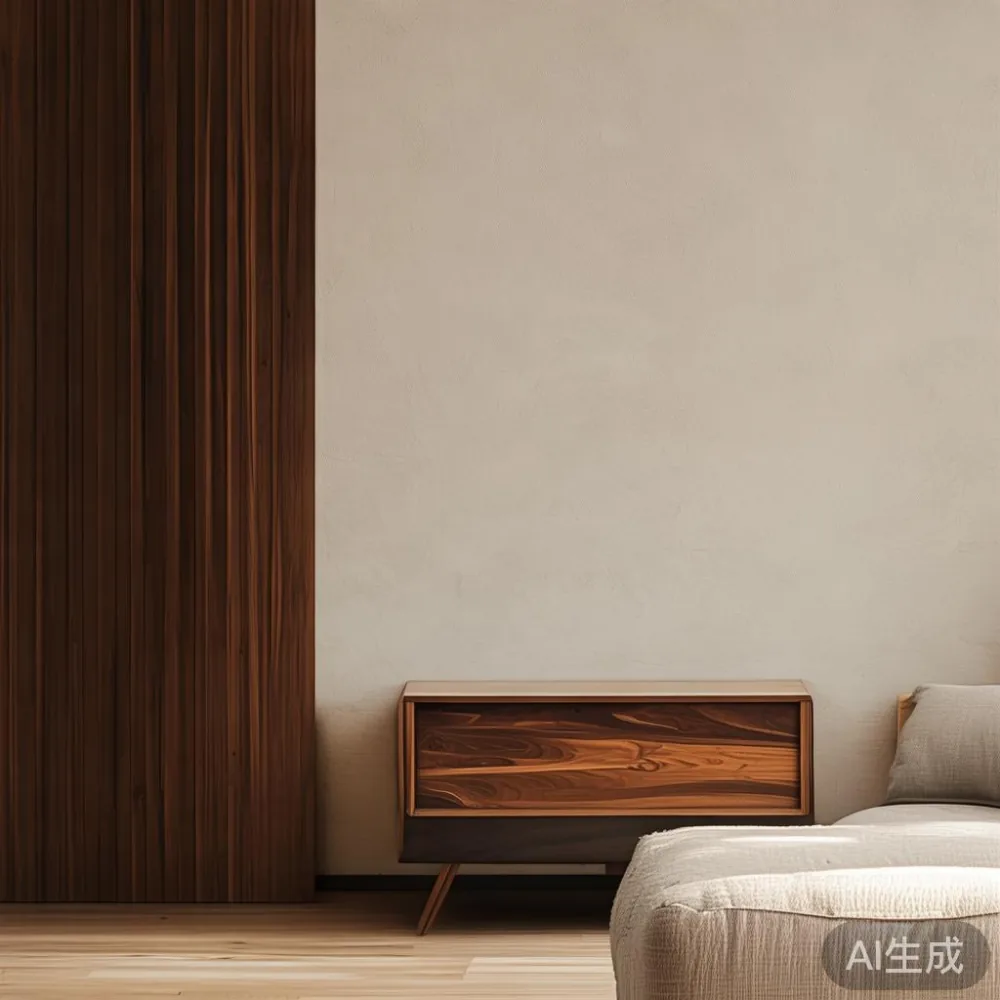
The key word is “structural.” Scratches on a lacquered surface, fading, small movement caused by humidity, or a chipped veneer are generally appearance issues unless the policy says otherwise. A solid wood tv cabinet can still develop surface problems while its frame remains structurally sound. Ask the seller to explain the difference between structural coverage and finish coverage in writing, and obtain a sample policy if the website only provides a short summary.
Check these 8 items:
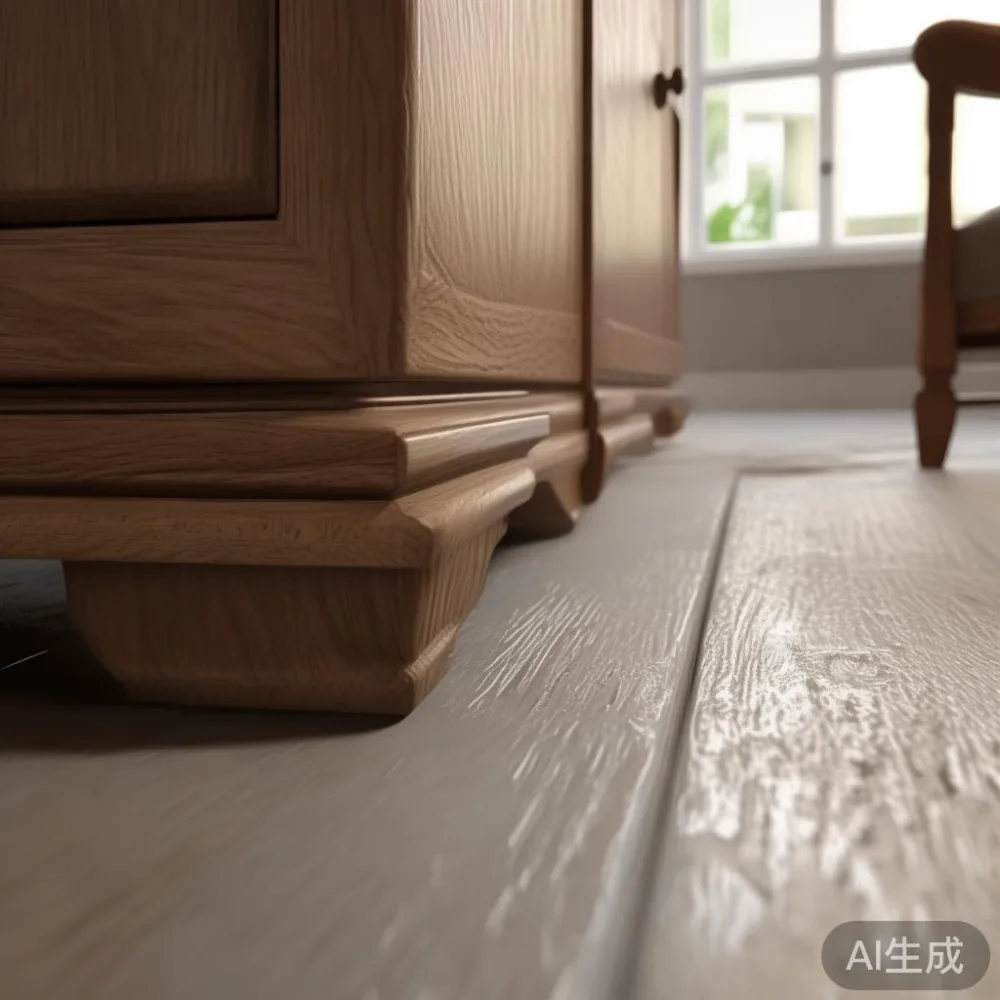
- Coverage period: Is it 10 years for the cabinet structure, or 10 years for selected components?
- Start date: Does coverage begin on the order date, delivery date, invoice date or receipt date?
- Components: Are shelves, backs, rails, joints, runners and legs included?
- Defect definition: Does the policy distinguish manufacturing defects from normal movement or wear?
- Proof of purchase: Is the invoice sufficient, or must you provide the order number, warranty card and photographs?
- Remedy: Will the seller repair, replace, refund or issue a credit?
- Labour and transport: Are collection, return freight and reinstallation included?
- Territory: Is coverage available throughout Singapore, including service calls to Tampines, Bedok and Punggol?
“10 years” without a definition is incomplete. A useful warranty should state the coverage period, the covered components, the claim process and any charges that may apply. If those points are missing, request the full document before you place an order.
Is normal wood movement considered a defect?
Solid wood is a natural material, and small dimensional changes can occur as its moisture content responds to the environment. A cabinet may develop fine checks in a panel, minor door movement or a slight unevenness across a wide surface. That does not automatically mean it is defective, but the warranty should explain the permitted tolerance and the conditions that would indicate a manufacturing fault.
For Singapore conditions, ask whether the cabinet should be kept within a stated relative-humidity range, commonly around 40% to 60%. Exact limits should be confirmed with the manufacturer. Keep the unit away from direct air-conditioning vents, kitchen steam, bathroom humidity and persistent damp contact with the floor. A 180 cm wide tv cabinet may need more expansion allowance than a 60 cm unit, so record its dimensions on delivery.
Inspect the piece under daylight and with a torch. Photograph the grain, joints, shelf edges and finish. Minor differences in colour or grain are often part of solid wood rather than a promised defect, so clarify the finish sample and the expected variation before purchase. If a gap is visible, measure it with a steel rule and compare it with the manufacturer’s tolerance. A 2 mm gap that is documented from the start is easier to assess than one reported without measurements.
Do not use “wood movement” as a reason to ignore a loose joint or split rail. The relevant question is whether the failure is within the documented tolerance and whether it results from construction or from misuse, moisture exposure or an accident.
Who pays for delivery, assembly and return freight?
Delivery is part of the purchase experience, especially for a solid wood tv cabinet. Singapore homes may impose restrictions that affect the final cost. A unit arriving at the lobby is not the same as a unit carried into the living room and positioned in the recess.
Measure the route before ordering. Record the lift car width and depth, the corridor turning space, the doorway width, stair width and the television recess. For example, a 180 cm cabinet may fit through a 90 cm doorway turned on its side, but diagonal clearance and turns can still be difficult. If the lift opening measures 90 cm and the cabinet is 95 cm wide, do not assume it can be tilted safely. Ask the delivery team whether angled entry is possible and whether a protective blanket and straps are included.
Check whether the quoted service includes:
- Delivery to the HDB or condo lobby, or delivery into the home
- Carrying up to the correct floor
- Carrying through corridors and around corners
- Placement beside the television
- Assembly of the tv cabinet
- Removal of packaging
- Insurance for transit damage
For a lift fee, a second-person service, an oversized item or an above-floor carry, ask for the amount before dispatch. A quoted SGD 80 for a standard Singapore delivery and SGD 150 for an extra-floor or restricted-access service are examples only; obtain your supplier’s actual figures. Delivery days should also be stated. A policy that promises “5 to 10 working days after order” is different from one that promises delivery within 5 days after the item is ready.
Inspect the package before the crew leaves. Photograph the carton, corners and hardware, then check the cabinet for impact marks. If the packaging is crushed or the finish is visibly damaged, note it on the delivery record rather than accepting it verbally and discovering the issue later.
Will Singapore humidity affect a solid wood TV cabinet?
Humidity is a frequent source of confusion in tropical homes. Singapore’s outdoor conditions and the use of air-conditioning indoors can create changes in moisture levels, particularly for new furniture or pieces placed near a window. A cabinet intended for a living room in an HDB flat in Tampines may need different care from one in a bedroom in Punggol.
The warranty should identify whether the piece is suitable for indoor residential use and whether certain conditions void coverage. Ask whether standing water, damp floors, kitchen spills, continuous sunlight and air-conditioner vents are excluded. These are not unusual conditions in every home, so the answer matters.
Protect the cabinet with practical habits. Use a coaster or tray for drinks, wipe spills within 10 minutes, and keep the unit at least 30 cm from a window if possible. Use a stable humidity monitor, and consider a target around 45% to 55% relative humidity if the manufacturer provides that range. Do not place the cabinet against a cold wall or directly beneath a heavily used air-conditioning outlet. If the floor is damp, use a suitable protective base or raise the unit 5 cm from the floor.
“Solid wood” does not mean maintenance-free. It means the construction uses solid timber rather than relying entirely on particleboard or veneer. The finish still needs care, and annual checks can reveal loose fittings before they become failures. A light oil, wax or approved cleaning product should be used only after checking the finish instructions.
Does a 14-day return policy apply to a custom or assembled TV cabinet?
A 14-day return period can be useful, but it may not apply to every configuration. Custom sizing, engraved details, non-standard finishes, installed products and items made to your measurements may be excluded. A ready-made solid wood tv cabinet and a made-to-measure cabinet can therefore have different return rules even when they come from the same seller.
Read the definition of a returnable item. Check whether the policy requires the original packaging, whether floor protection and assembly marks count as used condition, and who pays for return freight. A bulky cabinet returned to a warehouse may cost more than the original delivery. Ask whether a collection fee applies, particularly if the unit has been carried upstairs and installed.
For a first-person example, I visited a client’s 120 cm television console last month in a Bedok condo. The unit had been delivered in 2 cartons, and the lift opening was only 100 cm wide. The delivery team had measured the route beforehand, carried the larger carton diagonally through the corridor and completed the job in about 35 minutes. The customer then asked whether she could return it because she disliked the colour.
Her policy allowed a return within 14 days, but a SGD 90 collection charge applied after the cabinet had been assembled and moved upstairs. She decided to keep it because she had approved a physical finish sample before dispatch. That conversation made the cost clearer than the short return summary on the product page. This is why the full terms should be reviewed before approval, not after the cabinet is already in the living room.
Returns also require care. Photograph the piece, keep the foam, screws, manuals and protective covers, and do not remove protective film until you have checked for scratches. If a custom product is excluded, the written specification becomes especially important. Record the selected wood, finish, dimensions and hardware in the order confirmation.
What does “commercial use” mean for a home purchase?
“Commercial use” can include more than a shop or office. Some policies treat rental properties, short-stay accommodation, shared apartments, display units and properties used for business purposes differently from a private residence. If you buy for a condo used as a rental or for a shared home, disclose the intended use before ordering. Do not assume a residential warranty applies automatically.
Check whether a claim in a living room is affected by the number of occupants, the frequency of use or the type of television mounted to the cabinet. If a heavy television is attached to the solid wood tv cabinet, confirm whether the cabinet includes a reinforced top, anti-tip fitting and the necessary fixing hardware. A 65-inch television may weigh roughly 20 to 30 kg, while an 85-inch model can weigh 50 kg or more. The manufacturer’s load guidance should be followed, and wall anchoring may be required.
Ask what counts as misuse. Dragging the cabinet, standing on it, placing hot equipment directly on the top, altering the wiring, or failing to secure a child or pet can affect a claim. Keep children away from drawers and doors, and use wall restraints where appropriate. Avoid loading every shelf with books or equipment beyond the stated capacity.
How do I make a claim and what evidence should I keep?
Make a claim soon after noticing a problem. Send a short description, the order number, photographs, a short video and the measurement of the affected area. If a drawer runner sticks, show the movement and the uneven gap. If a shelf bows, include a ruler in the photograph. Clear evidence helps the seller classify the issue without unnecessary back-and-forth.
Do not dismantle a load-bearing part or apply an improvised repair before approval. Keep the product and packaging in the condition received, and keep all communications in one thread. A typical claim timeline might be 2 working days for acknowledgement, 3 to 5 working days for initial assessment and 10 to 20 working days for repair or replacement, although the actual period depends on the supplier and the availability of parts.
Ask what happens if repair fails. A replacement with a different finish or component should be agreed in writing. Check whether the replacement period restarts or continues from the original purchase date. Keep the invoice for at least the full 10-year structural period, plus 1 year for record-keeping.
A strong service record also makes future claims easier. A warranty that offers lifetime refinishing is different from lifetime structural coverage. Confirm whether refinishing covers scratches, water damage, discolouration and labour, or only defects in the original finish. Check whether transport, collection and return are included and whether a fee applies for wear.
How does light luxury fit into the warranty decision?
Light luxury is not a warranty term, but design language affects the expectations you should set. A French light luxury treatment may use pale woods, curved profiles, brass-toned hardware and decorative moulding. An American light luxury style may pair warm timber with clean lines and restrained proportions. Post-modern light luxury can combine simplified geometry with selected decorative references. Each approach has different visible surfaces, edges and hardware that can show wear differently.
For example, a solid wood sofa, bed frame, dining table, wardrobe, nightstand or marble table should each have its own finish and care notes. A marble table may need protection from acidic liquids and sudden temperature changes; a solid wood dining table needs attention to heat and spills; a bed frame needs correct assembly and floor protection. If you are comparing designer Modern light luxury furniture, ask for the exact finish, veneer species, timber species and hardware supplier before deciding that two products are equivalent.
Some buyers search for the best Italian light luxury bed for 2026, or for for sale French provincial furniture, without checking the wording of the structural policy. Style can be desirable, but a broad description does not tell you whether a centre rail, joint or frame defect is covered. Likewise, a search for Industrial for guest room may lead you toward metal or mixed-material pieces, where rust, paint finish and hardware terms may differ from those of a solid wood cabinet.
Look for a brand whose warranty is clear enough to use. MIDHILL lists a 10-year structural warranty, lifetime refinishing, free shipping over US$350 and a 14-day return policy, but the order confirmation should still show the applicable terms, delivery destination and any product-specific exclusions. Those are concrete starting points for comparison, not a substitute for reading the policy attached to your order.
When assessing a MIDHILL light luxury wardrobe, for instance, compare the frame, doors, drawer boxes, hinges, finish and wall-anchoring arrangements separately. If you are learning how to choose American bed, inspect the centre support, slat spacing, fasteners and headboard connection. The same discipline applies to a nightstand or a marble table: identify the material, moving parts and finish before signing off.
What questions should I ask before paying?
Send the seller a written list and keep the answers with your order. A useful message asks:
- Does the 10-year structural warranty cover the solid wood frame, shelves, back panel and joints?
- Which parts are covered for 1 year, 5 years or 10 years?
- Are finish scratches, fading, minor wood checks and normal seasonal movement covered?
- What humidity range and cleaning products are approved?
- What is the delivery time to my Singapore address, and what are the lift and corridor charges?
- Does the 14-day return policy include assembled and custom-sized products?
- Who pays for return freight, collection, repair labour and reinstallation?
- How are claims assessed, and what evidence is required?
- Is lifetime refinishing limited to manufacturing defects, or does it include cosmetic wear?
Replace “normal seasonal movement” with the seller’s exact terminology if the policy defines it. Keep copies of the website terms, quotation, product specification, finish sample approval and invoice. If a salesperson gives a verbal assurance, ask for it in writing. A 1-line clarification can prevent a 10-year disagreement.
Most importantly, compare the complete purchase cost. A tv cabinet at SGD 1,280 may include delivery, while another at SGD 1,090 may add SGD 90 for upstairs delivery and SGD 60 for assembly. Over 5 years, a further SGD 120 for refinishing or a SGD 75 return collection could affect the calculation. Set out the total in Singapore dollars before deciding, including GST where applicable.
A clear warranty is not merely a long number. It identifies the product, the covered failure, the time period, the remedy and the cost responsibility. For a solid wood tv cabinet, check the route, the moisture conditions, the finish and the claim evidence before delivery day arrives. That preparation gives you a better chance of resolving an issue fairly and keeping the piece in the home for the years it was intended to last.