Small Apartment, Calm Living: How to Place a TV Cabinet in a Compact Singapore HDB Without Crowding the Room
Last month I visited a 65-square-metre HDB flat in Punggol with a couple who had just moved in. They owned a beautiful 2.4-metre ash-wood TV cabinet bought from a regional furniture house. The problem was not the cabinet itself — it was that it sat 90 cm from the sofa wall, ate a 2.2 m corridor into the kitchen, and blocked the swing of the 0.9 m kitchen door. The room felt 30% smaller than it actually was. We moved the cabinet 35 cm to the left, hung the television 12 cm higher, replaced the round 100 cm marble coffee table with a 70 × 45 cm rectangular one, and removed two side chairs. The same square-metre count suddenly read as a calm, breathable living room.
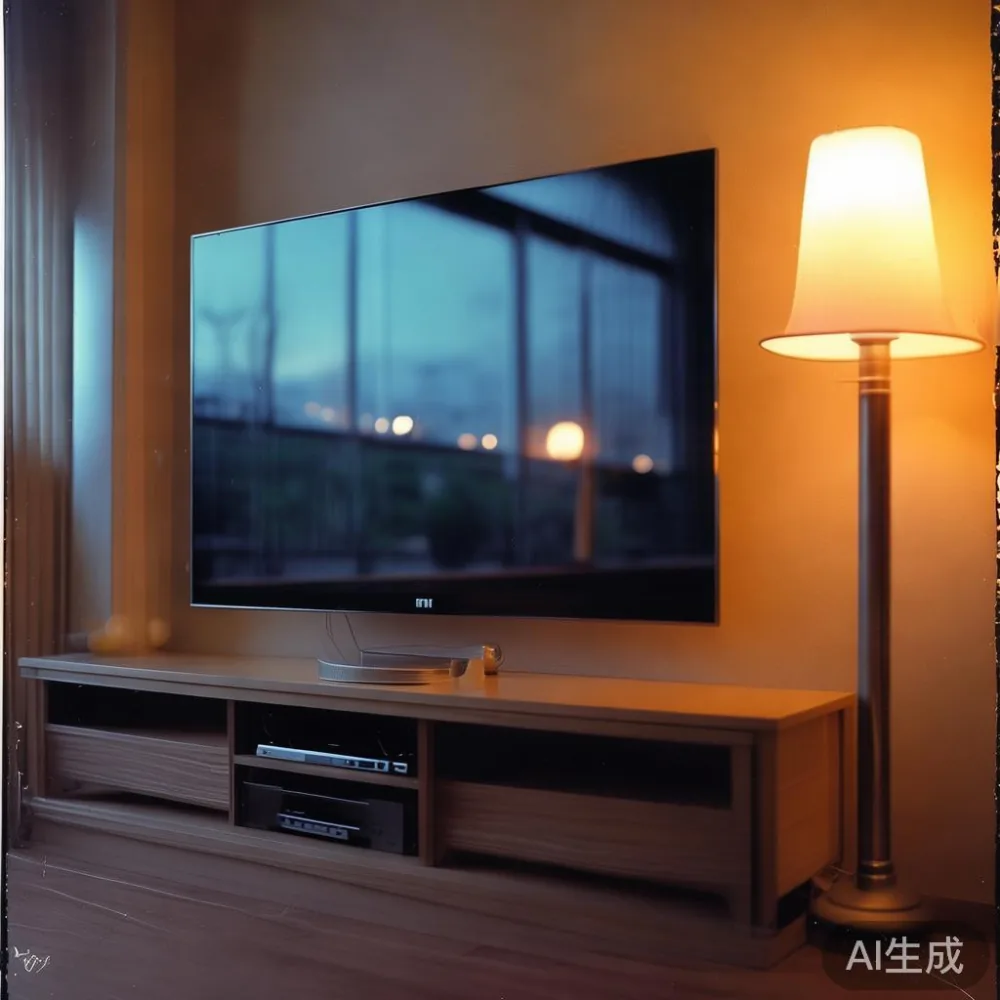
This guide is written for Singaporean homeowners — HDB three-room flats in Bedok, four-room in Tampines, five-room in Punggol, and the smaller two-bedroom condos around the MRT corridors — who want a solid wood TV cabinet, a matching bed frame, a wardrobe, a dining table, and a nightstand or two, without the home feeling packed. Every number below is the kind I use when I measure a flat in person: centimetres, kilograms, Singapore dollars, lift-door widths, and corridor clearances.
How wide should a TV cabinet be in a small HDB living room?
A TV cabinet between 150 cm and 210 cm is the safe band for most HDB living rooms measuring 3.0–3.6 m along the feature wall. Anything under 150 cm looks under-scaled beneath a 55- to 65-inch television; anything over 220 cm starts squeezing the side passages below 60 cm, which is the minimum comfortable walking lane for two adults passing each other.
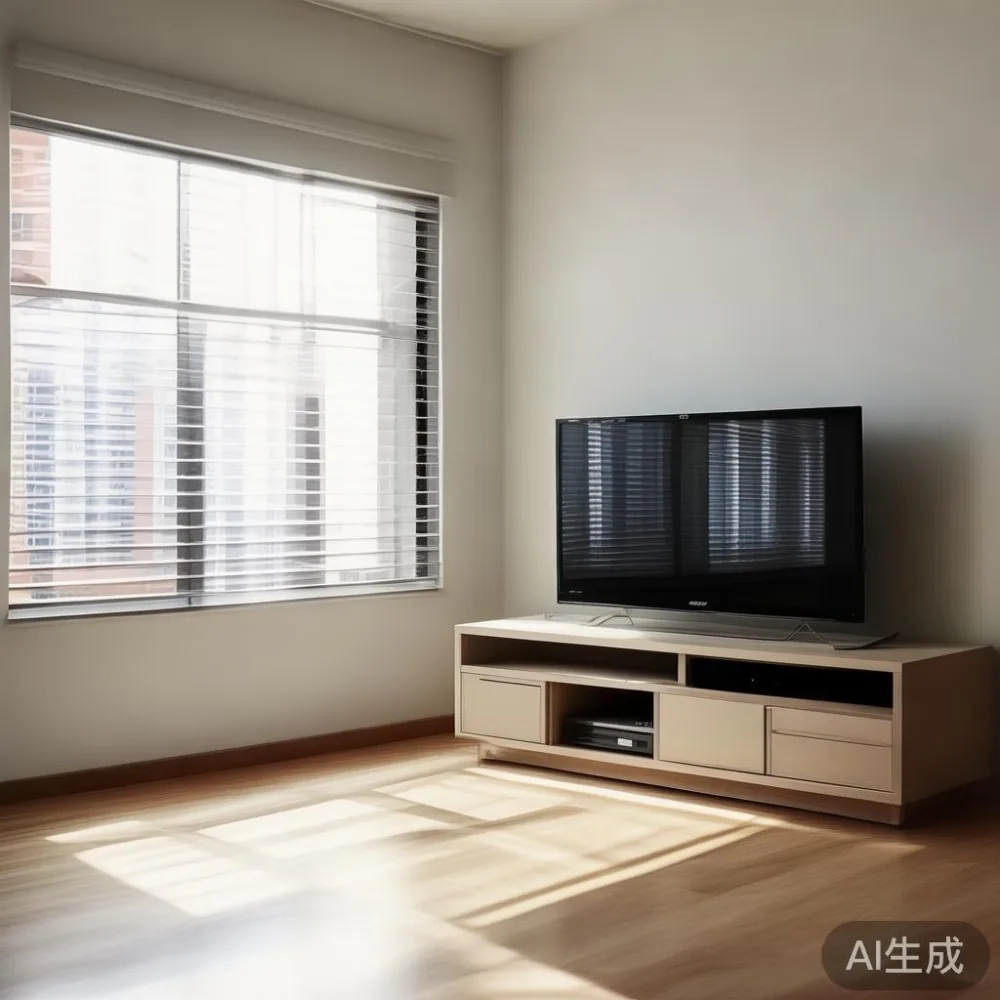
Height matters as much as length. A 45 cm cabinet profile keeps the screen centre near 110–115 cm from the floor, which is the eye-line range (100–120 cm) recommended by ergonomics texts. Anything taller pushes the screen upward and forces neck flexion. Depth is the silent killer: a 40 cm cabinet already occupies 11% of a 3.6 m wall, but a 45 cm cabinet eats 12.5% and a 50 cm cabinet eats nearly 14%. Solid wood furniture is heavier than MDF or particleboard — a 1.8 m ash cabinet in the 1.8 m to 2.1 m range typically weighs 55–68 kg, so plan your movers accordingly and confirm the HDB lift door (commonly 800 mm or 900 mm wide, depending on block) and the corridor turning radius before delivery day.
How do I stop the TV wall from looking heavy?
Use the 60-30-10 rule on the feature wall: 60% warm wood (the TV cabinet), 30% a recessive colour (a soft taupe or greige paint in the 9B9B86 family), 10% a single metallic accent such as a brushed brass picture light. The eye reads wood as warm, the recessive paint as space, and the metal as detail — and the wall starts to look composed instead of bulky.
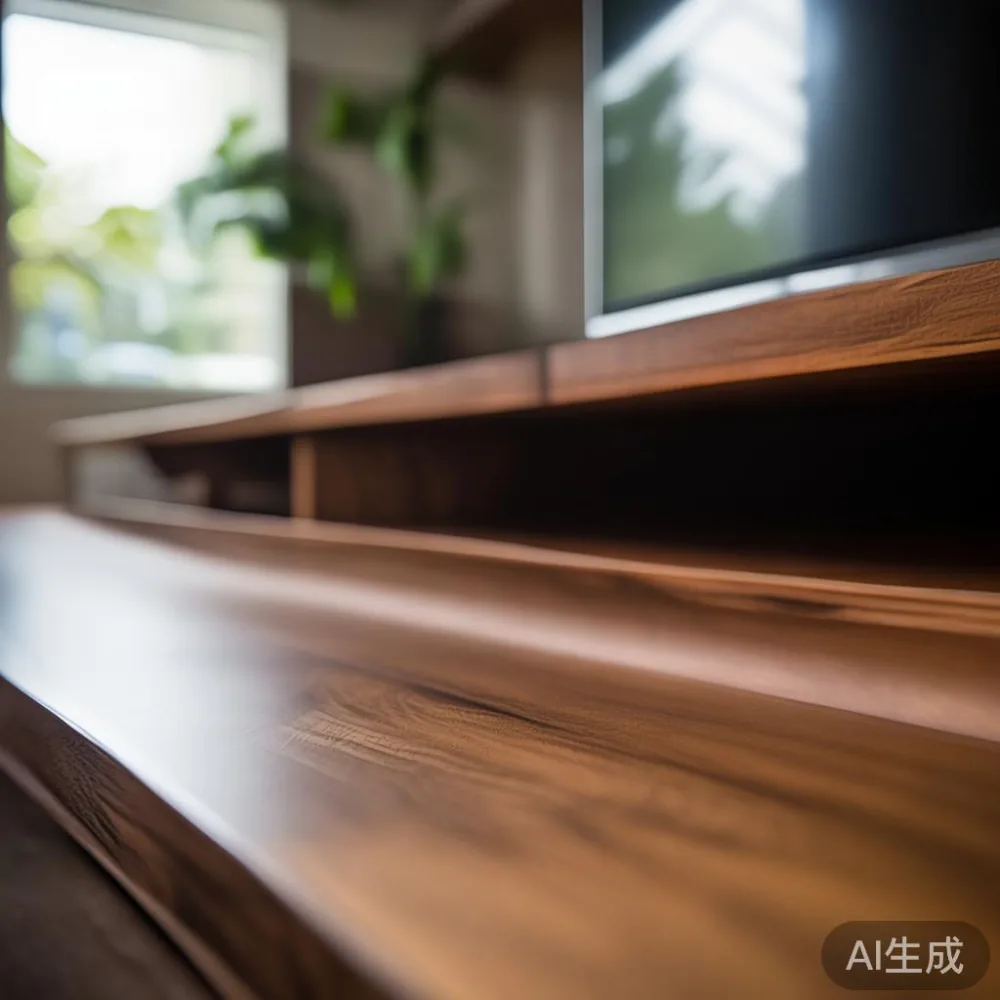
Keep the cabinet visually light by lifting it off the floor. Floating TV cabinets mounted 18–22 cm above the floor reduce the visible footprint and make floor cleaning easier — a small win for HDB owners with no helper. If you prefer legs, choose a 14–16 cm recessed leg in the same timber so the cabinet appears to float. Push the television 8–10 cm back from the front edge; this 8–10 cm setback is enough to hide HDMI leads and a soundbar without the screen looking recessed.
Avoid these three small-room mistakes: (1) flanking the TV with two tall display cabinets that climb past 180 cm — they pinch the ceiling line; (2) placing a ceiling track light 30 cm from the cabinet face — the glare ruins viewing; (3) buying a cabinet wider than 70% of the sofa, which makes the seating look cramped. A 2.1 m sofa pairs well with a cabinet between 1.5 m and 1.8 m; a 2.4 m sofa can carry up to 2.1 m.
What seating should I pair with the TV cabinet?
Choose a solid wood sofa with a low, deep profile rather than a bulky one. Frame depth between 95 cm and 100 cm gives generous seating without eating the room; back heights between 78 cm and 85 cm keep sightlines open to the dining table and to the corridor beyond. Three-seater lengths for compact HDBs fall between 200 cm and 230 cm — long enough for two adults and a child, short enough to leave 70–80 cm of walkway on each side.
For a French light luxury feel, pick a sofa with a tight linen-blend cover in oyster grey, slim walnut legs in the 14–16 cm range, and a single row of subtle piping along the arm. French light luxury reads as restraint: pale palette, gentle curves, no oversized tufting, no chrome. An American light luxury look shifts toward deeper leather tones, larger cushions, and a chunkier 18–20 cm wooden leg. A post-modern light luxury look uses mixed materials — boucle on the seats, brushed brass on the legs — but keeps the silhouette geometric, which suits compact HDBs better than curvy, baroque shapes.
Plan your seating-to-cabinet distance at 2.5 × the TV diagonal. A 55-inch screen needs roughly 2.3 m of viewing space, a 65-inch screen needs 2.7 m. In most HDB living rooms that puts the sofa 2.4–2.7 m from the TV cabinet — close enough for an immersive movie, far enough to read subtitles without eye strain. Keep a 70–80 cm gap between the sofa arm and the side wall so traffic can flow naturally past the seating.
Is French sofa furniture worth it?
Yes, French sofa furniture is worth it for compact Singapore homes if you want a calm, slightly refined look without the heaviness of traditional European silhouettes, because French light luxury uses pale fabrics, slim timber legs, and shallow seat depths that suit HDB living rooms of 14–18 square metres.
The price difference is real but smaller than people assume. A French-style three-seater solid wood sofa frame with linen-blend upholstery typically runs from SGD 2,400 to SGD 3,800 in the local market, while a comparable American-style frame in bonded leather runs SGD 2,200 to SGD 3,500. The difference of SGD 200–300 buys you a softer visual profile, which is exactly what a small room needs. Test the sofa the way I test one in a showroom: sit down, slide to the front edge, stand up without using your hands. If you can stand up easily, the seat depth (usually 55–60 cm) is right for daily use; if you have to push off the cushions, the seat is too deep and your back will suffer.
French light luxury pairs naturally with a solid wood TV cabinet in ash, white oak, or pale walnut. Avoid matching the sofa legs and the cabinet legs to the same timber — a 5–10% tonal difference reads as curated rather than matchy. If you already own a darker wardrobe, keep the sofa and cabinet in the same light timber to avoid colour clashing. A nightstand in the same timber as the TV cabinet will tie the living and bedroom zones together visually, which is a small trick designers use in compact Singapore flats.
How do I handle the dining zone in a compact HDB?
Use a 120–140 cm dining table for two to four people, with a clearance of 90 cm on every side so people can pull out chairs without bumping the wall. In a four-room HDB, the dining table usually sits 2.4–2.8 m from the TV cabinet, which doubles as a useful distance for both dining and viewing if the screen is mounted at the right height.
Choose a solid wood dining table with a pedestal base instead of four corner legs. Pedestals free up knee space on all four chairs and visually open the floor — a four-leg 130 × 80 cm table feels heavier than a pedestal of the same size. Marble table tops look striking but add weight (a 130 cm marble top weighs 75–95 kg versus 18–28 kg for solid wood) and need a stronger base; they also show ring marks from cold drinks, which is a real concern in Singapore's humid weather. A solid wood dining table with a 3–4 cm thick top, finished with a hardwax oil, takes daily Singaporean use far better and can be spot-repaired if scratched. If you love marble, consider a marble-look sintered stone top at 18–22 mm thickness — half the weight, similar look, easier to maintain.
For chairs, pick armless designs with a seat height of 45 cm and a seat depth of 40–42 cm. They tuck fully under the table when not in use, freeing 1.2–1.4 square metres of visible floor. In a small HDB, that recovered floor is the difference between feeling cramped and feeling calm. Budget SGD 1,400–2,200 for a four-seater pedestal dining table in solid ash or oak; SGD 1,800–2,800 for a six-seater in the same material.
What about the bedroom — how do I keep it calm too?
The bedroom should echo the living room's logic: low profile, light timber, breathable clearances. A solid wood bed frame between 160 cm and 180 cm long (queen) sits well in a three-room HDB master bedroom of about 12–14 square metres; a king (190 cm) needs at least 14 square metres with 60 cm of clearance on the long sides and 90 cm at the foot.
Pick a bed frame with a headboard between 95 cm and 105 cm tall — anything taller than 110 cm starts to dominate the wall, and anything shorter than 90 cm offers no real back support for reading. The platform height (top of mattress) should land at 45–55 cm from the floor for ergonomic sitting and standing. A solid wood bed frame in ash or oak weighs 45–75 kg depending on size, so confirm the bedroom door (standard HDB bedroom door is 800–900 mm wide) and corridor before delivery. Avoid storage drawers on both sides if the bedroom is tight; drawers need 55–60 cm of pull-out clearance, which steals the walking lane.
The nightstand should be within arm's reach of the bed — 35–45 cm from the mattress edge. A 45 × 40 cm nightstand in the same timber as the TV cabinet and the dining table creates a calm visual rhythm across the flat. Avoid nightstands so an upholstered headboard looks excessive; the wood-on-wood rhythm is what carries the room.
For wardrobes, plan your wardrobe delivery singapore hdb timeline around the lift, the corridor, and the turn into the bedroom. A standard 3-door wardrobe is 180 cm wide, 60 cm deep, and 200–220 cm tall, weighing 90–140 kg in solid timber. That weight matters in HDB blocks where the lift is 800 mm wide; the wardrobe panels must ship knocked-down and be assembled in the bedroom, not carried in fully built. Confirm with your furniture house whether on-site assembly is included (some charge SGD 80–150) and whether the team will move your old pieces to a disposal room. A good wardrobe in solid wood runs SGD 1,800–3,200 in the local market, with sliding-door versions saving 8–12 cm of swing clearance compared to hinged doors.
How much should I budget for a calm small-room setup?
For a complete four-piece solid wood set — TV cabinet, sofa, dining table, and bed frame — in a compact HDB, plan SGD 6,500–10,500 before wardrobes and nightstands. The pieces in this band typically last 12–18 years in Singapore's climate with annual care.
Here is a sample budget I worked through with a couple in Tampines last month for a four-room HDB of about 92 square metres:
- Solid wood TV cabinet (180 cm, ash, two drawers, two doors): SGD 1,400–1,900.
- Solid wood sofa (three-seater, French light luxury profile, linen-blend cover): SGD 2,400–3,200.
- Solid wood dining table (130 × 80 cm, pedestal, four armless chairs): SGD 1,600–2,200.
- Solid wood bed frame (queen, low platform, headboard 100 cm): SGD 1,100–1,700.
- Two nightstands (45 × 40 cm, matching ash): SGD 400–600 for the pair.
- 3-door wardrobe (180 cm, sliding doors, ash): SGD 1,800–2,400.
Add 7% GST to every line, plus delivery (most pieces ship free over a minimum order; below that, expect SGD 80–150 per delivery), and a buffer of SGD 300–500 for assembly and small accessories — picture lights, a 70 × 45 cm marble table for the tray-and-keys zone, a slim floor lamp.
Total landed: roughly SGD 8,500–12,500, depending on the tier of upholstery and the size of the wardrobe. That sounds like a wide range because it is — the difference between a French light luxury linen sofa and an American light luxury leather sofa is real money, and so is the difference between a 3-door and a 4-door wardrobe.
How do I avoid crowded sightlines in the long run?
Follow three rules I share with every small-room client: keep the tallest piece on the shortest wall, keep the TV cabinet lower than the dining pendant, and keep every walkway at 60 cm minimum. A 45 cm TV cabinet under a 65 cm sofa back under a 110 cm ceiling-to-pendant light reads as a layered, breathable composition. Reverse the order — tall cabinet, low pendant — and the room feels top-heavy.
Stick to two timbers across the whole flat. Three timbers in a 65-square-metre flat looks busy and reads as crowded even when the floor is empty. A pale timber (ash, white oak) for the TV cabinet, bed frame, dining table, and nightstands, plus a slightly darker timber for one accent piece (a console, a picture frame, a tray), keeps the eye calm. Skip the matching-laminate look that dominated HDBs in the 2000s — solid wood ages well, develops a patina, and can be sanded back when scratches appear.
Finally, leave 30% of the visible floor empty. If 30% feels impossible, you have bought too much furniture. Edit ruthlessly: the second side chair, the second tall plant stand, the second console table — each one costs you roughly 0.3–0.5 square metres of breathing space, which is the difference between calm and crowded in a small HDB. The flat in Punggol that inspired this article ended up with 31% visible floor after the edit, and the couple reported the room felt 18% larger even though the square-metre count had not changed.
Quick checklist you can use on delivery day
Measure the lift door (most HDB lifts are 800 mm or 900 mm wide), the corridor turning radius, and the bedroom door before the truck arrives. Have painter's tape on hand to mark the TV cabinet's position on the wall — 150–210 cm wide, 45 cm tall, 40 cm deep — and live with the tape outline for 24 hours. If the outline feels right, place the order; if it feels heavy, drop 20 cm from the width or move the position 30 cm to the left or right.
Confirm the warranty terms in writing. A 10-year structural warranty covers frame and joint integrity; a lifetime refinishing offer covers surface scratches for a small fee (often SGD 80–180 per piece). Free shipping over a sensible order threshold — many regional furniture houses set this around SGD 350 — saves you SGD 80–200 per delivery. A 14-day return window gives you a week to live with the pieces and decide. These three numbers — 10 years, lifetime refinishing, 14 days — are the kind of small print that separates a thoughtful furniture house from a generic one.
One last word on care. Singapore's humidity sits at 70–85% most of the year, so run a dehumidifier in the bedroom for 4–6 hours daily and keep the wardrobe 5 cm off the back wall for airflow. Wipe the TV cabinet and dining table weekly with a damp (not wet) microfibre cloth and a tiny drop of wood soap. Avoid placing hot pots directly on the dining table — use a trivet. Avoid placing the TV cabinet in direct afternoon sun — a west-facing window in a Punggol flat can bleach timber in 18–24 months.
Styling a small HDB or condo is less about buying less and more about buying pieces that respect the room's geometry. A TV cabinet scaled to 60–70% of the feature wall, a bed frame that respects the lift's clearance, a wardrobe delivered within the family room's turn radius, a dining table on a pedestal that frees four chair sides, a nightstand that ties the living and bedroom zones — these choices compound. The same square-metre count can feel like 70 square metres or 90 square metres depending on the proportions, and the numbers above are the ones I use to make the bigger number happen.