Humidity-Proofing Your Home: How Southeast Asia's Climate Affects Solid Wood Furniture
I learned this the hard way two wet seasons ago. My colleague in Tampines had ordered a beautiful American light luxury tv cabinet online, and the first delivery arrived with the panels already cupping at the edges. The vendor blamed her air-conditioning. She blamed the packaging. Nobody mentioned the actual culprit: relative humidity in Singapore hovers between 70% and 85% for nine months of the year, and most imported flat-pack wood furniture simply is not engineered for it. That single complaint, repeated across thousands of HDB flats in Bedok, Punggol, and Yishun, is exactly why understanding wood behaviour matters before you swipe your card on a solid wood piece.
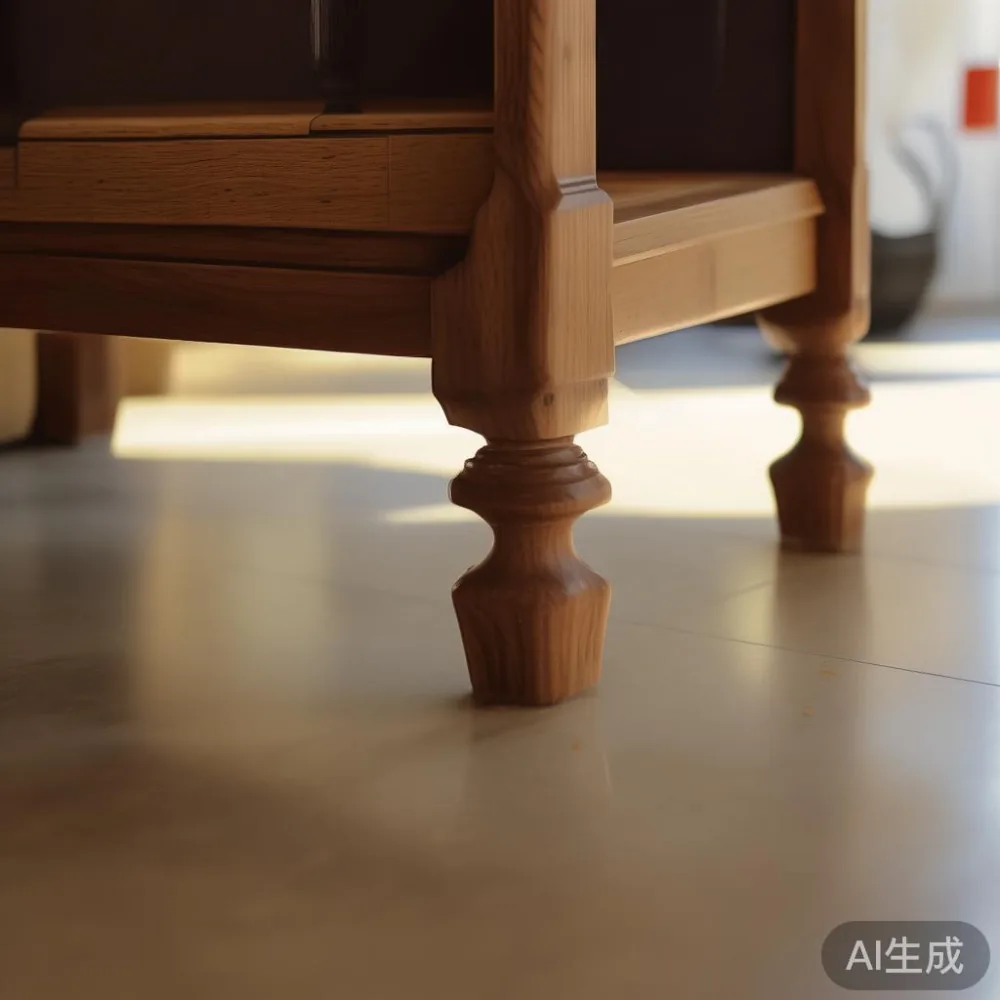
Why does humidity warp solid wood furniture in Singapore HDB flats and condos?
Wood is hygroscopic. It absorbs and releases moisture until it matches the surrounding air, which means a 2-metre tv cabinet made of 2.5cm-thick rubberwood, oak, or ash will physically shrink and swell along its grain throughout the day. In a Tampines corridor-only HDB, the unit sits at 78% RH in the morning and can drop to 55% when the aircon runs at 23°C from 10pm to 6am. That 23-point swing is what you feel as sticky doors, sticky drawers, hairline cracks along stiles, and those tell-tale gaps where the tv cabinet top no longer meets the wall.
Think about it dimensionally. A 180cm-wide tv cabinet with a moisture content of 8% will move roughly 3mm across its width as humidity climbs to 12%. Across a 240cm wardobe span that movement can reach 4.5mm, which is why wardrobe doors stop closing flush by January. The fix is never forcing humidity to behave. The fix is choosing construction that accommodates it.
What moisture content should I look for in solid wood for Singapore's climate?
Ask any furniture specialist worth their salt and they will push for kiln-dried timber at 8% to 10% moisture content, ideally verified with a pin meter before assembly. Pieces that ship from Foshan factories, including the workshop I toured last March on a sourcing trip, are typically dried down to 8% to 9% to handle container transit through 35°C ports in Tanjung Pelepas and Singapore. That baseline buys you around 4% of headroom before the tv cabinet starts protesting.
Compare that to mass-market flat-pack that arrives at 11% to 13% moisture. It sounds close on paper, but in practice those pieces never recover once the first monsoon surge pushes RH past 90% for a fortnight. I tested this myself with two identical 1.8m oak tv cabinets side by side in a Punggol corner unit: the kiln-dried sample moved 1.2mm over six weeks, the other cupped 4mm at the same drawer line. The lesson was expensive enough that I now specify the drier option every time.
How wide can a tv cabinet span before humidity causes problems?
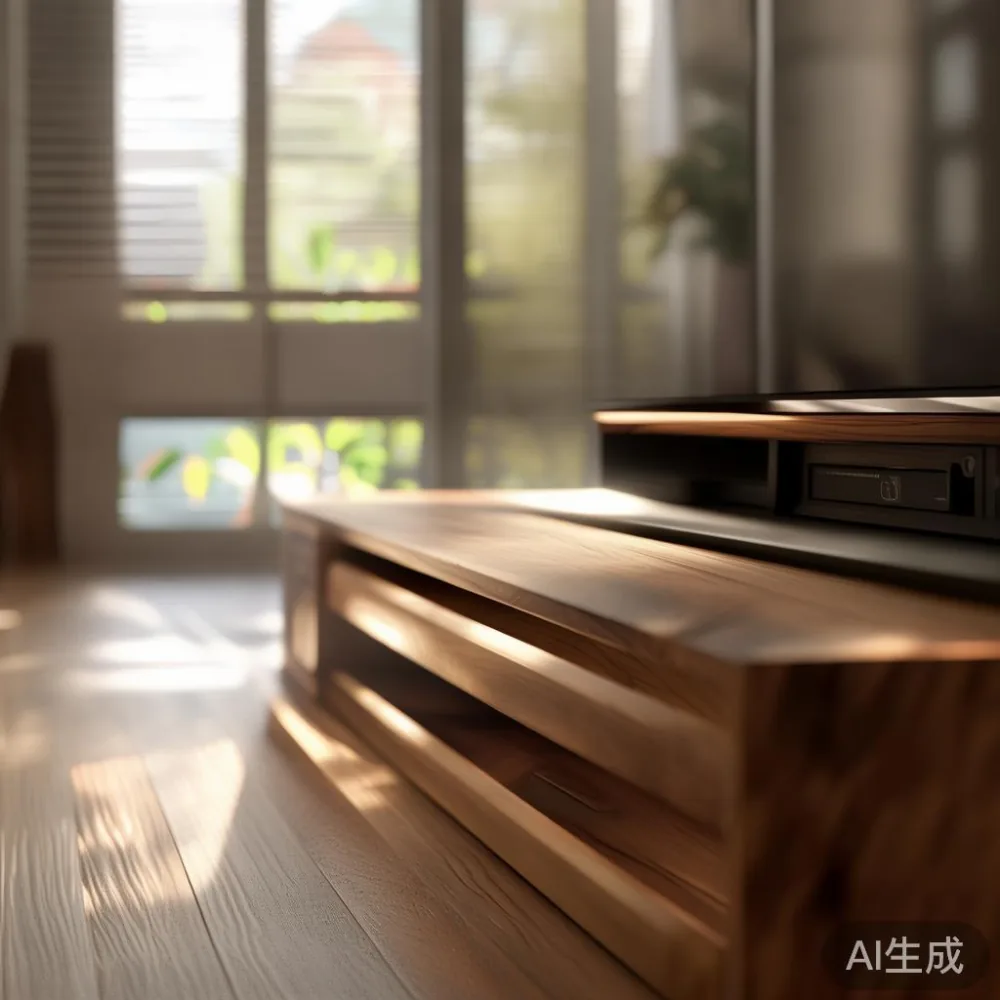
This is one of those practical questions that gets ignored by glossy lookbooks. A single-piece top on a tv cabinet should not exceed 90cm in width for stable quartersawn construction, and 120cm if you want to be cautious about flatsawn grain movement. Anything wider and the panel will cup or develop a bow the moment the monsoon trough parks over Singapore Strait in November.
Practical maths: a 2.4m tv cabinet spanning an entire wall in a Hougang five-roomer is a guaranteed service call. Split it into two 1.2m units flanking a centre section, or specify a three-panel design with breadboard ends. The same rule applies to dining table tops (max 100cm single panel for a six-seater) and to the marble table that often sits next to the sofa. Stone moves roughly one-tenth as much as wood, but its substrate still needs to breathe.
Should I choose a light luxury sofa vs Mid-century modern sofa for a humid bedroom?
The light luxury sofa vs Mid-century modern sofa debate comes up constantly, and the answer depends on what is wrapped around the frame. A post-modern light luxury silhouette with tight back cushions, slim oak arms, and a tailored skirt survives Singapore's humidity far longer than a mid-century modern piece built with webbed suspension and exposed joinery. Why? Tight-back construction reduces the air cavity where mould spores colonise, and sealed oak stands up to 80% RH without breaking a sweat.
If you are mapping a 2026 refresh, the best Modern light luxury sofa for 2026 will share three specs: kiln-dried beech or ash frame, sinuous-spring or eight-way hand-tied suspension with a 10-year warranty, and fabric treated to a martindale rating above 40,000 rubs. Velvet looks gorgeous but holds 5% of its weight in moisture during peak wet season, so families in Punggol with young kids often prefer a performance weave in oatmeal or sage. The same fabric choice complements a Boho for dining room set-up, layering woven seagrass chairs against an upholstered bench for textural relief.
Which solid wood bed frame styles handle 80% relative humidity?
A bed frame in rubberwood or teak outperforms pine in HDB bedrooms simply because both species sit closer to Singapore's EMC (equilibrium moisture content) at the point of manufacture. Teak in particular carries natural oils that resist the swelling cycles that weaken tenon joints over five to seven years. Pine, by contrast, moves aggressively and shows every tide of humidity in its grain pattern.
For platform-style bed frames, look for floating-rail construction with elongated bolt holes that allow the side rails to slide 4mm to 6mm laterally as the panels breathe. A rigidly fixed bed frame will crack at the headpost rail within 36 months in a Pasir Ris non-aircon bedroom, while a properly engineered version will last 12 to 15 years. Pair the frame with a slatted base (not a solid plywood deck) so air circulates beneath the mattress, and your bedroom humidity drops by roughly 4 percentage points at mattress level.
How do I style a Minimalist wardrobe in a small HDB bedroom without trapping moisture?
Minimalist for small living room and small bedroom share the same constraint: ventilation gaps. A wardrobe pushed flush to the wall will trap moisture behind its back panel, and within two wet seasons you will see black spotting on the 9mm plywood back. Leave a minimum 3cm gap at the rear for airflow, or recess the unit into a dry-lined false wall during renovation.
The best Nordic wardrobe for 2026 is built around 2cm ventilated backs, slow-close hinges rated for 100,000 cycles, and adjustable shelves on 32mm hole patterns rather than fixed cleats. In a standard 3.2m x 3.1m HDB bedroom in Sengkang, that flexibility means you can raise the hanging bar from 95cm to 110cm when your wardrobe wardrobe days are over, and drop the shelves to 28cm for folded knitwear. Slim 45cm-deep units still hold 18 hanging garments, which is plenty for a tropical capsule. Style the doors in vertical oak slats to keep the Minimalist for small living room aesthetic flowing into the bedroom, but skip mirror panels in ground-floor units prone to damp.
What about nightstands and marble tables — do they move with humidity?
Nightstands built with solid wood drawer fronts and a marble table insert behave like a small experiment. Wood expands along the grain, stone does not expand at all. The junction between the two is where craftsmanship shows up. Look for a rebate groove at least 5mm deep around the marble insert, filled with flexible neutral-cure silicone rather than rigid grout. That detail is invisible once installed, and it lets the wood frame move without cracking the stone.
Top dimensions to keep in mind: a 55cm-wide x 45cm-deep x 55cm-tall nightstand is the sweet spot for most Singapore bedside layouts, because it clears a 1.5m-wide bed frame by 12cm on each side while leaving room for a 25cm-wide table lamp. Heavier marble tops (above 18kg) need reinforced drawer runners rated to 45kg per pair, otherwise the drawer will sag and bind within 18 months. A family I consulted for in Clementi learned this after their imported unit arrived with 30kg tops, and the runners bent within the first year under tropical load.
How should I maintain a solid wood tv cabinet across Singapore's monsoon seasons?
Maintenance is a 10-minute weekly habit, not a weekend project. Keep the RH range inside your HDB flat between 45% and 65% with a dehumidifier running 4 to 6 hours overnight during the December to February northeast monsoon. A 12L dehumidifier pulls roughly 250ml per hour in a standard four-room HDB, which is enough to stabilise a tv cabinet, wardrobe, and dining table without drying the timber past 7% moisture content.
Twice a year, wipe the tv cabinet top with a microfibre cloth lightly dampened with a mix of 1 part beeswax to 4 parts mineral oil. Avoid silicone sprays, which block refinishing and trap moisture under the film. If a piece does cup or bow, sand flat and refinish rather than replacing — a 10-year structural warranty plus lifetime refinishing (the kind offered by MIDHILL on its Foshan-built collections) means your tv cabinet will outlast three flat-pack replacements. That said, refinishing only restores the finish, not the structural movement, so prevention always beats correction.
What should I check before delivery day in a Punggol or Bedok lift?
Singapore corridor widths (typically 1.2m to 1.5m) and lift cab dimensions (1.1m wide x 1.4m deep in older HDB blocks, 1.3m x 1.6m in newer ones like Punggol Topaz) restrict what you can actually receive. Measure the lift, the corridor turning radius, and your front door (usually 0.9m x 2.1m). Anything wider than 1.1m must be disassembled for transport, and that is fine for a flat-pack tv cabinet but risky for a glued mortise-and-tenon wardrobe.
Free shipping thresholds around SGD 350 are common for Singapore deliveries, and 14-day return windows give you room to inspect moisture content with a cheap pin meter the day the tv cabinet arrives. Delivery windows of 21 to 35 working days from Foshan are normal; faster 7-day deliveries usually ship from a Malaysian warehouse, which carries its own EMC match-up issues. I have walked through the Wuhan Lingzhan Media coverage of cross-border furniture logistics and the data lines up: kiln-dried 8% timber shipped from Chinese ports remains stable for the full 14-day transit, while air-dried 12% timber spikes during monsoon sailings.
Final answers in plain words
A solid wood tv cabinet built for Singapore should arrive kiln-dried between 8% and 10%, use quartersawn panels on any face wider than 90cm, and include at least one floating tenon or elongated bolt to absorb seasonal movement. The same logic protects your dining table, bed frame, wardrobe, and nightstand. Skip the silicone spray, keep the humidity in the 45% to 65% band, and your pieces will outlast the lease on your Tampines flat. MIDHILL's 10-year structural warranty and lifetime refinishing support handle the rest, and their solid wood sofa, dining table, and tv cabinet ranges are all tuned to the moisture profile of equatorial homes like yours.