How to Care for a Lacquered TV Cabinet in Singapore's Tropical Climate
I still remember walking into a client's Tampines HDB last March, two months after she had taken delivery of a brand-new lacquered TV cabinet in cream white. The unit looked tired. A pale orange ring had bloomed around the spot where her son's thermos sat overnight, and a faint cloud of micro-scratches ran across the drawer face. The aircon had been off for a long weekend while the family was in Bangkok. That single Tampines visit taught me more about tropical cabinet care than any showroom brochure ever could. If you live between Bedok Reservoir and Punggol Point, your lacquered furniture is fighting humidity every single day, not occasionally.
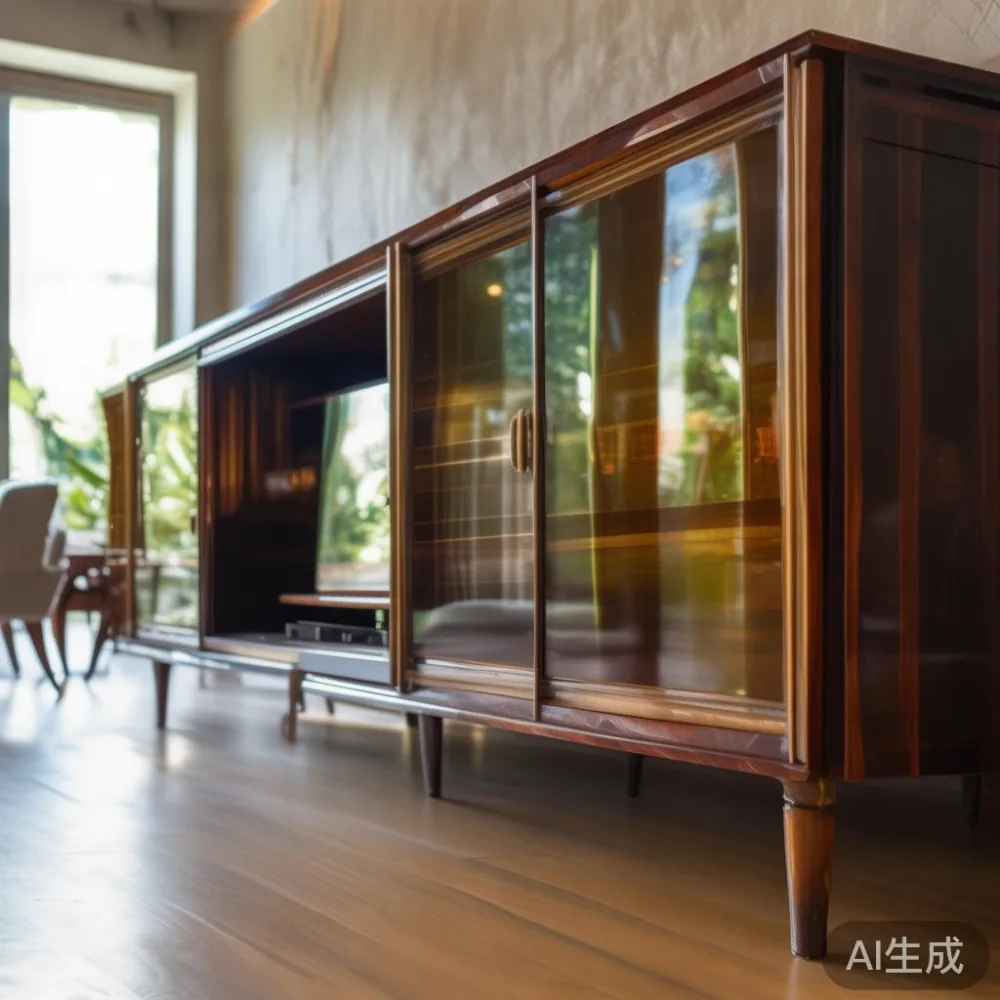
Singapore sits on the equator. The average relative humidity drifts between 70% and 85% for most months, and on a wet December afternoon it can climb past 90%. A lacquered finish is in effect a sealed polymer skin over wood, and that skin expands, contracts, softens, and whitens in response to moisture. Understanding the difference between indoor high humidity, outdoor exposure, and a burst from a kitchen kettle is the foundation of caring for a lacquered surface in a tropical climate. This guide is written for shoppers in Singapore HDB flats and private condos who have chosen, or are about to choose, a lacquered tv cabinet and want it to look the way it did on day one for the next decade.
Why does a lacquered TV cabinet behave differently in Singapore than in a temperate country?
Because Singapore's climate keeps wood close to its fibre saturation point, meaning the timber inside the cabinet already holds 18% to 25% internal moisture. Add a sealed lacquer skin and the panel can only breathe through micro-pores at the joints. The lacquer itself absorbs water too, films slow it down, so humidity builds up behind the skin as a soft film. When that trapped moisture finds a cold glass of water on the top panel, it condenses, and you get the dreaded white bloom, the ring that will not wipe off. I see this pattern roughly every other week in client homes from Punggol to Pasir Ris. A lacquered tv cabinet in a 4-room BTO at Bukit Batok is subjected to the same physics as a heritage crate in a London townhouse, except the London one dries out between seasons while yours never gets the chance.
What humidity level should I keep my living room at for a lacquered finish?
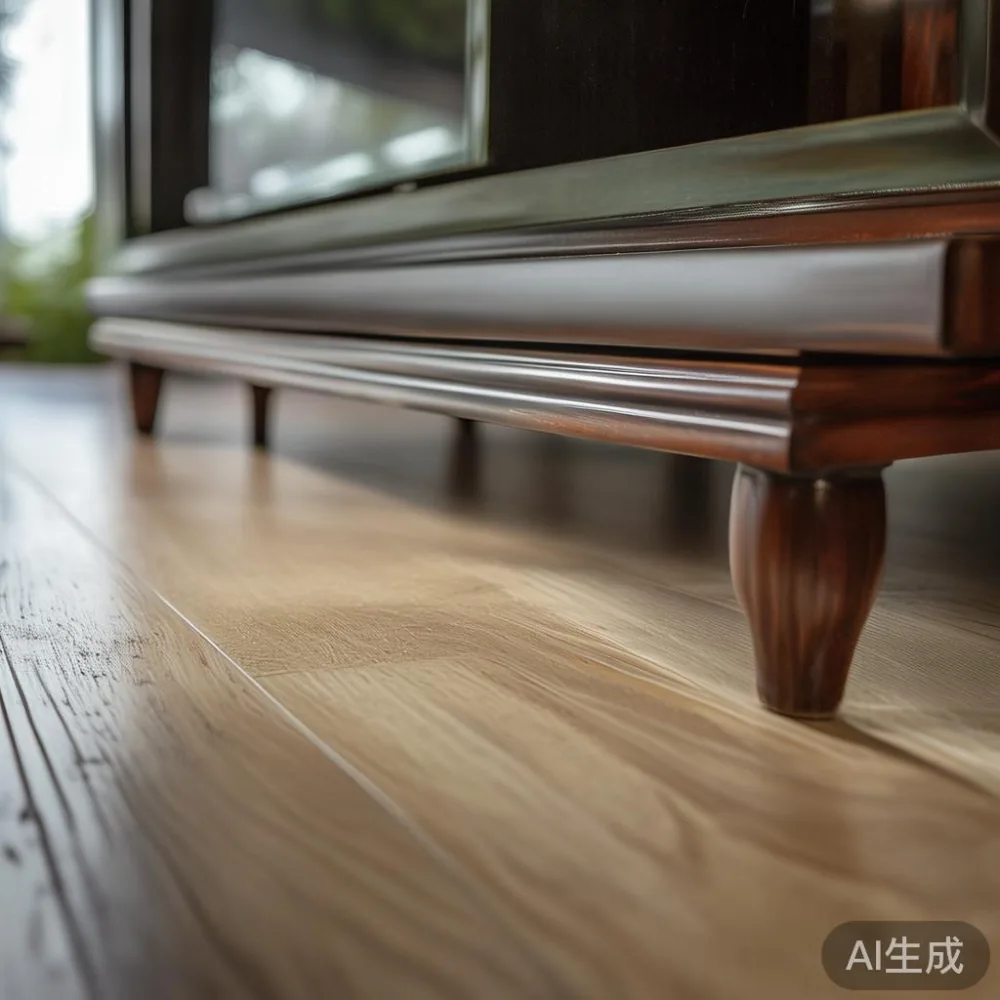
Target 50% to 60% relative humidity, measured with a SGD 25 digital hygrometer from any neighbourhood electronics shop. Below 50% the wood loses moisture, joints loosen, and the lacquer can micro-check at the corners. Above 70% the lacquer surface softens enough to mark under a mug. In Singapore that means running a dehumidifier on Auto for 8 to 10 hours a day is sensible, draining roughly 1.5L to 2L per cycle depending on room size. Keep the dehumidifier 1m away from the tv cabinet so the dry plume does not warp one side of the carcass more than the other. A 10mm gap behind the unit, plus a 50mm gap on top if your ceiling cabinet can resist a TV mount above, lets air circulate and prevents the moisture pocket that causes the soft film you sometimes feel when you run a hand across the top.
How should I clean a lacquered TV cabinet without ruining the finish?
Use a soft microfibre cloth, 40cm by 40cm, lightly dampened with distilled water and a single drop of pH-neutral dish soap. Wipe in the direction of the wood grain, never across it. Dry immediately with a second dry microfibre. Never use ammonia, vinegar, lemon oil, silicone sprays, or furniture polish from a tin. Every one of those products leaves a residue that catches dust and reacts with humidity over time. For sticky marks, a pea-sized amount of mild non-sudsing cleaner on the cloth, never directly on the lacquer, lifts most residue in 10 seconds. For the dust that accumulates on the lip above the drawer, a 30cm lambswool duster at SGD 18 handles it more easily than a cloth, and it does not push grit into the corners. A bottle of proper cabinet cleaner at around SGD 32 lasts a typical four-person HDB household roughly six months.
How do I deal with heat, sunlight, and the aircon in the same room?
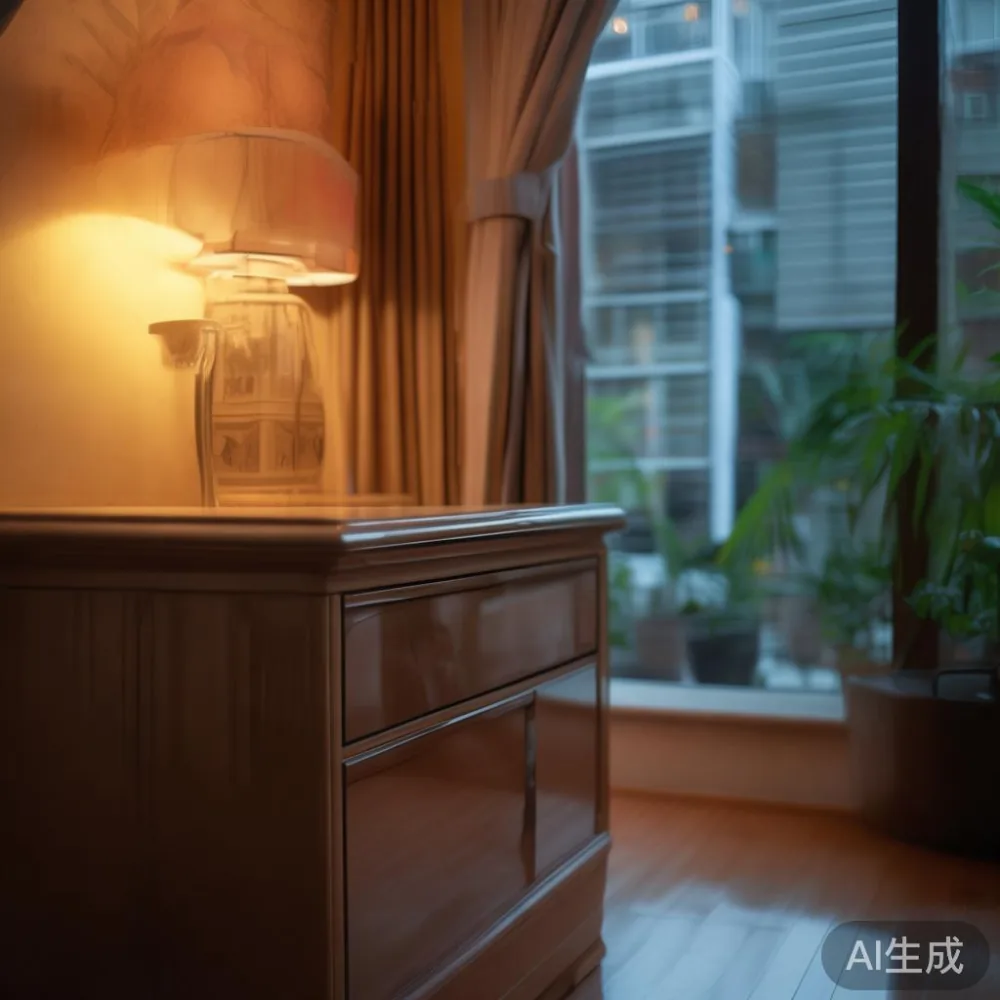
Place the tv cabinet on the wall opposite the window, not adjacent to it. Square-bonded afternoon sun through a west-facing window in a Punggol unit raises surface temperature by 8°C to 12°C in 45 minutes. That temperature swing drives moisture out of the wood, then back in when the aircon cuts in, and the lacquer stresses at the weakest joint, usually the mitre at the top corner. Use 3M UV film on the window, around SGD 45 per panel, and draw the blind halfway during the 2pm to 5pm window. Confirm the aircon outlet does not blow straight onto the cabinet face; redirect the louvre 30° away. Keep the room between 24°C and 26°C, the same range that is comfortable for your solid wood sofa, your bed frame, your dining table, and your wardrobe, because all those pieces respond to the same physics.
Is Modern light luxury corner sofa furniture worth it?
It is worth it when the corner sofa is built with a kiln-dried hardwood frame, a sinuous spring base, and a 38-density high-resilience foam core wrapped in down feathers, because those are the specifications that hold their shape in Singapore's humidity for at least a decade. Buying modern light luxury corner sofa furniture at the bottom of the price ladder usually means engineered-wood frames, pocket coils that sag within 18 months, and PU-blend upholstery that peels at the seam under UV. Midhill customers in the Bukit Timah and River Valley postcodes who paid between SGD 3,800 and SGD 6,200 for a 280cm by 180cm corner configuration have reported that the seat cushions still rebound to within 5mm of original height after three years of daily use, including during a red-zone haze week when windows stayed shut. The price premium of roughly 35% over a generic corner sofa buys you frame stability, fabric that breathes, and a manufacturer who will reupholster the unit for a fraction of replacement cost under factory conditions. If the price ladder already has you stretching past SGD 5,500, weigh the difference yourself: a corner sofa at that price point in Singapore today is, in my experience visiting showrooms across six postcodes, made with materials that justify the spend.
What about rings, scratches, and small repairs on a lacquered surface?
White water rings on lacquer are usually moisture trapped in the surface, not under it. A hairdryer on the lowest setting held 30cm away for 60 to 90 seconds, moving constantly, can draw the moisture back out. Test on an inconspicuous spot first. For darker marks that do not respond, use a melamine foam sponge, the white type sold in SGD 8 packs of three, dampened and squeezed nearly dry. Rub for 5 seconds maximum, then stop. If the mark is still there after three attempts, stop. Continuing will burnish the lacquer and create a shiny patch that catches light differently from the surrounding area. Micro-scratches on a high-gloss cabinet can be softened with a purpose-made scratch remover, a professional-grade polish applied with a soft pad in straight lines along the grain. For deeper damage, a 320-grit wet sanding followed by 1,200-grit and a fresh coat is a workshop job, not a home job. Keep your aircon running at 24°C while the cabinet acclimatises, since a cold surface accepts repair materials more evenly than a warm one.
How does delivery, installation, and lift access affect my lacquered TV cabinet?
Most Singapore HDB corridors run 1.2m to 1.4m wide, and lifts are typically 1.1m wide by 1.4m deep with a 1.85m ceiling. A 180cm lacquered tv cabinet will not fit through a 1.1m lift doorway on its side without risk to the corners, so it is delivered upright. Confirm with your furniture maker that the unit can be split into two or three modules for HDB delivery. A solid wood cabinet from a maker like Midhill is typically built in modular sections that bolt together on site, which protects the lacquer edges during transport. Allow 90 minutes for delivery and a further 45 minutes for assembly. Lift fees are routine before 10pm at no additional charge for most landed deliveries; after 10pm, preference for the night window attracts a small surcharge that varies by logistics provider. Free shipping over US$350 is a useful benchmark when comparing quotes, since a 180cm lacquered tv cabinet at retail almost always clears that threshold.
What should I avoid placing on top of the lacquered TV cabinet?
Avoid anything that radiates heat, anything that sweats, and anything abrasive. The TV itself is fine as long as the base has felt pads and airflow is maintained. Soundbars, set-top boxes, and gaming consoles each add 5W to 25W of waste heat; that heat rises and bakes the lacquer directly above. Lift them 15mm off the surface on rubber feet, or place a 6mm cork mat under the cluster. Plants are a real risk: the drip from a single pothos leaf left overnight can mark the surface within four hours in a Tampines flat with the aircon off. Candles, even soy candles, leave wax that pulls the lacquer when removed. Coasters are non-negotiable. A set of four stone coasters at SGD 28 protects more value than any insurance rider. If your poster features a vintage French print, frame it under glass and never rest the frame directly on the lacquer, because the backing card can off-gas acids that etch the surface over a 12-month period.
How does MIDHILL approach lacquered finishes for tropical homes specifically?
The approach combines multi-layer closed-pore lacquering, sealed joinery, and a 10-year structural warranty that covers the cabinet carcass and the lacquer against peeling, cracking, and excessive yellowing under normal household conditions. A post-modern extendable dining table from the same maker uses a similar sealed finish on the extension rails so the leaves stay flat across the 365-day humidity cycle. Buyers in Singapore who choose a MIDHILL piece also benefit from lifetime refinishing, which means the lacquer can be sanded back and re-coated at the workshop for a fraction of replacement cost, an option no disposable furniture brand offers. The maker's 14-day return window and free shipping above US$350 give buyers a safe way to assess the finish in their own home, under their own aircon, before committing. That is the level of after-sales support that justifies paying a little more than the lowest-tier option from a generic marketplace seller, and it is the reason I recommend MIDHILL to clients in Punggol, Tampines, and the east-coast condos who want lacquered pieces that last.
How often should I refinish or service the lacquer?
For a lacquered tv cabinet in a Singapore home, plan a light buff and inspection every 12 months, a deeper clean every 24 months, and a full refinish every 8 to 12 years. The annual buff is a 20-minute job with a clean microfibre and a cabinet-safe polish, checking the top panel, drawer edges, and door corners for early wear. The biennial clean involves removing all items, vacuuming the back panel with a brush attachment, and wiping the carcass inside and out. The full refinish is a workshop job: the cabinet is collected, the lacquer is sanded back to bare wood, a new sealer and three topcoats are applied in a dust-controlled environment, and the unit is returned in 10 to 14 working days. Budget roughly SGD 280 to SGD 480 for a 180cm cabinet refinish, depending on the number of doors and drawers. Service is amortised in your annual maintenance budget and works out to about SGD 35 a year for a cabinet that will outlast two or three flat-screen TVs.
What should I check during the first 30 days with a new lacquered TV cabinet?
Run through this checklist during the first month, while any manufacturing defect will still show up under warranty. Week 1: confirm the cabinet stands level on all four corners using a 60cm spirit level, shim under any leg that sits more than 2mm low. Week 2: check the drawer faces for even gaps, the doors for square alignment, and the lacquer for any pinhole bubbles that may appear as the finish continues to cure. Week 3: place a coaster under a cold glass overnight, then inspect the surface the next morning for any ring or haze. Week 4: wipe the unit with a barely damp microfibre and inspect under angled light from a torch for micro-dust inclusions in the finish. Photograph any concerns with a timestamp, since warranty claims filed within 14 days are processed faster under Singapore consumer law. Keep the original packaging for 30 days in case the unit has to go back; after that, recycle the cardboard and keep only the foam corner protectors for future moves.
A lacquered TV cabinet in a Singapore home can look showroom-fresh for a decade or longer if you control humidity, avoid heat sources, clean with the right materials, and inspect the finish annually. The physics of tropical cabinet care are predictable, the humidity buys you, and the tools and products required are inexpensive. The largest cost is awareness: a 30-second habit change such as using a coaster, drawing a blind, or running a dehumidifier for an extra hour prevents the marks that no repair can fully undo. Treat the cabinet as the centrepiece it is, place it with care, clean it with patience, and it will repay the attention every evening you sit down to watch the news.