Matching a TV Cabinet and Furniture to a Warm Minimal Interior
Walking into a Tampines 4-room HDB flat last month, I noticed something my client had done right without quite knowing why. The off-white walls, the oak-tone floor, and the matte black handles on the tv cabinet all spoke the same quiet language. Nothing shouted, nothing fought. The room felt warmer than its 92 square metres had any right to feel. That visit pushed me to write this guide for Singapore homeowners who want a warm minimal interior but worry it will read cold, flat, or worse, like a showflat from 2015.
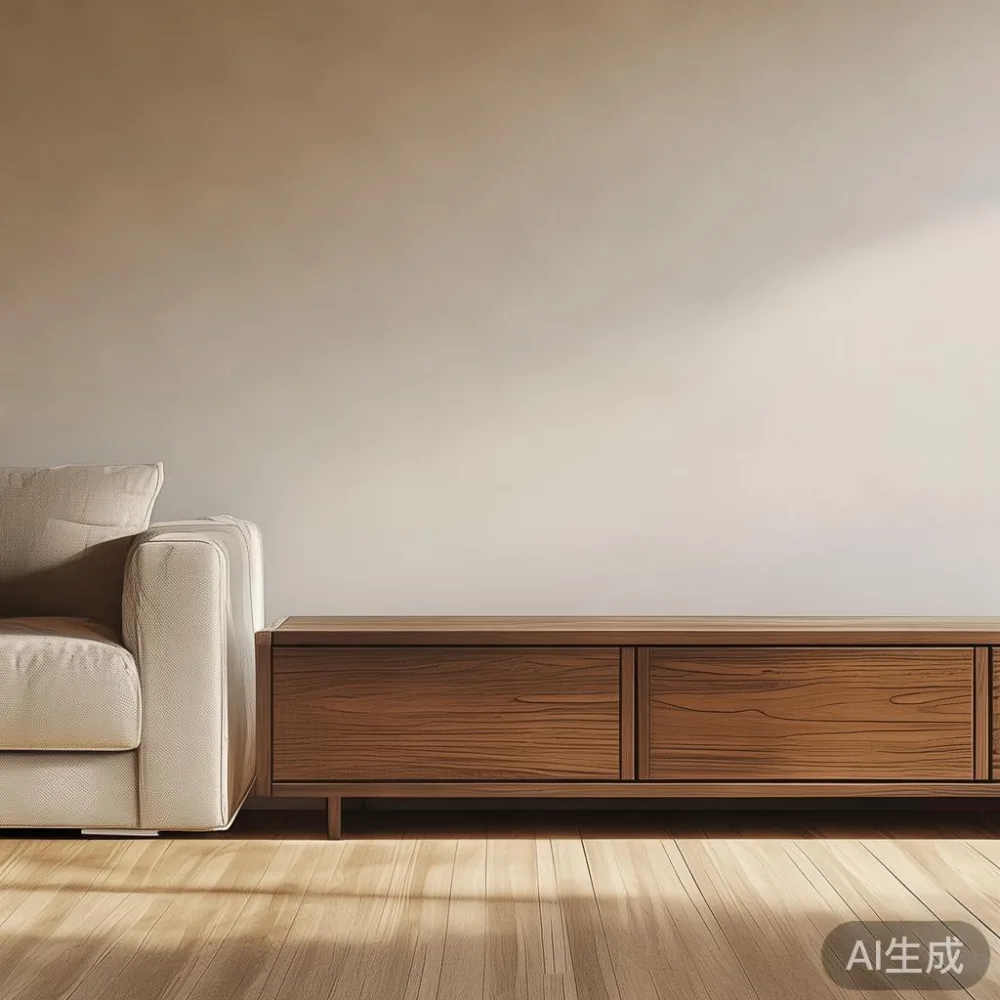
Warm minimal is a tightrope. Strip too much out and you get a catalogue spread. Add too much and you lose the calm. The furniture you choose — especially the tv cabinet, which anchors the living room — has to carry most of the weight. Below is how I walk clients through the decisions, with measurements, Singapore-context prices in SGD, and a few pieces I have personally tested or seen on site.
What actually counts as a warm minimal interior in a HDB or condo?
Warm minimal is not the same as Scandinavian, and it is certainly not the same as Japanese Muji. It borrows the restraint of both and adds a creamy undertone — think off-white walls in shades like Jotaro White 9202 or Nippon Paint B701, oak or warm-walnut flooring, and one or two pieces with curved edges. In a typical Singapore context, you are usually working with a living room of 14 to 22 square metres once you subtract the 60 to 90 cm walkway behind the sofa.
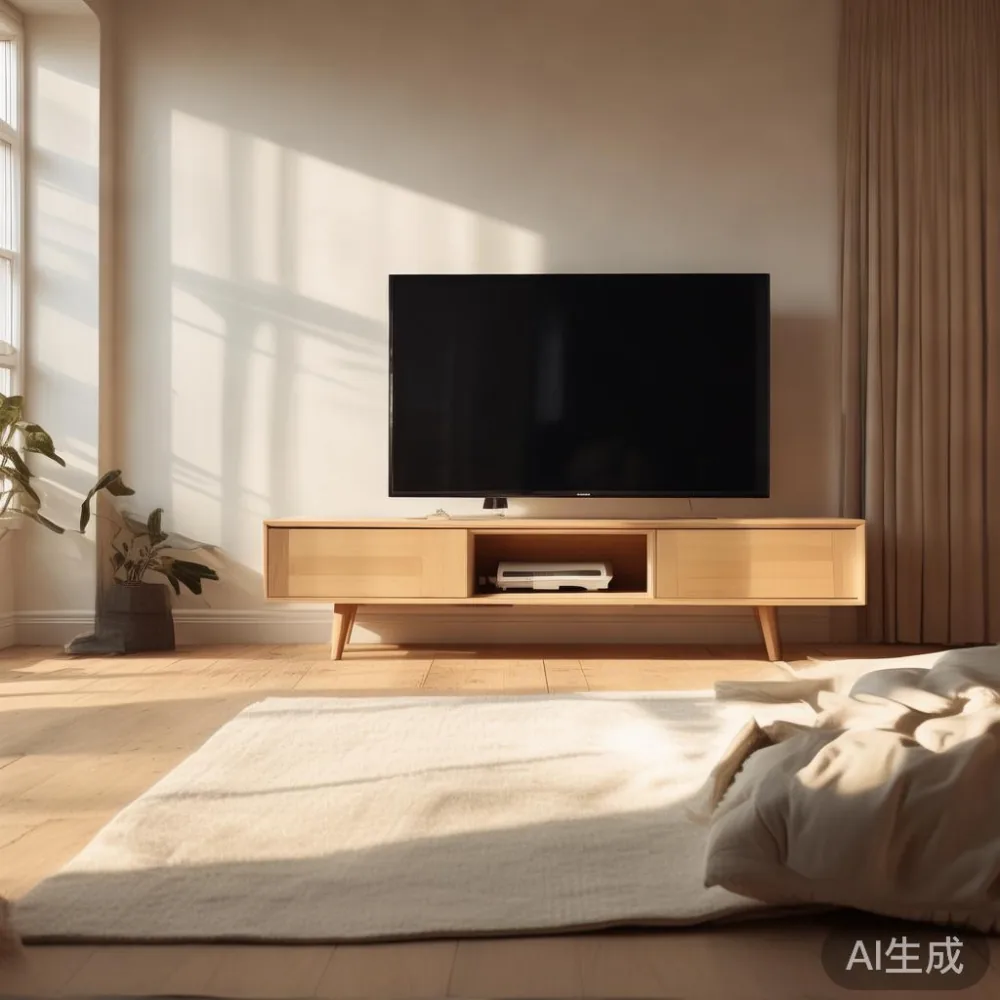
The three rules I give every client are: only one wood tone per room, only two metal finishes in sight at any time, and at least one tactile texture per quadrant of the room. A boucle throw, a ribbed ceramic vase, a linen curtain — any of these earn their place. The tv cabinet should be solid wood if you can stretch to it. A veneer carcass looks fine on day one and rough by year three in our humidity.
How do you pick a TV cabinet that warms up a minimal living room?
Start with the wall. Most Singapore feature walls behind the television run 180 cm to 240 cm wide. A common mistake is buying a tv cabinet that is too long and that floats awkwardly with 40 cm gaps on each side. I measure 80 percent of the wall width and cap the cabinet length there. For a 200 cm wall, that means a 160 cm tv cabinet.
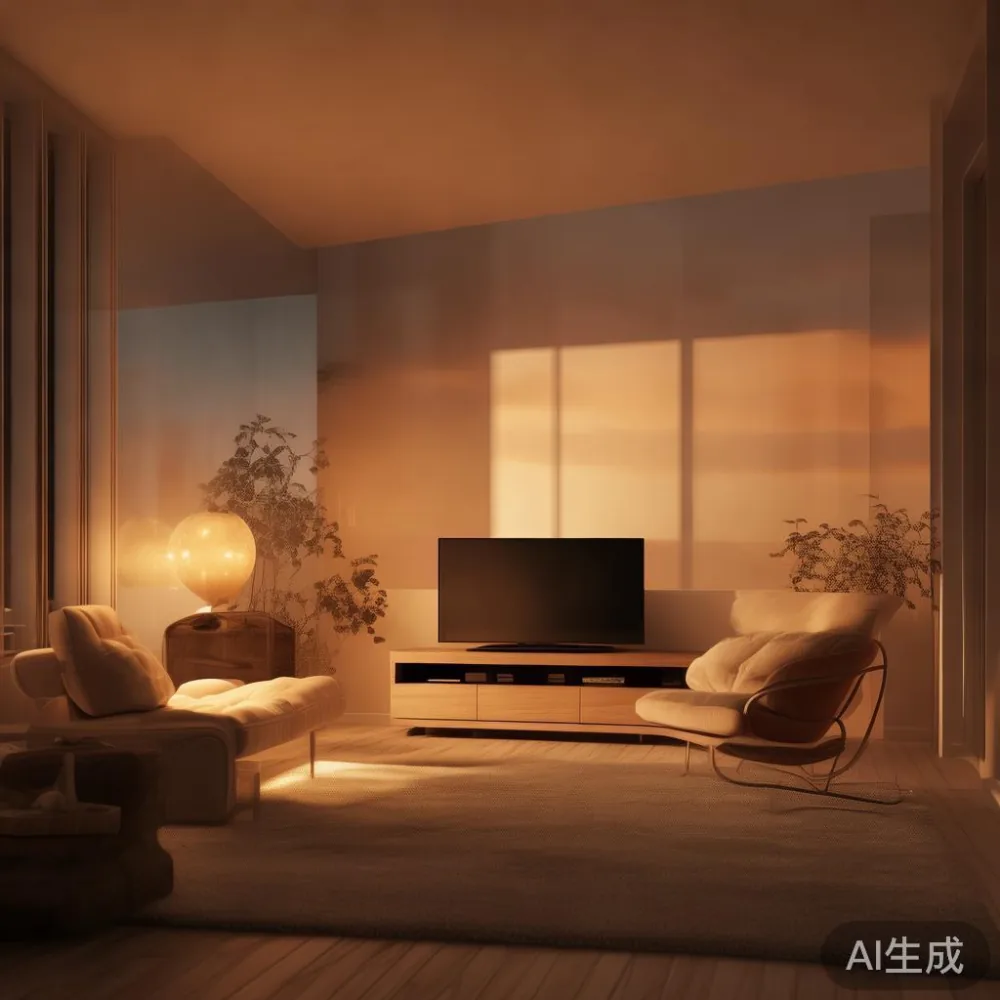
Height matters more than people think. A tv cabinet that sits at 42 cm feels grounded. Anything above 50 cm starts to look like a sideboard and blocks the remote-signal arc to the television. Depth should stay between 38 cm and 42 cm — enough for a soundbar and a cable tray, not enough to jut into the walking aisle.
For warm minimal, I lean toward solid white oak or ash with a hand-brushed, low-sheen finish. The handles should be either integrated finger pulls or small brass loops in a brushed, not polished, finish. Polished brass fights minimalism. Brushed brass disappears until the light catches it at 5 pm and the whole wall glows. MIDHILL ships solid-wood tv cabinets in this exact profile; I have seen their 160 cm oak unit in a Punggol condo and the grain matched a 22 mm engineered oak floor closely enough that the room read as one material story.
Which wood tone pairs with cream walls and how do you stop it from clashing?
If your walls sit in the cream-to-off-white range — which is 90 percent of the warm minimal homes I visit in Bedok and Punggol — the wood tone of the tv cabinet should land in one of three families: pale European oak (think pale honey, around the 7 to 8 on the Wood Finishes Index), warm walnut (a chocolate-brown without red), or smoked ash (grey-brown, neutral). Anything with a strong red or orange undertone — like cherry or meranti — will read as dated by 2026.
The clash problem usually shows up at the dining table. A pale oak tv cabinet next to a dark rosewood dining table is the most common visual fight I see in resale flats. The fix is simple: pick one wood tone for the public spaces (living and dining) and let the bedroom furniture carry a second tone if you want variation. A pale oak living room can take a darker walnut bed frame without breaking, because the rooms are separated by a door.
This is also where the broader furniture family helps you. A solid wood sofa frame in the same oak as the tv cabinet ties the seating zone to the media wall. A dining table in the same species, finished the same way, ties the eating zone. Two or three pieces, one wood. That is the whole game.
Do light luxury styles like French, Italian, or American actually work in a 4-room HDB?
Yes, but with discipline. French light luxury leans on curved cabriole legs, champagne finishes, and tufted upholstery — beautiful, but visually heavy. American light luxury is cleaner: shaker profiles, nickel hardware, quiet proportions. Post-modern light luxury sits between the two and often uses asymmetry and fluted glass. Italian light luxury — and specifically designer Italian light luxury furniture — tends toward slim marble tops, brushed brass, and slim profiles that suit compact Singapore rooms unusually well.
I have placed an Italian-leaning tv cabinet with a 12 mm sintered stone top into a 16 square metre living room in a Toa Payoh BTO and the room did not feel crowded. The cabinet was 150 cm wide, 40 cm deep, 42 cm tall, with a single fluted glass drawer front. The slim profile is why it worked. A heavier French provincial tv cabinet in the same footprint would have eaten the room.
Post-modern light luxury is also having a moment in Punggol Waterway terraces, where buyers are slightly younger and willing to mix a fluted travertine console with a curved boucle sofa. The tv cabinet in those homes tends to be the calm piece — solid oak, no fluting, no stone top — so the eye has somewhere to land.
How do you coordinate a bed, wardrobe, and nightstand with the living room without copying it?
Bedrooms can echo the living room at about 60 percent, not 100 percent. If your tv cabinet is pale oak with brushed brass, your bed frame can be pale oak with no metal at all — let the nightstand carry the brass. Or your bed frame can move one shade darker (smoked oak) with brushed nickel hardware, while the wardrobe stays pale oak with long vertical pulls in the same nickel.
The wardrobe question trips people up. In Singapore humidity, a solid wood wardrobe is a 15-year purchase, not a 5-year one. Particleboard absorbs moisture at the panel edges and swells by year four. If you are weighing whether a French provincial wardrobe is worth it for your master bedroom, the honest answer depends on how much carving and curved profile you can stomach against minimalist walls. A heavily carved French provincial wardrobe will fight a warm minimal interior; a slim shaker wardrobe with champagne-toned ring pulls will support it. The same wood, the same finish family, the same metal — those are the three things that matter across the wardrobe, bed frame, and nightstand.
For the bed itself, sizing is straightforward in Singapore. A queen at 152 cm by 188 cm fits any HDB master bedroom. A king at 182 cm by 188 cm needs at least a 2.7 m wall, which most 4-room masters do have but many 3-room ones do not. Before you fall in love with a king bed frame, measure the wall and subtract 90 cm for walking space on each side. If the wall is under 3.7 m, stay on queen.
If you are researching how to choose a European bed for a Singapore bedroom, focus on three numbers: slat spacing (under 7 cm for memory foam mattresses, under 5 cm for latex), centre rail (mandatory above 150 cm width, or the slats will bow by year five), and under-bed clearance (at least 12 cm if you want a robot vacuum to pass). European oak beds tick all three. MIDHILL's oak bed frames have a 6 cm slat gap and a steel-reinforced centre rail, which is why I have started specifying them in Punggol projects.
What role does a marble table play in a warm minimal living room?
A marble table — usually a coffee table or side table — earns its place in warm minimal rooms because it introduces a cold, hard texture that the wood alone cannot supply. The contrast is what makes the wood feel warmer. A common pairing is a 120 cm by 60 cm sintered-stone or marble-top coffee table with a pale oak base, sitting 35 cm high. That height lines up with the seat height of a typical 45 cm-deep sofa, which is the correct 1:1.3 ratio for reaching a cup without leaning.
In a Singapore context, I avoid natural marble for any horizontal surface below 90 cm. Tea, sweat, and the acids in kueh will etch a natural marble surface within months. Sintered stone — a pressed ceramic that looks like marble — is the practical choice. It costs more per slab (around SGD 180 to SGD 280 per square metre for a 12 mm slab in 2025), but it does not etch and does not need sealing. A sintered stone marble table at 120 cm by 60 cm will usually run between SGD 1,650 and SGD 2,400 retail in Singapore, depending on the base.
How wide can a dining table be if the corridor outside is only 1.2 m?
This is a real Singapore problem, especially in older 4-room HDB flats where the dining area sits between the kitchen door and the living room access. A corridor width of 1.2 m leaves you about 1.05 m of usable dining space once you account for 7.5 cm of skirting on each side and 15 cm of chair pull-back clearance. So your dining table should not exceed 90 cm in width if you want four chairs to pull out cleanly.
Length is more forgiving. A 160 cm to 180 cm dining table seats six in a warm minimal layout. Anything shorter feels stingy in a Singapore home where extended family visits are common during Chinese New Year. Solid wood dining tables at this length will weigh between 60 kg and 95 kg depending on species — important because you need two people plus the lift access to get it in. A standard HDB lift door is 80 cm wide and the cabin is roughly 1.1 m by 1.4 m, so a 180 cm table has to come in vertically, which means two people tilting it. Plan for that.
Should the TV cabinet match the dining table or the bed frame?
The tv cabinet belongs to the living room, so it should match the dining table and any living-room storage. The bedroom is a separate visual chapter. This sounds obvious but I see it broken constantly — a buyer picks a pale oak tv cabinet from one brand, a walnut dining table from another, and a rosewood bed frame because it was on sale. The living room looks unsettled and the bedroom looks dated.
Pick one wood tone for the public rooms, one for the bedroom. Within each zone, the pieces should share the same finish sheen (matte, low-sheen, or satin — never mix). They should also share hardware geometry: long bar pulls, ring pulls, or finger pulls. Mixing two geometries in one room creates visual noise that warm minimal is specifically trying to avoid.
If you are browsing options like the best Rustic bed for 2026 or the best Mid-century modern bed for 2026, treat those as bedroom-only choices and keep the living room in the calmer oak or ash family. Mid-century modern bed frames, with their tapered legs and low profiles, sit comfortably next to a warm minimal tv cabinet because the proportions are similarly restrained. Rustic beds, with their chunkier posts and visible grain, can fight a slim tv cabinet unless the cabinet itself has a slightly thicker profile.
What about European light luxury pieces with built-in storage?
European light luxury with storage is a quiet trend in Singapore condos where built-in carpentry has been banned or minimised by the developer. A lift-up storage bed, a wardrobe with internal jewellery drawers, and a tv cabinet with cable management are the three pieces that pull the most weight. The lift-up storage bed saves the cost of a separate chest of drawers — about SGD 800 to SGD 1,500 in retail savings — and keeps the room visually clean because there is no extra cabinet to dust around.
For tv cabinets specifically, look for a back panel with cable cutouts at 5 cm and 15 cm from the base, a removable rear panel for the installer, and at least one ventilated section if you plan to house a PlayStation 5 or an AV receiver. Solid wood cabinets handle the heat better than MDF because the grain breathes.
What are the real costs in SGD for a warm minimal furniture set in Singapore?
For a typical 4-room HDB living and dining setup, here is what I see clients spending in 2025 prices, excluding GST (which adds 9 percent at the till):
• Solid oak tv cabinet, 160 cm, with two drawers and two soft-close doors: SGD 1,580 to SGD 2,350.
• Solid wood sofa frame, 3-seater, in linen-blend upholstery: SGD 2,400 to SGD 3,800.
• Solid oak dining table, 180 cm, seats six: SGD 1,850 to SGD 2,950.
• Six dining chairs in solid beech with linen seats: SGD 90 to SGD 160 each, so SGD 540 to SGD 960 total.
• Marble table or sintered-stone coffee table, 120 cm by 60 cm: SGD 1,650 to SGD 2,400.
• Solid oak queen bed frame with slats and centre rail: SGD 1,280 to SGD 2,100.
• Two oak nightstands with one drawer each: SGD 380 to SGD 620 each.
• Oak wardrobe, 180 cm wide, three doors: SGD 2,100 to SGD 3,400.
Total for the core set, without a mattress or upholstery fabric premium: roughly SGD 11,800 to SGD 18,600 before GST. Add 9 percent GST on top. Delivery within mainland Singapore usually runs SGD 80 to SGD 180 per trip; lift-access HDBs are at the lower end because there are no stairs. MIDHILL, which exports solid-wood pieces to 15-plus countries and offers free shipping over US$350, lands around the middle of these ranges for Singapore addresses when you account for their lifetime refinishing policy. That lifetime refinishing is the quiet long-term saving — a sand-and-refinish on a solid oak dining table runs SGD 350 to SGD 600 locally, so two refinishes over 20 years basically pays back the premium over a veneer set.
How long does delivery take and what should you check before signing for the furniture?
For in-stock pieces from a Singapore warehouse, 3 to 7 working days. For made-to-order solid wood, 6 to 12 weeks. MIDHILL's made-to-order pieces for Singapore typically arrive 8 to 10 weeks after deposit, which is standard for factories shipping solid-wood furniture from Foshan. Always check three things on arrival: the corners (most shipping damage lives there), the underside (look for the factory stamp, the wood species, and the finish code), and the drawer runners (open every drawer 20 times; a soft-close runner should not catch or wobble by the fifth pull).
If the piece arrives damaged, photograph it before the delivery crew leaves. Most brands — MIDHILL included — replace damaged panels rather than the whole unit, and they need photographic evidence with the box still on site. Do not unpack and assemble first; the carrier needs to see the packaging.
Where can you see these pieces before committing in Singapore?
Most solid-wood furniture brands serving Singapore now run by showroom-appointment, often in Tai Seng or Eunos. MIDHILL's regional showroom route goes through Hong Kong and Kuala Lumpur rather than Singapore directly, so Singapore buyers usually order by spec sheet and fabric swatch. Ask for a 10 cm by 10 cm wood sample before paying the deposit — any solid-wood brand will post one. A reputable supplier will also share the factory address, the wood FSC certificate, and the finish SDS sheet on request.
For a first-person sanity check on any piece, I always tell clients to sit on the sofa frame for at least 10 minutes, open every drawer and door in the shop, and lift one end of the dining table. A solid oak dining table at 180 cm will feel like 70 kg of dead weight. A veneered MDF table at the same length will feel like 30 kg. Your hands will tell you which one you are paying for.
What is the one mistake that ruins a warm minimal interior?
Mixing metals. Not three — two is fine. The mistake is four or more: brushed brass handles on the tv cabinet, polished chrome on the dining chair legs, black steel on the floor lamp, and copper on the pendant. The room stops looking minimal and starts looking confused. Pick two — usually brushed brass plus blackened steel, or brushed nickel plus matte black — and carry them through every room. The tv cabinet is your anchor, so let it set the metal vocabulary for the living room.
The second-most-common mistake is buying a tv cabinet with a high-gloss lacquer finish. High-gloss reads 1995, not 2026. Low-sheen or hand-rubbed oil finishes read warm and quiet. If you want a slight sheen, ask for a 15 percent gloss level rather than the standard 40 percent. The piece will glow softly under your downlights instead of reflecting the whole ceiling.
A short checklist before you press order
1. Measure your feature wall and cap the tv cabinet length at 80 percent of that width.
2. Pick one wood tone for public rooms, one for the bedroom.
3. Pick two metal finishes and use them everywhere.
4. Confirm slat spacing, centre rail, and under-bed clearance on any bed frame.
5. Confirm drawer runner brand and soft-close rating on the tv cabinet.
6. Check delivery lead time and whether the price includes lift-access delivery.
7. Ask for a wood sample and a finish swatch before paying the deposit.
8. Photograph any damage on arrival before the delivery crew leaves.
9. Keep the factory stamp photo on file for the 10-year structural warranty.
10. Plan where the pieces will land — lift door width, corridor turns, and whether the dining table has to come in vertically.
What if I still have a specific question about my own home?
Every Singapore home is slightly different. The Tampines BTO with a north-facing balcony behaves differently from a Punggol condo with full-height glass. If you want a second opinion on your specific floor plan, send the developer floor plan with the wall widths marked, plus a photograph of the existing feature wall. A good furniture specialist will reply within two working days with a measured suggestion — cabinet length, wood tone, hardware, and a budget range. MIDHILL can be reached for technical questions about their solid-wood range on +86 188 2788 2512 during China business hours, which works for Singapore evenings if you email first and schedule the call.
A warm minimal interior is not about spending more. It is about spending the same amount in fewer, better places — a solid oak tv cabinet instead of three side tables, a single sintered-stone marble table instead of two smaller ones, a bed frame with proper slats instead of one you will replace in four years. The room will read calm, the wood will age gracefully, and in ten years you will still be glad you chose the piece you did.