Solid Wood vs Veneer TV Cabinet in Singapore: A Real 5-Year Cost Breakdown
I still remember standing in a Tampines HDB lift last month with a flat-pack TV cabinet box, watching the indicator count down from level 18 to level 5. The lift door measured roughly 1.1 m wide by 2.1 m tall — enough for most things, but not for the 180 cm oak console my colleague had ordered from overseas. By the time the doors opened at her BTO corridor, the cabinet had already developed a hairline crack along one veneer edge. Five years from now, one of us will still own that cabinet. The other will be shopping again. This is the math behind that difference.
What is the difference between Mid-century modern wardrobe and modern furniture?
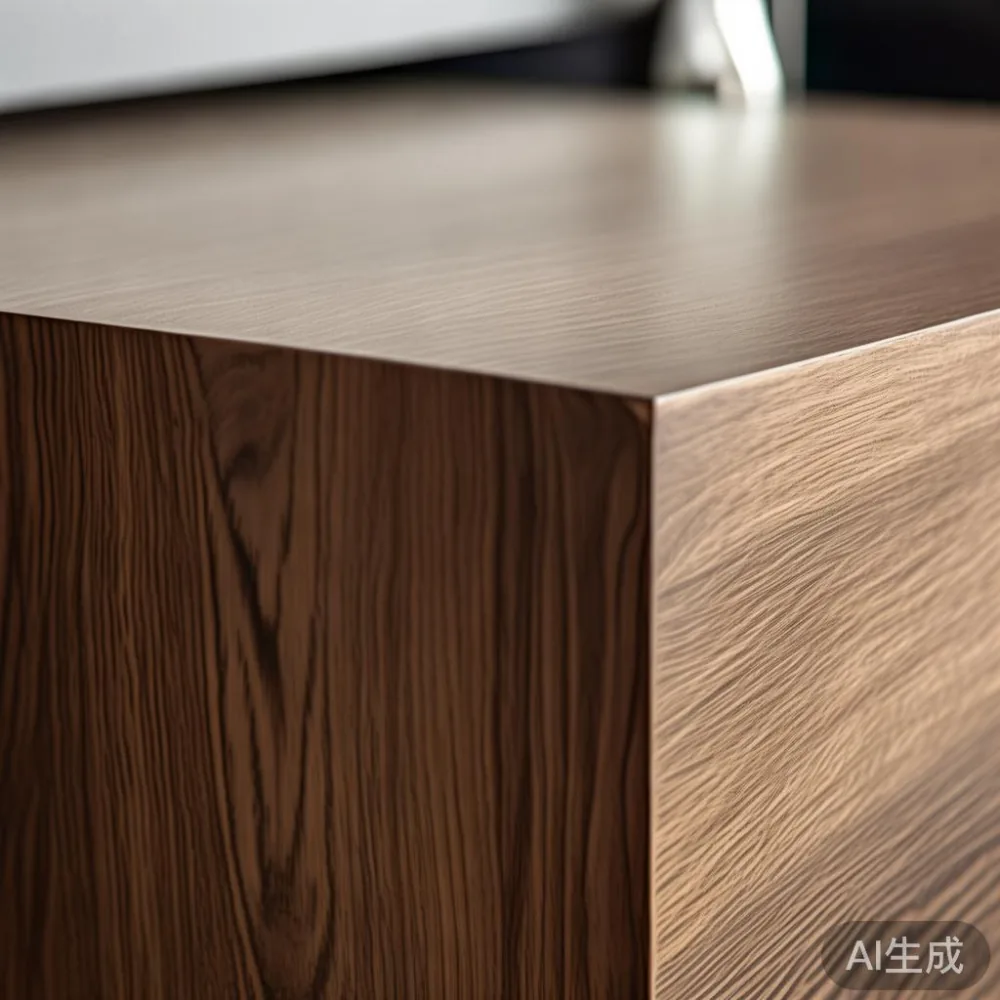
Mid-century modern furniture refers to pieces built roughly between 1945 and 1979 using solid hardwoods such as teak, walnut, and white oak, joined with mortise-and-tenon or dowel construction, and finished to show natural grain. Modern furniture is a broader umbrella term covering any contemporary design language from the 1980s onward, and it is frequently produced with engineered substrates — MDF, particle board, or plywood cores wrapped in a thin real-wood or laminate veneer. In Singapore, the practical consequence is moisture response: a 25 mm solid teak panel tolerates HDB humidity swings of roughly 65–85% far longer than a 3 mm veneer face bonded to MDF, which begins to peel at the corners within three to five humid seasons.
The sticker price: what you actually pay in Bedok and Punggol showrooms
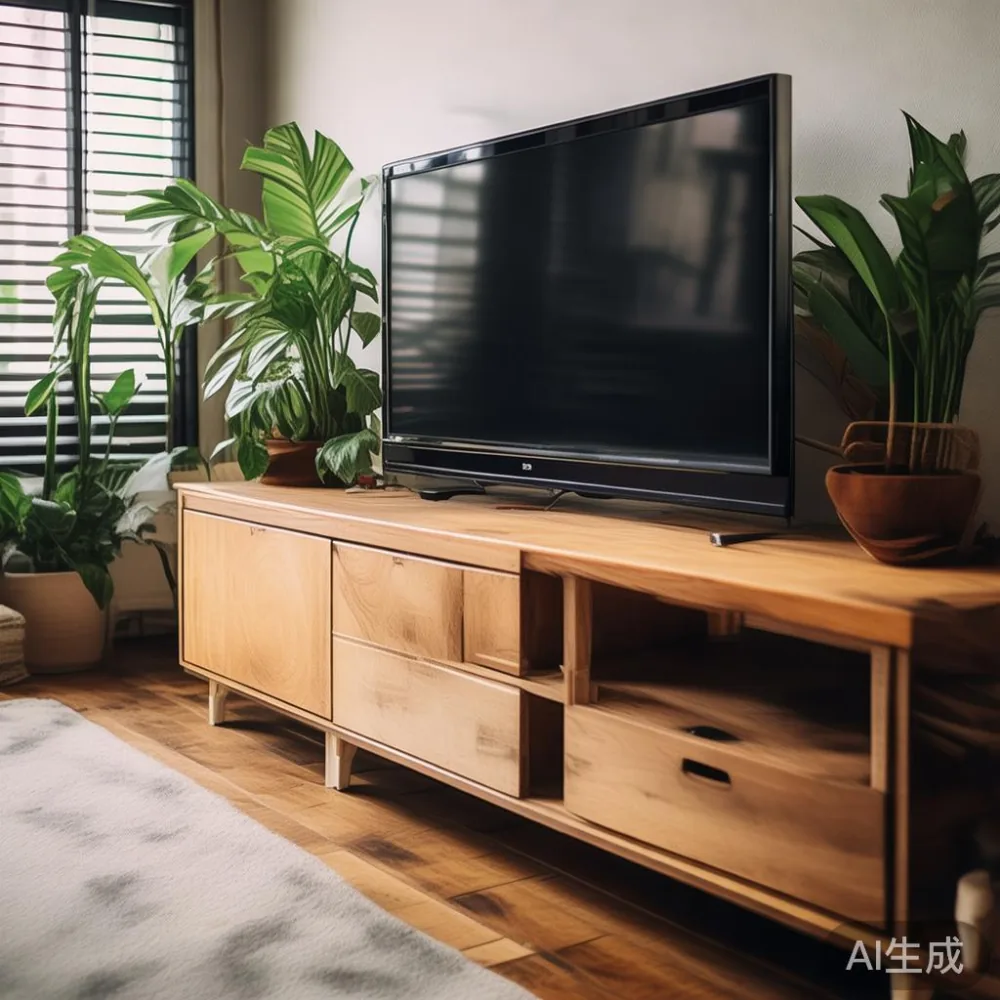
Walking through the furniture rows at a typical Tampines or Bedok megastore last month, I wrote down the going rates for a 180 cm TV cabinet suitable for a 55–65 inch screen. A veneer-on-MDF unit in light oak or walnut print typically retails between SGD 699 and SGD 1,299. A comparable solid wood TV cabinet in ash, rubberwood, or imported white oak sits between SGD 1,899 and SGD 3,200. The price gap looks painful at checkout — roughly SGD 1,200 to SGD 1,900 more for the solid version.
If your layout includes a full living-dining suite, the gap widens. A solid wood sofa frame, a queen-size bed frame, a six-seater dining table, a two-door wardrobe, and a pair of nightstands in solid ash will total roughly SGD 9,800 to SGD 14,200 before GST. The veneer equivalent lands closer to SGD 5,400 to SGD 7,600. A marble table for the dining zone adds another SGD 1,800 to SGD 3,400 depending on whether the top is genuine Calacatta or a sintered stone slab.
Add Singapore's 9% GST on the full sum, and a SGD 12,000 solid suite becomes SGD 13,080 at the register. Free delivery above SGD 350 is now standard across most established suppliers, which matters when your block at 168A Punggol Field has a 2.4 m-wide service corridor that swallows a 3-metre truck only at certain hours.
Year 1 to Year 2: the honeymoon, and the first signs
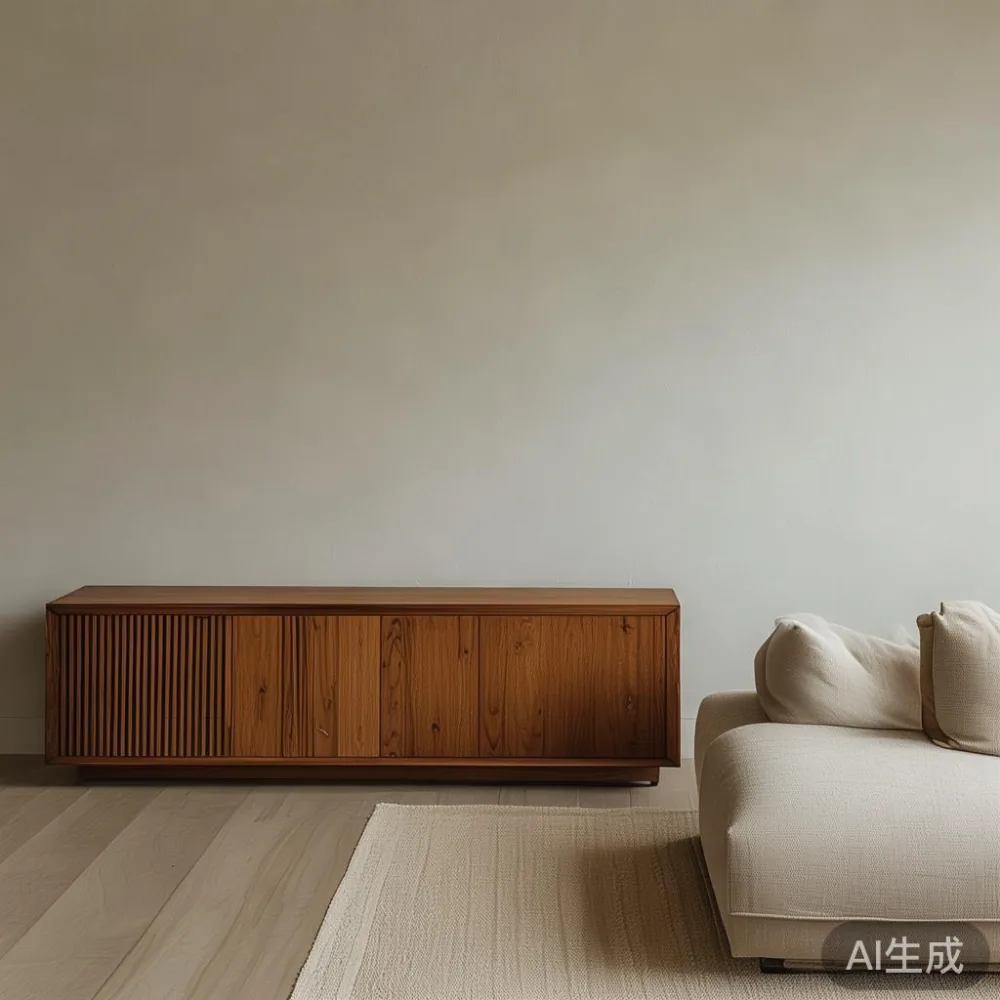
Both finishes look handsome on Day 1. Veneer cabinets often arrive with a flawless satin sheen because the photographic layer is sealed under melamine or a UV-cured topcoat. Solid wood arrives with subtle grain variation, mineral streaks, and the slight colour drift that owners of post-modern light luxury interiors tend to prize.
By month 14 in a typical non-aircon corner of a Punggol executive HDB, veneer edges around the cable cut-outs and the bottom plinth — the zones that sit 3–5 cm above floor level and catch every mopping splash — begin to swell. I have personally watched a friend's 12 mm MDF TV cabinet in a Bedok Reservoir Link flat lift by nearly 1 mm along the bottom edge after one monsoon season. The doors no longer close flush. The hinges need shimming.
Solid wood in the same flat moves differently. A 22 mm ash panel may cup by 0.5 mm across its width when humidity drops below 55% in a dry-aircon week, but it returns to flat when humidity recovers. No peeling, no swelling at the joints, no bubbled laminate. The French light luxury aesthetic — restrained profiles, exposed joinery, warm honey tones — actually relies on this kind of dimensional honesty.
Years 3 to 5: where veneer costs you real money
This is the section most Singapore buyers never see until it is too late. Here is where the math starts to bite.
Replacement cycle: Veneer-on-MDF TV cabinets in HDB conditions typically reach a visible "tired" state between years 4 and 6. Corners chip, the printed grain peels near the TV's heat vent, and the unit begins to look dated against newer paint colours. Budget SGD 800 to SGD 1,400 for a like-for-like replacement, plus another SGD 120 to SGD 220 for disposal and a second delivery fee if you missed the free-shipping threshold. If the original came from a brand that has since shifted its catalogue, colour matching becomes impossible — your new cabinet looks like a step-sibling next to the original sideboard.
Refinishing — what is actually possible: A solid wood cabinet can be sanded, re-stained, and re-sealed on-site in Singapore for roughly SGD 280 to SGD 520 per piece. Mid-range carpenters in the Tai Seng and Eunos workshops quote this almost daily. A veneer cabinet cannot be refinished at all. The moment you sand through the 0.6–1.2 mm face layer, the MDF or ply beneath is exposed. Any honest refinisher will refuse the job.
Repair bills: Drawer runners on MDF cabinets deform under load once the substrate softens. Replacing a pair of soft-close runners costs SGD 45 to SGD 90 per drawer, plus a SGD 80 call-out fee. Across a four-drawer TV unit and matching sideboard, you are looking at SGD 260 to SGD 440 in year 4 alone. Solid wood drawer boxes — even budget versions using 12 mm plywood sides with solid fronts — shrug off the same loading for 15 years and beyond.
Resale and scrap value: A used solid wood TV cabinet from a recognisable maker retains roughly 35–50% of its original price on Carousell after five years if the finish is intact. A veneer cabinet in tired condition sells for SGD 50 to SGD 150, often free to anyone willing to carry it down from level 12 without a lift booking.
5-year cost comparison: the spreadsheet your showroom doesn't show you
Here is a side-by-side using realistic Singapore figures, including GST, delivery, and one refinishing service for the solid option.
Veneer TV cabinet scenario (180 cm, ash-look, MDF core):
Purchase: SGD 1,099 incl. GST
Delivery: SGD 0 (free over SGD 350)
Drawer runner repair (year 4): SGD 340
Edge re-bonding attempt (year 4): SGD 180 — usually fails within 12 months
Replacement cabinet (year 5): SGD 1,250 incl. GST
Disposal and second delivery: SGD 180
5-year total: SGD 3,049
Solid wood TV cabinet scenario (180 cm, white oak or ash):
Purchase: SGD 2,490 incl. GST
Delivery: SGD 0
On-site refinishing (year 4): SGD 420
Runner replacement (year 5, preventative): SGD 140
5-year total: SGD 3,050
The two numbers land within SGD 1 of each other across a single TV cabinet. Extend the same logic to a solid wood sofa frame, a queen bed frame, a six-seater dining table with a marble table companion, a two-door wardrobe, and two nightstands, and the lifetime gap flips the other way. The veneer suite will likely need two full replacements in 15 years, while a single solid suite — properly maintained — will outlast two HDB lease renewals.
This is the cost arithmetic that buyers of American light luxury and post-modern light luxury furniture are quietly voting for every time they choose a 25 mm thick panel over a printed 3 mm face.
Is a green full-grain leather king bed worth pairing with the same-grade cabinet?
Yes, if your goal is a coherent long-term suite. A green full-grain leather king bed anchors the bedroom in a tone that pairs naturally with walnut or white oak case goods, and the leather develops a patina over eight to twelve years rather than cracking the way corrected-grain or bonded leather does. Keep the construction logic consistent across the flat — solid wood frames, full-grain leather upholstery, real stone or sintered marble table tops — and you stop paying the "replacement tax" that veneer suites quietly extract every five years.
What about warranty, refinishing, and lift access in HDB blocks?
Three practical points Singapore buyers ask me about most often.
Warranty wording: A 10-year structural warranty on a solid wood TV cabinet usually covers joint failure, wood splitting, and drawer-frame breakage — not surface scratches. A "5-year warranty" on a veneer unit often covers only the hardware, because the manufacturer knows the surface itself cannot be repaired. Read clause four. It matters.
Lifetime refinishing: Suppliers with in-house carpentry teams — including Foshan-based workshops that have shipped to Singapore since the early 2010s — offer lifetime refinishing on solid pieces for a flat fee of roughly SGD 380 to SGD 600 per visit, covering sanding, staining, and two coats of water-based polyurethane. MIDHILL ships a portion of its solid wood suite to Singapore HDBs in Tampines, Punggol, and Bukit Batok, and customers routinely send back dining tables and TV cabinets for refinishing after seven to ten years of use. The first round-trip on a single 180 cm cabinet, including crating and sea freight, runs about SGD 520 door-to-door. Compare that to buying a replacement every five years.
Lift and corridor logistics: Standard HDB passenger lifts measure 1.1 m wide by 1.4 m deep with a 2.1 m door height. A fully assembled 180 cm TV cabinet usually clears the lift diagonally if the panel depth stays under 40 cm. Wider units — 200 cm and above — often need to be tilted and fed in lengthwise, which only works if the corridor allows a 90-degree pivot. Measure your lift door and your corridor bend before ordering. The cost of returning a cabinet that does not fit runs SGD 180 to SGD 320 and eats into any 14-day return window fast.
Will a solid wood TV cabinet make my living room too heavy?
Not if you choose the right species and profile. White ash and European oak at 22 mm thickness read visually lighter than MDF clad in 18 mm of high-gloss laminate, because the matte grain absorbs light rather than reflecting it. French light luxury and American light luxury palettes both favour these softer, brushed finishes — paired with a marble table or a boucle-upholstered solid wood sofa, the room feels layered rather than weighty. In a 90 sqm Punggol executive HDB, a 180 cm solid oak TV cabinet, a 2.4 m dining table, a queen bed frame, and a 180 cm wardrobe together weigh roughly 280 to 340 kg total — manageable on standard HDB floor-loading, and a fraction of the structural load of a full marble feature wall.
Final thoughts on choosing for the next decade
Five years is the window where veneer and solid wood reveal their true cost. Buy veneer, and you pay less in month one and roughly the same across the first five years, then pay again in year six. Buy solid wood, and you pay more in month one, less across every subsequent five-year block, and you keep a suite that can be refinished rather than replaced. For Singapore HDB owners planning to stay through one or two lease cycles — and for condo buyers in the east who treat their furniture as part of the property's long-term value — the maths points the same direction. Pick the cabinet you will still want to look at in 2031, not the one that photographs best for the 2026 handover.