What Actually Drives the Price of Solid Wood Furniture
For those of us living in Singapore's compact HDB flats and condos, where every square centimetre counts, the furniture we choose is a significant investment. A solid wood TV cabinet, for instance, is more than just a place to put the television; it's a statement piece, a functional centrepiece for the living room, and a long-term commitment to quality. But why does one solid wood TV cabinet cost SGD 800 while another can easily reach SGD 3,500 or more? The answer lies in a complex interplay of factors that extend far beyond the simple label 'solid wood'. Understanding these elements is key to making a wise purchase that fits your space, style, and budget.
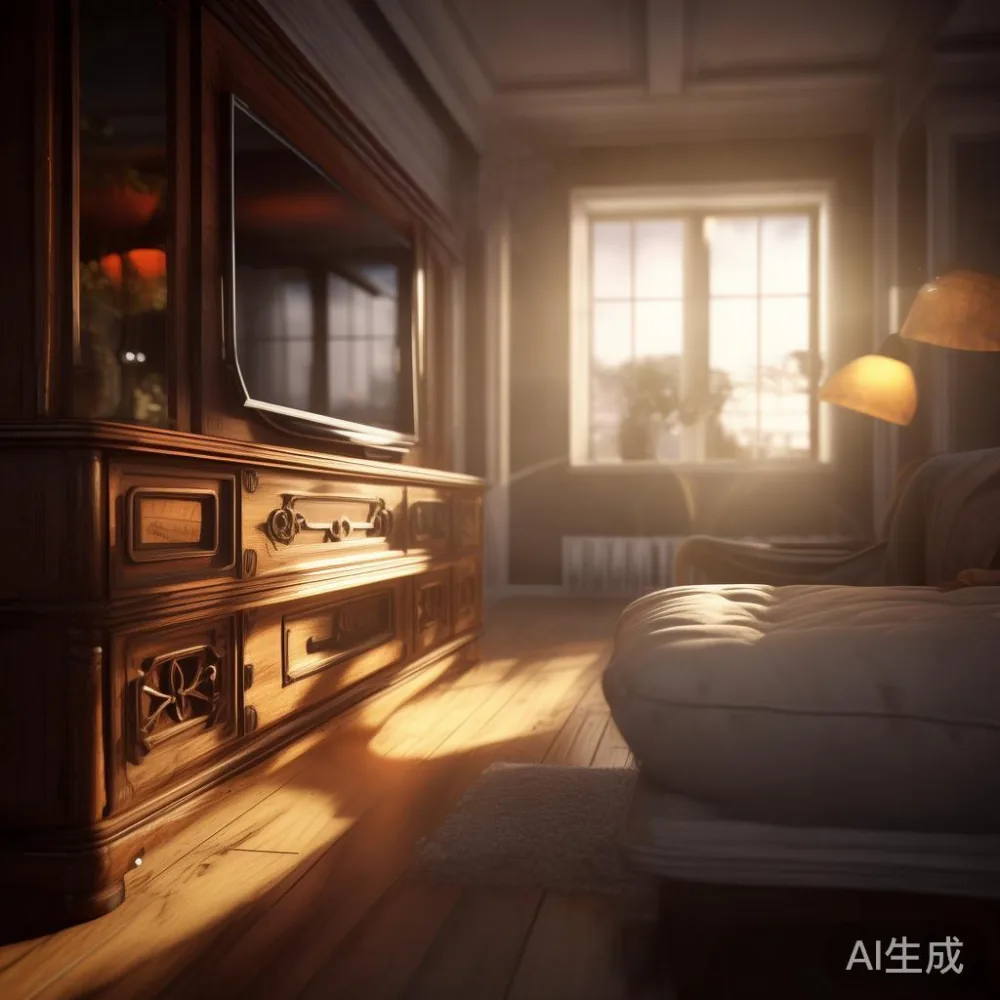
Why Isn't All Solid Wood Furniture Created Equal?
The term 'solid wood' is often used broadly, but it can be misleading. Not all wood is the same, and the type of wood used is arguably the single biggest determinant of a TV cabinet's price. The industry primarily categorizes wood into two types: hardwood and softwood.
Hardwoods come from deciduous trees (trees that lose their leaves annually). They are generally denser, more durable, and have a more complex grain pattern. Common hardwoods used in furniture include oak, walnut, maple, and ash. A TV cabinet made from solid American black walnut, for example, will command a premium price due to its rich colour, beautiful figuring, and inherent stability. The density of this wood means it resists dents and scratches better than many alternatives, making it ideal for a piece of furniture that will see daily use.
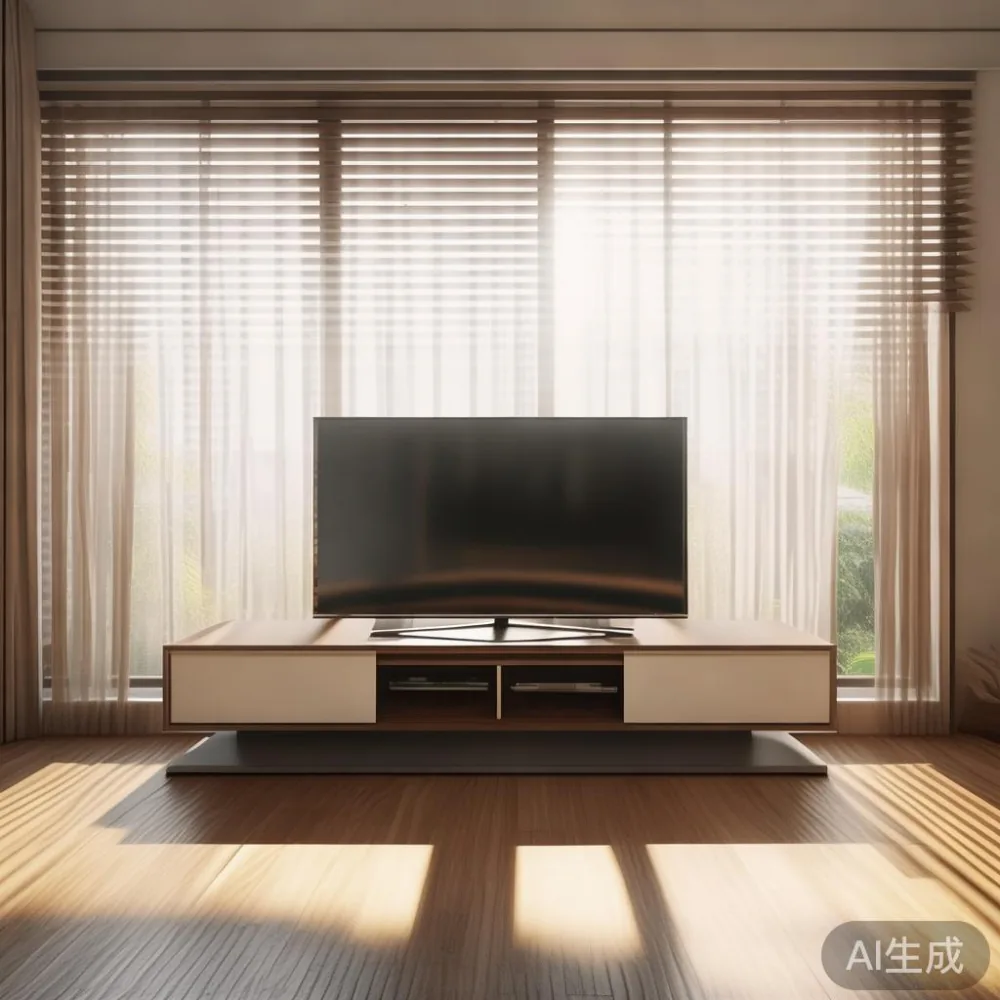
Softwoods, on the other hand, come from coniferous trees (like pine, fir, and cedar). They grow faster and are generally less expensive. A solid pine TV cabinet can be an excellent entry point into the world of solid wood furniture. It offers a classic, rustic look and is very sturdy. However, pine is softer and more susceptible to dings and changes in humidity, which can cause it to warp or crack over time if not properly cared for. For a family in a humid Singaporean environment like Tampines or Bedok, this is a practical consideration.
Beyond the basic hardwood/softwood divide, the grade of the wood is critical. A 'Select' grade walnut board will have a uniform colour, minimal knots, and a straight, clear grain. A 'Common' grade might have more knots, colour variations, and imperfections. A high-end TV cabinet will use premium-grade lumber to create a flawless, visually striking piece, while a budget-friendly option might embrace the character of a lower grade, using knots and mineral streaks as part of its design. This difference in material quality directly impacts the final price tag.
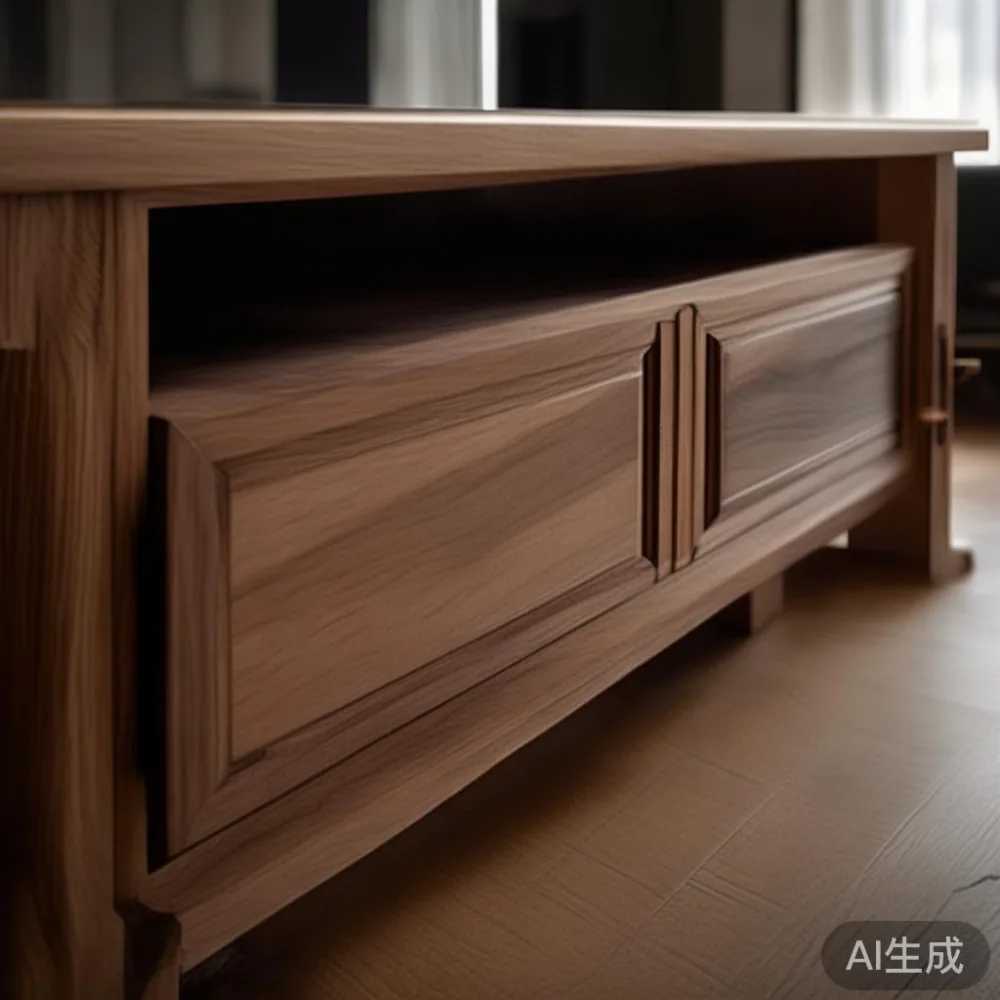
Does Origin and Craftsmanship Really Matter for a TV Cabinet?
Yes, absolutely. The origin of the wood and the skill of the craftsman are invisible but powerful drivers of cost. A TV cabinet is not just assembled; it is crafted. The process begins with the wood's journey. A board of European oak that has been air-dried for 2-3 years in a controlled environment will have a much lower moisture content than one that was kiln-dried quickly. This slower, more traditional method prevents the wood from warping or cracking once it's in your Singaporean home, where temperatures and humidity can fluctuate between air-conditioned rooms and the balcony.
The craftsmanship involved in turning these dried wood boards into a TV cabinet is where the true artistry lies. Consider joinery. A high-end piece will use traditional methods like dovetail joints for drawers, mortise and tenon joints for corners, and tongue-and-groove panels for the back or sides. These techniques create incredibly strong, interlocking connections that can withstand decades of use. A cheaper TV cabinet might rely on staples, screws, and cheap dowels, which are less durable and prone to loosening over time. The difference in construction is not visible from the outside, but it is the foundation of the furniture's longevity.
I visited a workshop in Foshan last month that has been making furniture for over a decade. The master cabinetmaker showed me two drawer boxes side-by-side. One was constructed with simple butt joints and nailed together. The other was a beautiful dovetail joint, hand-cut with a saw and chisel. The difference was palpable; the dovetailed drawer felt solid, smooth, and built to last a lifetime. The master explained that this level of skill takes years to develop and is a primary reason for the price difference between mass-produced and artisanal furniture.
How Do Design and Finishing Affect the Price of a TV Cabinet?
The design and finishing of a TV cabinet are what make it a piece of art and not just a functional box. These elements are where style, brand identity, and labour costs converge. A simple, rectangular TV cabinet with clean lines will be less expensive to produce than one with intricate carvings, curved legs, or a complex architectural profile. The amount of labour involved in shaping and assembling more complex designs adds significantly to the cost.
Finishing is another critical area. A basic lacquer or paint finish is relatively inexpensive. However, a high-quality, multi-step finishing process is labour-intensive and time-consuming. It involves sanding between coats, applying stains to enhance the wood's natural grain, and building up layers of protective lacquer or oil. This process can take several weeks for a single piece. The final result is a deep, lustrous finish that is not only beautiful but also highly protective against spills, scratches, and UV light, which is important for a TV cabinet that might be near a window in a condo in Punggol.
Style also plays a huge role. The trend for 'French light luxury' emphasizes ornate details, gilded accents, and soft, curved shapes. This style requires immense skill to execute and uses more material, driving up the price. Alternatively, a minimalist post-modern design might focus on sharp lines and the natural beauty of the wood itself. While it might seem simpler, achieving a perfect minimalist finish requires exceptional precision in both construction and finishing to avoid looking cheap or unfinished. The style you choose directly influences the complexity of the build and, therefore, the cost.
What About the Practical Costs of Owning a Solid Wood TV Cabinet?
The sticker price on a TV cabinet is only one part of the total cost of ownership. For Singaporean consumers, practical considerations like delivery, assembly, and warranty are significant factors that should be factored into the final value equation. A heavy, solid wood TV cabinet cannot be delivered by a standard courier. It requires specialised logistics, including a vehicle with a tailgate lift and, often, two delivery personnel to move it safely from the truck into your HDB corridor or condo lift.
Consider the dimensions. A typical large TV cabinet can be 180 cm wide, 50 cm deep, and 55 cm high. Working through this through a standard HDB lift, which has internal dimensions of about 110 cm x 140 cm, is a tight fit. Getting it down a corridor that is only 120 cm wide requires careful planning. This specialised delivery service is an added cost that reputable furniture brands include or charge separately. Free shipping over a certain purchase value, like SGD 350, is a common incentive that makes high-quality furniture more accessible.
Assembly is another hidden cost. Some TV cabinets arrive flat-packed and require significant assembly. While this keeps shipping costs down, it adds a layer of complexity for the buyer. Other brands, like those focused on light luxury, offer a white-glove service where the furniture is delivered and assembled for you. This service ensures the piece is put together correctly and is ready for immediate use, but it comes at a premium.
Warranty is a key indicator of a manufacturer's confidence in their product. A 10-year structural warranty on a TV cabinet is a powerful statement. It means the company stands behind the joinery, the frame, and the integrity of the piece. This long-term protection gives the buyer peace of mind, knowing that if a drawer joint fails or a leg cracks, it will be repaired or replaced. This level of commitment is a cost that is built into the price of the furniture but provides immense value over the life of the product.
Why Does a High-Quality TV Cabinet Cost More Than a Cheaper Alternative?
The price difference between a high-quality solid wood TV cabinet and a cheaper alternative comes down to a fundamental choice: long-term value versus short-term cost. A cheaper TV cabinet might be made from a softer wood, like particleboard with a wood veneer, or lower-grade solid pine. It will likely use simpler joinery and a basic finish. It might look good in the showroom, but it will not withstand the rigours of daily life in a Singaporean home for very long.
Over time, the cheaper option may start to show its flaws. Drawers may sag or become difficult to open. The finish may scratch or peel, exposing the inferior material underneath. The structure might become loose, leading to an unstable and unsafe piece of furniture. When this happens, the initial savings are quickly lost as you have to repair or, more likely, replace the item. The total cost of ownership for a cheap piece of furniture is often much higher than that of a well-made one.
A high-quality solid wood TV cabinet is an investment. It is designed to be a permanent fixture in your home, capable of being refinished multiple times over its lifetime. This means that if your style changes, or if the wood gets scratched from moving the TV around, a professional can sand it down and apply a new finish, making it look brand new. This lifetime refinishing service offered by some manufacturers is a feature that adds significant long-term value, allowing the piece to adapt and evolve with your home.
Ultimately, the price reflects the entire lifecycle of the product. It accounts for the sustainable sourcing of durable materials, the skilled labour of experienced craftspeople, the protective finishing that ensures longevity, and the customer support that stands behind the product for a decade or more. When you buy a premium TV cabinet, you are not just buying a piece of furniture; you are investing in a piece of functional art that will enhance your living space for decades to come.
How Can I Find a TV Cabinet That Fits My Singaporean Home and Style?
With so many factors influencing price, finding the right TV cabinet for your home can feel overwhelming. The key is to start by understanding your own needs. Consider the space you have. Measure the width of your TV and the available wall space in your living room. Remember to leave a few centimetres on each side for ventilation. Also, measure the depth of your TV to ensure the cabinet can accommodate it without sticking out too far into the room, which can be a problem in smaller living areas common in HDB flats.
Think about your lifestyle. If you have young children or pets, a more durable hardwood like oak or walnut might be a better choice than a softer wood. If you prefer a minimalist aesthetic for your dining room, you would likely want a TV cabinet with clean lines and a simple, natural finish. If you are drawn to a coastal vibe for a small living room, a lighter-coloured wood like ash or maple with a relaxed, airy design could be perfect. The style of your TV cabinet should complement the design of your home.
Research is your best friend. Look for brands with a proven track record of quality and good customer service. Read reviews from other Singaporean buyers to see how the furniture holds up in our local climate. Check the warranty details carefully. A 14-day return policy gives you a window to inspect the piece upon delivery and ensure it meets your expectations. Finally, visit showrooms if possible. Seeing and touching the furniture in person gives you a much better sense of its quality than a picture ever could.
For those exploring how to choose light luxury sofa, the same principles of material quality and craftsmanship apply. The journey to finding the perfect piece of furniture is about balancing your aesthetic desires with practical needs. A well-chosen TV cabinet, like a well-made sofa or dining table, becomes an integral part of your home, providing both function and beauty for years to come. When considering how to style light luxury wardrobe in bedroom, remember that the materials and construction are just as important as the design. The same goes for a Japanese bed vs Mid-century modern bed, where the choice is often about the wood type and the philosophy of joinery. If you are wondering how to style American bed in room, the key is to balance its bold, often larger scale with the proportions of your space. For a Coastal for small living room, choosing a TV cabinet with lighter wood and open shelving can create an illusion of space. And for those who want to learn more, visiting midhill.co can provide detailed insights into their process and offerings. Ultimately, the right TV cabinet is one that you love, that fits your space, and that you can afford without sacrificing on the quality that ensures it will be a part of your home for a very long time.