The Real Cost of a Solid Wood TV Cabinet: Beyond the Surface
The modern living room is more than just a space for relaxation; it's the central hub of the home, a stage for entertainment, and a reflection of personal style. In Singapore, where HDB flats in Tampines, condos in Bedok, and modern waterfront homes in Punggol all demand furniture that is both beautiful and functional, the TV cabinet reigns supreme. But walk into any furniture showroom, and you'll find a vast price range for solid wood TV cabinets, from a few hundred to several thousand Singapore dollars. What makes one piece worth so much more than another? The answer lies not in a single factor, but in a complex interplay of material quality, craftsmanship, design, and the practicalities of modern life.
Material Matters: It's All in the Wood
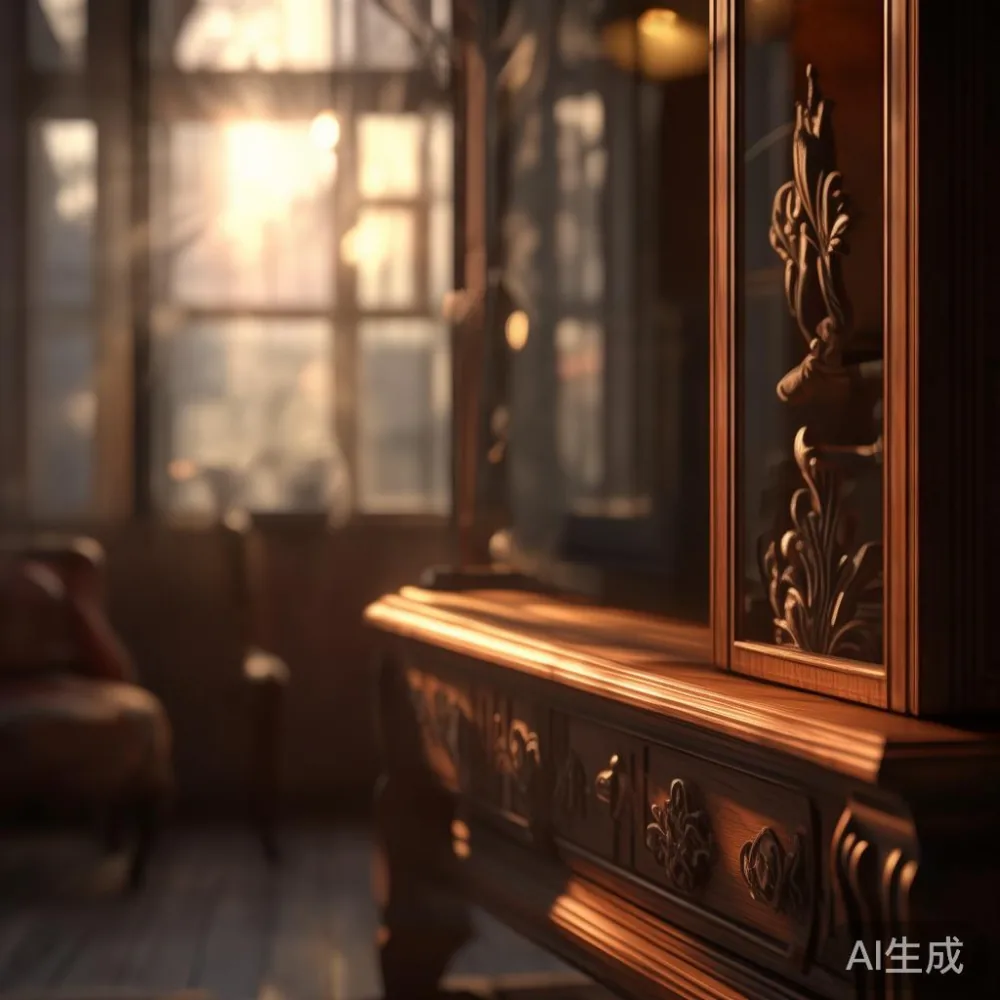
The single most significant driver of price for any solid wood furniture, including a TV cabinet, is the wood itself. Not all wood is created equal, and the differences are stark. Solid wood can be broadly categorized into hardwoods and softwoods. Hardwoods, like oak, walnut, and teak, come from deciduous trees and are denser, more durable, and more resistant to wear and tear. Softwoods, like pine, are from evergreen trees and are generally lighter and less expensive.
Within the hardwood category, the price can vary dramatically. For instance, a solid wood TV cabinet made from American White Oak might cost around SGD 2,500, while one crafted from European Walnut could easily exceed SGD 4,000. This price difference isn't arbitrary; it's based on the wood's availability, growth rate, and the specific characteristics that make it desirable. Oak is plentiful and has a prominent, attractive grain, making it a popular and relatively accessible choice. Walnut, on the other hand, has a rich, dark colour and a more subtle, flowing grain, and it grows more slowly, making it a premium material.
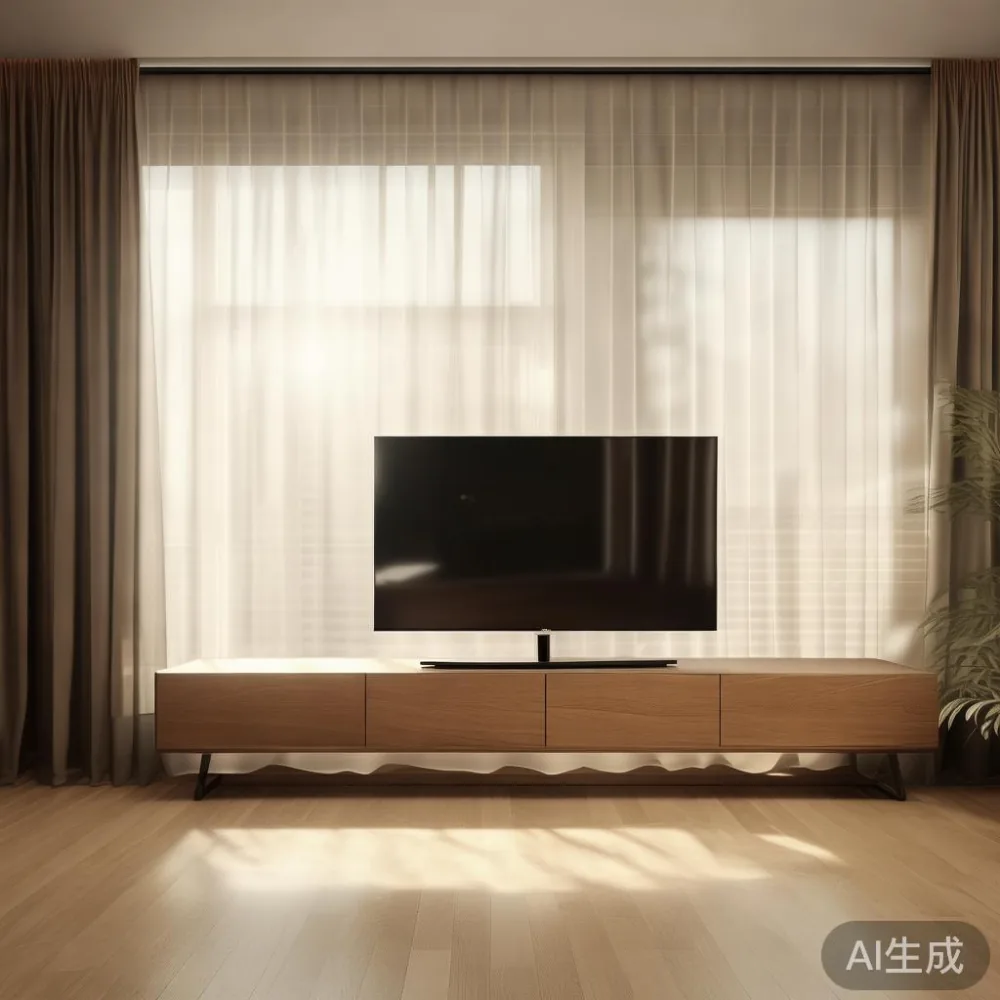
Another critical factor is the grade of the wood. A cabinet made from 'Select' or 'Prime' grade wood will have a consistent colour, minimal knots, and a straight, clear grain. This perfection comes at a higher price. A 'Rustic' or 'Character' grade, which embraces knots, colour variations, and natural imperfections, will be significantly less expensive. These imperfections are not flaws; they are the wood's signature, telling the story of its life. For a homeowner in a Punggol condo looking for a unique piece, a rustic-grade cabinet might be perfect, while someone in a minimalist Bedok apartment might prefer the clean lines of a select-grade piece.
Why Handcraftsmanship Costs More
Once the wood is selected, the human element takes over. This is where the price gap between mass-produced and artisan-made furniture becomes truly apparent. A TV cabinet that is entirely handcrafted involves hundreds of hours of skilled labour. Each joint is cut, fitted, and sanded by hand. A dovetail joint, for example, is a hallmark of fine furniture construction. It's an interlocking joinery technique that provides immense strength and is incredibly time-consuming to create by hand. A cabinet built with these joints will command a higher price than one held together with simple screws or staples.
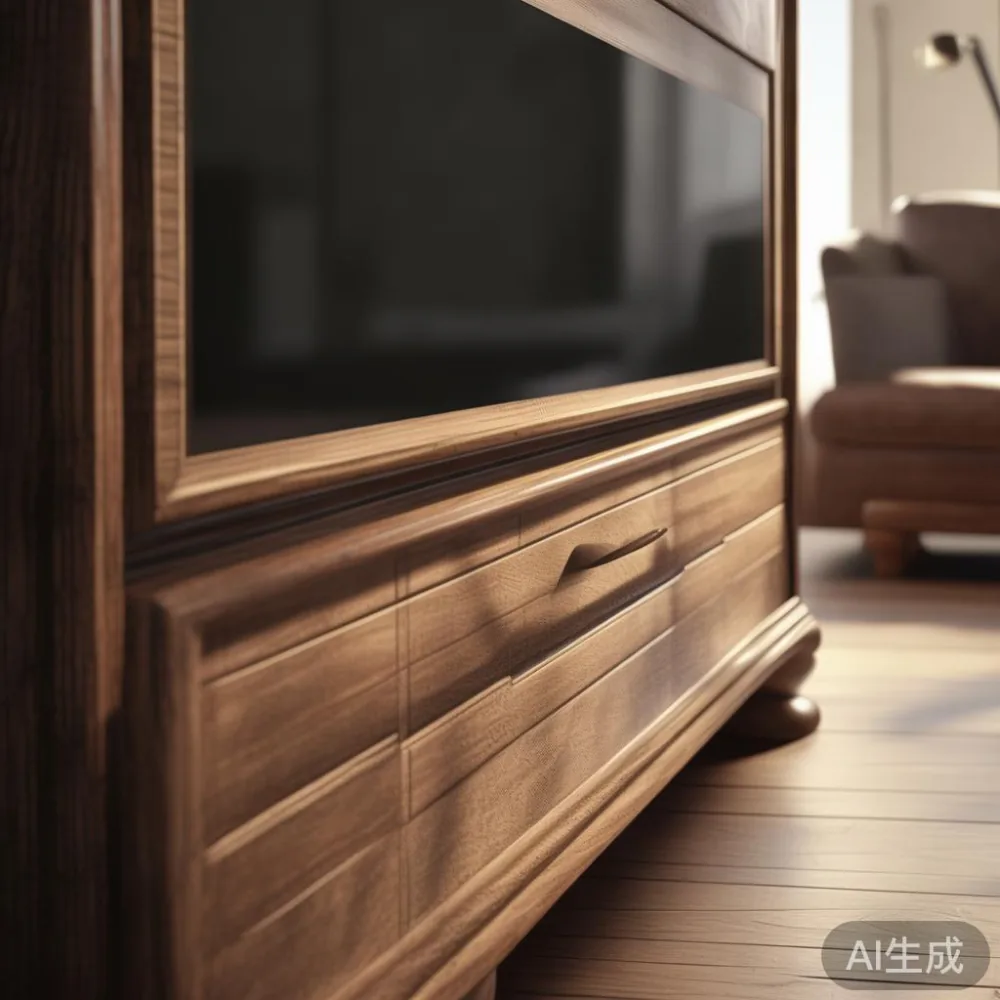
The finish is another area where craftsmanship shines. A high-quality finish is not just about making the wood look good; it's about protecting it for decades. This involves multiple stages of sanding, staining, and sealing. Each coat must be applied and allowed to dry completely before the next. A French light luxury style TV cabinet might feature a hand-rubbed French polish, a labour-intensive process that creates a deep, lustrous sheen that highlights the wood's natural beauty. This level of detail is impossible to replicate with a simple spray-paint job, which is common in cheaper, mass-produced items.
I tested this myself last month when I visited a workshop. I watched a craftsman spend the better part of a single afternoon just hand-applying the layers of oil and wax to a single small drawer front for a nightstand. The precision, the patience, the sheer dedication to creating a flawless surface was humbling. That drawer front, in the context of a large TV cabinet, represents hours of focused work that directly contributes to the final price tag. This dedication to quality ensures the piece not only looks beautiful but will last a lifetime, which is a promise many reputable makers stand by.
Design and Brand Philosophy: More Than Just Looks
The design of a TV cabinet is more than just its shape; it's about how it integrates into your life and home. A post-modern light luxury design, for instance, might feature clean lines, geometric forms, and a mix of materials like solid wood and marble. This requires not just woodworking skill but also an understanding of balance, proportion, and material fit. The marble table top for a TV cabinet, for example, isn't just a slab of stone; it must be precisely cut, polished, and securely mounted, adding both cost and complexity.
Design also dictates functionality. A simple, open-shelf TV cabinet is less complex to build than one with multiple drawers, soft-close hinges, integrated cable management systems, and hidden compartments. Each of these features adds to the manufacturing time and cost. A well-designed cabinet also considers the practical constraints of Singaporean living. For example, a cabinet designed for an HDB flat in Tampines must be mindful of standard lift and corridor widths. A piece that is 180 cm wide might be perfect for a living room but could be a nightmare to manoeuvre up a narrow service elevator or around a tight corner. Designers who account for these logistical realities are providing a valuable service that is reflected in the price.
Also, a brand's philosophy and commitment to quality play a role. A company that invests in sustainable forestry, uses non-toxic, eco-friendly finishes, and offers a 10-year structural warranty is building a product that is safer for your family and more durable in the long run. This commitment to quality and responsibility is part of the brand's value proposition and contributes to the price. You are not just buying a piece of furniture; you are investing in peace of mind and a product that aligns with your values.
How do I choose a shipping damage for a balcony?
The price of a TV cabinet is heavily influenced by its size, weight, and the complexity of its delivery and installation. A large, solid wood cabinet can weigh over 80 kg and measure 200 cm in length. Moving such a piece requires specialised equipment and experienced personnel. In Singapore, this means working through the specific challenges of apartment living.
For instance, delivering a heavy TV cabinet to a high-floor condo in Bedok involves not just a truck but potentially a smaller vehicle for the final leg of the journey, a professional team to carry it through the building's corridors, and possibly even a hoist if the service elevator is too small. These logistics add significant cost. A company offering free shipping over SGD 350 is in effect absorbing these costs for larger purchases, which is a significant value-add. This service ensures the product arrives at your home in perfect condition, ready to be enjoyed, without the stress and expense of arranging transport yourself.
Then there's the question of installation. A simple TV cabinet might just need to be placed in position. But a more complex piece, especially one that is part of a larger system like a solid wood sofa and a marble coffee table, might require professional assembly. The installers must ensure the cabinet is level, stable, and all components are correctly fitted. This skilled labour is part of the total cost of ownership and is a key reason why a premium piece costs more than a flat-pack alternative. It's the difference between buying a product and having a complete, professionally managed solution delivered to your door.
Understanding Value and Longevity
When you see the price of a high-end solid wood TV cabinet, it's easy to focus on the initial outlay. However, the true value is realised over time. A well-made cabinet is an investment that lasts for decades. Unlike a cheaper, engineered wood piece that might warp, crack, or simply fall apart after a few years, a solid wood cabinet can be refinished. A lifetime refinishing service, offered by some makers, means that if the cabinet gets scratched or the finish becomes dull, it can be brought back to its original glory for a fraction of the replacement cost. This extends the life of the furniture indefinitely.
Consider the alternative: buying a cheaper TV cabinet every 5-7 years. Over a 30-year period, you might spend SGD 1,500 on three low-quality cabinets. A single, high-quality solid wood TV cabinet costing SGD 3,500, with the option for refinishing, becomes a more economical and sustainable choice in the long run. This is the core of value: paying more upfront for a product that serves you better and for longer.
Also, a beautiful TV cabinet enhances your living space. It becomes a focal point, complementing your other furniture like a solid wood bed frame or a dining table. It adds a touch of elegance and permanence to your home, whether it's a cosy HDB flat or a spacious condo. This aesthetic and emotional value is something that cannot be quantified in dollars but is a real and important part of what you are paying for. It's about creating a home you love, not just filling it with objects.
How to Choose a Coastal Style
Ultimately, understanding what drives the price of a solid wood TV cabinet allows you to make a more informed decision. It helps you see beyond the sticker price and appreciate the quality of materials, the skill of the craftsman, the thoughtfulness of the design, and the practicalities of delivery and support. When you are ready to choose, consider the specific needs of your space in Singapore. Think about the style that speaks to you—be it French light luxury with its ornate details or American light luxury with its emphasis on comfort and practicality.
For example, if you are decorating a balcony in a condo and are wondering how to choose a coastal style for your outdoor furniture, the principles are the same. You would look for solid wood that can withstand the elements, like teak or a specially treated oak. You would look for craftsmanship that ensures durability and a design that complements the open, airy feel of a coastal aesthetic. The same criteria of material quality and construction apply whether the piece is for your living room or your balcony.
For those seeking a piece that balances quality, design, and practical value, the market offers excellent options. A reputable maker established since 2008, with a track record of exporting to over 15 countries, understands the global and local demands for solid wood furniture. Their 10-year structural warranty and lifetime refinishing policy are not just marketing points; they are concrete demonstrations of confidence in their product's durability. They also offer free shipping on orders over SGD 350 and a 14-day returns policy, providing a safety net for online purchases. This combination of quality assurance and customer-friendly services makes the investment in a solid wood TV cabinet a sound and satisfying one, ensuring it becomes a cherished part of your home for years to come.