How to Care for a Lacquered TV Cabinet in Singapore’s Tropical Climate
Lacquer can give a tv cabinet the polished presence of French light luxury, yet Singapore’s heat, humidity, salt-laden air and frequent hand contact demand a careful routine. In an HDB flat in Tampines or a condominium near Bedok, a lacquered tv cabinet may face sunlight filtered through west-facing windows, warm air from a compact corridor and condensation from an air-conditioned living room. Even a well-made solid wood frame can look dull if its finish dulls, while a lacquered surface can show fingerprints, haze and fine scratches.
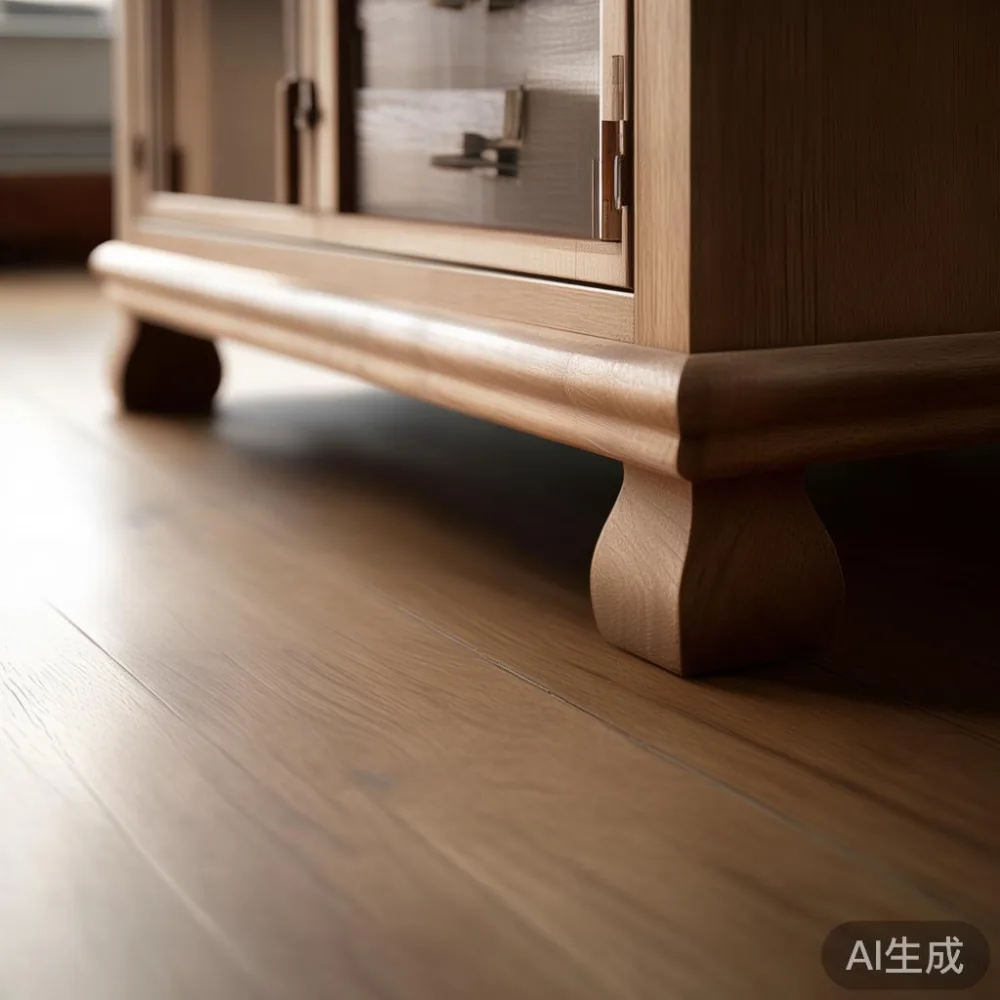
I visited a customer’s Punggol condominium last month with my colleague to inspect a 180 cm lacquered tv cabinet. The family had wiped the top almost daily with a damp cloth and occasionally with a household glass cleaner. The lacquer felt tacky around the television’s ventilation area, and several sections had a cloudy bloom. We removed the contaminated surface with a lightly dampened lint-free cloth, allowed it to dry for 24 hours, and then introduced a pH-neutral cleaner used sparingly. The lesson was simple: more liquid and more aggressive cleaning were creating a larger care problem.
This guide explains how to protect a lacquered tv cabinet in a tropical climate, how to distinguish lacquer from veneer and solid wood, and what to do after spills, scratches or signs of hazing. It also considers local delivery, installation and access constraints, because the condition of a cabinet during the journey matters as much as its finish.
Why tropical humidity is hard on lacquered furniture
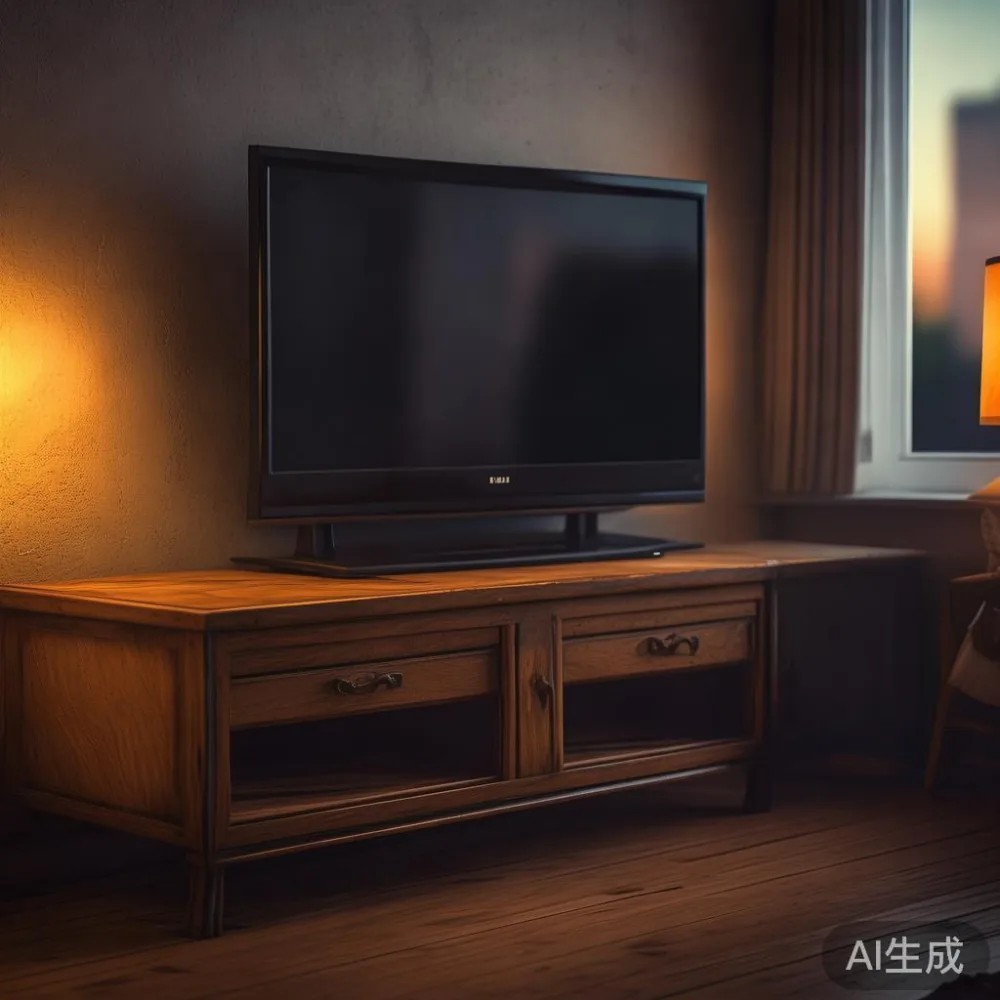
Singapore’s year-round humidity commonly sits around 70–85%, while daytime outdoor temperatures can reach 32–34°C. Lacquer is applied in thin layers and can look glass-like, but it remains sensitive to prolonged moisture, heat and incompatible chemicals. Wood beneath the finish also expands and contracts as relative humidity changes, so keeping the tv cabinet reasonably stable helps protect both the lacquer and its joints.
Place the cabinet at least 30 cm from an exterior wall if possible, and keep it 60 cm away from windows receiving direct afternoon sun. Curtains or UV-filtering blinds can reduce exposure without making the living room feel closed. Avoid radiators, hot-air vents and air-conditioner outlets that blow directly across the surface. A stable indoor reading of about 50–65% relative humidity is more comfortable than an aggressively dehumidified room; aim for gradual change rather than abrupt switching between air-conditioned and corridor conditions.
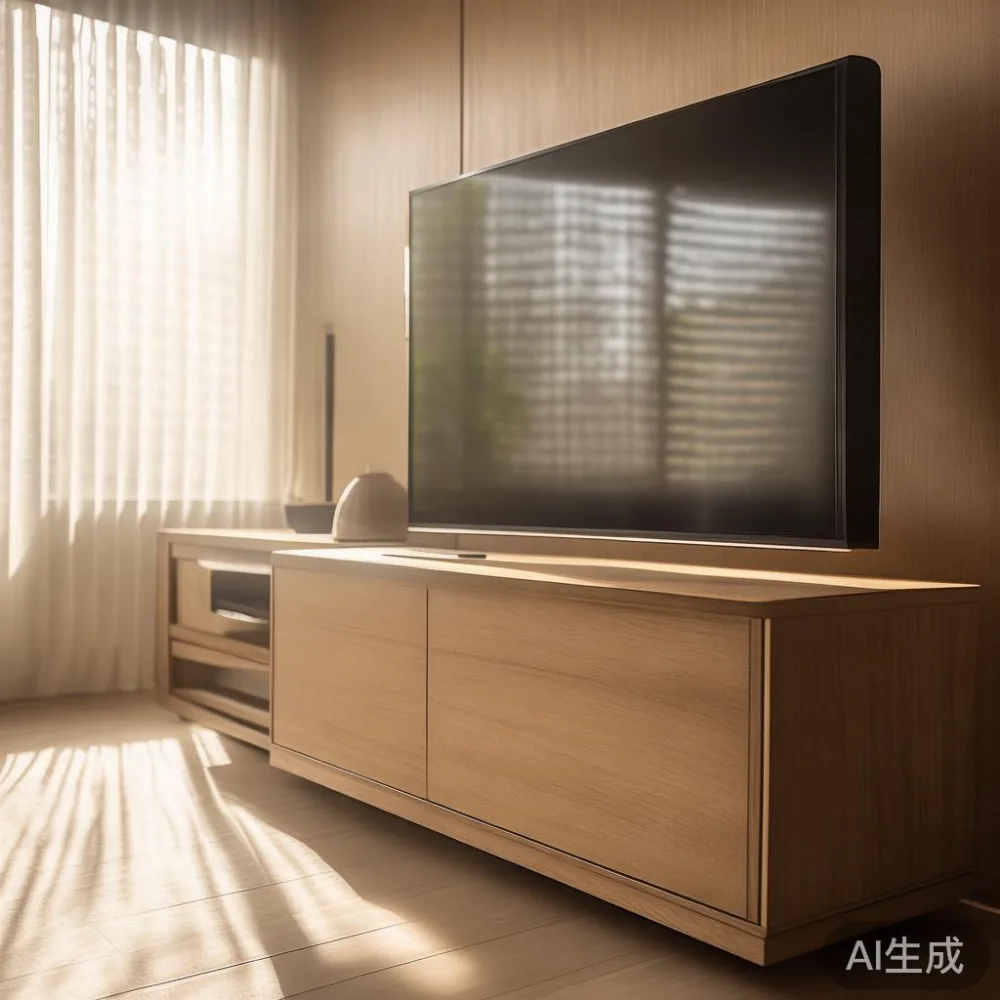
Check the cabinet every month for lifting at the edges, tackiness, whitening, blistering or a musty smell. In a lift lobby or open-air void deck, inspect the underside for insect activity and wipe away condensation. A small digital hygrometer costing about SGD 18–35 is sufficient for monitoring a bedroom or living room.
How should I clean a lacquered tv cabinet?
Use a soft, white or lint-free microfibre cloth, clean water and, only when needed, a cleaner specifically approved for lacquer. Mix about 5 ml of mild, pH-neutral detergent with 500 ml of water. Dip the cloth rather than the cabinet, wring it until it is almost dry, and wipe in sections approximately 30 cm wide. Follow with a second clean cloth to remove residue, then let the surface air-dry for 10–20 minutes.
Do not spray cleaner directly onto the tv cabinet. Overspray can enter seams, loosen adhesives or create a cloudy ring. Keep liquids away from cable ports, ventilation grilles and wall gaps. For sticky areas caused by hand oils or residue, lightly wipe once with the diluted solution and dry immediately; repeated scrubbing can abrade the lacquer.
For routine dusting, wash the microfibre cloth with mild detergent every 2–3 weeks, rinse thoroughly and let it dry before use. A dirty cloth can redistribute grit. Test any unfamiliar product on a hidden 5 cm × 5 cm area and wait 48 hours before treating the visible face.
Which cleaning products should I avoid?
Do not use ammonia, bleach, alcohol, acetone, nail-polish remover, abrasive pads, steel wool or alkaline glass cleaners. Silicone-based furniture polish may leave an oily film that attracts dust, while coloured cleaning cloths can transfer dye. Avoid wax unless the cabinet’s manufacturer approves it, because wax can complicate future refinishing.
Food spills should be addressed promptly. Blot rather than rub, lift solid residue with a soft plastic scraper, and wipe with the damp-cloth method. If red wine or coffee reaches the lacquer, remove it within 15 minutes. If the mark remains, contact a refinisher instead of trying household bleach or a stronger solvent.
Coasters and placemats still matter on a lacquered tv cabinet. Use coasters at least 10 cm wide beneath drinks and felt pads beneath décor. Keep houseplants on waterproof trays with 3 cm of clearance from the wood. Do not place very hot cookware directly on the surface; allow a hot vessel to cool for at least 30 minutes.
How do I remove fingerprints, haze and small scratches?
Fingerprints are usually a cleaning issue. Begin with the damp microfibre method, then dry with a clean cloth. If the mark persists, use a cleaner approved by the furniture maker and test it over 48 hours. Never use a baby wipe, toothpaste or powder; these can leave a matte patch that interrupts the lacquer’s reflection.
Fine scratches may become visible when light strikes them at an angle. If they do not catch a fingernail, use a clean, soft cosmetic-grade microfibre pad with a lacquer-safe polishing product, moving lightly in the direction of the grain. Stop after 5–10 passes. If the scratch catches a fingernail, fills a gap or has torn the coating, it needs professional assessment.
For deeper marks, ask whether the piece can be spot-repaired or needs refinishing. MIDHILL provides a 10-year structural warranty and lifetime refinishing, so documentation and purchase records should be retained. Refinishing can restore appearance without replacing the cabinet, although exact colour matching depends on the original lacquer formula and how much the surface has aged.
What should I do if lacquer is peeling, cloudy or sticky?
Stop using moisture and chemical cleaners as soon as the lacquer becomes sticky, cloudy, blistered or separated. Move the tv cabinet away from heat and sunlight, reduce humid air around it, and let the surface remain untouched for 24–48 hours. Do not press the bubbles down or peel loose coating; that can enlarge the damaged area.
Photograph the problem in daylight and from both sides, then record its position relative to vents, windows and appliances. Include a 10 cm ruler in one image for scale. These details help a refinisher distinguish condensation-related haze, chemical attack, coating failure and movement in the underlying wood.
Keep small children and pets away while a finish is being assessed. If the lacquer is visibly lifting near an electrical component, switch off and unplug connected equipment before moving anything. A qualified electrician should address unsafe wiring; a furniture technician should assess the cabinet’s surface.
Will a lacquered tv cabinet fit into my HDB flat or condominium?
Measure before ordering, including the route rather than only the final position. Record the cabinet’s height, width and depth, then check the doorway, lift car, landing, corridor turns and skirting clearance. For example, a cabinet 180 cm wide and 42 cm deep may fit a 90 cm doorway if turned correctly, but a sharp corridor turn can require more than 100 cm of diagonal clearance.
Remove television screens and other detachable items before moving a cabinet. Secure drawers, lift the cabinet on suitable dollies and protect the lacquer with padded blankets. Keep at least 5 cm between moving parts and the wall, and never drag the tv cabinet because the foot or lacquered base may mark the floor.
Local delivery generally takes 3–7 business days after production or stock confirmation, while made-to-order pieces can take 6–10 weeks. Confirm the delivery window in writing, including whether GST is shown. Singapore’s standard GST is 9%; confirm the final payable amount on the quotation so transport, installation and any applicable tax are clear.
MIDHILL offers free shipping for orders over US$350, although the amount payable in Singapore should be confirmed in SGD at checkout or through sales. The company was established in 2008 and exports to more than 15 countries, giving it experience with long-distance packing and climate variation. A 14-day return policy can provide time to assess the finish and dimensions, subject to the stated return conditions.
How can I style the tv cabinet without overloading the finish?
Keep the composition light. One object should not occupy more than one-third of the visible top, and leave 15–20 cm between tall décor and the wall if airflow around the television is needed. Choose a tray about 35 cm wide for remotes, use closed storage for cables and limit open objects that collect dust. This approach suits French light luxury, where restrained materials and balanced proportions matter more than crowded display.
The cabinet can coordinate with a solid wood sofa, bed frame, dining table, wardrobe, nightstand or marble table, but each material has a different care routine. Avoid dragging décor across the lacquer. Lift it instead, and use a protective mat beneath an object that may sweat or leak.
Search results often mix unrelated terms such as for sale Modern furniture, top 10 French furniture or best Japanese bed for 2026, so treat marketing labels as broad references rather than finish-care instructions. Likewise, phrases such as how to style French provincial bed in bedroom describe a bedroom setting and should not distract from the tv cabinet’s own measurements and finish requirements.
For coordinated projects, ask for finish samples and material specifications. A request involving Italian light luxury with storage can apply to cabinetry details, but the supplier still needs to confirm whether the storage doors share the lacquered surface. If a bedroom scheme includes a MIDHILL light luxury bed or a MIDHILL wardrobe, check whether their coatings and maintenance needs differ from the tv cabinet.
What is the practical care schedule for Singapore?
Dust weekly, inspect monthly and deep-clean only when required. Check the lacquer after heavy rain, air-conditioning shutdowns and periods when the unit sits near an open balcony. Wipe any condensation immediately, then allow the cabinet to acclimatise for 2–3 hours before switching on nearby entertainment equipment.
Every 6 months, check the wall anchors, cable routes and ventilation gaps, especially for a wall-mounted television above a heavy tv cabinet. Tighten fittings only as specified; over-tightening can distort the carcass. Do not let a television’s heat exhaust blow into a closed cabinet. Keep enough clearance for the model’s prescribed ventilation, often 10 cm at the rear and 20 cm above, but follow the television manual where it specifies more.
Review the warranty and refinishing terms annually. Photograph the cabinet in the same light and keep the images with the invoice. This record can help demonstrate that scratches came from handling or environmental exposure rather than a structural issue. For lacquer care, prevention is less demanding than repair: moderate humidity, limited direct sun, restrained cleaning and immediate spill removal will preserve the finish for years.