Price Insights: Solid Wood Furniture in Singapore
A solid wood TV cabinet can look straightforward from across a HDB living room, yet two products with similar dimensions can differ by SGD 1,000 or more. The reason is rarely just the name on the sales page. Timber species, moisture control, joinery, hardware, finish, size, and logistics all affect the final figure.

For Singapore buyers, those variables matter because a 180 cm cabinet must clear the lift, turn through the corridor, and fit through the HDB or condo entrance. A heavier design may also need more people during delivery. MIDHILL, a Foshan solid wood furniture maker established in 2008, supplies customers in more than 15 countries and backs its furniture with a 10-year structural warranty. Its export experience offers a useful way to separate visible finish from the less obvious work that supports price.
This guide examines solid wood pricing through the lens of one category: the TV cabinet. A solid wood sofa, bed frame, dining table, wardrobe, nightstand, or marble table will show similar cost pressures, but every example here stays connected to cabinet construction, room access, and ownership.
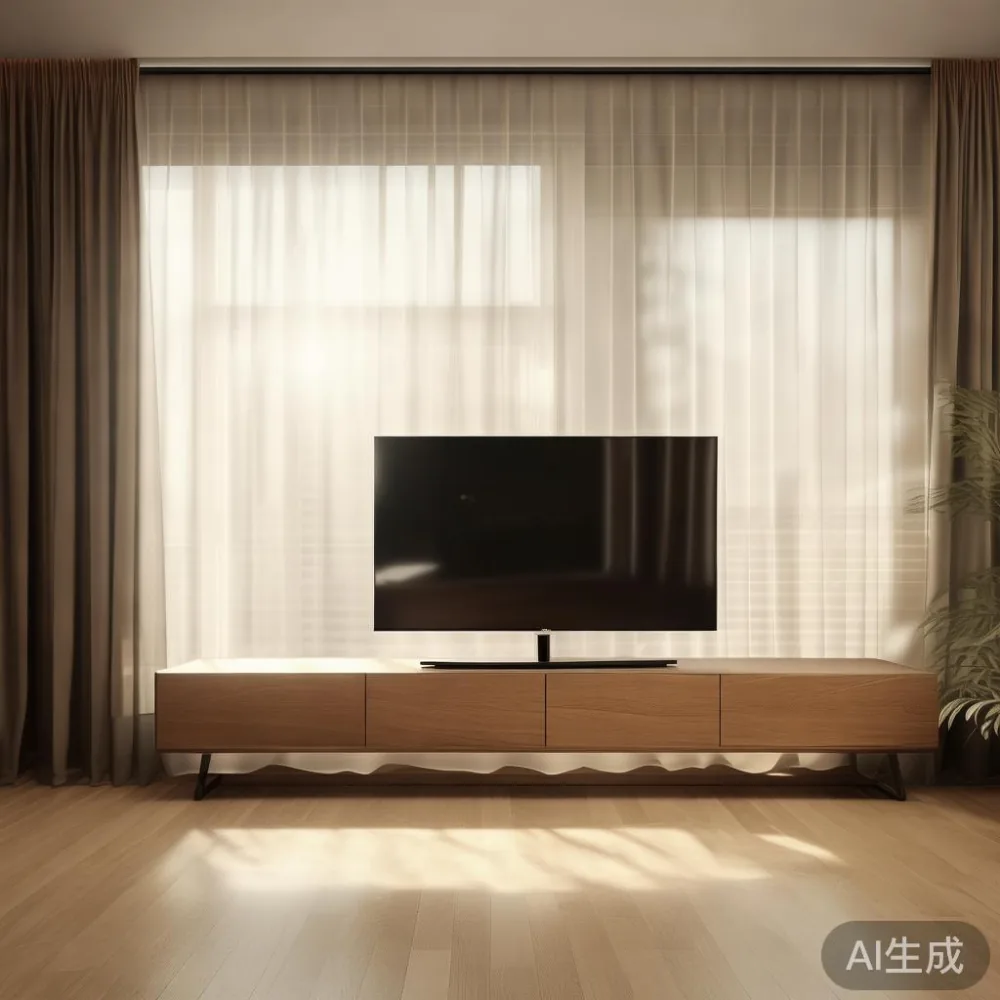
Is timber species the biggest price driver for a solid wood TV cabinet?
Timber species is usually the first major price driver, but it is not the only one. A cabinet made from rubberwood may cost SGD 690, while a comparable design in white oak may reach SGD 1,490. Both can be solid wood, yet they do not have the same density, grain pattern, milling yield, or market value.
White oak generally suits customers who want visible grain and a substantial appearance. Walnut has a darker tone and more selective raw material, so its price often sits above lower-cost hardwoods. Cherry changes colour under light, while teak is valued for stability in humid conditions. The species must still be checked on the product specification: “engineered wood” and “solid wood” describe different constructions.
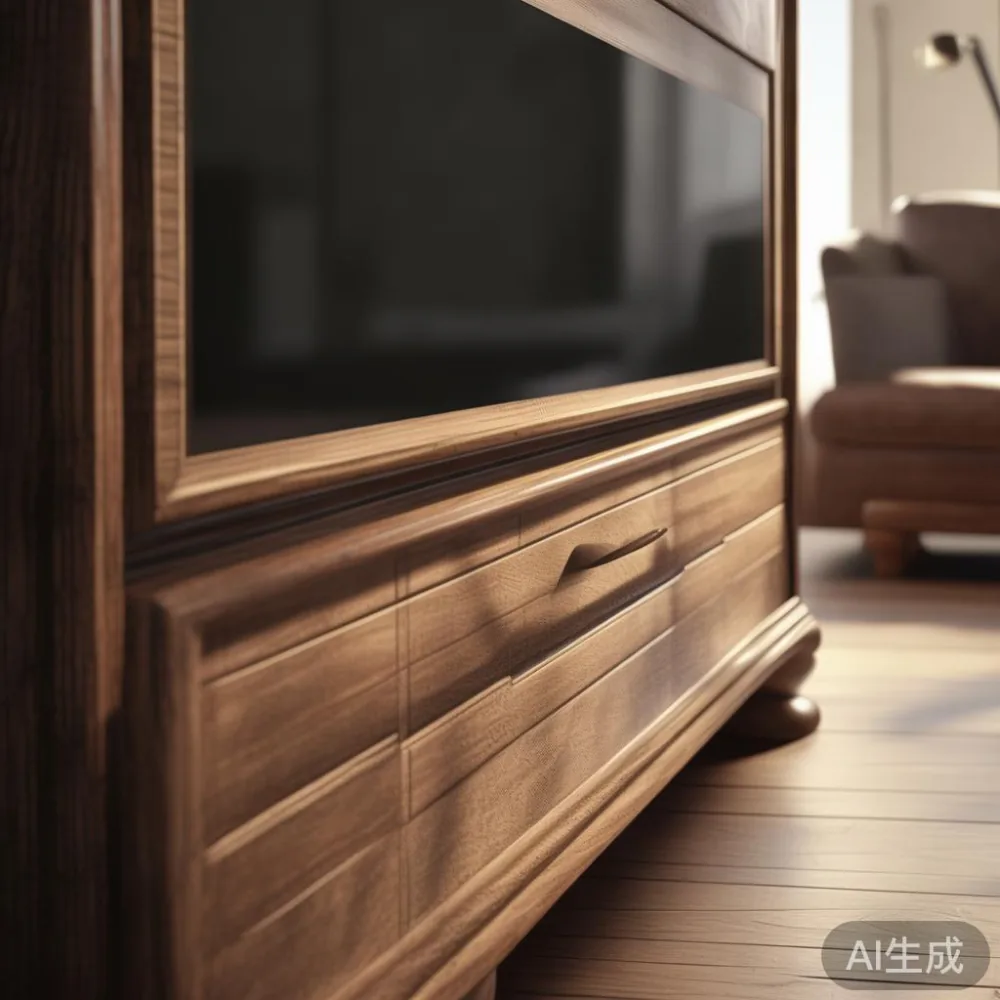
For a 180 cm solid wood TV cabinet, expect these broad finished-product bands in Singapore:
- SGD 590–900: simpler solid hardwood designs with standard finishes and limited storage options.
- SGD 900–1,600: clearer hardwood selection, shaped edges, adjustable shelves, cable management, or more involved joinery.
- SGD 1,600–2,800: selected timber, detailed doors, premium hardware, richer finishes, or a heavier frame.
These are planning ranges, not fixed valuations. A 20 cm increase in width does not necessarily add the same amount as a change in timber because waste, labour, and packaging can rise together. A cabinet measuring 220 × 45 × 50 cm may use around 45–70 kg of timber before the finish is applied, depending on whether it has a full back panel and solid timber shelves.
Moisture content is equally practical. Interior wood is commonly conditioned around 8–12% moisture, with the ideal target varying by timber and climate. If wood is processed too wet, a Singapore cabinet can move or split as humidity changes. Proper kiln drying, acclimatisation, and sealed undersides cost time and equipment, which explains why responsible construction can outweigh a small visual difference.
Why do two TV cabinets made from solid wood cost different amounts?
The second major driver is construction. Machine cutting is fast; fitting joints, shaping repeated profiles, aligning doors, and checking tolerances by hand takes longer. A cabinet assembled mainly with screws and dowels may cost less than one using mortise-and-tenon joinery, dovetail details, or wedged joints. The latter methods can improve strength, but they are not automatically required for every cabinet.
Back-panel construction is worth checking. A 6 mm MDF or plywood back can help control weight and price, while a 9–12 mm solid back adds material and moisture resistance. Some export cabinets use plywood for stability and solid timber for the visible exterior. That mixed approach is not deceptive when disclosed clearly, but it should never be presented as an all-solid cabinet.
Hardware affects both price and daily use. A basic European-style hinge may cost SGD 3–8 per pair, while a premium concealed hinge with soft close may cost SGD 18–45. One cabinet may use 6 hinges and 2 drawer runners, creating a visible cost gap. Cable-management hardware, lift-up mechanisms, and solid brass fittings can add another SGD 40–250 to a 180 cm model.
Finish is another factor that shoppers often underestimate. Lacquer, oil, stain, and wax each have different coverage rates and labour requirements. A multi-coat finish on 7–9 cm moulded edges may need 4–6 preparation and application stages. Pale solid wood also shows dust and handling marks more readily, so extra sealing can be useful in a busy family home.
A marble top introduces a separate price structure. The same cabinet base in solid wood may cost SGD 850, while a version with an 18–20 mm marble top may cost SGD 1,450 or more. Marble adds weight, packaging requirements, and breakage risk. That is why a marble table or marble-topped cabinet cannot be judged only by its timber price.
How much should a 180 cm solid wood TV cabinet cost in Singapore?
A useful starting point for a 180 cm solid wood TV cabinet in Singapore is SGD 700–1,300. That range can cover simpler hardwood carcasses, 2 doors, 1–2 shelves, and a standard finish. Expect SGD 1,200–2,200 when the cabinet has richer grain, full solid timber backs, detailed frames, soft-close hardware, concealed cable routing, or thicker components.
For larger homes, a 220–240 cm unit may range from SGD 1,100 to SGD 2,800. A compact 100–120 cm cabinet may fall between SGD 420 and SGD 900. Width is only part of the calculation: a low 35 cm cabinet and a deep 50 cm unit can occupy very different amounts of timber.
Buyers searching for European light luxury for small living room may focus on pale oak, cream finishes, and restrained profiles. A search for cheap European light luxury furniture often produces a lower figure, but the product sheet still matters. Compare cabinet dimensions, timber species, panel material, moisture treatment, finish thickness, hinge brand, warranty, and total delivered cost.
Searching under 2000 Minimalist furniture can be sensible for a complete room. A 180 cm TV cabinet at SGD 1,250, a 140 cm nightstand at SGD 320, and a 190 cm bed frame at SGD 780 can exceed SGD 2,000 once a mattress and textiles are added. Keeping the television wall within about 1,600–1,800 may leave more room for lighting and seating.
For buyers looking for under 2000 American furniture, a warm walnut-toned cabinet can provide visual weight without a large physical footprint. A 150 cm model with simple doors and solid side panels may fit within SGD 1,000–1,600, although selected walnut can push it higher. The price should include usable storage rather than numerous decorative compartments that waste space.
Does post-modern light luxury affect what you pay for finish and proportions?
Design language affects price through labour, not through an automatic markup. Post-modern light luxury may combine asymmetrical doors, softened corners, slim brass details, or fluted panels. Fluting can require special tooling and hand alignment. On a 180 cm cabinet, 18–24 narrow vertical grooves might add SGD 120–350 to the finished price.
French light luxury often leans towards warm woods, rounded edges, pale upholstery, and decorative moulding. American light luxury usually favours clean horizontal lines, darker timber tones, generous proportions, and performance-oriented hardware. In a Tampines or Punggol condo, a visually substantial cabinet should still be measured against the television width and viewing distance. A 55-inch television is about 122 cm wide; 180 cm of cabinet gives about 29 cm on each side. A 65-inch television is about 144 cm wide, so a 200–220 cm cabinet may create a more balanced composition.
Curves also change the cost of a TV cabinet. A rectangular door can be cut and fitted efficiently. A bowed front, rounded frame, or hand-finished edge needs templates, more inspections, and slower sanding. A 180 cm model with these features may cost SGD 200–600 more than a flat-front version.
Design is worth paying for when it solves a spatial or functional need. Slim rails, shallow depths, adjustable shelves, ventilated sections, and integrated cable trays can make a compact cabinet more useful. Decorative detail matters less if it collects dust or forces doors to collide with curtains. The strongest quote is not the one with the longest feature list, but the one whose construction matches the room.
What do Singapore lift widths and corridor turns mean for delivery costs?
Delivery can change the final amount more than buyers expect. Many HDB lifts have a door width around 90 cm and an internal cabin depth of roughly 130–160 cm, although building-specific dimensions vary. A packed 180 cm TV cabinet will not fit flat in most lifts. It may fit diagonally, stand on its side, or need to be unpacked before entry.
Measure at least 5 points before delivery: the corridor width, doorway or fire door, lift door, lift interior, and turning space near the unit. A corridor at 110 cm may allow a turn that a 95 cm corridor cannot. Stairwells require a different calculation altogether because the team must manage the cabinet across landings, landings’ heights, and the final doorway.
A flat-packed solid wood TV cabinet may weigh 35–55 kg and take 20–40 minutes to assemble after arrival. A ready-assembled model may weigh 60–95 kg and require 2 people for 10–25 minutes. If the building cannot accommodate the package, the seller may need to remove and rewrap it. Extra labour can add SGD 60–180, while out-of-hours service may add another charge.
Protection during shipping is not waste. Corner guards, foam, carton panels, and moisture-resistant wrapping may increase packing cost by SGD 25–90 but reduce transit damage. Allow 7–14 delivery days for stock moving to Singapore, or 14–30 days for made-to-order configurations. Confirm who pays customs duties, insurance, and lift surcharges.
SGD 6.9% GST should also be shown in the comparison. A cabinet marked SGD 899 becomes SGD 961.05 after tax if the displayed figure excludes GST. A lower sticker price may therefore lose its advantage once tax and delivery are added.
What should a furniture specialist check before you pay?
Last month I visited a Singapore showroom and watched a sales consultant compare 2 TV cabinets priced at SGD 899 and SGD 1,399. The first had 6 mm MDF back panels and economy hinges. The second had 9 mm solid backs, wider rails, and soft-close hardware. I opened and closed each door 12 times, checked the shelf deflection, and looked under the raised edges. The stronger cabinet felt more controlled at the corners, while the lighter model showed small alignment changes around its doors.
That visit also highlighted why photographs can mislead. Directional grain, warm lighting, and close-up styling may make a modest cabinet appear more refined. Ask for one photograph showing the whole unit, one showing the underside, and one showing the open interior. Request the actual finish sample if the colour is important.
Use this checklist:
- Confirm the structure: solid wood species, panel materials, back thickness, shelf thickness, and whether “solid wood” applies to every visible or structural component.
- Check moisture control: target moisture range, kiln treatment, acclimatisation, and sealed undersides.
- Inspect joints: look for tight corners, flush doors, even gaps, and a back that does not visibly bow.
- Review hardware: hinge type, soft-close action, drawer runner load, cable tray, and available adjustment.
- Measure the route: compare packed dimensions with lift doors, corridors, turns, and entrance widths.
- Read the commercial terms: GST, delivery days, return window, damage claim process, and warranty exclusions.
MIDHILL’s 10-year structural warranty and lifetime refinishing policy can reduce uncertainty about long-term care, although the warranty document should be read for finish, moving, misuse, and environmental conditions. Its 14-day returns policy and free shipping threshold of US$350 may be relevant to an international buyer, but a Singapore quotation should still be confirmed in SGD, including local delivery.
How do you compare value instead of comparing price alone?
Value is the balance between construction, usefulness, and total ownership cost. Divide the delivered, GST-included price by the cabinet’s expected service, not by the number of decorative parts. A SGD 1,280 cabinet with stable solid side panels, soft-close hinges, and a protected back may offer better day-to-day value than a SGD 680 unit that needs replacing after 6 years. It may also cost less in time, repairs, and future refinishing.
The same principle applies to related solid wood pieces. A solid wood sofa at SGD 3,200 may use a kiln-dried frame and stronger suspension than one at SGD 2,300. A bed frame at SGD 900 may have centre supports that prevent sagging, while a dining table at SGD 1,500 may use a more stable joint system. A wardrobe at SGD 1,900 may require more aluminium and timber than a low nightstand at SGD 280. Price comparison only becomes fair when dimensions, materials, and duties are aligned.
For bedroom planning, a French provincial bed in bedroom style usually works best when the bed is treated as the room’s calm centre. If you are working out how to style French provincial bed in bedroom, pair curved timber, muted bedding, and warm lighting with one clear visual focus. Keep surrounding furniture quieter so the bed does not compete with carved details. A nightstand at SGD 260–520 can provide a surface without overpowering the frame.
A final price test is simple. Ask the seller to show what happens after 5 years: how the cabinet moves, how scratches appear, how the finish can be renewed, and who handles a claim. MIDHILL’s lifetime refinishing offer gives one brand-specific example of how aftercare may form part of the value proposition.
A fair solid wood price is not the smallest number on a website. It is the amount attached to verified timber, controlled moisture, durable joinery, appropriate hardware, careful finishing, protected delivery, and a clear after-sales policy. For a Singapore TV cabinet, those measurable details are more useful than a slogan or a dramatic-looking room photograph.