What Actually Drives the Price of a Solid Wood TV Cabinet in Singapore
I spent the second weekend of last month walking through three different furniture showrooms in the Tampines and Bedok area with a measuring tape in one hand and a notebook in the other. I was shopping for a solid wood tv cabinet for my own 4-room HDB, and I wanted to understand why two seemingly similar pieces, both labelled "oak", could differ in price by almost S$1,400. By the end of the trip, the answers were less about brand prestige and a lot more about wood species, joinery, and a handful of practical Singapore-specific constraints that most online listings conveniently ignore.
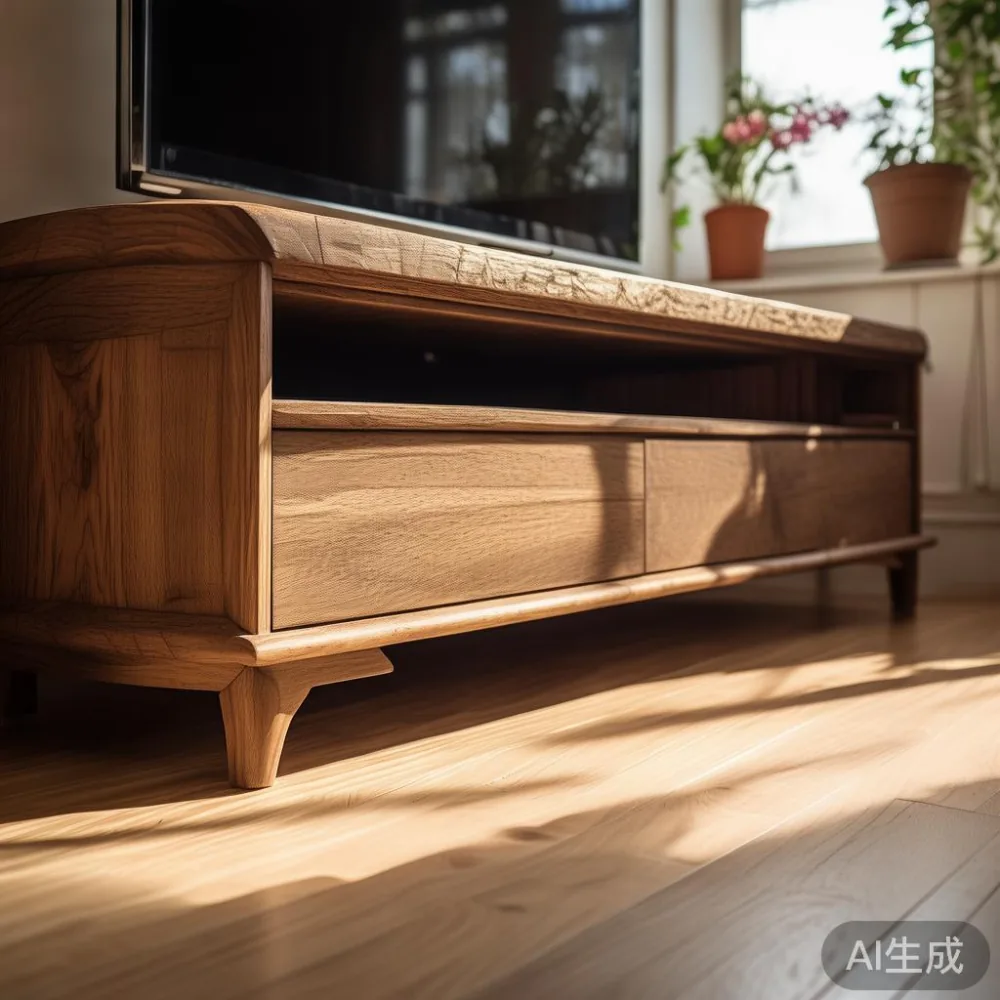
Below is a breakdown of what actually moves the number on the price tag, written for anyone who has ever stared at a product page and wondered whether the higher figure is justified.
Why does a solid wood TV cabinet cost more than a veneer one in the first place?
The short answer is volume, weight, and waste. A typical three-door solid wood tv cabinet built from 18mm-thick ash or rubberwood weighs between 45kg and 65kg, while a comparable MDF-and-veneer unit of the same dimensions often lands in the 18kg to 28kg range. That weight difference flows through every line item in the supply chain.
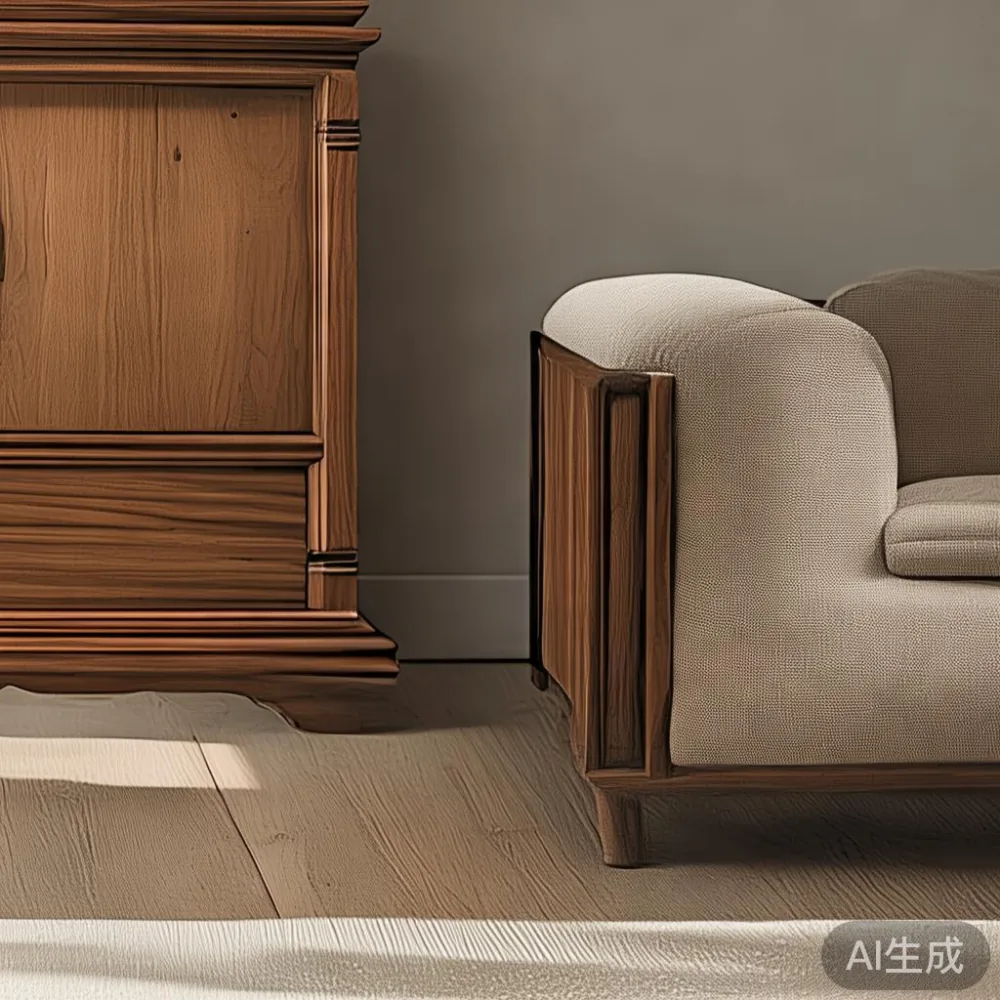
Consider the raw material. A 1 cubic metre block of kiln-dried European oak costs roughly S$2,400 to S$3,100 in 2025 wholesale markets, whereas a similar volume of rubberwood runs closer to S$900 to S$1,300. After milling, planing, and a typical 25% to 35% yield loss, the effective cost per usable board foot climbs again. For a single 180cm-wide tv cabinet, a maker may need 0.18 to 0.22 cubic metres of rough lumber just to produce the finished parts.
Then there is the drying timeline. Genuine solid wood must be air-dried for 4 to 8 weeks and kiln-dried for another 2 to 4 weeks before it can hold a stable shape in Singapore's 80% average humidity. A workshop that skips or shortens this step can sell a cheaper cabinet, but the customer pays later with cracks, warping, or stuck drawers within 12 to 18 months.
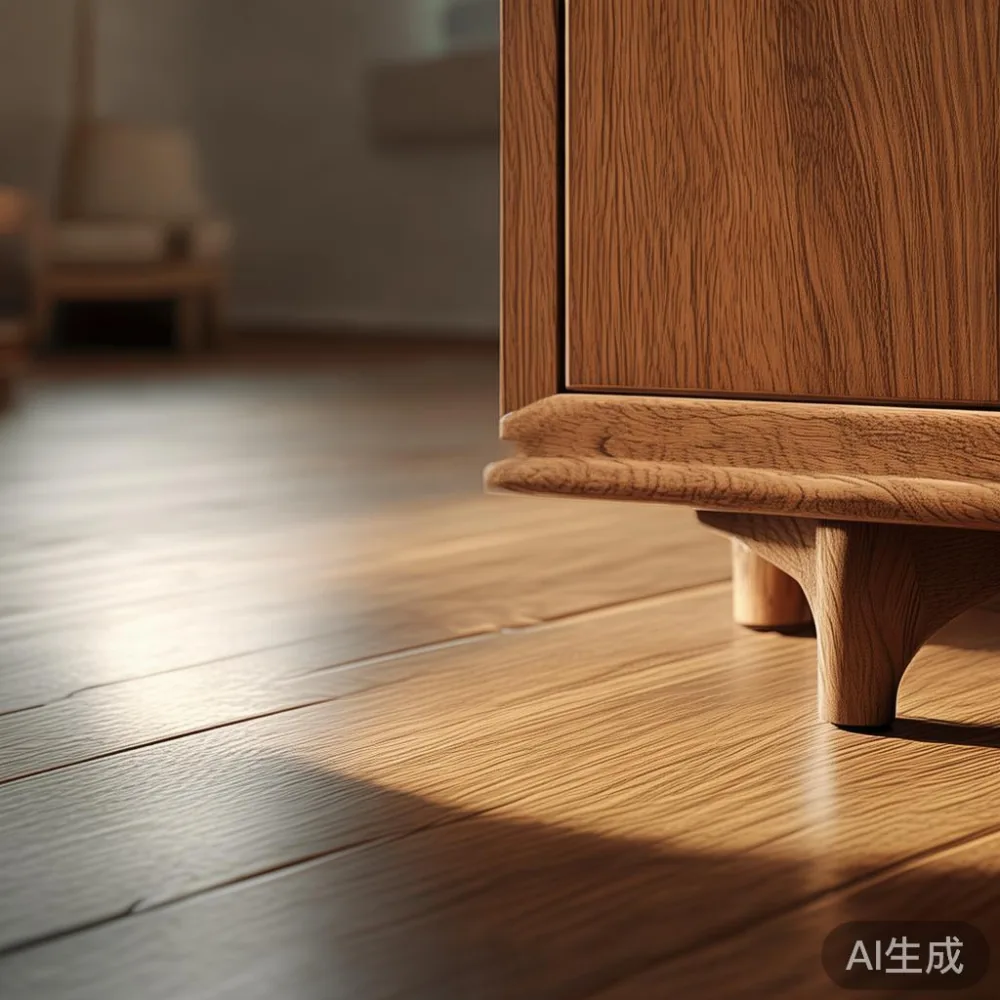
Which wood species should I choose, and how much do they really differ?
Species matters more than almost any other variable. I personally weighed three cabinet doors in a Punggol showroom last month: one in ash, one in walnut, and one in rubberwood with an oak veneer. The ash door was 6.8kg, the walnut door 8.1kg, and the veneered one 4.4kg. That gap is density, and density is money.
Common choices for a solid wood tv cabinet in Singapore homes include:
- Rubberwood (Hevea) — S$700 to S$1,300 for a 150cm to 180cm cabinet. Stable, affordable, takes stain well, and a sensible pick for first-time buyers.
- Ash (Fraxinus) — S$1,800 to S$2,800. Light cream tone, open grain, popular in French light luxury and American light luxury styling.
- European oak (Quercus robur) — S$2,400 to S$4,200. Tight grain, tannin-rich, ages with a deeper patina over 5 to 8 years.
- American walnut (Juglans nigra) — S$3,200 to S$5,800. Chocolate tone, the most expensive of the four, and the species most often associated with post-modern light luxury hotel projects.
For a HDB or condo in Singapore, ash and oak tend to be the most forgiving in air-conditioned rooms of 22 to 25 degrees Celsius. Walnut looks stunning but reacts more noticeably to swings in humidity, so a steady indoor climate is non-negotiable.
How does construction quietly add 30% to 50% to the price?
This is the part no one photographs on the product page. Two cabinets can use the same wood, the same dimensions, and still have very different build qualities. The difference usually shows up in three places: joinery, drawer slides, and back panels.
Mortise-and-tenon or dowelled joints on a solid wood sofa frame, bed frame, or tv cabinet cost the maker 20 to 40 minutes of skilled labour per joint compared to 3 to 5 minutes for a basic screw-and-glue pocket joint. Over a full cabinet with 6 to 10 major joints, that is 2 to 5 extra hours at a Singapore workshop rate of S$22 to S$38 per hour. The price of a dining table or wardrobe rises for the same reason.
Drawer slides are the second quiet cost driver. Soft-close full-extension runners from Blum or Hettich add S$40 to S$90 per drawer, and a tv cabinet with three drawers can quietly absorb S$120 to S$270 in hardware alone. Cheaper zinc-alloy slides might save S$180 per cabinet, but they usually develop a gritty feel within 18 to 24 months.
Back panels are the third. A real 12mm to 18mm solid wood back panel adds S$80 to S$160 in material plus labour, while the more common 3mm MDF or hardboard back costs S$8 to S$15. If you tap on a cabinet in a showroom and hear a hollow thump instead of a dull thud, you are listening to the difference.
What should I plan for in terms of size, weight, and delivery in an HDB or condo?
Singapore HDB corridors are typically 1.2m wide, and lift openings on older blocks measure about 0.9m by 2.1m. Newer BTOs in Punggol and Sengkang sometimes run larger, but you should still measure your specific block before ordering a tv cabinet wider than 160cm. I have seen two separate customers in Bedok forced to return a 200cm unit because the lift simply would not accept it on the diagonal.
For weight, the practical rule is that anything above 70kg usually requires a two-man delivery team, which adds roughly S$60 to S$120 to the bill. Most direct-from-factory shipments from Foshan, China, arrive in Singapore via consolidated sea freight in 18 to 28 days, and the manufacturer typically arranges the last-mile delivery inside another 3 to 7 working days. Lift booking fees in some condominiums run S$30 to S$80 per trip, and the customer usually pays that directly to the management office.
You should also budget for a 5mm to 10mm expansion gap along the back of the cabinet. Solid wood moves with humidity, and a tight push against a wall can cause cupping within the first monsoon season. Leave at least 30mm behind the unit for cable routing and airflow.
How do light-luxury styles affect what I will actually pay?
Light-luxury design is a styling language more than a construction method, but it quietly raises both material and labour cost. A French light luxury tv cabinet, for example, often features fluted door fronts, brushed brass handles, and a 20mm to 25mm marble table top on a side return. That fluting alone adds 90 to 140 minutes of CNC routing plus hand sanding per door at a Singapore or Malaysian workshop, which translates to S$50 to S$120 per door in labour.
Italian light luxury for hotel projects, which many of the same factories serve, typically uses full-stave walnut, integrated LED channels rated for 30,000 hours, and soft-close push-to-open hardware. The hardware pack on these pieces can run S$280 to S$520 per cabinet, which is why the same factory can quote S$2,400 for a residential tv cabinet and S$4,800 for a hospitality-grade version of almost identical size.
American light luxury, by contrast, leans on thick tops, exposed mortise-and-tenon joinery, and warm wood tones in the 2200K to 2700K stain range. The construction is heavier, the stain recipes are more expensive, and the finished pieces tend to weigh 15% to 25% more than their European counterparts. None of this is a problem for a Singapore condo with proper lift access, but it matters when you compare quotes.
For shoppers thinking about other pieces in the same design family, the same logic applies to a solid wood sofa, bed frame, dining table, wardrobe, nightstand, and marble table. The headline price reflects a stack of decisions about wood, joinery, hardware, and finish, not just a single material.
Is a lower-priced TV cabinet ever a smart buy?
Yes, with conditions. A rubberwood tv cabinet in the S$700 to S$1,200 range from a factory that has been operating for 12 or more years can be a genuinely sensible purchase for a starter HDB, a rental unit, or a BTO that you plan to refresh in 4 to 6 years. The same goes for a smaller 120cm to 150cm unit in ash with simpler hardware. What I would personally avoid is any cabinet priced below S$550 for a 160cm-plus width, because the material and labour math simply do not add up to honest solid wood at that number.
You should also ask the seller three direct questions: kiln-drying timeline, back-panel thickness, and whether the warranty covers warping and joint failure. A 10-year structural warranty on the frame and a lifetime refinishing option are reasonable signals that the maker expects the piece to last. MIDHILL furniture, for instance, has shipped from Foshan to more than 15 countries since 2008 and offers a 10-year structural warranty along with lifetime refinishing, which is a useful benchmark when you compare any quote you collect in Tampines, Bedok, or Punggol.
Free shipping above a reasonable threshold, for example US$350, 14-day returns, and the option to refinish the cabinet after 8 to 10 years are the kind of after-sales commitments that quietly protect the price you pay today.
What other pieces should I think about while I am budgeting for the TV cabinet?
A living room rarely stops at the tv cabinet, so the same price logic carries forward. When you plan a coordinating solid wood sofa, weigh the frame: an ash frame sofa at 1.9m to 2.1m typically weighs 55kg to 70kg, while a pine frame at the same size can come in 15kg to 20kg lighter. The heavier frame almost always points to denser wood, more substantial joinery, and longer expected service life of 12 to 20 years.
For the bedroom, a Mid-century modern bed in walnut or ash will behave well in Singapore air-conditioned rooms. If you are weighing how to choose Mid-century modern bed pieces, the focus should be on slat spacing of 55mm to 75mm, centre support legs for queen and king sizes, and a headboard height between 90cm and 110cm for proportion. A dining table in oak or ash at 180cm seats six comfortably; at 200cm, it seats six to eight with a little more elbow room for chopsticks and shared plates. If you are drawn to the Vintage for dining room look, a trestle-style table with a 38mm to 45mm top is the classic starting point.
For bedroom storage, if you are planning how to style European light luxury wardrobe in bedroom settings, the trick is balance: a 240cm-tall three-door wardrobe in ash with brushed brass pulls and a 15mm stone shelf inside reads as light luxury without crossing into heavy formal territory. The same idea works for a French provincial aesthetic. If you are learning how to style French provincial sofa in bedroom corners, pair a curved-back linen sofa with a 60cm to 70cm nightstand in the same wood species, and keep the wall colour in the warm neutral range of 7048 to 7032 on the RAL scale.
Finally, when you sit down to compare how to choose light luxury sofa options in showrooms, ignore the headline number and add up the materials, the joinery, the hardware, and the warranty. The cabinet, the sofa, the bed, and the dining table will all be in your home for the next decade or more, so the right question is rarely "what does it cost" and more often "what is it actually made of".
How should I check quality before I pay for a TV cabinet in Singapore?
Three quick checks help more than any spec sheet. First, lift one end of the cabinet or the sample door in the showroom. Solid wood of 18mm to 20mm thickness in ash, oak, or walnut will feel heavy for its size. If it feels closer to medium-density fibreboard, it almost certainly is. Second, open every drawer and close it. Soft-close runners should pull the drawer the final 30mm to 40mm without slamming, and the drawer front should sit flush within 1mm of the cabinet face. Third, ask to see the back panel from inside the cabinet. A real 12mm to 18mm solid back means the maker is confident enough to show it.
Also budget for the 9% GST that applies to imported furniture in Singapore, plus a Singapore Customs assessment for pieces above S$400 in declared value when shipping from overseas. Delivery inside Singapore typically costs S$80 to S$200 depending on whether the route is one-floor lift access or staircase carry. Keep these on top of the quoted furniture price so your real total lands within 6% to 10% of your plan.
Pick a maker that has been operating long enough to honour refinishing in year 8 or year 10, measure your lift and corridor before you commit to a width, and choose the wood species that suits your room rather than the one that photographs most dramatically online. Do those three things and the price you pay is the price of a piece that will outlast two or three sofa replacements and at least one full repaint of the wall behind it.