Caring for a Lacquered TV Cabinet in Singapore’s Tropical Climate
A lacquered tv cabinet can look crisp and architectural in a Singapore home, but constant humidity, warm air and salt require a disciplined care routine. The finish may be glossy, satin or matte, yet the basic risks remain: water spotting, colour shifts, sticky surfaces and swelling around joints. For residents of HDB flats in Tampines, Bedok and Punggol, as well as owners of compact condos, careful placement and simple weekly habits make a noticeable difference.
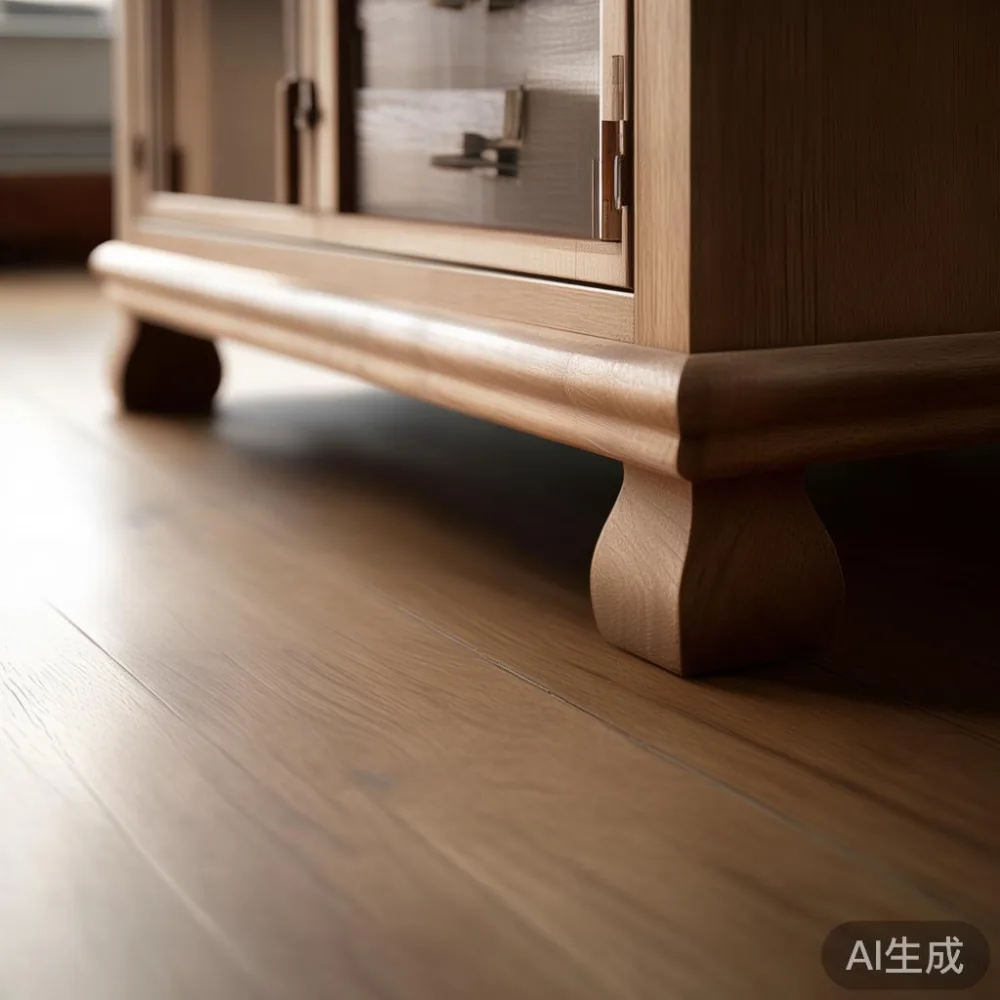
MIDHILL designs lacquered cabinets around the realities of humid interiors, balancing clean post-modern lines with warm solid timber. A lacquered tv cabinet should feel like fitted joinery rather than disposable furniture: stable, repairable and appropriate to the dimensions of local corridors and lifts. This guide explains how to protect that finish without stripping it, how to identify the lacquer type, and when a professional repair is sensible.
Why does humidity affect a lacquered tv cabinet in Singapore?
Singapore’s relative humidity commonly ranges from about 65% to 85%, while daytime temperatures can sit between 27°C and 33°C. Lacquer is less porous than unfinished wood, but its substrate and edges still respond to moisture. A cabinet kept near an open balcony or an air-conditioning vent may repeatedly expand and contract. That movement can produce a faint haze, lifting at the rear edge or a gap where a sliding panel meets its track.
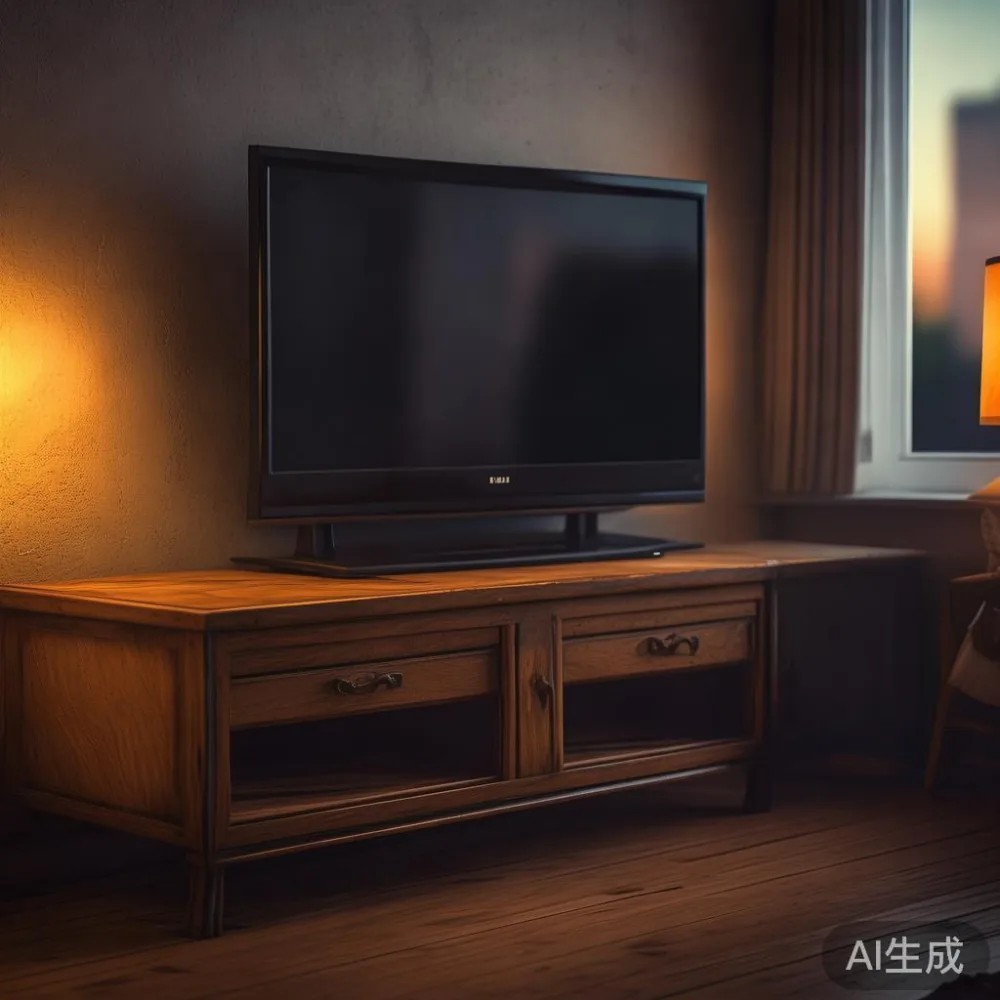
Humidity alone does not mean the cabinet will fail. The key is environmental balance. Aim to keep the piece at least 30 cm from an exterior wall, 60 cm from a window and 1.5 m from a bathroom doorway. Avoid placing it directly above a radiator-like appliance enclosure or behind a television that vents heat. A hygrometer is inexpensive: place one within 1 m of the cabinet and check it during the wetter evening hours. Readings near 60% are generally more comfortable for timber than readings above 80% for long periods.
Air-conditioning helps because it lowers both temperature and moisture. Running the room for 30 to 60 minutes before use can create a more stable setting, although the cabinet should not be exposed to a direct cold draught. In a corridor, use a moisture-reading device rather than guessing from condensation on a drinking glass.
How do I identify the finish before cleaning it?
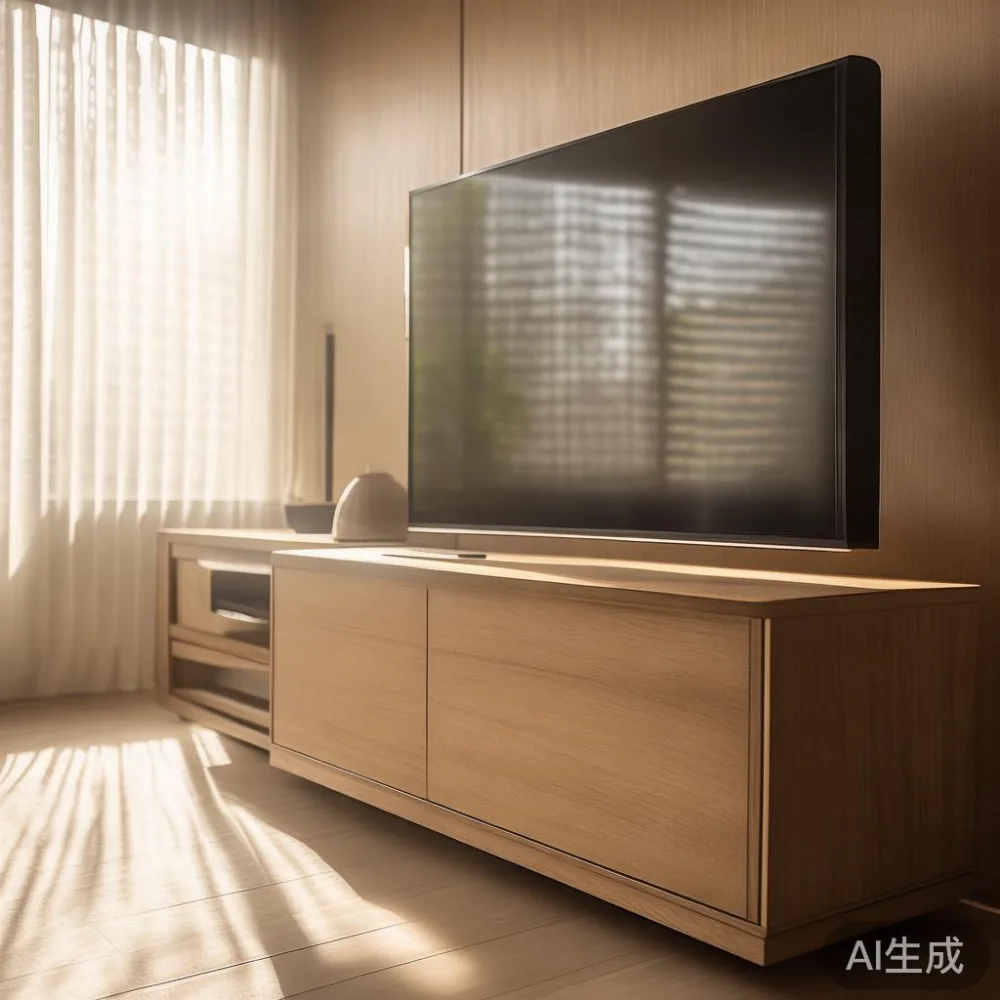
Turn off the television, wait 10 minutes for the cabinet to cool, and inspect the surface under daylight. Glossy lacquer reflects light sharply and often shows fingerprints. Satin lacquer creates a softer reflection, while matte or super-matte lacquer shows texture more clearly. Some cabinets use a clear water-based lacquer over solid wood; others combine lacquered panels with solid timber frames and stained finishes.
Always start with the maker’s care instructions. If a label is missing, test a hidden 5 cm area near the rear. Wipe it once with a lightly damp microfibre cloth and wait 15 minutes. There should be no colour transfer, tackiness, dulling or softening. Avoid using isopropyl alcohol, household glass cleaner, vinegar, ammonia, bleach, silicone spray or furniture polish. These products can strip the topcoat or leave a patchy film.
A sensible cleaning kit costs less than SGD 20: 2 clean microfibre cloths, 1 soft detailing brush and a pH-neutral cleaner approved for lacquer. Keep the cleaning liquid in its original bottle. Never spray it directly onto the cabinet; mist the cloth instead, using no more than 5 ml per square metre. The aim is to remove dust without flooding the edge or feeding moisture into the substrate.
What is the safest weekly care routine?
Use a dry microfibre cloth every 7 days. Move in straight, overlapping strokes from the back of the cabinet toward the front. Dust can act as an abrasive, particularly around speaker grilles, cable openings and sliding-door rails. A soft brush with 10 mm bristles can release particles from narrow gaps, but it should never scratch lacquer.
For marks, lightly dampen the second cloth with water or the approved cleaner. Wring it until it is damp but cannot drip, then test the hidden area again. Wipe with the grain of the panel rather than in circular motions. A clean, dry cloth removes the final moisture. Clean one section at a time and wait 20 minutes before placing ornaments or operating the doors.
Coasters and felt pads are inexpensive protection. Use a coaster at least 8 cm across beneath a plant, and place a trivet at least 5 cm above the cabinet top. Keep paper towels, wet towels and potpourri away from lacquer. Wipe any spill within 5 minutes. In a family home, install a cabinet door with a soft-close hinge and a separate media console where children frequently use markers or crafts.
For lacquered, solid wood furniture elsewhere in the home, apply the same restraint. A solid wood sofa, bed frame or dining table may tolerate a slightly damp cloth because its finish differs, but a lacquered panel does not. Anyone comparing a European sofa bed with storage for a HDB flat should also check the moisture level of the room where the bed is assembled.
How should I control heat, sunlight and ventilation?
Heat is often a greater daily threat than a small spill. Television sets and game consoles can release heat through rear vents. Leave at least 10 cm behind the cabinet and 15 cm above it, unless the product specification states otherwise. Check the set’s manual because some wall-mounted models require a 20 cm service gap. Route cables through the cabinet’s rear openings instead of trapping them against the back panel.
Singapore sunlight is intense. UV exposure can fade a cabinet’s colour long before the lacquer appears damaged. Keep a television or glass-front display at least 1 m from a west-facing window, or use a curtain with a UV filter. Rotate ornaments every 3 months so one section does not become noticeably lighter. Pale cream lacquer can show yellowing under warm light, while dark brown finishes can reveal fading more clearly under bright daylight.
Do not seal the cabinet in an airtight plastic cover. It needs air circulation, particularly in an HDB unit where the living room may share a wall with a corridor. If the home is vacant for more than 14 days, ask a trusted person to open the windows briefly and run the air-conditioner for 30 minutes. This simple check reduces trapped humidity and discourages mould around the cabinet plinth.
How do I remove fingerprints, haze and small scratches?
Fresh fingerprints can often be removed with the damp-cloth method described above. Persistent haze usually indicates residue from an unsuitable cleaner, so stop using that product. Apply a lacquer-safe cleaner to the cloth, not the panel, and wipe twice with a clean section. Never rub a haze until it disappears; repeated friction can create a matte patch in a glossy finish.
For a fine scratch less than 1 mm wide, try a clean, soft cotton cloth with a small amount of lacquer-safe polishing product. Test for 15 minutes, then inspect under angled light. Stop after 3 gentle passes. A deeper scratch may expose primer or timber and is not a candidate for household polishing. Photograph it with a ruler beside it, then request a colour-matched repair from the cabinet maker.
Small chips around corners and door edges are common in high-rise living rooms. Prompt treatment prevents exposed timber from taking up moisture. MIDHILL offers lifetime refinishing on qualifying products, which can be valuable when a lacquered tv cabinet needs attention after years in a humid environment. The service terms should be confirmed at purchase because lacquer, stain and solid timber may require different procedures.
How do I move a lacquered cabinet through HDB corridors and condo lifts?
Measure before delivery day. Record the cabinet’s height, width and depth, then compare it with the lift door, lift car and the route from the ground floor. A common HDB lift door is about 80 to 90 cm wide, while the car may be around 140 cm deep. If the cabinet cannot enter upright, check whether it can be tilted without loading the joints. The packaging team should state the method rather than improvise at the landing.
Remove shelves, doors and drawers where the design allows. Wrap each component separately, label every fitting, and photograph the condition before loading. Carry the cabinet with 2 people even when its shipping weight is only 35 kg; awkward dimensions matter more than the number printed on the carton. Use the lift whenever possible rather than carrying a long package up a corridor.
For condos, check the building’s moving-in rules, reserve the service lift, and protect the corridor floor with 2 mm cardboard sheets. Do not schedule delivery during the 12 to 2 p.m. period if residents and school children are using the lobby. MIDHILL’s free delivery over US$350 may be converted to a local threshold for eligible Singapore orders; GST and final charges should be confirmed before dispatch. Delivery timing commonly takes 7 to 14 days after production, depending on stock and access.
What should I inspect during the first 30 days?
Check the cabinet every day for 7 days, then weekly for 3 weeks. Look for movement at the wall, a gap under the plinth, swollen edges and doors that no longer sit square. Keep a small packet of spare fixings and the product-care leaflet inside the cabinet. Record the serial number and warranty documents, including the 10-year structural warranty supplied with qualifying MIDHILL furniture.
Allow the cabinet to acclimatise before installing electronics. Leave it in position for at least 48 hours, with panels protected from direct air-conditioning airflow. If it was delivered during very wet weather, inspect the underside after 7 days for dampness. This is especially important for a solid wood dining table or bed frame placed in the same room, as one unstable piece of furniture can affect the conditions around the other.
Singapore’s 14-day return policy provides an early opportunity to identify visible finish defects, but it does not make the cabinet immune to humidity after it stays in the home. Report transit damage within 48 hours and photograph all sides. Surface-cleaning products, electrical work and self-repair of structural joints may affect return eligibility, so ask for written instructions.
How does care fit into a light-luxury interior?
Light luxury depends on proportion, material and restraint as much as on expensive decoration. French light luxury might place a pale lacquered tv cabinet beside a sculptural solid wood sofa and a marble table with veined surfaces. American light luxury may use a darker cabinet, simple metal accents and clean horizontal lines. Post-modern light luxury can combine lacquered planes with warm timber, rounded furniture and carefully spaced objects.
For a client asking how to style French provincial sofa in bedroom, the answer is not to overcrowd the room with matching pieces. Allow the lacquered cabinet, bed frame, wardrobe and nightstand to share one palette. A cream cabinet may work with oatmeal upholstery; a deep brown cabinet may suit a muted green room. Keep the styling intentional rather than filling every surface.
For a customer comparing a European bed worth it for a compact Tampines flat, consider delivery access, dimensions and humidity performance, not only appearance. A search for the best French bed for 2026 should also include the mattress clearance, lift route and service terms. For dining space, an under 2000 Modern light luxury furniture project can include a MIDHILL dining table, but maintain at least 90 cm between the table edge and a cabinet or wall so cleaning remains practical.
Luxury light luxury furniture is not a reason to neglect care. In fact, careful maintenance protects the visual calm that defines the style. A lacquered cabinet should appear quiet and composed, without sticky fingerprints, cloudy patches or swollen joints. Spend 10 minutes each week, check the humidity every 14 days, and arrange professional refinishing when the finish has reached the limit of safe household repair.