Maintaining Lacquered TV Cabinets in Singapore’s Climate
A lacquered tv cabinet can look crisp and refined in a Singapore home, but humidity, heat, salt air and daily handling can cloud the finish if care is careless. This guide is aimed at residents of HDB flats and condos in Tampines, Bedok, Punggol and other high-humidity districts, where a tv cabinet may face condensation from an air-conditioned room, warm air from a corridor, or long periods of closed ventilation. The advice applies to lacquered wooden surfaces, including cabinet doors, drawers, frames and tabletops. It also works around practical constraints such as narrow lift doors, corridor turns and the need to move furniture without damaging its finish.
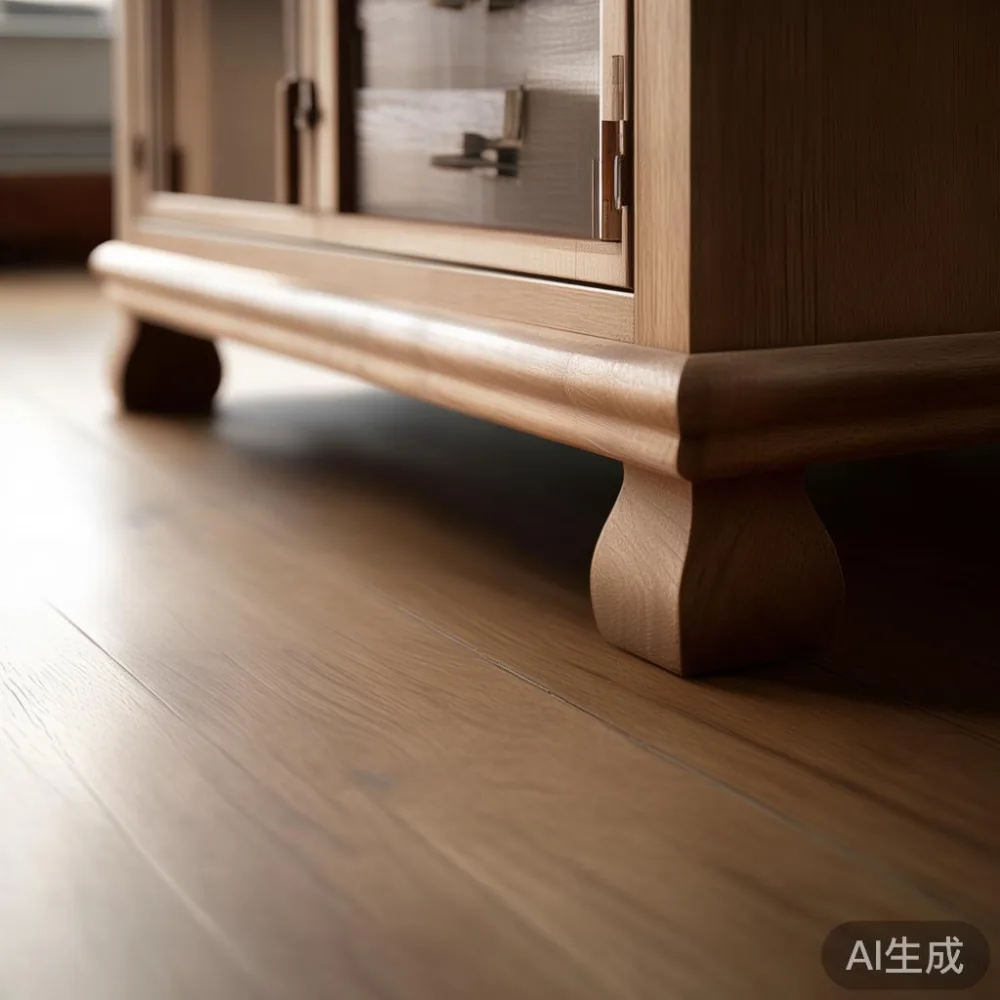
MIDHILL has manufactured solid wood furniture since 2008 and exports to more than 15 countries. Its 10-year structural warranty and lifetime refinishing service provide a useful framework for long-term ownership, although every lacquered surface still needs sensible care. A Singapore order over US$350, roughly SGD 465 at an indicative exchange rate of US$1 to SGD 1.33, qualifies for free shipping under the stated policy; 14-day returns are also available. Delivery timing, access details and GST should be confirmed when ordering because traffic, lift bookings and a measured versus unmeasured freight quotation can affect the final cost.
How do you care for a lacquered TV cabinet in a tropical climate?
Clean it gently, control moisture and protect it from direct heat. Wipe with a soft microfibre cloth lightly dampened with lukewarm water, dry immediately, and avoid silicone sprays, alcohol, ammonia, abrasive pads and oily furniture polish. Keep the cabinet at least 30 cm from windows with intense sun, 15 cm from an air-conditioning vent and 10 cm from a humid wall. In a Singapore interior, aim for roughly 45% to 65% relative humidity where the building systems allow it. A small digital hygrometer, often costing SGD 15 to SGD 40, can reveal condensation on the back panel or doors.
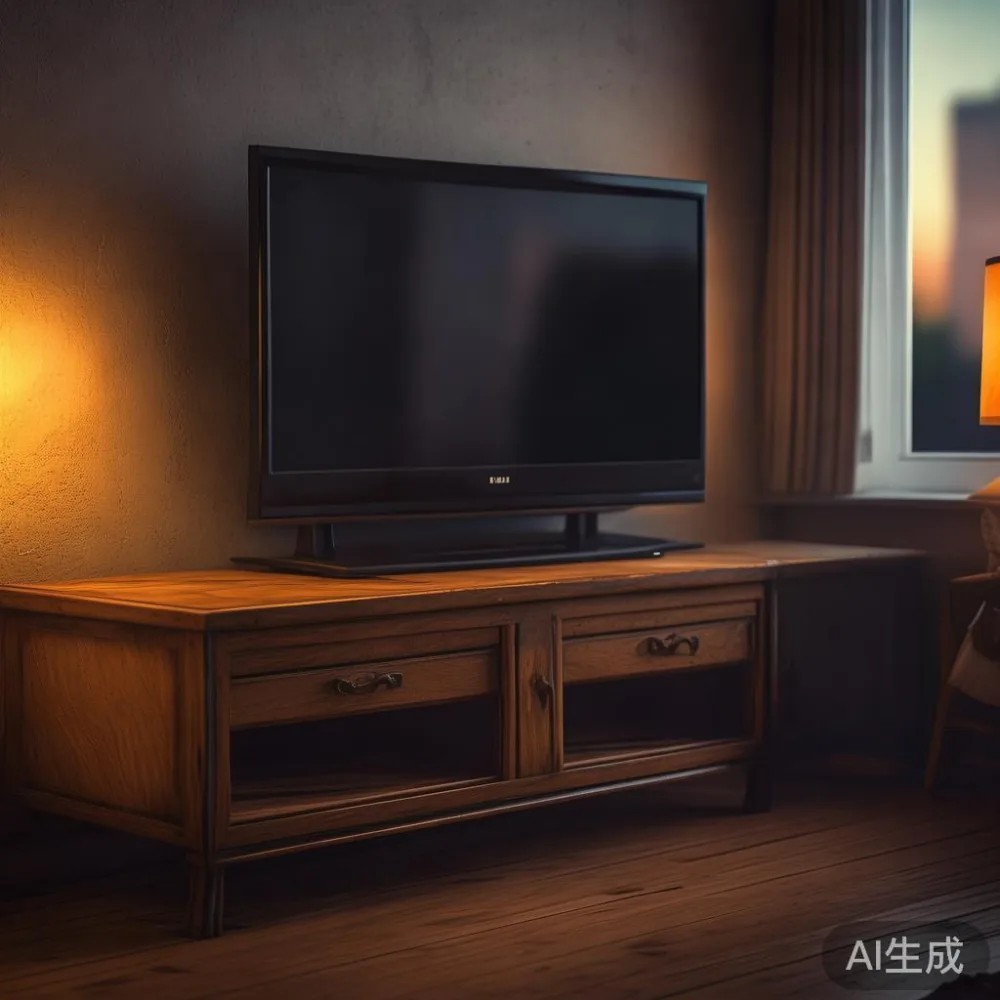
Do not place steaming bowls, wet plants, drinks or an air humidifier directly on the cabinet. If the tv cabinet has a marble table top or another stone insert, use a separate coaster and follow the stone supplier’s pH guidance. For a solid wood sofa, bed frame, dining table, wardrobe or nightstand nearby, use the same controlled humidity approach, but do not assume products with similar colour names share one finish.
Why does lacquer look hazy or develop marks near the coast?
Humidity can soften lacquer slightly at the surface. A fingertip, shirt sleeve or cleaning cloth can then catch the softened top layer and leave a temporary cloudy smear. Salt-laden particles in areas near the coast may also attract moisture, while grease from hands bonds readily to an uncured or already stressed finish. The result can be an uneven sheen rather than a change in the underlying colour.
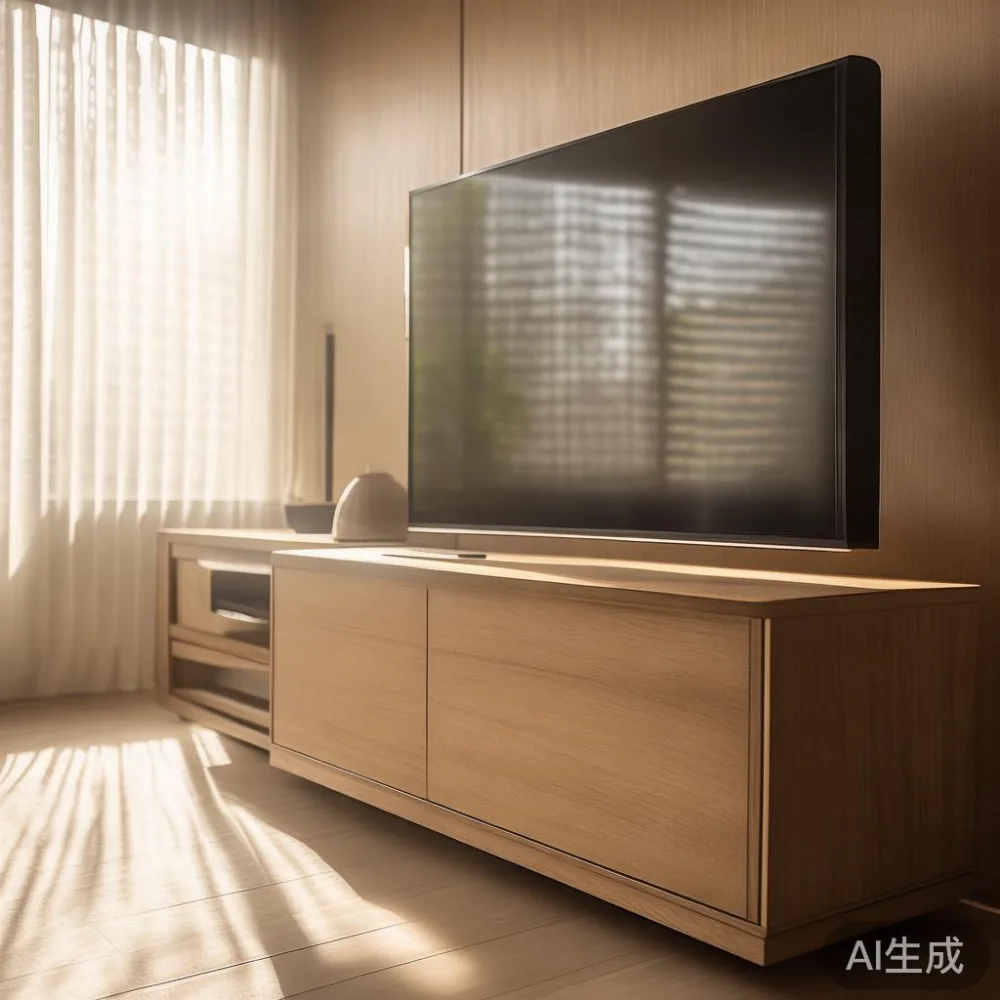
Do not rub a haze aggressively. Place a clean, dry microfibre cloth over the affected area and wipe with light pressure. If the mark remains, dampen a second cloth with plain water, wring it so no water reaches the wood, and test a 10 cm by 10 cm area at the rear edge for 5 minutes. Wipe once, wait 30 minutes and inspect under side lighting. Repeated wetting can cause swelling or water spotting, so stop after 2 attempts.
Air-conditioning can create another local problem: cold air lowers the surface temperature, while warm room air holds more moisture. Condensation may form on cabinetry positioned close to a wall or near a frequently opened door. Check for moisture at 7 a.m., before the unit cycles or after a 20-minute period when the room temperature changes quickly. Moving the cabinet 5 cm away from the wall may improve airflow, while a 15 cm gap from the vent prevents rapid surface cooling.
What should I use to clean the lacquered surface?
A diluted, neutral cleaner is usually enough. Put 5 ml of a mild pH-neutral dish detergent into 500 ml of lukewarm water, stir, and apply it to the cloth rather than the cabinet. The cloth should be damp, not dripping. Test the mixture on a concealed 5 cm square for 10 minutes, particularly on darker lacquer, then dry with a separate clean cloth.
Never use household bleach, vinegar, methylated spirit, ammonia-based glass cleaner, oven cleaner, wd-40, furniture wax or “renewal” polish unless the lacquer manufacturer expressly approves it. These products may appear to remove a mark while thinning the clear coat or making later refinishing more difficult. A microfibre cloth priced around SGD 8 to SGD 25 should be replaced after 3 months if its fibres become embedded with grit. Use a different cloth for the cabinet top and for the floor.
For routine care, a dry cloth every 7 days and a damp cleaning every 30 to 60 days is sensible for a lightly used tv cabinet. High-traffic areas may need weekly attention. Always work from the rear edge towards the front and from one side to the other. This reduces visible streaks and prevents dirty water from travelling into joints or cable openings.
How far should a TV cabinet stand from windows, vents and walls?
Allow at least 30 cm between the cabinet and a south-facing or west-facing window if direct afternoon sun reaches it, or fit a UV-filtering film with a visible light transmission of 40% or less. Keep the unit 15 cm from an air-conditioning outlet where possible. A 5 cm gap behind a wall-mounted cabinet and 10 cm from a side wall support airflow, but floor-level measurement must also account for skirting boards approximately 10 cm to 15 cm high.
Measure the finished cabinet, packaging and route before delivery. A common corridor width in an HDB block is about 1.2 m, while some condo service corridors are narrower. A standard lift door may be 900 mm wide and 2.1 m high, but accessible lifts and older blocks differ. The tv cabinet should turn on its side only if the manufacturer permits it; removing drawers and shelves reduces weight. Write down the cabinet height, width and depth, then add 5 cm for packaging and protective corners.
MIDHILL should be told about lift dimensions, corners, parking distance and the number of flights. Allow 2 delivery days within Singapore for a normal in-stock order, subject to production and confirmation, and reserve 3 to 5 days if the cabinet needs a custom lacquer adjustment. The team should also confirm whether GST and the final protected freight quotation are included. Local context matters: a cabinet that fits a lift lobby may still be too wide for a tight corridor turn.
Is condensation inside the cabinet a sign of poor-quality lacquer?
Not necessarily. A sound lacquer should resist ordinary humidity, but a sealed cabinet can trap vapour released from concrete, carpet, new paint or stored fabrics. Inspect the underside, back panel, adjustable shelves and drawer runners. Darkened edges, a musty smell, swollen joints or peeling lacquer deserve attention before further cleaning.
Leave ventilation gaps and avoid storing damp clothes, towels or cleaning equipment inside the tv cabinet. Route entertainment cables through a rear opening approximately 6 cm by 4 cm, allowing warm air to escape. Use cable ties with soft sleeves so they do not abrade the coating. Check the unit every 90 days during the first year, especially during the northeast monsoon from November to March.
Small lacquer scratches may be treated by the cabinet maker, but deep splits, lifting edges and widespread whitening are different matters. Photograph the area in daylight and send close-ups measuring 5 cm to 10 cm across. MIDHILL’s lifetime refinishing policy can help where refinishing is appropriate, while the 10-year structural warranty covers eligible structural issues. Warranty scope should be confirmed in writing; cosmetic wear from direct sunlight, liquid spills or unauthorised chemicals may fall outside it.
Can a refinished lacquered cabinet still match the original colour?
Often it can be close, but exact matching may be affected by fading, yellowing, grain movement and the sheen level of the existing lacquer. The life of the cabinet should be considered as a whole. Owners looking for a refined French light luxury, American light luxury or post-modern light luxury appearance may prefer a repeatable finish over a trend-led detail that is difficult to maintain.
That preference should also guide coordinated rooms. A MIDHILL light luxury sofa in pale bouclé or textured fabric can balance a lacquered media unit without competing with it. Search references for light luxury for guest room layouts when choosing a compact guest seating scheme, and compare the best Mid-century modern furniture examples for clean lines and restrained proportions. These broad phrases are useful starting points, but the physical finish, dimensions and room measurements should decide the final purchase.
The same discipline applies to a solid wood bed frame, wardrobe and nightstand. For a dining area, Japanese for dining room references can inform low-profile timber details, while a marble table should be kept visually separate from lacquer because both materials require different cleaning methods. Elsewhere, a search for the best Rustic sofa for 2026 or advice on how to style Japandi wardrobe in apartment interiors can help establish a coherent palette rather than a collection of mismatched finishes.
How should I prevent scratches around doors and drawers?
Fit soft felt pads beneath objects that sit on top, and use a stable tray for remotes. Drawer and door edges collect most of the visible damage, so open them with two clean fingers rather than a key or screwdriver. Add a small magnetic catch if doors tend to bang against the cabinet face. The magnet should hold the door without pulling the lacquered edge into the frame.
For a tv cabinet with a lift-up top, check the stay mechanism every 6 months. Do not let the raised panel rest on a sharp corner, and keep children and pets away while it is open. If pets are present, place a washable mat 10 cm in front of the unit. Keep artificial foliage and humid plants at least 30 cm away; a pot holding 2 litres of water can change local humidity faster than expected.
A TV weighing 25 kg to 60 kg should be mounted according to the television manufacturer’s instructions and supported by brackets rated for that mass. Leave ventilation space around the screen, and do not press equipment against the lacquer. For a 55-inch television, many manufacturers recommend at least 10 cm of clearance around the set. Confirm the exact figure in the TV manual rather than relying on appearance alone.
What should I do after a spill or during heavy rain?
Act within 5 minutes. Lift the object away, blot rather than rub, and remove excess liquid with a dry cloth. Then use a barely damp cloth, followed by a dry cloth. Leave the surface exposed to moving room air for at least 60 minutes. Do not use a hair dryer, heat gun or strong fan, because rapid drying can create water rings or lift lacquer edges.
During heavy rain, keep windows closed when rain is blowing sideways, wipe condensation from nearby surfaces and move the tv cabinet if a known leak threatens it. Do not place towels directly against lacquer; trapped moisture can dull the sheen. Record the time and nature of the spill, especially if washing water, alcohol-based hand sanitiser or a sugary drink has reached the finish. A repairer can then judge whether spot treatment or refinishing is more suitable.
For a long-term care schedule, check humidity and condensation monthly, clean every 30 to 60 days, inspect hinges every 3 months and review lacquer edges every 6 months. Replace the cleaning cloth every 3 months. Keep a 10 cm ruler and an 8 cm soft brush nearby for checking gaps and gently removing dust from routed edges. Photograph the cabinet under the same lighting every 12 months so gradual changes are easier to notice.
How do I choose a cabinet finish for a humid Singapore room?
Ask for lacquer details that are suitable for the product’s use, including the coating system, sheen, expected care and refinishing terms. Choose colours that disguise minor dust and hand marks, and avoid placing a dark, gloss-finished tv cabinet where corridor traffic exposes it to constant contact. A slightly textured or matte finish may show fewer fingerprints, although fingerprints can occur on any finish.
Request samples in 2 sizes of at least 10 cm by 10 cm. View one sample in the morning, at night and under the room’s normal lighting over a period of 7 days. Compare it with the existing bed frame, dining table, wardrobe and nightstand. This is more reliable than relying on a screen image, whose colour and gloss can vary.
For buyers considering a larger coordinated purchase, explore MIDHILL furniture ranges with measurements and material specifications in mind. A well-fitted tv cabinet should have a level top, accessible cable routing, doors that clear skirting boards and enough stability for the television. Check the actual unit, not only the catalogue photograph, and ask for the complete finish care sheet with the order.
A tropical climate will test any finish, but careful moisture control, neutral cleaning and early intervention can preserve a lacquered tv cabinet for many years. Measure the room and route, confirm the finish, and keep the cabinet away from direct sun and trapped humidity. These practical habits preserve both the surface and the clean, lightly furnished character that a well-designed media unit can bring to a Singapore home.