How to Choose the Right Size TV Cabinet for a Singapore HDB Living Room
A TV cabinet can determine whether an HDB living room feels orderly or crowded. The correct size depends on the television, wall width, lift access, daily circulation route, and the visual proportions of the room. In a compact Tampines flat, a 180 cm cabinet may already dominate the wall; in a larger Bedok condo, a 240 cm unit might create a balanced focal point without making the space feel empty.
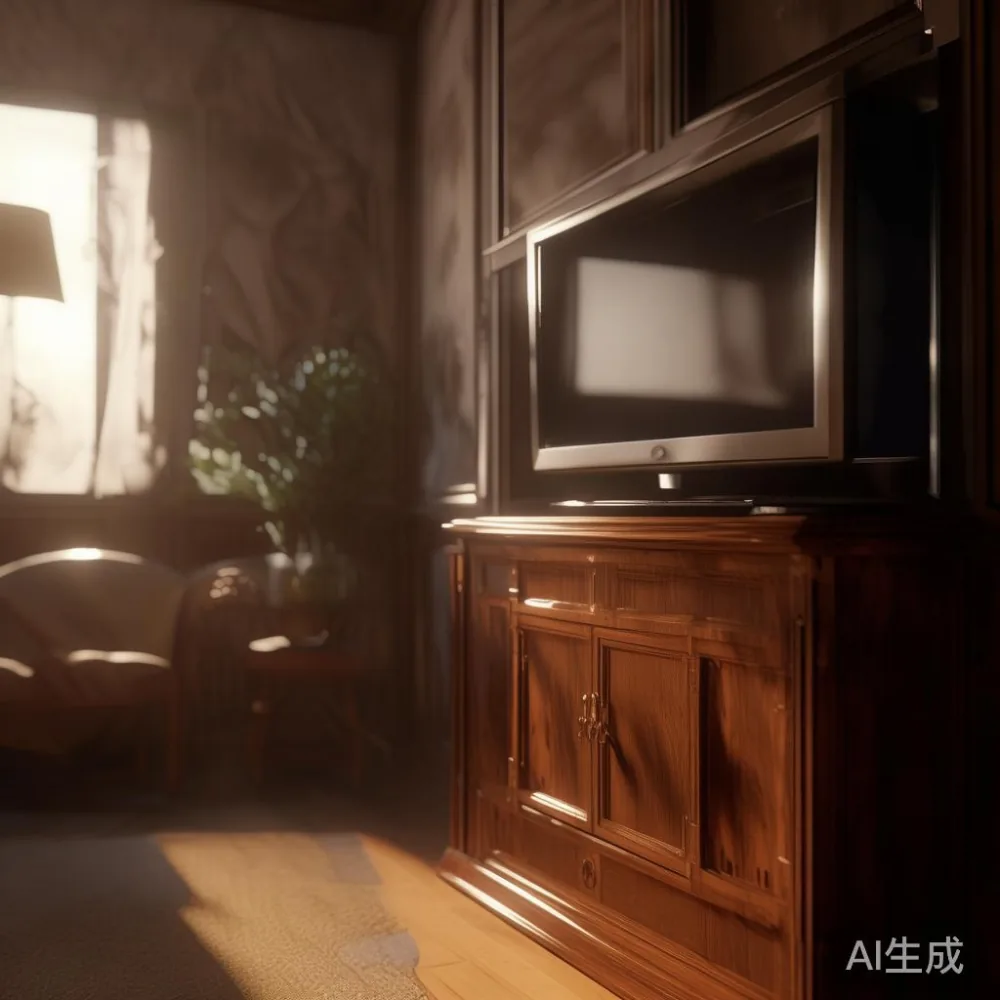
Singapore’s mix of compact HDB homes and more generously proportioned private residences means there is no universal cabinet measurement. Instead, start with the available wall, work out a safe circulation zone, and choose a cabinet that supports the television at a comfortable viewing height. This guide explains how to measure, compare, and order an appropriately sized TV cabinet, including local delivery considerations and GST.
What size TV cabinet should I buy for my HDB living room?
For most HDB living rooms, the cabinet should occupy roughly 65% to 80% of the usable feature-wall width. A 3.2 m wall would suit a 210 cm to 255 cm unit, while a 2.7 m wall generally works better with a 175 cm to 215 cm unit. This proportional method is more useful than selecting a model before measuring the room. It also allows the television and decorative objects to remain visually connected rather than appearing undersized.
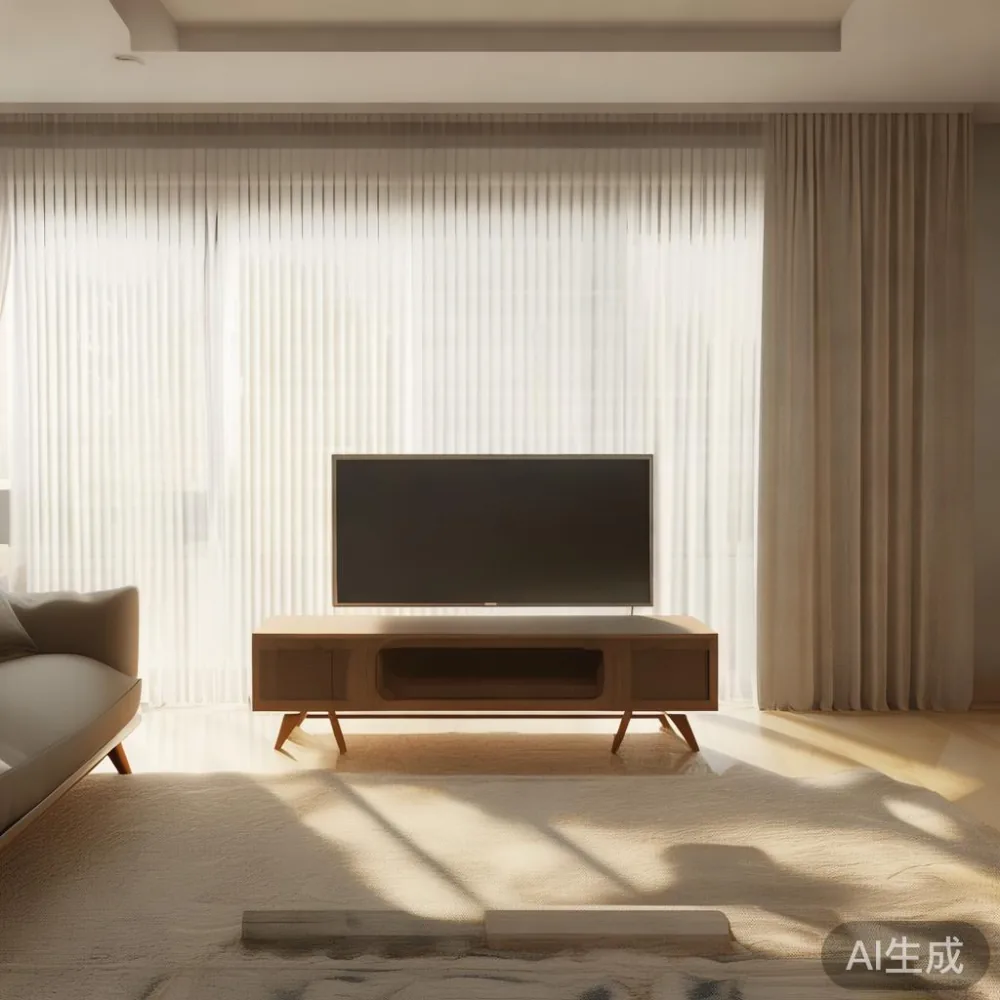
The cabinet should also be tall enough to support the screen securely. A 45-inch television usually needs a cabinet at least 45 cm high, while a 55-inch or 65-inch television generally pairs well with a height of 50 cm to 60 cm. A low cabinet creates a relaxed, post-modern profile, but it must not force anyone to crane their neck. Keep the screen centre at approximately 95 cm to 110 cm from the finished floor, depending on seated eye level.
Do not confuse width with usable width. Measure from the front edge of the cabinet to the wall, then subtract 5 cm to 8 cm for cable routing and ventilation. On an open-backed design, leave at least 10 cm of clearance behind the television. A cabinet 50 cm deep can hold a television up to 65 inches, while 40 cm depth is usually enough for screens up to 55 inches. Deep units may look substantial but can obstruct a doorway or reduce the passage beside a sofa.
For local context, consider the route from the HDB lift to the unit. Common passenger lifts in older estates have internal door widths around 90 cm, although individual blocks differ. The cabinet should ideally enter through the lift without requiring its side panels to be removed. A 220 cm unit may need turning in a narrow corridor, so confirm the corridor width, ceiling height, and any right-angle turns before ordering.
How do I measure a feature wall before choosing a TV cabinet?
Use a tape measure rather than relying on the floor plan. Record the wall width at three positions: 20 cm above the floor, at cabinet height, and near the ceiling. If the measurements differ by more than 1 cm, build in extra tolerance. Note the position of sockets, data points, window frames, air-conditioning vents, and light switches. Singapore sockets are typically positioned around 30 cm to 40 cm above floor level, but site conditions vary.
Sketch the room to scale in centimetres. Mark the door swing, sofa, coffee table, television viewing distance, and walking path. Allow at least 75 cm between major furniture pieces where people regularly pass. Between a sofa and coffee table, 40 cm to 50 cm is usually comfortable. Between the coffee table and TV cabinet, 40 cm to 60 cm is practical, with approximately 1.5 times the television diagonal providing a reasonable seated viewing distance.
Ceiling height also affects cabinet selection. In many HDB interiors finished at 2.4 m to 2.7 m, a cabinet above 70 cm can look visually heavy unless it has open shelving or a raised base. Tall units may be appropriate in a condo with a 2.9 m ceiling. French light luxury styling often uses restrained moulding, pale woods, and symmetrical proportions; American light luxury leans towards clean lines and deeper, warmer finishes. Either style can suit a small room if the dimensions remain disciplined.
I tested this measurement method last month during a home visit in Punggol. The resident initially considered a 260 cm cabinet because the television was 65 inches, but the wall had a 12 cm column and the lift lobby had a sharp turn. A 210 cm cabinet fitted through the entrance and left a 90 cm path beside the sofa. The smaller unit also appeared more proportionate in the 3.05 m living room.
Which TV cabinet width works with different television sizes?
Use the television width as one reference, not the only one. A 55-inch television is commonly around 123 cm wide, while a 65-inch model is approximately 146 cm wide. A cabinet 1.3 to 1.6 times the screen width can create a balanced composition, although room proportions still take priority. An overly narrow cabinet may make the screen look oversized, while an excessively wide unit can consume valuable floor space.
Common widths include 160 cm, 180 cm, 200 cm, 220 cm, and 240 cm. A 160 cm cabinet can suit a 2.2 m to 2.5 m wall and screens around 43 inches to 50 inches. An 180 cm model fits walls of roughly 2.5 m to 2.9 m and accommodates a 50-inch to 55-inch screen. A 200 cm or 220 cm cabinet works well with walls around 2.9 m to 3.4 m, while a 240 cm cabinet is better matched to a wider 3.3 m to 3.8 m wall.
Storage needs should influence the internal layout as well. For a 180 cm unit, two drawers and one central open bay may be sufficient for remote controls, routers, and game consoles. A 220 cm cabinet can offer three door compartments and two drawers, yet deeper storage should not force the cabinet to become wider than the available wall. Check that shelves can hold a media receiver weighing 5 kg to 12 kg, with suitable support spacing.
Those comparing nearby categories should use similar scale rules. A solid wood sofa of 220 cm to 260 cm usually requires a room at least 3.6 m wide, while a 180 cm bed frame needs approximately 90 cm of side clearance on one side for a bedside cabinet. A dining table for 6 people generally needs 180 cm to 200 cm of length and 90 cm of circulation space around it. These references help create a coherent room rather than an isolated cabinet purchase.
How should I account for lift and corridor access during delivery?
Measure the narrowest point along the entire delivery route. Record the lift door width, lift cabin dimensions, corridor width, unit entrance width, stair landings, and turning radius. A cabinet 220 cm long and 45 cm deep may fit a 100 cm-wide lift diagonally, but installation becomes difficult if its panels or doors cannot be assembled inside the flat.
Provide these measurements to the supplier before dispatch. Ask whether the cabinet is delivered as a complete piece or in modules, and whether the television compartment includes removable shelves. For solid wood construction, a single-piece cabinet can weigh 70 kg to 110 kg, while a flat-pack design might arrive at 35 kg to 65 kg. Two delivery people may be needed for either format if the unit has a reinforced stone or marble table top.
Local delivery commonly takes 7 to 14 days after the order is confirmed, though stock availability, custom dimensions, and peak periods can extend this to 21 days. GST is charged at 9% on the selling price in Singapore. For orders above S$350, MIDHILL offers free shipping, although access arrangements should still be checked for large items. Their 14-day returns policy provides a practical window for checking finish, dimensions, and visible damage after delivery.
Condo loading areas may require a booking, while HDB blocks can have parking restrictions and designated delivery hours. A 2.4 m corridor can accommodate a cabinet carried vertically, but a low ceiling near the entrance may prevent this. The furniture technician should therefore confirm the route and lifting method rather than arriving with an assumption.
What is the right depth and height for a comfortable TV setup?
A TV cabinet depth of 38 cm to 45 cm is generally suitable for HDB living rooms. This gives the screen stand or wall bracket enough clearance, allows cables to be concealed, and keeps the unit from projecting excessively into the room. A cabinet deeper than 55 cm may work in a spacious condo or against a wall with no circulation conflict. If the television is wall-mounted, the cabinet can be as shallow as 30 cm to 35 cm, but stability and cable management become important.
Height should align with the seated viewer. A 45 cm cabinet paired with a 50-inch television is reasonable when the eye level is around 105 cm. A 60 cm cabinet can support a 65-inch screen at a higher position, but the television should not be raised so much that the centre line is more than 20 cm above the viewer’s eyes. Low-profile cabinets also require a sturdy top surface, ideally able to carry 30 kg to 50 kg including the screen.
Leg clearance affects the visual weight. A cabinet raised on 15 cm to 20 cm legs feels lighter and makes floor cleaning easier, a useful feature in humid Singapore conditions. A plinth base feels more grounded and can conceal cable clutter. French light luxury details such as bevelled edges or fluted fronts should be restrained on a small cabinet; a simple frame with 2 cm to 3 cm details usually looks more refined.
Coordinating furniture should follow the same discipline. A marble table may reflect light beautifully, yet a 120 cm diameter model needs 45 cm of clearance from a sofa. A nightstand beside a 180 cm bed frame should be 40 cm to 50 cm wide. A wardrobe depth of 58 cm to 62 cm requires enough space for the hinged doors to open, ideally with another 60 cm of clear floor area in front.
How do I choose a finish and style that suits a Singapore home?
Light oak, natural ash, and warm walnut work well in Singapore interiors because they complement both white walls and darker HDB flooring. Light finishes can make a compact room feel more open, while medium-toned wood provides contrast without the visual weight of very dark timber. Sample colours under daylight and evening lighting, as warm white bulbs can make pale wood appear yellow.
For a post-modern light luxury appearance, combine clean cabinetry with one recognisable detail, such as rounded corners, slim brass pulls, or a fluted central section. Avoid adding moulding, stone, and metal simultaneously on a small unit. French light luxury tends toward symmetrical storage, pale timber, and classic profiles; American light luxury often uses broader slabs, darker grains, and simpler hardware. Post-modern light luxury is suitable when traditional forms are simplified into lighter, more graphic shapes.
The wider furnishing plan can guide the finish. If the room contains a solid wood sofa with exposed timber legs, repeating that wood tone creates continuity. A dining table with a similar grain can visually connect the living and dining zones. A marble table in cool white may pair with a warmer TV cabinet, provided the contrast remains controlled. These principles are also useful when researching guides such as the top 10 French provincial furniture items for a coordinated home.
Do not let trend language obscure practical needs. Check the drawer runner type, hinge opening angle, shelf load, cable cutouts, and whether the finish resists marks and moisture. Solid wood may move slightly as humidity changes, so the supplier should explain care and maintenance. MIDHILL backs its furniture with a 10-year structural warranty and offers lifetime refinishing, which can be valuable when matching replacement components over many years.
What should I check before placing my Singapore furniture order?
Create a final measurement sheet containing the wall width, cabinet depth limit, television size, preferred cabinet height, doorway dimensions, and lift route. Compare these figures with the product specifications. Allow 2 cm to 5 cm of installation tolerance on each side where possible, especially in older HDB blocks with uneven walls.
Confirm whether the quoted price includes GST and delivery. Singapore’s standard GST is 9%, and MIDHILL provides free shipping for orders above S$350. For a S$1,200 cabinet before GST, the GST-inclusive amount is S$1,308, with delivery included under the stated threshold. Custom sizes may take 21 to 35 days, while standard in-stock models may be dispatched within 7 to 10 days.
Check the expected delivery window, return terms, and assembly process. A cabinet arriving in 4 packages should include labelled hardware and a clear instruction sequence. Confirm that returns can be arranged within 14 days and ask how large-piece collection is handled. A 10-year structural warranty does not mean every surface issue is automatically covered, so read the warranty terms and retain the invoice.
Buyers researching bedroom products can use related criteria, such as how to choose European light luxury bed, how to choose Italian light luxury bed, best Post-modern bed for 2026, or best Modern wardrobe for 2026. The same attention to dimensions, access, finish, and care applies to a TV cabinet. It ensures that the final piece suits the television, the architecture, and the way Singapore families actually move through their homes.