How Humidity in Southeast Asia Affects a TV Cabinet — And What Singapore Buyers Should Know
I keep a small humidity gauge clipped to the inside of my own TV cabinet at home in Tampines. Last month the reading hit 86% on a wet afternoon — and that little dial is the reason this article exists. If you have ever noticed a tiny crack along a drawer face, a door that rubs in August, or a faint musty smell when you open the cabinet below your TV, you have already met the same problem I am going to walk through. Singapore sits in a permanent warm-humid belt. The average relative humidity hovers around 70–80% for most of the year and climbs past 85% during the December–early March monsoon push and the September inter-monsoon period. That number matters more for a piece of solid wood furniture than almost anything else on the spec sheet.
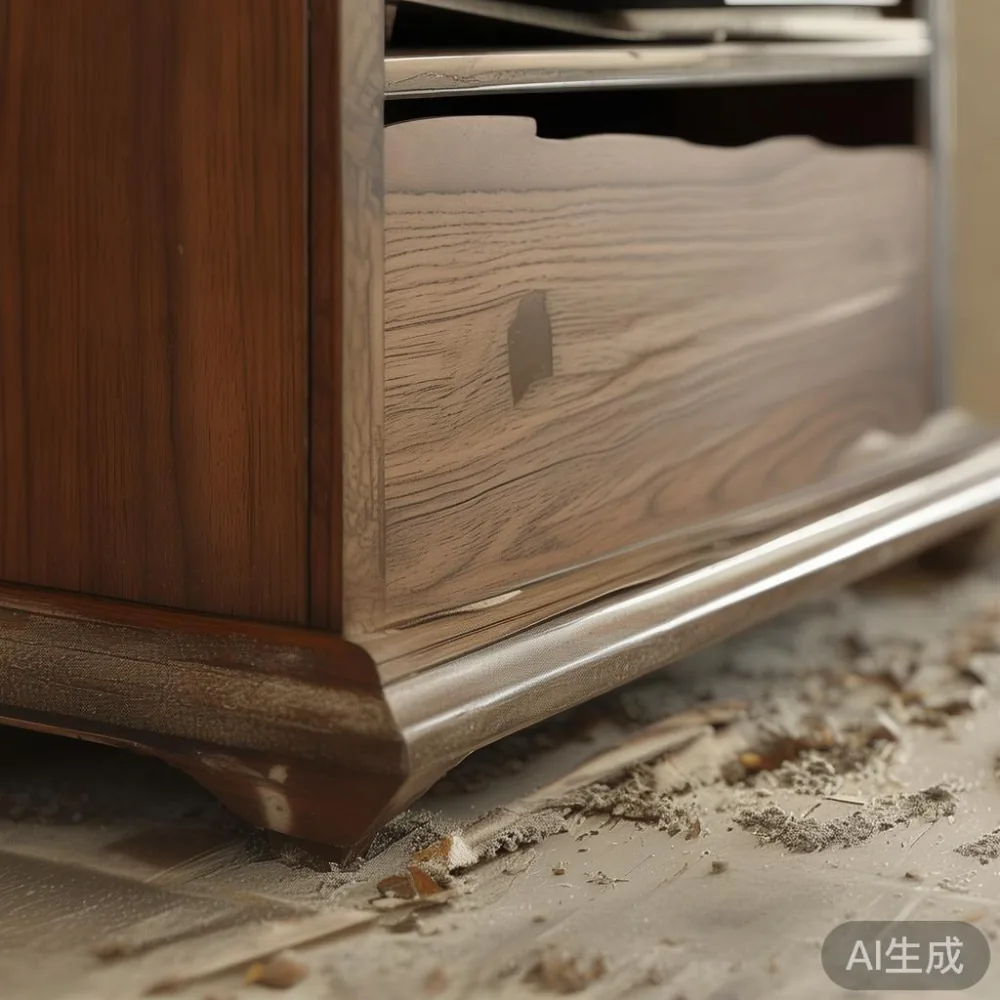
Why Humidity Is the Hidden Variable Behind Every TV Cabinet
Wood is hygroscopic. It absorbs and releases moisture with the surrounding air, and it does so dimensionally — meaning it physically swells and shrinks. For a TV cabinet, which is typically 140–200 cm wide, 35–45 cm deep, and 45–55 cm tall, even a 2% change in moisture content translates into roughly 3–4 mm of movement across the width. That is enough to throw doors out of alignment, stress joints, and open hairline gaps along panels.
In a Tampines 4-room HDB, the air-conditioning usually runs at 24–26°C with around 55–60% relative humidity when doors and windows are shut. Open the balcony door for two hours during a thunderstorm and the same room can swing to 85%+. The wood in your TV cabinet responds to both ends. Over six to twelve months, that swing — what timber yards call "movement" — shows up as small checks on long grain surfaces, sticky drawers in the wet months, and slightly loose joints in the dry months.
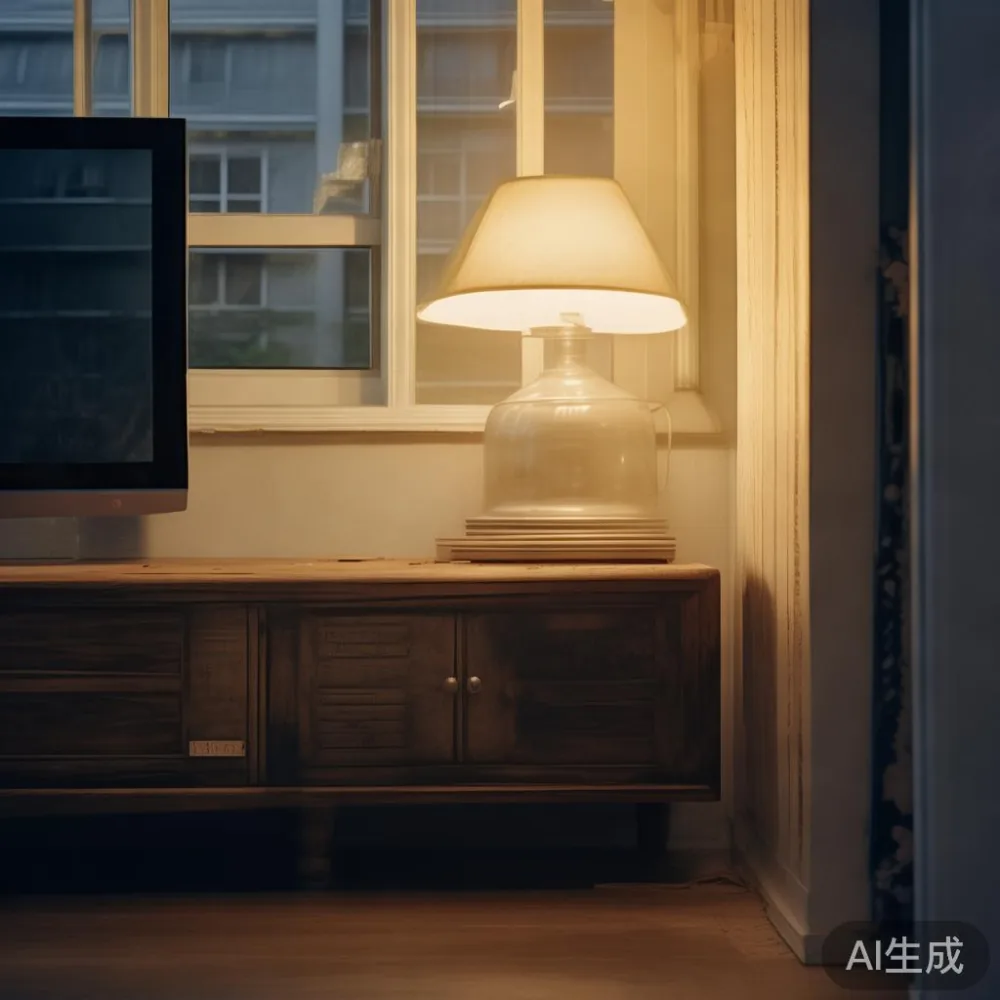
Solid wood handles this far better than particleboard or MDF with a paper laminate. A properly kiln-dried hardwood (typically dried to 8–10% moisture content before construction) breathes with the room rather than fighting it. The catch is that the cabinet must be designed for the climate, not for a showroom in Milan or a warehouse in Guangzhou with controlled humidity. This is also why a piece built specifically for Southeast Asian conditions — like the solid wood TV cabinets coming out of Foshan workshops with experience exporting to 15+ countries — behaves very differently from a generic flat-pack import.
What Does Humidity Actually Do to a Solid Wood TV Cabinet?
Let me break the damage modes into plain language, because the terms get confusing.
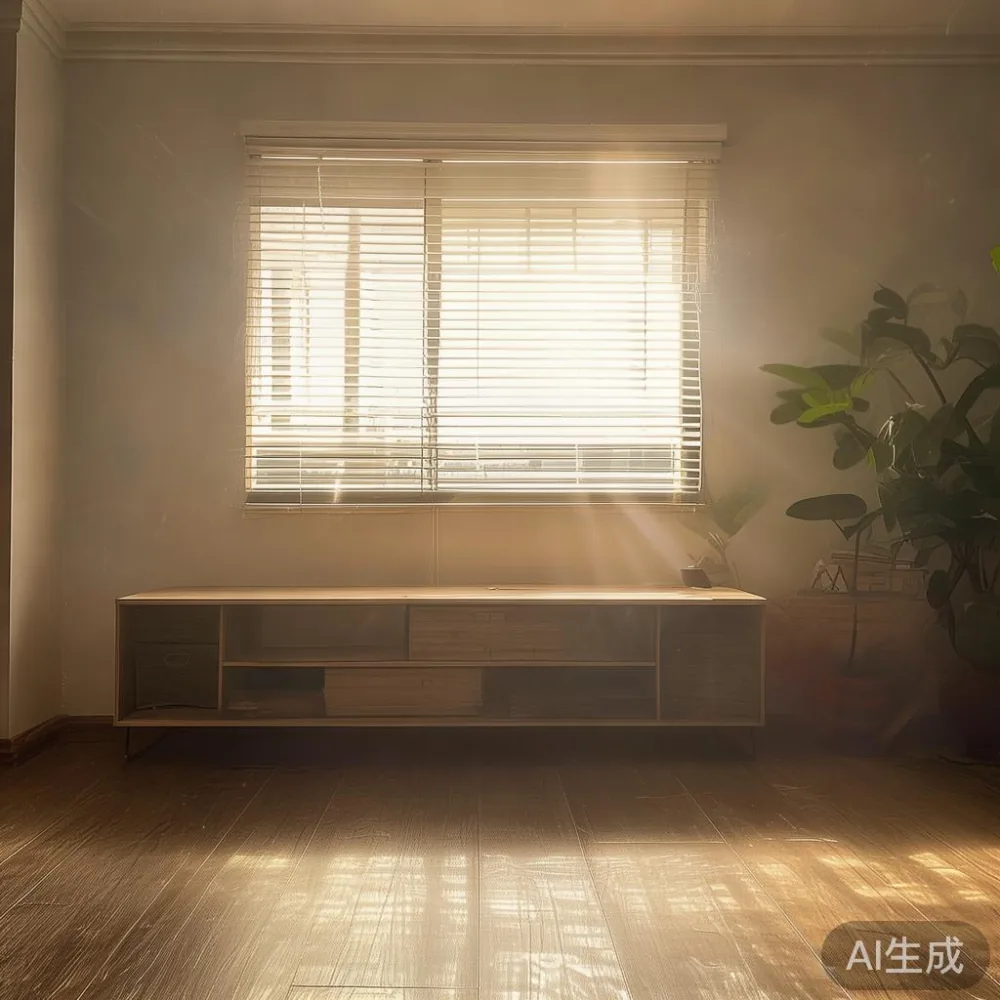
Expansion and contraction. A 180 cm wide oak or ash TV cabinet can move 4–6 mm across the grain between January and July. If the cabinet was built in a dry workshop (say 6% moisture content) and dropped into a 75% Singapore home, it will slowly take on moisture and grow. Good makers leave 1–2 mm expansion gaps at the back panel and use slotted screw holes so the carcase can float without splitting.
Cupping and bowing. Thin solid-wood panels — the kind used on drawer fronts and side panels under 18 mm — will cup if moisture enters one face faster than the other. This is why you sometimes see a drawer face that looks slightly domed. Heavier panels (22–25 mm) resist cupping far better, which is why I always recommend minimum 20 mm thickness on any panel wider than 60 cm on a TV cabinet.
Joint failure. Mortise-and-tenon joints and dowel joints both rely on tight glue bonds. In a high-humidity environment, poor glue lines soften first. A well-made cabinet uses exterior-grade or D3/D4 cross-linking PVA and is clamped for at least 24 hours. Last month I visited a colleague's condo in Bedok where a three-year-old imported cabinet had a 1.5 mm gap along the top rail — classic glue-line failure from heat and moisture cycling.
Finish micro-cracks. Lacquer and oil finishes are not fully elastic. When the wood moves underneath, the finish cracks along the grain. These are usually cosmetic and can be buffed out, but they are the first warning sign.
Mould and musty smell. Anything below 60 cm off the floor in a ground-floor unit or near a balcony door is at risk. A TV cabinet sitting on a polished concrete floor in a Punggol ground-floor unit can wick moisture up through its feet. Small felt pads or a 3–5 mm rubber underlay under each leg solves this — and costs about SGD 4 from any hardware shop.
How Do I Choose a Metal Furniture for a Small Apartment?
Pick metal furniture with a powder-coated or galvanised finish rated for coastal humidity, a frame weight of at least 6 kg for stability on vinyl flooring, and a height between 40–55 cm so it doubles as a side surface; for Singapore HDB rooms of 90–110 sqft, a metal-and-solid-wood TV cabinet on a slim 5 cm plinth gives you airflow underneath to fight mould while still anchoring the wall visually.
That answer exists because many Singapore buyers get confused by the word "metal" and assume steel solves every humidity problem. It does not — bare steel rusts in 3–6 months here, and even coated steel needs the right spec. The same logic that drives a smart metal-frame choice applies to choosing the wood portion of a TV cabinet: ask what the moisture content was at construction (a good maker will say 8–10%), ask about the finish (conversion varnish or hardwax oil beats nitrocellulose lacquer for tropical use), and ask how the back panel is mounted (it should be in a groove, not glued flush). MIDHILL publishes this kind of spec openly, which is unusual in the segment and something I noticed when comparing suppliers for a recent condo project.
Is a Solid Wood TV Cabinet a Realistic Choice in a Singapore Condo?
Yes, if you pick the right species, the right thickness, and the right maker. Let me share the numbers that matter.
A typical 160 cm solid wood TV cabinet in ash or white oak weighs between 38–55 kg depending on construction and panel thickness. A 180 cm version runs 50–70 kg. That is heavier than most people expect, and it has direct consequences: lift access in HDB blocks allows up to about 1.2 m wide on the standard cargo lift, and corridor widths in newer BTOs are around 1.4 m. A 180 cm cabinet will not fit vertically in many lifts unless tilted, and you cannot tilt a 70 kg piece without risk. Measure first, then buy.
Species matters. Here is a quick comparison for Singapore conditions, based on what I have seen in workshops and homes over the past four years:
Ash and white oak: open grain, takes stain beautifully, responds well to light luxury French and American design language. Movement is moderate to high (oak moves about 4% tangentially), so the cabinet needs proper expansion gaps. Expect to pay SGD 1,400–2,800 for a 160 cm unit from a serious maker.
Teak (reclaimed or plantation): naturally oily, very stable in humidity, the traditional choice for tropical furniture. Movement is low. A 160 cm teak TV cabinet runs SGD 2,200–4,500 depending on provenance. Heavy at around 65 kg for that width.
Rubberwood: affordable, moderately stable, takes a painted or limewashed finish well. Common in post-modern light luxury designs where the cabinet is white, sage, or stone-grey. Movement is moderate. SGD 800–1,600 for 160 cm.
Walnut: rich colour, popular in American light luxury schemes, but it moves more than oak and needs a controlled indoor environment (ideally 55–65% RH year-round). Not my first pick for a balcony-adjacent wall.
For most HDB and condo buyers I would steer toward ash, oak, or teak in a 20–25 mm carcase with dovetailed drawers and a conversion-varnish or hardwax-oil finish. If your design mood is Japandi industrial style malaysia — which many Singapore buyers are referencing right now — pair the wood cabinet with a blackened steel base, a slim 5 cm plinth, and a single marble or travertine topper to break up the material palette.
How to Live With a Solid Wood TV Cabinet in 80% Humidity
Buy the cabinet once, then give it five minutes of care each month. That is the entire secret.
Week 1–4 after delivery: let the piece acclimatise in the room before you load it up. Open the cabinet doors for a few hours a day during the first week so the inner panels match room humidity. Wipe with a dry microfibre cloth; never use furniture polish with silicone during this window.
Every month: vacuum the back panel gap with a brush attachment — 2 minutes. Wipe the top with a barely damp cloth, then a dry one. Check the four corner feet for moisture wicking (especially on ground floors and ground-level Punggol units).
Every six months: apply a thin coat of hardwax oil if the cabinet is finished with one. A 250 ml tin costs about SGD 18–28 and covers 8–12 m² per coat. One coat is enough.
Once a year: check the door alignment. If a door rubs in July–September, the humidity is high; the door will usually recover by February. Do not plane the door during the wet season — wait for the dry months and then adjust, or call a maker who offers lifetime refinishing. That kind of after-sale service is rare and worth asking about before you buy. MIDHILL includes lifetime refinishing on its solid wood pieces, which is one of the practical reasons I have recommended them to friends renovating in Hougang and Sengkang over the past 18 months.
Air-management basics: run a dehumidifier in the living room for 2–4 hours on heavy-rain days if your HDB does not have mechanical dehresh. A small desiccant unit pulls 250–500 ml of water per day and keeps the cabinet zone around 60% RH. Cost to run: roughly SGD 0.30–0.60 per day at current electricity tariffs, including the 9% GST.
What About Delivery, Warranty, and the Practical Side?
Singapore furniture delivery is more complicated than people expect, and I want to be specific because surprises here are expensive.
Most Foshan-made solid wood TV cabinets ship by sea to Singapore in 18–28 days, then 3–5 days for last-mile delivery. Free shipping thresholds are common above US$350, which works out to roughly SGD 470 at current exchange rates. Above that threshold, landed cost in Singapore includes 9% GST on the full declared value, plus a small COC fee if the piece is above a certain size. Budget SGD 60–120 in duties and GST on a 1,800 SGD cabinet — depends on wood species and HS code classification.
Structural warranty is the next number worth knowing. In this category, a 10-year structural warranty is on the high end of what serious makers offer, and it covers frame integrity, joint failure, and drawer-slide function. Read the small print: most warranties exclude finish wear and movement-related cosmetic changes, which is fair because those are humidity-driven and not a defect.
Returns are usually 14 days for unopened or unused pieces. A solid wood TV cabinet that has been in your home for 14 days is generally not returnable for hygiene and Made-to-Order reasons, so measure twice and confirm door widths, lift dimensions, and corridor turns before the truck arrives. In newer BTOs such as those in Punggol Northshore and Bedok Reservoir, corridor widths have standardised at around 1.4 m, but older blocks in Tampines and Toa Payoh can drop to 1.1 m at the lift lobby — and that is the number that decides whether your 200 cm cabinet arrives upright or on its side.
Matching the TV Cabinet to the Rest of the Home
Most Singapore buyers are kitting out a full room — not just one piece — so the TV cabinet sits next to a solid wood sofa frame, a bed frame in the bedroom, a dining table for four to six, a wardrobe along the corridor wall, a nightstand on each side of the bed, and often a marble table or marble-topped console somewhere in the living area. Material consistency matters in our climate because each piece responds to humidity slightly differently, and mismatched movement across one room is visually obvious within a year.
My rule of thumb for HDB and condo layouts: keep the same wood species across the TV cabinet, dining table, and wardrobe if you can. The nightstand and bed frame can flex slightly because they live in the bedroom where air-conditioning controls humidity more tightly. Marble tables are actually a friend in tropical homes — stone does not move, so a marble-topped coffee table anchors the centre of the room while the wood furniture breathes around it. That is the small material-design trick behind most post-modern light luxury interiors you see in the Pinnacle@Duxton and Riviere show flats.
For the sofa, look for a solid wood sofa frame in the same species as the cabinet — kiln-dried ash or oak at 8–10% moisture content, joined with mortise-and-tenon and corner blocks, then upholstered. The wood is hidden under fabric, but it still moves with the room, and you want it to move at the same rate as the cabinet 2 m away. Midhill's approach of matching timber spec across categories makes coordinated rooms much easier to specify, which is something designers I work with appreciate when a client wants a French light luxury feel without the import lead time of European pieces.
The One Mistake I Would Avoid
Do not put a solid wood TV cabinet directly against an external wall that backs onto a service yard, bathroom, or un-airconditioned common corridor. I have seen three clients in the last two years — one in Simei, two in Punggol — lose the back panels of their cabinets within 18 months because the wall stayed 3–4°C cooler than the room air, which means it stayed 5–10% higher in relative humidity. The back panel absorbed that extra moisture and cupped inward, splitting the grooves that hold it.
The fix is simple: keep a 2–3 cm gap between the cabinet back and the wall. Use anti-slip wall pads or small L-brackets at the top to secure it. Air circulates, humidity equalises, and the cabinet lives for decades instead of years. This single habit, more than any other, is what separates a TV cabinet that looks new at year ten from one that needs replacement at year four.
If you are shopping now, ask the seller for the kiln-dried moisture content of the timber, the finish type, the panel thickness, the back-panel mounting style, the structural warranty length, and whether refinishing is offered after the warranty period. Five questions, five minutes, and you will own a piece that handles Tampines monsoon season as calmly as a dry February afternoon.