Choosing the Perfect TV Cabinet Size for a Singapore HDB Living Room
A Singapore HDB living room may look spacious in a property listing, but its usable dimensions are often constrained by the lift lobby, corridor turns, internal staircase, sofa placement, dining area, and the width required to walk between the TV cabinet and other furniture. Choosing a TV cabinet by appearance alone can lead to delivery-day frustration, scratched door frames, or a unit that visually crowds the room. Measuring in 3 stages—before ordering, before delivery, and after placement—helps you select a solid wood cabinet that suits both Tampines and Bedok homes, including newer HDB flats and high-rise condos in Punggol.
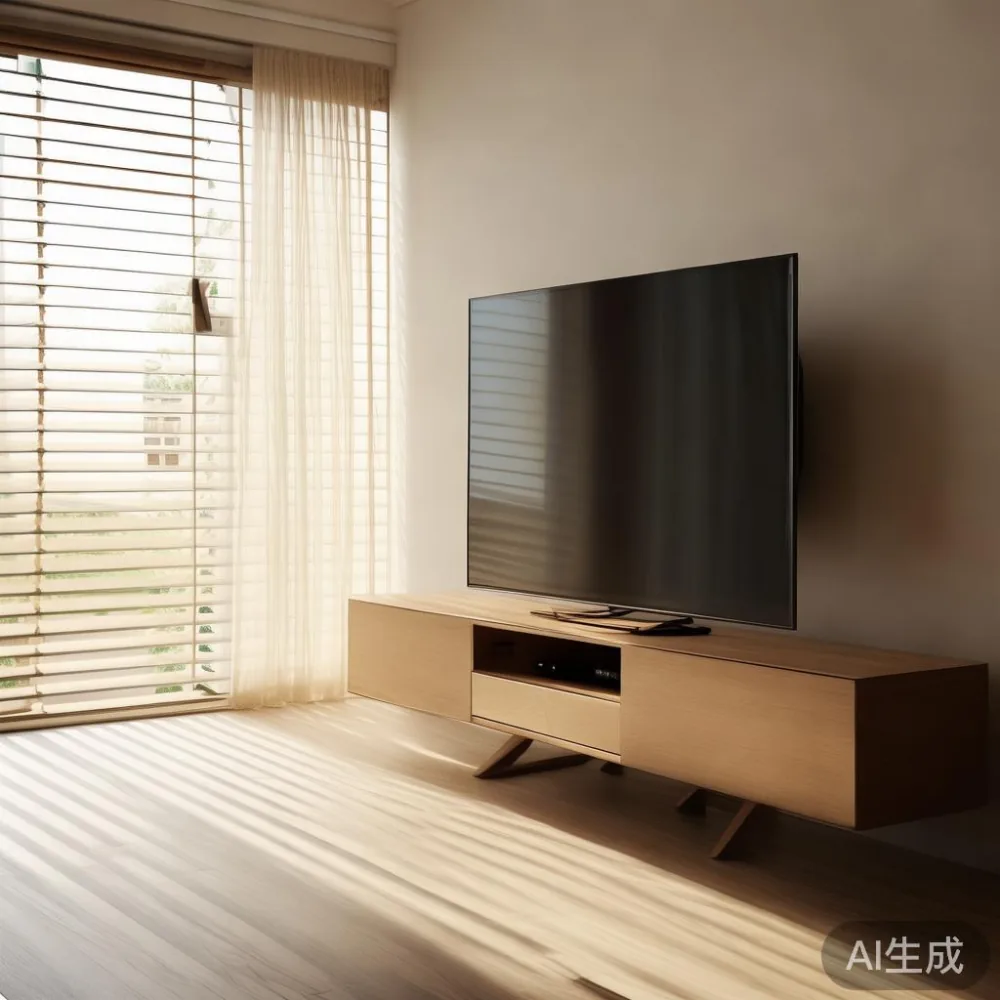
At MIDHILL, practical sizing is considered alongside joinery and finish. A cabinet that measures 180 cm wide may work in an open-plan living room, yet the same cabinet could be awkward if the lift car is only 100 cm deep or if the corridor turns at a 90-degree corner. This guide uses realistic measurements in centimetres, practical weights in kilograms, prices in SGD, and local delivery considerations to make the selection process more measurable.
What size TV cabinet should fit my Singapore living room?
Begin with the television, not the room. Measure the screen diagonally in centimetres and check the manufacturer’s recommended stand or wall-mount clearance. A common rule is to choose a TV cabinet 5–15 cm wider than the screen for a balanced appearance, although a wider cabinet can work as a display surface in a larger living room. For a 140 cm television, that usually means a cabinet around 145–155 cm wide.
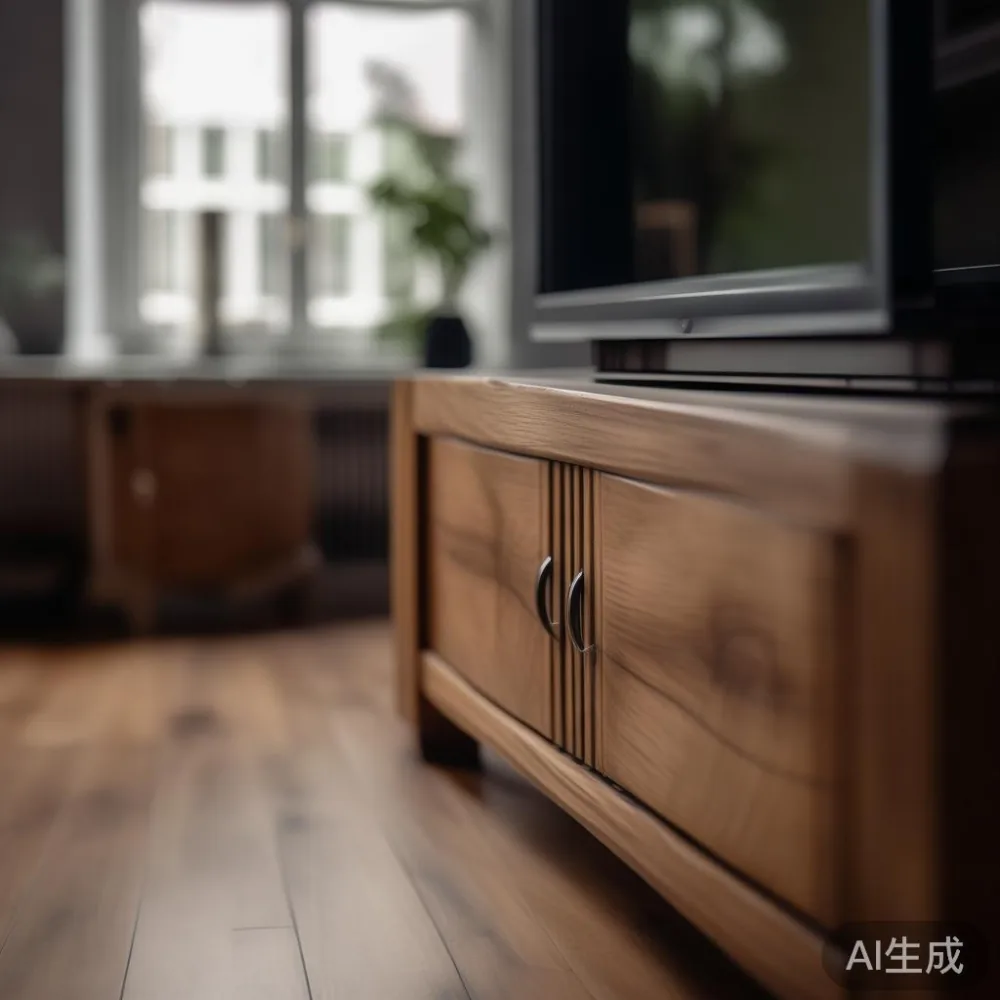
Next, mark the available wall length. Subtract 10 cm for the television on its stand, leaving enough side space for a small speaker or plant. Keep at least 90 cm of clear circulation between the front of the cabinet and a sofa or coffee table where people walk daily. Where no passage runs in front of the unit, 60–75 cm may be sufficient for maintenance and cleaning.
Depth also affects television visibility. A cabinet between 38 and 45 cm deep is generally practical, provided the television’s rear connections and ventilation clearance are respected. Taller cabinet doors can conflict with skirting boards, sockets, and air-conditioning vents, so record the room’s vertical irregularities before ordering.
Do not rely solely on the floor plan. The actual living room can differ because of structural columns, bay windows, service ledges, or built-in furniture. Use a tape measure and record the width, depth, and height at three points. If the wall varies by more than 3 cm, plan for adjustable feet, a scribe filler, or a modular cabinet rather than forcing a fixed unit into place.
How do lift and corridor dimensions affect TV cabinet delivery?
The cabinet’s packed dimensions matter more than its assembled dimensions. Ask the supplier for the carton length, width, height, gross weight, and whether the cabinet is delivered assembled or flat-packed. A solid wood TV cabinet may weigh 70–120 kg even when flat-packed, while a larger or reinforced model can reach 150 kg.
For many older HDB blocks, the lift car may offer an internal depth of roughly 110–140 cm and a door opening near 80–90 cm. Newer lifts can be larger, but the corridor or turning radius may still restrict movement. A cabinet longer than the lift’s diagonal space may need to be tilted carefully, carried along a staircase, or partially disassembled. The delivery team should check these access points rather than assume that every building has the same dimensions.
Corridor corners deserve particular attention. The maximum cabinet carton that can pass a right-angle turn depends on both corridor widths, so asking only for the corridor width is insufficient. In a Punggol condo with wide common corridors, a larger carton may pass easily. In a Bedok block with narrower access, the practical limit could be 120–160 cm even if the lift itself is larger.
Plan a 3 cm safety margin around the carton rather than measuring to the last millimetre. Protective wrapping, gloves, floor protection, and a two-person carry should be included in the delivery arrangement. Since furniture can be damaged during handling, check the damage policy and photograph the cabinet and access route on arrival.
Local delivery timing should also be realistic. A ready-made Singapore order may be delivered within 5–10 working days, while a made-to-order solid wood piece can require 30–60 days, depending on the finish and production queue. For a move into a new flat, order the TV cabinet before the sofa where possible, allowing at least 24–48 hours to inspect packaging and resolve transit issues.
Should I choose a narrow, standard, or wide TV cabinet?
A narrow TV cabinet suits a compact living room but should still look intentional. Widths around 120–150 cm work for many 3-room or 4-room HDB layouts. In a small room, a 135 cm solid wood TV cabinet with 2 drawers and 2 open bays can provide storage without extending across the full wall. Allow 8–10 cm beside each side of a television, and confirm that the cabinet’s height supports the screen at a comfortable viewing position.
A standard cabinet measuring 160–180 cm is versatile for newer BTO flats and condos. It can accommodate a 150–165 cm television while leaving space for a turntable, books, or a table lamp. A compact open shelf should be no deeper than 25 cm, preventing the display area from becoming a catch-all for remote controls and mail.
A wide TV cabinet above 200 cm can make sense in an open-plan living and dining room, but it should be visually balanced. Use closed storage below and a lighter open arrangement above, rather than filling the whole wall with dense cabinetry. The nearby MIDHILL dining table, for example, may establish the room’s centre, so the TV cabinet should support that layout rather than compete with it.
Scale matters. A cabinet only 5 cm wider than the television can look undersized in a 4.5 m wall, while an oversized unit in a 2.8 m wall may make the room feel compressed. The target is not simply to fill the wall, but to leave 10–20 cm of breathing space or connect the cabinet to a nearby architectural feature.
What solid wood TV cabinet finishes suit HDB interiors?
Natural oak offers a light, warm appearance and works with neutral walls, while walnut gives a deeper American light luxury tone. A white or warm-grey cabinet can brighten an older HDB interior, and a dark finish can ground a room with pale flooring. Since Singapore interiors often combine cool air-conditioning light with warm timber, ask for finish samples and view them at different times of day.
Solid oak, ash, beech, and walnut have different behaviours, not just colours. A 180 cm cabinet in oak may weigh approximately 75–105 kg, compared with around 65–90 kg in ash, depending on the construction. Solid wood panels expand and contract slightly with humidity, so quality cabinetry needs appropriate joinery and ventilation.
For a French provincial approach, curved edges, panelled doors, and a light timber finish can create a gentle character without making the living room visually heavy. This style is easier to reconcile with a solid wood sofa in cream or muted blue than with glossy black furniture.
American light luxury tends toward clean profiles, warm walnut, restrained hardware, and balanced proportions. Post-modern light luxury can introduce one distinctive shape, such as a rounded corner or offset door, while keeping the cabinet structurally calm. In a compact HDB flat, detailed carving may consume space and collect dust, so simpler profiles are often easier to maintain.
Consider maintenance too. A satin finish may be more forgiving of fingerprints than a high-gloss surface, while a marble table nearby introduces a harder contrast that should be repeated in smaller details rather than copied exactly. If you are comparing broader pieces, reading about the best Coastal sofa for 2026 can help you judge colour combinations before finalising the cabinet.
How much should I budget for a solid wood TV cabinet in Singapore?
For a genuine solid wood TV cabinet of practical size, expect roughly SGD 1,200–2,500 for a unit around 140–160 cm wide. A 180–200 cm cabinet with more joinery, drawers, and premium hardware may range from SGD 2,200–3,800. Bespoke sizing, carved details, unusual timber, or a high-gloss finish can raise the figure further.
Mid-range showroom furniture may fall below those figures, but verify whether the price refers to engineered board, veneer, or solid timber. Ask for the material used on the carcass, drawer boxes, backs, doors, and shelves. “Solid wood” should not be used loosely where only the visible face is timber.
A Singapore purchase normally includes GST, but confirm the quoted total on the invoice. Delivery to a Singapore address may be included above certain order values; a specific threshold of US$350 is not equivalent to a Singapore promotion, so request the SGD terms in writing. For a single cabinet, a delivery charge of about SGD 80–250 within a standard service area is reasonable, though lifts, stairs, and remote locations can alter it.
Keep the full cost visible: cabinet, GST, delivery, lift reservation, and any stair-carry service. A lower cabinet price can become less economical if it arrives in 3 cartons, requires partial assembly, or has no clear transit-damage procedure. A properly documented solid wood piece with a 10-year structural warranty may be more economical over a 10-year ownership period than replacing a lower-cost unit after 2–3 years.
How should I style a TV cabinet without overcrowding the room?
Start with proportion. Centre the cabinet on the television wall rather than on the entire room, and use the largest clean surface without crowding it with objects. One lamp, 3–5 books, 2 ceramics, and 1 plant are enough for a 160 cm cabinet. Keep display objects within the central 120 cm so the ends remain visually quiet.
Match the cabinet to adjacent furniture through one repeated element: timber tone, metal finish, or rounded forms. If the living room includes a solid wood bed frame, repeating its light oak tone can unify the home. If the dining area features Boho for dining room styling, woven textures and natural fibres can soften a dark cabinet. A short list of coordinated items is more effective than a crowded arrangement.
Storage should reflect actual habits. Use drawers for remote controls, cables, and household papers; use closed doors for games, documents, or appliances that create visual noise. Reserve open shelves for items used regularly. Add a cable-management route behind the cabinet, and allow enough clearance for game consoles or set-top boxes so vents are not blocked.
Lighting can make a modest cabinet feel more refined. A 25–35 cm table lamp on one end balances a small plant on the other. LED strips fitted behind the cabinet should produce warm light around 2700–3000K, but visible wiring should be concealed. Keep the cabinet at least 10 cm away from sheer curtains and leave 15–20 cm above it for airflow where required by the electronics.
The wider home may use different design languages. Researching how to style French provincial bed in apartment layouts can reveal furniture scales that work with panelled forms. A reference to French provincial for hotel interiors is useful for judging cabinetry proportions, while a project labelled Industrial for guest room design can show how dark metal and timber combine without making a compact room feel severe. If your renovation budget includes under 2000 Modern furniture options, allocate part of it to one durable focal piece rather than many inexpensive items.
What should I check before the TV cabinet arrives?
Request the final drawing before production. It should show the external dimensions, internal shelf clearances, drawer positions, handle projections, skirting clearance, and the television’s planned position. If the cabinet has a marble table top, check its weight and support method; marble generally adds 40–80 kg depending on size and thickness, requiring the base and floor load to be assessed.
Use a 14-day return period as an opportunity to check fit and finish, but keep all packaging until the unit is accepted. Inspect corners, doors, drawer runners, joints, and finish consistency. Confirm that doors open through 90–110 degrees without hitting a wall, power socket, or window frame. Check that the television sits securely and that cables can reach their connections.
When arranging delivery, reserve the lift through the building’s management system, typically 1–3 days ahead. Provide photographs of the entrance, corridor, lift dimensions, door widths, and turning points. For stair delivery, confirm the landing dimensions and whether the cabinet must be disassembled.
Use moving blankets and cardboard floor protection. A cabinet that arrives intact but is scuffed during installation is not a successful delivery, so the handover should include a joint visual inspection. Photograph the carton before opening it, then the cabinet after installation.
Finally, compare the cabinet’s footprint with the room’s daily route. A 60 cm gap may suit a television-only zone, while a 90–120 cm passage should remain clear in a busy family home. The right-size TV cabinet is not merely the largest one that fits; it supports television viewing, storage, circulation, and long-term use within the actual geometry of the Singapore home.