How to Match a TV Cabinet to a Warm Minimal Interior in a Singapore HDB or Condo
Last month I visited a four-room HDB in Tampines that had been renovated twice in eight years but never felt settled. The reason was small but stubborn: a glossy black console sat under the television, fighting every other warm surface in the room. Replacing that single piece — a 180 cm solid oak TV cabinet in a soft beige wash — turned the whole living room from cold to calm in one afternoon. That is the heart of warm minimalism: you do not need more furniture, you need the right anchor piece, and the TV cabinet is almost always that anchor in a Singapore home.
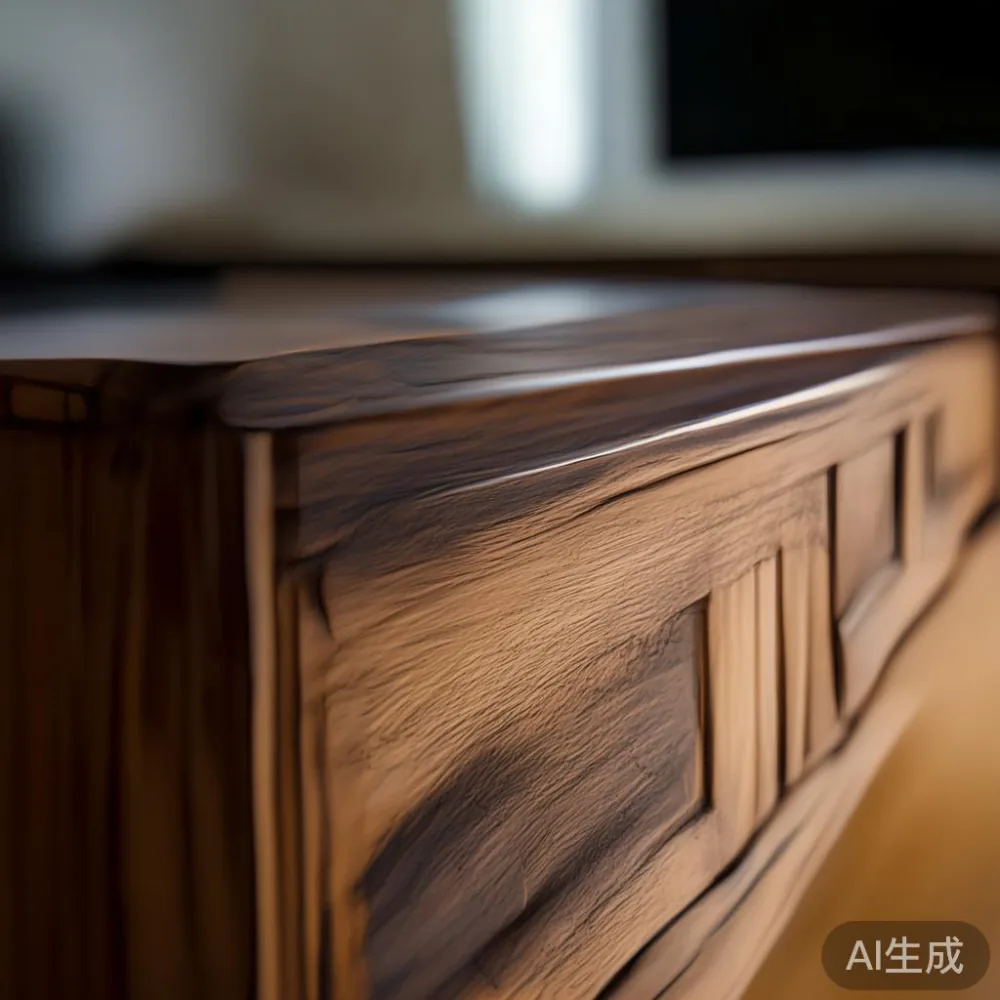
What does warm minimalism actually look like in a 90 sqm Singapore condo?
Warm minimal is not the same as cold Scandinavian, and it is certainly not glossy showroom minimal. Think of it as cream walls, honey-toned timber, a single boucle or linen sofa, and one or two matte ceramic pieces. The palette sits between putty beige and toasted oak, never pure white and never dark walnut. In a typical Tampines or Punggol BTO of about 90 sqm, the living room runs roughly 4.2 m by 3.0 m once the kitchen opening is counted out, which means a TV cabinet between 150 cm and 200 cm wide hits the right visual weight. Shorter than 140 cm and the wall looks underdressed; longer than 220 cm and you crowd the walkway to the balcony door. The right cabinet should also sit at 42 to 48 cm in height — low enough to read as a horizontal line, tall enough to swallow a soundbar of 8 to 12 cm.
This is the aesthetic MIDHILL has leaned into since 2008, and it is why a beige teak standing desk or a similar pale-tone timber reads so naturally beside a warm minimal TV cabinet — the species and finish already share the same colour family, so the eye reads one continuous material story rather than five competing ones.
Is Nordic sectional sofa furniture worth it?
Yes, a Nordic sectional sofa is worth it in a warm minimal HDB because it solves the two hardest problems at once: generous seating for visiting relatives during Chinese New Year, and a low, light silhouette that does not overpower a compact living wall. The right sectional pairs a 240 to 280 cm three-seater with a 150 to 170 cm chaise, all on timber feet 12 to 15 cm off the ground, so the room still breathes underneath. Avoid chunky chrome legs and dark grey bouclé if you want true warm minimal — go for sand, oatmeal, or a pale stone-wash linen instead.
I watched a colleague test this in his Bedok resale flat. He swapped a 3-seater fabric sofa for a 260 cm Nordic sectional in oat linen, paid about S$2,650 delivered, and then positioned his 180 cm oak TV cabinet directly opposite. The two pieces are from different makers, but because both share a warm neutral base, the room reads as composed rather than pieced together. Sectionals used to feel oversized for HDBs, but the slimmer-arm Nordic shape keeps total depth around 95 to 100 cm, which still leaves a 70 cm walkway behind — enough for the corridor-rated robot vacuum to dock without scraping the wall.
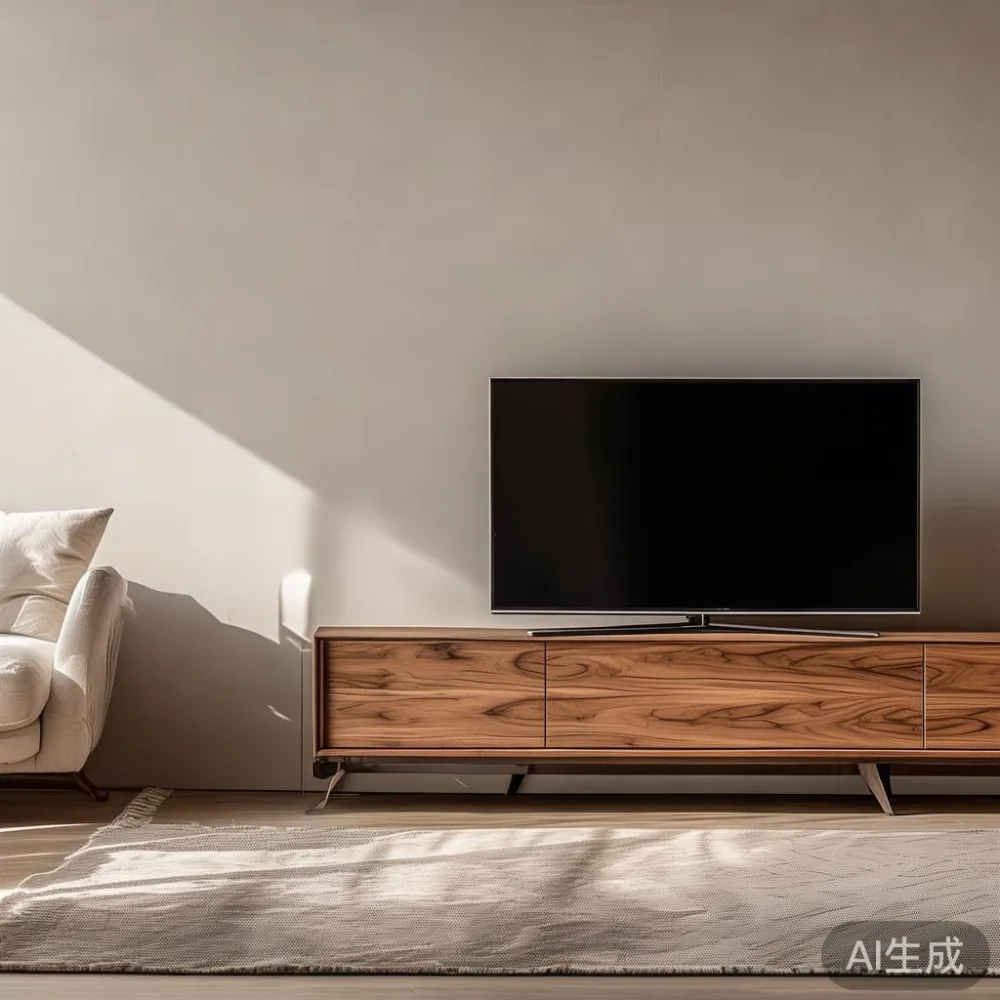
How wide should a TV cabinet be for a 55 to 65 inch television?
Aim for 1.6 to 2.2 times the diagonal of your screen. A 55 inch television (about 140 cm diagonal) sits comfortably on a 160 cm cabinet, while a 65 inch screen (165 cm diagonal) needs at least 180 cm of surface so the speakers can breathe and the cabinet does not look top-heavy. In a Punggol condo with a 3.6 m feature wall, I would lean toward 200 cm for breathing room on either side — usually 25 to 30 cm of empty wall per side reads as intentional, not awkward.
Depth is the detail most owners get wrong. Many HDB walls hide trunking at 8 to 10 cm, and your TV mount bracket usually adds another 4 to 6 cm. Pick a TV cabinet at least 38 cm deep so cables disappear, the power board hides behind the back panel, and your router can sit out of sight on a shelf with a 5 cm rear gap for ventilation. Anything under 35 cm forces the soundbar to perch on the front edge, which kills the clean horizontal line that defines warm minimal design.
Which solid wood species work best with warm minimal palettes?
Three species do most of the heavy lifting: white oak for cooler rooms with grey undertones, ash for the cleanest Scandinavian look, and rubberwood or beech when you want a pale beige that flatters cream walls. For deeper warm interiors — those with a hint of terracotta or clay in the tile — teak, walnut, or acacia bring the right weight, but keep the grain visible rather than painted, so the cabinet still reads as furniture, not joinery.
Since 2008 the workshop I trust has built everything from solid wood sofa frames to bed frames and wardrobes in the same species families, which is what makes a matched living-room set feel cohesive without looking like a catalogue. A 200 cm solid oak TV cabinet typically weighs between 55 and 70 kg once assembled — well within the 250 to 350 kg per lift panel limit for HDB passenger lifts at Tampines GreenRidges and most Punggol blocks, so you will not need a cargo lift booking. MIDHILL's pieces, for example, ship pre-assembled to Singapore because the corridor turn at the lift lobby is usually only 90 to 110 cm wide; flat-pack from cheaper brands often arrives damaged for that exact reason.
How should a TV cabinet relate to a marble table, dining table, and nightstand?
Treat the TV cabinet as the bridge between your living and dining zones, not as an island. If your dining table is a warm-toned solid oak piece — common at 160 to 200 cm for a four-seater in a compact condo — the TV cabinet should be within two shades of that timber. A 120 cm round travertine or Carrara marble dining table on a warm metal base is the one exception where contrast is welcome; the cool veining in the marble acts as a counterpoint to the timber cabinet, and the two together feel intentional.
In the bedroom, your nightstand should match the cabinet's wood tone within a half-step. Two 45 to 55 cm nightstands at 50 to 55 cm height, both with one drawer and one open shelf, keep the visual rhythm going from living room to bedroom. A bed frame in the same species — usually 160 by 200 cm for a Singapore queen — closes the loop. A wardrobe in a pale matte laminate is fine for built-ins, but if you are buying freestanding, keep the grain direction consistent so the eye does not have to re-read the room every time you open the door.
What should you budget in SGD for a warm minimal TV cabinet that lasts?
Plan for S$1,200 to S$2,400 for a solid oak or ash TV cabinet between 160 cm and 200 cm in a warm finish. Anything below S$900 is almost always engineered board with a thin veneer, which tends to chip at the corners within three to four years of Singapore humidity. Spend a little more up front and you gain a 10-year structural warranty, which is what a Foshan direct workshop like MIDHILL offers because they control the joinery — mortise and tenon, dovetail drawers — rather than relying on cam locks and chipboard.
Watch for these add-ons when you compare: GST (9% in Singapore as of 2024 and 2025), delivery surcharge above the second floor without a lift, and disposal of your old cabinet, which can run S$60 to S$120 if the building management requires a registered disposer. Many direct-from-Foshan workshops now ship door-to-door to a Singapore warehouse in 30 to 45 days, then white-glove to your unit in another 5 to 10 working days. Free shipping above US$350 (about S$470) is common, and a 14-day return window covers the rare finish mismatch. If you are also buying a dining table, nightstand, or bed frame at the same time, the consolidated shipment usually saves S$180 to S$260 in delivery alone.
Three layout mistakes Singapore homeowners make with a TV cabinet
The first mistake is pushing the cabinet flush against the wall with zero breathing room. Leave at least 8 to 12 cm between the cabinet's back panel and the wall so trunking, cable tails, and the inevitable router can sit cleanly. The second mistake is choosing a cabinet door finish that fights the rest of the room — high-gloss white under warm timber tones always looks like a leftover from a different renovation. The third mistake is treating the TV cabinet as the only solid piece in the living room. Warm minimal needs at least two timber anchors; pair the TV cabinet with either a sideboard in the dining zone, a console behind the sofa, or a timber-framed floor lamp base, so the timber conversation continues around the room.
Two more details that quietly make or break the look: cabinet legs versus plinth base, and handle style. A plinth base in warm minimal looks heavy; a cabinet on 8 to 12 cm timber legs reads lighter and lets the floor extend visually underneath. For handles, finger-pull channels or recessed grooves keep the front face clean. Knobs and bar pulls work only if they are in brushed brass or matte black, and only if they echo a similar finish elsewhere in the room — say on a marble table lamp base or a sofa leg cap.
How do you maintain a warm minimal TV cabinet in Singapore humidity?
Singapore sits at 70 to 90% relative humidity for most of the year, so even kiln-dried solid timber will move. Wipe the cabinet weekly with a dry microfibre cloth, never a wet one, and run the air-conditioning at 24 to 26 degrees for at least eight hours a day in rooms where the cabinet sits. Avoid placing the cabinet directly under a window that gets afternoon sun — UV will bleach a warm oak finish in 18 to 24 months. If a scratch appears, a lifetime refinishing service (offered by a handful of Foshan workshops) can re-oil or re-wax the surface for a small fee, usually S$120 to S$280 per piece, which is far cheaper than replacement.
One small habit change saves a lot of regret: never place a vase of fresh flowers directly on the timber without a coaster. The water ring from a single night can leave a pale halo on oak or ash that takes six months to fade. A set of felt pads under any decorative object, and a tray for remotes and coasters, keeps the surface honest.
Where does a light-luxury positioning actually fit into a warm minimal HDB?
Light luxury — whether French light luxury, American light luxury, or post-modern light luxury — is not about gold trim or marble cladding. It is about restraint: one curved silhouette, one tactile material, one piece that feels slightly refined above the rest. In a warm minimal HDB, that one piece might be a curved-back accent chair in stone-wash linen, a fluted glass pendant, or a marble coffee table on a brushed brass base. The TV cabinet should not be the light-luxury piece; it should be the calm foundation that lets the light-luxury accent breathe.
A 90 to 100 cm round marble table in cream or pale grey, paired with a slim solid wood sofa frame in white oak, gives the room its quiet confidence. Add a 180 cm oak TV cabinet in the same tone and the three pieces form a triangle of warm neutral that any homeowner in Tampines, Bedok, or Punggol can maintain for fifteen years without redecorating. The result is a living room that feels pulled together, not purchased in one afternoon — which is, in the end, what warm minimal is really asking for.