TV Cabinet Style Guide for Warm Minimalist Interiors
Warm minimal interiors work because they feel composed without becoming cold. Pale walls, clean circulation routes and a limited palette create the framework, while timber, woven textures, stone and soft lighting prevent the room from resembling an empty showroom. In Singapore, the TV cabinet is often the most influential piece in the living room: it occupies the longest uninterrupted wall, carries the visual weight of the television and determines where storage, lighting and everyday objects sit.
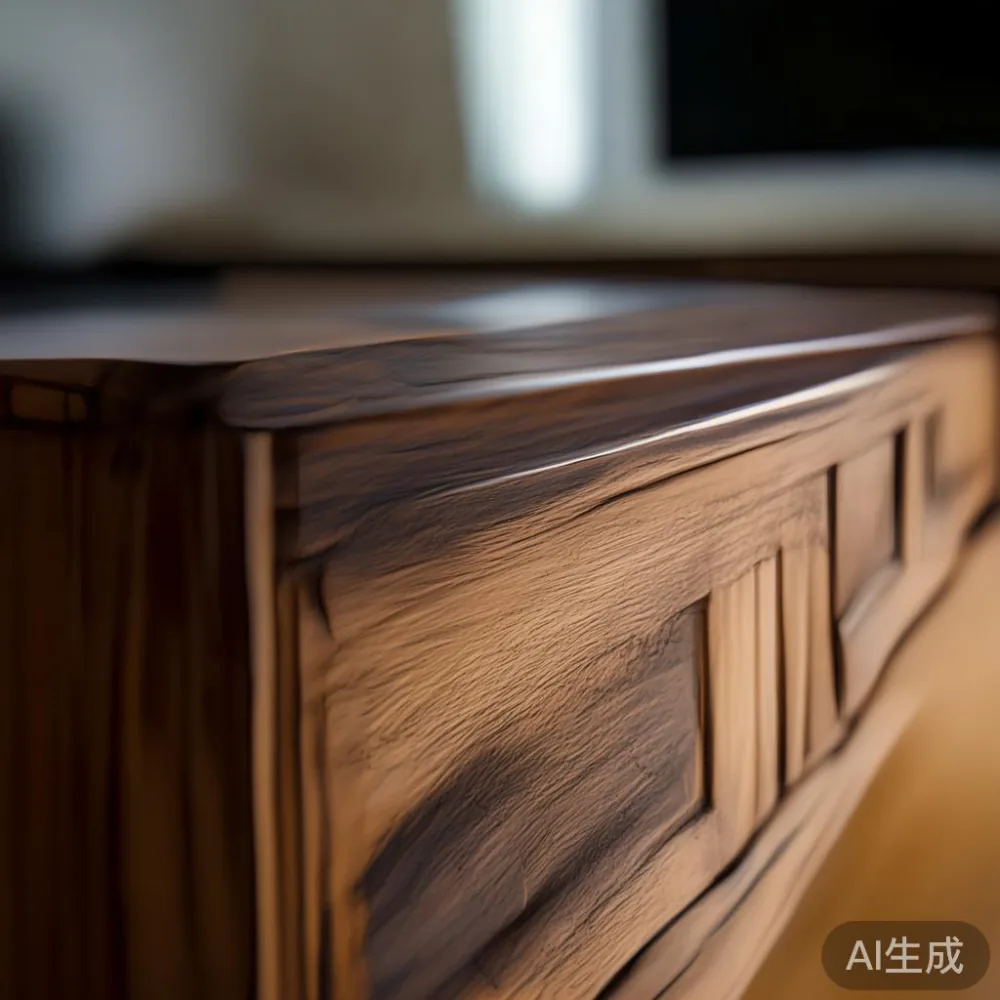
This guide explains how to match furniture to a warm minimal interior, with measurements and examples suited to HDB flats and condos in Tampines, Bedok and Punggol. A compact Singapore home does not need less personality; it needs carefully proportioned furniture and fewer competing finishes. For solid timber pieces from MIDHILL, the same principle applies: warm grain should meet practical dimensions, restrained hardware and a finish that can live with both filtered daylight and evening lighting.
What makes a warm minimal interior different from a plain room?
Minimalism here means editing rather than removing every trace of life. Warmth can come from natural grain, low-contrast colours and tactile surfaces. A light oak TV cabinet with closed storage may be more inviting than a high-gloss unit in stark white, while a cream fabric sofa and an oatmeal rug soften the harder geometry of a television screen.
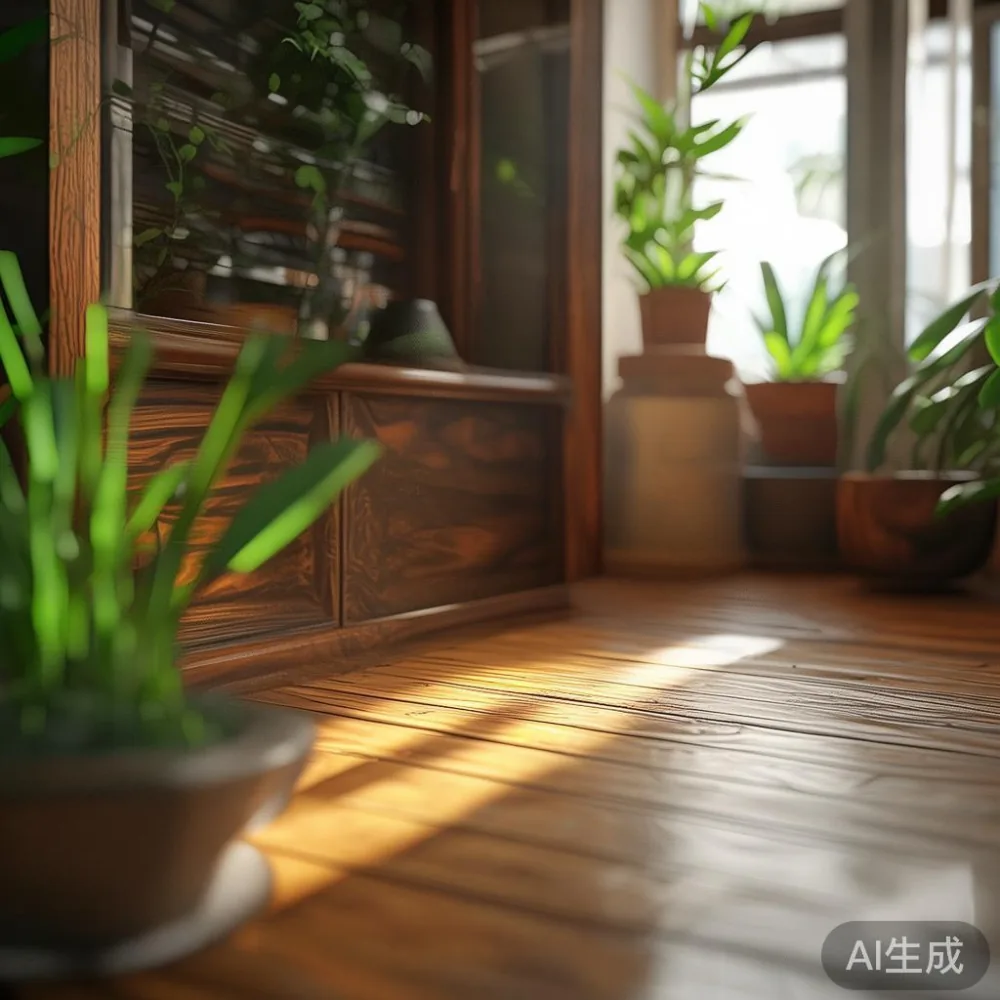
A practical palette might use 3 main colours: warm white walls, light-to-medium oak and muted greige upholstery. Add 2 accent colours through cushions, ceramics or art, such as rust and sage. Keep the total number of visible timber finishes to 2; mixing pale oak with walnut, teak and reddish mahogany can make a compact room look visually fragmented.
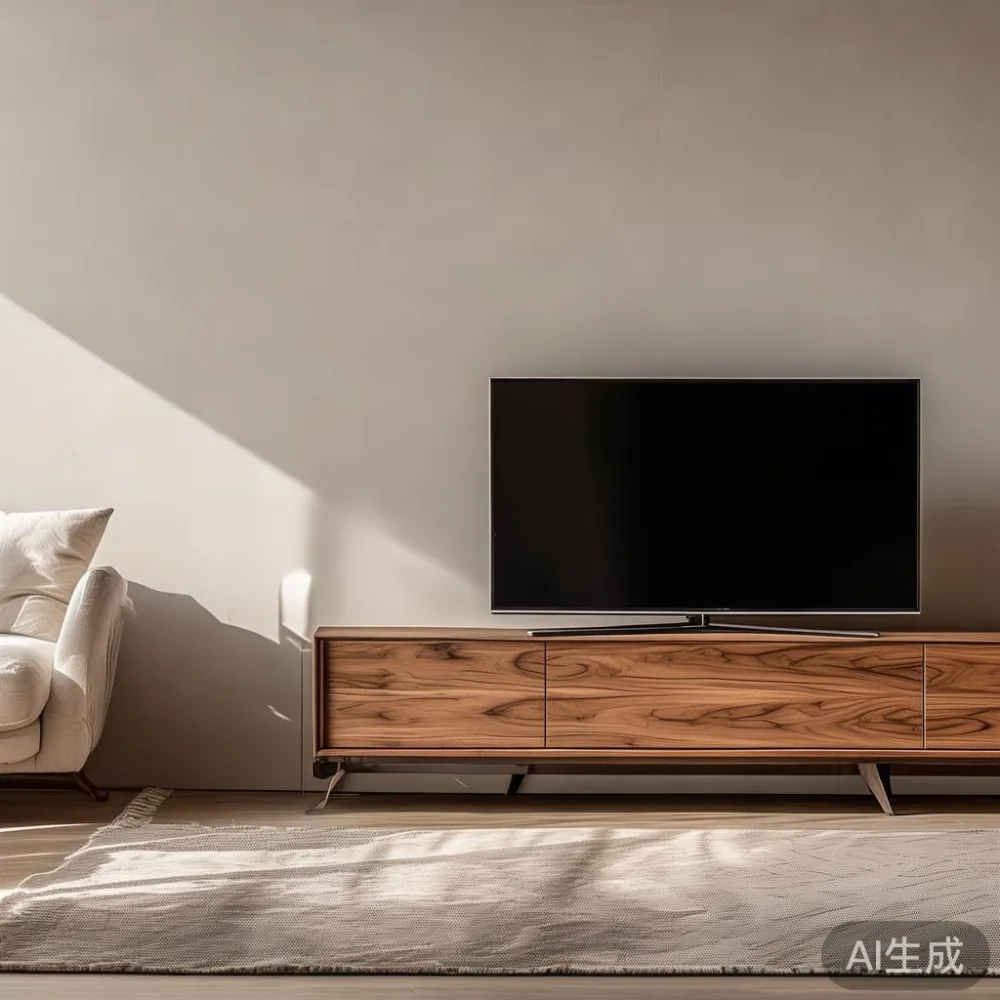
The television should be treated as a dark rectangle within the composition, not as a reason to fill every surface. A 120 cm-wide screen generally works with a 160–180 cm TV cabinet, while a 140 cm screen usually calls for a 180–220 cm cabinet. In many HDB living rooms, a 160 cm cabinet provides adequate screen proportion and still leaves 20–30 cm of visual breathing room at each side. Avoid measuring only the wall; account for lift doors, corridor corners and the position of power outlets.
How should I choose a TV cabinet for a Singapore living room?
Choose the cabinet after measuring the wall, the screen and the route from the lift. The cabinet should feel generous enough to anchor the screen but not block a window, air-conditioning vent or main doorway. For a warm minimal interior, closed doors are useful because they reduce visual clutter and let the timber remain the feature.
Check the usable wall width and subtract 40–60 cm for a balanced margin. A 280 cm wall may suit a 180–200 cm cabinet; a 340 cm wall can carry a 220–260 cm cabinet if the television remains in proportion. The cabinet depth should usually be 38–45 cm for a television with a slim wall mount, although 48–55 cm is useful when cables, a soundbar or a console must be reached without leaving the sofa.
Height also matters. A 40–50 cm cabinet raises the screen to a comfortable eye level and works well with a 42–46 cm-high sofa seat. A taller, 65–75 cm cabinet creates a more architectural look but needs a higher sofa or a wall-mounted screen to prevent the screen from sitting too low. Keep the TV roughly 15 cm above the cabinet top when using a stand; for a wall mount, centre the screen close to seated eye level.
Singapore conditions make solid wood construction and finish care worth checking. Ask for details on moisture movement, joint construction and lacquer or oil maintenance. A cabinet should tolerate seasonal humidity changes without visibly splitting around its joints. The screen should have ventilation clearance of at least 10 cm above or around compatible equipment, following the television manufacturer's instructions.
How do you keep a TV cabinet from making a small living room feel heavy?
Use a low profile, legs or a wall-mounted design to reveal the floor plane. Full-height storage around a television usually suits a larger living room; in a compact flat, a 160 cm cabinet with 2 slim drawers and 2 closed doors creates order without forming a heavy block. Light oak or ash visually reduces weight compared with a dark stained timber, but a medium walnut finish can still feel warm when paired with cream textiles.
Limit what appears on the cabinet. One lamp, 2 ceramic objects and a short stack of books are enough for a 180 cm unit. If a soundbar is visible, match its colour to the television frame or place both inside a ventilated compartment. Avoid placing a large vase at one end and a tall plant at the other, since these create competing vertical lines.
Consider the coffee table next. A round oak coffee table with a 75–85 cm diameter softens the rectangular cabinet and improves circulation in a 320 cm-wide HDB living area. Leave 35–45 cm between the coffee table and sofa for movement, and approximately 30–40 cm between the coffee table and cabinet. In a tight room, nesting tables with 45 cm and 55 cm diameters can preserve clear walking space.
Which materials should sit beside a warm minimal TV cabinet?
Natural materials provide the clearest route to warmth. Solid oak, ash, teak and walnut offer grain and touch, while linen, cotton, jute and wool reduce the coolness of glass, metal and screens. A solid wood sofa in oatmeal, warm taupe or pale beige provides a calm base. If the sofa is upholstered in charcoal, introduce 2 pale textiles—such as a cream throw and beige cushions—to balance the contrast.
A marble table adds one precise, luminous surface rather than a collection of decorative objects. Choose a compact round marble coffee table if the TV cabinet is rectilinear, or a narrow timber table if the cabinet already has strong veining. Marble should be treated as a contrast, not as a requirement. Warm minimal rooms often look better with one marble table, 1 metal accent and several matte ceramic vessels.
Lighting should be layered. Aim for 3 levels: 150–250 lumens from a table lamp, 300–500 lumens from ambient ceiling lighting and 100–200 lumens from a directional floor lamp. Warm white light around 2700–3000K makes timber grain visible without turning the room orange. If the cabinet has integrated lighting, position it behind the television or beneath a shelf rather than shining directly towards the screen.
French light luxury in a TV cabinet can mean pale timber, fine shadow gaps and discreet profiles rather than abundant ornament. Post-modern light luxury offers another route through a simple cabinet with one expressive detail, such as rounded corners, reeded doors or a sculptural base. American light luxury is often more substantial, using generous proportions and visible timber grain while retaining uncluttered storage.
How do you match a dining table and other pieces to the same warm minimal palette?
The dining table should echo the cabinet's colour temperature, not duplicate its shape exactly. A light oak TV cabinet can pair with a rectangular pale oak dining table, while a walnut cabinet may suit a warm, lighter dining table to prevent the dining zone from becoming too dark. In a compact condo, a 120–140 cm rectangular table seats 4, and a round table with a 110–120 cm diameter also seats 4 while allowing easier movement around the edges.
Leave 75–90 cm between the table edge and a wall or fixed storage for chair pull-out space. In an open-plan dining and living area, maintain 90–110 cm between the dining table and sofa zone. This measurement matters in Punggol and Tampines homes where the dining area often shares one visual axis with the television wall.
The bedroom should carry a quieter version of the same palette. A low solid wood bed frame with a warm white upholstered headboard can balance the living room without creating a separate visual theme. If searching for the best Industrial bed for 2026, look for a restrained frame with dark metal supports, a timber platform and clean lines rather than distressed decoration. The phrase best Industrial bed for 2026 is useful as a design direction, but proportion and comfort should decide the final choice.
A solid wood sofa, bed frame, dining table and TV cabinet should not all have identical amber tones. Match lightness and warmth, then vary the grain. This avoids a showroom-like set while preserving cohesion. For wardrobes, use flat fronts in pale oak when the bedroom needs brightness, or warm off-white doors with timber handles when the room already contains substantial wood.
Can a Japandi wardrobe really work in an apartment?
Yes, provided the wardrobe has a calm front, good internal organisation and a finish that agrees with the rest of the home. When considering how to style Japandi wardrobe in apartment, focus on the relationship between pale timber, paper-like lighting, low-saturation textiles and clear floor space. A built-in wardrobe in warm white can visually disappear, while a light oak wardrobe adds texture without looking visually heavy.
For Singapore apartments, measure the bedroom door, lift opening and corridor turns before ordering a large wardrobe. Keep individual door sections below about 60 cm wide where possible; wider panels are heavier and more difficult to manoeuvre through a corridor. A 220 cm-wide wardrobe with 4 doors can fit many condo bedrooms, but it should not project too far into the room. Aim for 55–62 cm depth to accommodate hanging garments while allowing some airflow.
A nightstand should repeat one material or one colour from the TV cabinet. A 40–50 cm wide timber nightstand is enough for a lamp, phone and glass of water. Keep the top within roughly 5–10 cm of the mattress height for convenient reach. This same restraint can guide how to style Japanese bed in bedroom: a simple timber platform, restrained bedding and a single paper-inspired lamp create the atmosphere without filling the room with themed objects.
What should you check before delivery to a lift or corridor?
Measure the route rather than estimating from the flat floor area. Ask the building management for lift dimensions and delivery windows, and record the narrowest corridor turn. For example, a 220 cm TV cabinet may fit a 210 cm-wide lift at an angle but fail at a 180 cm right-angled corridor turn. Always include carton packaging in the measurements because a 180 cm cabinet may arrive in a protective box around 188–192 cm long.
Check whether the delivery includes carrying, unpacking and positioning. Stairs and corner thresholds can require 2 movers for a cabinet over 65–70 kg. If the cabinet is flat-packed, confirm the number of cartons and the longest carton length before reserving the van. A narrow flat-pack module may be more practical than one fully assembled piece, particularly beside the main entrance door.
For a complete room, compare furniture under a clear budget. A search for under 2000 American furniture can surface oversized pieces that look economical online but cost more once delivery and access are considered. Likewise, under 2000 Minimalist furniture is a sensible collection filter, not a promise of fit; measure every piece before purchase. GST is normally added at checkout, so budget approximately 9% above the displayed price for Singapore purchases.
MIDHILL offers a 10-year structural warranty and lifetime refinishing on eligible solid wood furniture, which can make maintenance part of the selection decision. Ask for care instructions specific to the finish and Singapore's humidity. Pieces may need dusting with a soft cloth every 1–2 weeks, with refinishing scheduled according to use rather than a fixed monthly treatment.
How can you create a warm minimal room without buying everything at once?
Start with the largest visible surface and the piece that determines circulation. If the TV cabinet is already chosen, build the room around its timber tone and footprint. Add 1 upholstered seat, 1 rug large enough to place at least the front legs of the sofa on it, and 2 lighting layers. A 160×230 cm rug suits many compact living rooms; a 200×300 cm rug offers more comfort in a larger open-plan area.
Storage should be distributed carefully. Use the TV cabinet for media and low-frequency items, a dining sideboard or closed shelving for tableware, and a closed bedside unit for personal belongings. This creates a minimalist visual field while preserving practical storage. A wardrobe with closed doors can absorb visual clutter from clothing, reducing the need for extra shelves elsewhere.
To refine the style, mix periods selectively. A French light luxury cabinet can sit with a simpler Scandinavian sofa, while a post-modern light luxury dining table can connect through shape rather than matching decoration. A European light luxury bed can introduce tactile upholstery in the bedroom without demanding ornate furniture in the living area.
Last month I visited my colleague's new 3-room HDB flat in Bedok and tested this approach with a 180 cm oak TV cabinet. The room measured roughly 3.2 m at its narrowest point, with a corridor turn of about 1.25 m. We placed the cabinet on the 3.9 m living-room wall, kept it 42 cm deep and used a 140 cm television. The result left approximately 75 cm between the cabinet and the nearest armchair and avoided the usual cramped look. A round 80 cm coffee table, oatmeal solid wood sofa and rust cushion added warmth without reducing movement space.
For orders or project checks, MIDHILL can be contacted at +86 188 2788 2512. Ask for the packaged dimensions, weight, finish sample and delivery lead time before confirming. Free shipping over US$350 applies to qualifying international orders, while Singapore delivery, GST and access charges should be confirmed separately.
A successful warm minimal interior is measured in centimetres, kilograms and daily habits. The TV cabinet should align with the screen, preserve the circulation route and set a timber tone for the rooms around it. When each piece has a clear proportion and material role, the home feels calm, tactile and genuinely lived in.