Working through Furniture Warranties in Singapore: A User's Guide
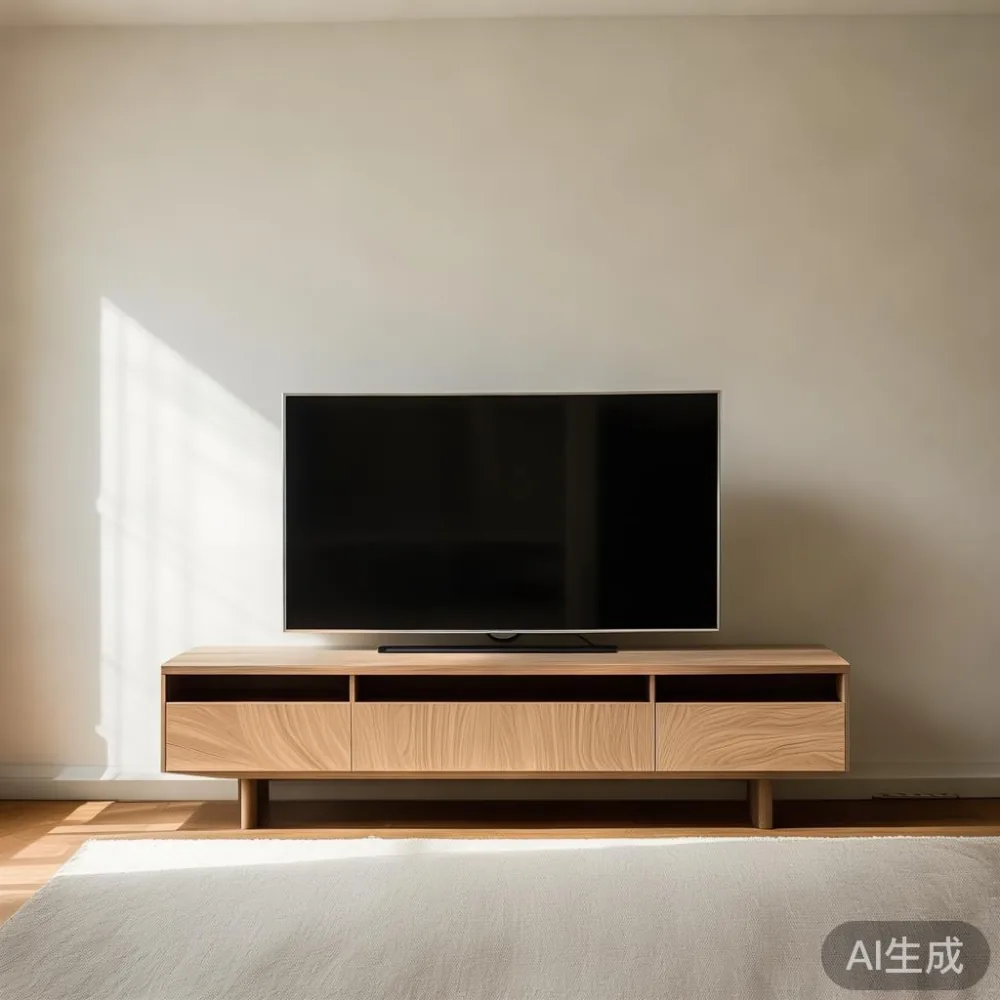
I learned to read warranties the hard way. Last September I bought a glossy four-door wardrobe from a Tampines furniture shop along the TPE corridor. The price was right at S$2,180, delivery was free, and the salesperson waved a single A4 sheet at me saying “warranty ten years, no worry.” Six months later the left door developed a 3 mm warp along the hinge stile. When I went back with photos, the shop pointed to clause 7 in tiny print: “warranty void if humidity exceeds 70% RH for more than 30 consecutive days.” Singapore averages 78–82% RH year-round. I had no claim. That 30-minute reading session would have saved me S$2,180. Below is the framework I now use on every piece of furniture I bring into my HDB, including the tv cabinet I installed in my Bedok resale flat in February.
What does a furniture warranty actually cover?
A warranty is a manufacturer’s promise to repair or replace specific defects within a stated period. It is not a maintenance contract, and it is not insurance against wear. Three categories of defects sit inside most documents: structural defects (broken joints, cracked frames, warping beyond 5 mm over a 1 m span), functional defects (drawer runners failing, hinges misaligning, gas lifts sagging below rated cycles), and surface defects (peeling veneer, lacquer yellowing beyond a Delta E of 3, fabric pilling). Read which one your warranty names and which one it quietly excludes.
For a 1.8 m solid wood dining table bought in Singapore, structural coverage usually means the table top, apron, and leg assemblies for 5–10 years. Surface coverage on the same table typically drops to 12–24 months. Hardware such as extension runners or soft-close hinges often has its own sub-warranty of 2 years. A good warranty document splits these into separate tables with separate terms. A weak one groups everything under a single vague paragraph.
Where is the fine print that Singapore buyers usually miss?
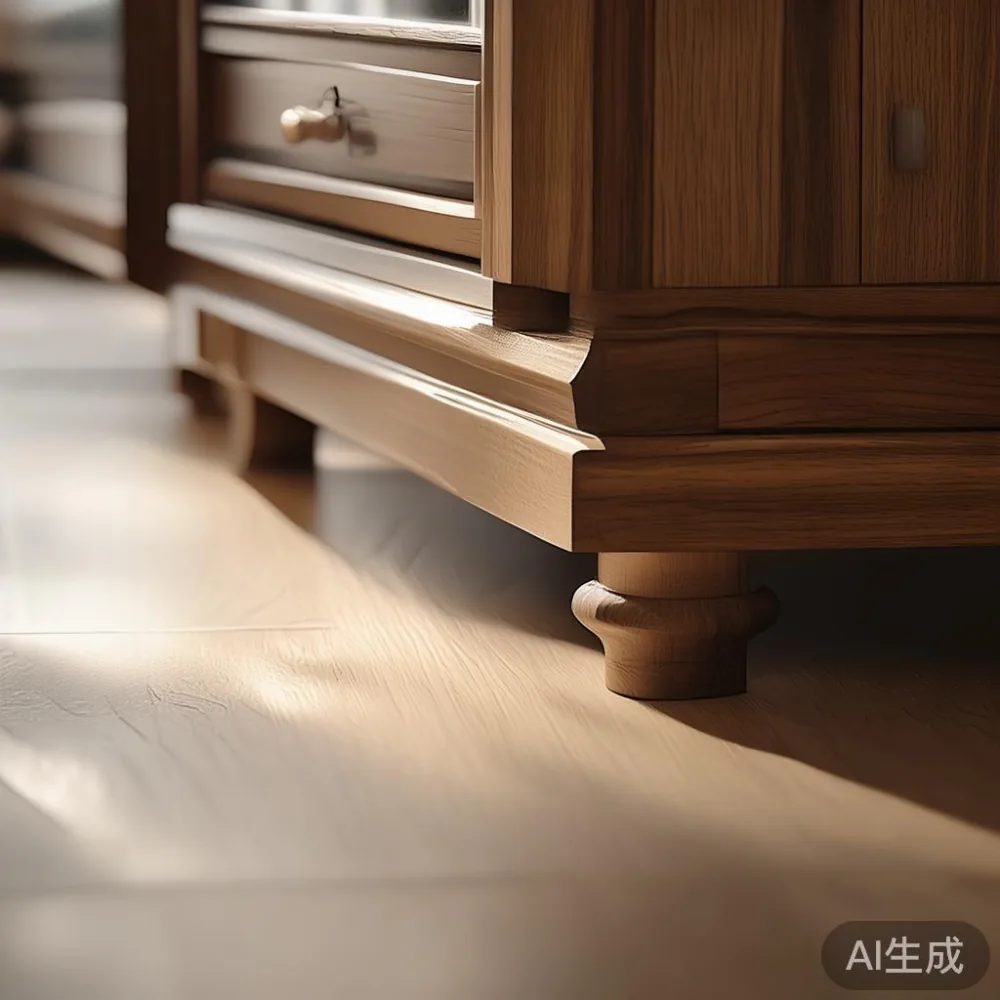
Fine print hides in four places. First, the definition of “defect” – some warranties exclude “cosmetic variations” in solid wood, including grain pattern, mineral streaks, and colour shift of up to 10%. Second, the burden of proof – many brands require the buyer to demonstrate the defect existed at delivery, not after use. Third, the geographic clause – coverage may be void if the item is shipped outside the original delivery postcode (an issue if you later move from a Punggol condo to a landed house in Bukit Timah). Fourth, the remedy clause – “repair or replace at our option” often translates to a 90–180 day wait while the factory in Foshan dispatches a replacement part by sea freight to Singapore, a 14–21 day voyage.
I keep a 1 m ruler and a 30 cm steel straightedge next to my reading chair. When a warranty document uses metric thresholds, I measure the actual tolerances at delivery: 2 mm gap on a drawer face, 3 mm reveal on a wardrobe door, 4 mm level difference across a 2 m tv cabinet top. If the document says “defects exceeding 5 mm,” my measurement tells me whether I am already outside coverage before I sign.
Is a 10-year warranty really 10 years?
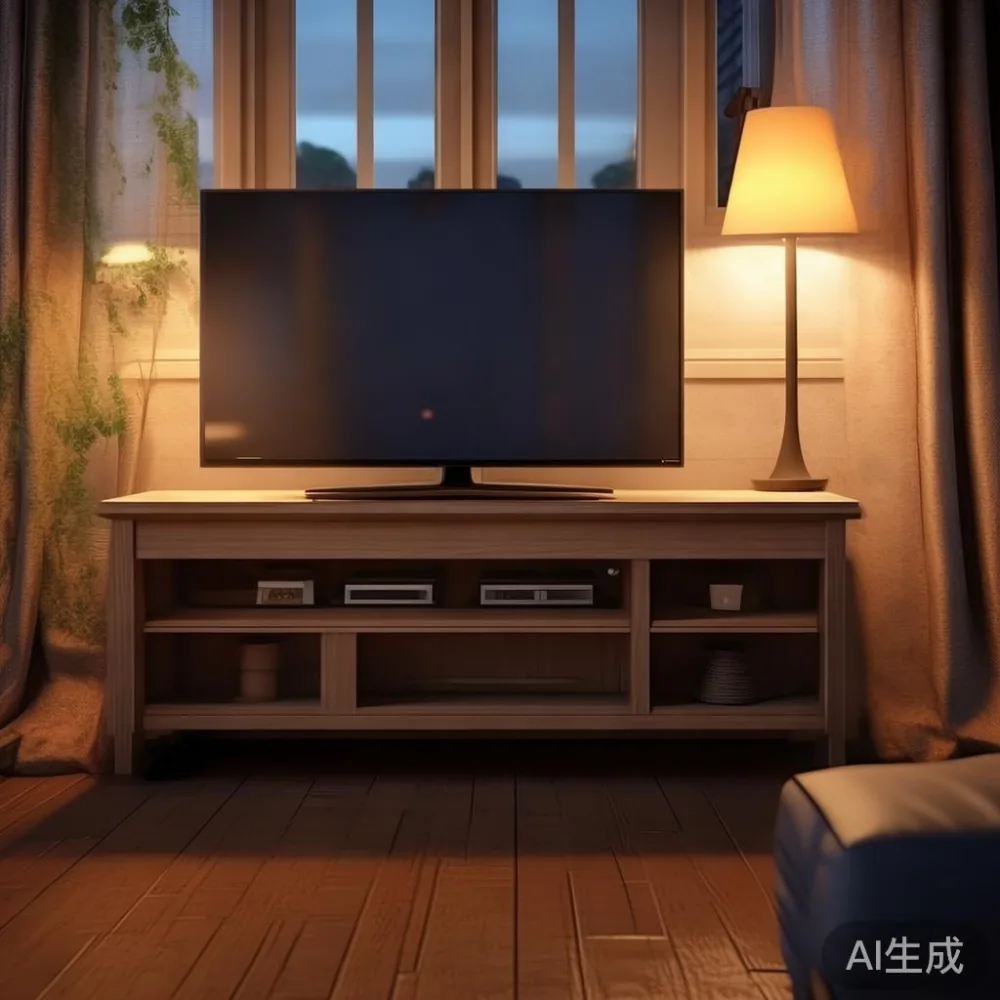
Not always. The headline number is the “structural warranty period.” Three layers sit underneath it: a full warranty (everything replaced, including labour and freight), a prorated warranty (you pay a percentage of replacement cost rising each year, e.g. year 6 you pay 50%), and a parts-only warranty (factory ships the part, you pay the carpenter). MIDHILL, the Foshan solid wood maker that has exported to more than 15 countries since 2008, publishes a 10-year structural warranty on its bed frames, dining tables, and wardrobes, paired with a lifetime refinishing service on solid wood tops. That pairing matters in Singapore, where UV through unshaded west-facing windows in a HDB will bleach an oak top by shade 15–20% over five years.
Compare that to a typical promo warranty of “10 years” which, on close reading, becomes “1 year full, 9 years parts only, labour charged at S$85/hour.” Always request the labour rate card. If the document does not list one, assume the worst.
How do lift and corridor widths in HDB flats change warranty service?
Singapore HDB corridors in blocks built before 2010 measure 1.2 m wide; newer BTOs in Punggol go to 1.5 m. Passenger lifts are typically 1.1 m deep and 1.4 m wide, with door openings of 0.9 m. A 2.4 m wardrobe will not fit through a 0.9 m lift door unless it is delivered flat-pack (knocked-down). Service teams often disassemble a wardrobe on site under warranty, but the warranty may state that “on-site disassembly voids coverage on joints disturbed during service.” That single line can cost you a S$400–S$700 claim.
Ask the brand how service is delivered: does the technician replace the defective component without touching the rest of the unit? Does the brand warranty for any new scratches introduced during service? Reputable brands answer both questions in writing. If they hesitate, the warranty is weaker than the brochure suggests.
What is the difference between a warranty and Singapore consumer law?
Under the Consumer Protection (Fair Trading) Act, goods must be of “reasonable” quality and fit for purpose. The Lemon Law presumption applies for the first six months: the defect is presumed to have existed at delivery. After six months, the burden shifts to you, the buyer. A warranty cannot reduce your statutory rights; it can only add to them. If your warranty document says “no returns after 7 days” but your tv cabinet arrives with a cracked marble top, the CPA still gives you a repair-or-replace right at the seller’s cost within a reasonable time, regardless of the store policy.
Keep your paid invoice, the delivery order, and timestamped photos from unboxing. For a tv cabinet with a marble table top, photograph the stone surface under bright daylight from four angles before the delivery crew leaves. Marble is brittle along great slabs and vertical transport stresses can micro-fracture veins you only notice 8–12 weeks later.
Which warranty clauses matter most for a solid wood piece?
Solid wood behaves differently from MDF or plywood. It moves with humidity: a 1.8 m oak top can grow 4–6 mm across its width between Singapore’s January dry spell (70% RH) and November monsoon (85% RH). A fair warranty acknowledges this. An unfair one denies claims for any movement, then blames the buyer’s air-conditioner.
Three clauses to look for: (1) acceptable movement tolerance, usually 3–5 mm over 1 m; (2) finish coverage for checking (small surface cracks along the grain) versus structural cracks through the board; (3) coverage for joint loosening where mortise-and-tenon or dowel joinery is used. A bed frame using traditional joinery from a brand like MIDHILL will typically carry a longer structural term than a flat-pack bed using cam locks, because the joinery itself is the costliest part to repair.
When I ordered the MIDHILL dining table review I eventually filed for my living-dining area, the document specified 10 years on the leg-to-apron joints, 5 years on the extension mechanism, 3 years on the lacquer finish, and lifetime refinishing on the solid wood top at a fixed workshop fee of S$180. That level of granularity is a sign the brand has actually serviced warranty claims, not just drafted a marketing line.
What should I do on delivery day to keep my warranty valid?
Four steps, in order. First, photograph the carton labels and the piece before assembly. Second, check the serial number on the product against the invoice; a mismatch voids most warranties. Third, retain all packaging for 14 days; if you bin the polystyrene and need a return for a tv cabinet dent, the brand can refuse on “inadequate packaging for return transit.” Fourth, register the warranty online within 7 days of delivery. Most Singapore distributors require a portal registration before the clock starts. If you skip it, the warranty clock never begins, and you may only have statutory rights to fall back on.
For my own tv cabinet, I registered within 48 hours, kept the wooden crate for 21 days (the courier’s written request), and noted two 1.5 mm pin-marks on the right side that I flagged in writing to the service team. Two months later when one hinge developed a squeak, the replacement hinge arrived by air from Foshan in 9 days, fitted free. That is what a working warranty looks like.
How do light-luxury designs change what the warranty covers?
Light-luxury furniture — whether French light luxury with carved fluting on a nightstand, American light luxury with brass-capped legs on a marble table, or post-modern light luxury with hand-finished lacquer on a tv cabinet — combines solid wood frames with mixed-media surfaces: marble, metal inlay, woven rattan panels, glass inserts. Each surface brings its own warranty sub-clause.
A French light luxury wardrobe with mirrored panels may exclude “desilvering along edges within 5 mm” because manufacturers consider this normal at sea-transport humidity. A post-modern tv cabinet with a sintered stone surface may exclude chips caused by thermal shock above 80°C — relevant if you place a soundbar or router that runs warm on the top. An American light luxury light grey luxury sofa with performance fabric typically warranties the frame for 10 years, the foam for 3 years, and the fabric for 1 year against pilling, but not against dye transfer from new jeans.
Ask which surface supplier warranties are passed through to you. The best Post-modern wardrobe for 2026 should come with the original hardware maker’s certificate for runners (Blum, Hettich) printed and attached, not just a photocopy.
How do shipping, GST, and returns work under a Singapore warranty?
Three monetary items to clarify before purchase: (1) GST — all imported furniture into Singapore is subject to 9% GST on the CIF value; a warranty document is usually silent on whether GST is added to replacement parts; (2) free-shipping thresholds — brands like MIDHILL offer free shipping above US$500, roughly S$680, which on a 2.4 m wardrobe plus a tv cabinet is easily met; (3) return windows — 14-day returns are common but read the restocking fee, typically 15–25%, and the condition clause (“original packaging, unassembled, no scratches”).
Always request the brand’s GST registration number on the invoice so you can claim input tax if you are furnishing an investment property. For personal use, request a tax invoice with the unit price, GST, and freight broken out separately; this also helps with any future insurance claim if the item is damaged by a burst pipe in your Bedok kitchen.
Where to buy dining table from MIDHILL if warranty clarity is your top filter?
I narrowed my shortlist to four Singapore distributors earlier this year when sourcing a dining table and tv cabinet together. Three quoted 5-year structural warranties with 1-year surface. The MIDHILL Singapore distributor quoted 10-year structural with lifetime refinishing on the solid wood top. I cross-checked with two customers on a HDB forum thread (Bedok Reservoir and Punggol Echo Park) — both confirmed claims handled in under 21 days, parts shipped by air at no charge. That service speed, more than the brochure language, is what a warranty is worth.
If you are evaluating a tv cabinet, ask the seller to point to the clause covering the gas-lift flap mechanism, the cable management cut-out, and the marble table top edge. A document that names each component — with a separate year value for each — is a document that has been written by a service team, not a marketing team.
Does refinishing count as a warranty claim?
Sometimes, but not always. Surface refinishing — sanding and re-lacquering a solid wood dining table top — is maintenance, not defect repair. A warranty covering “defects in workmanship” does not normally cover wear. Lifetime refinishing is therefore a separate benefit, not a warranty extension. Brands that bundle both, MIDHILL included, give you two layers of protection: warranty for what the factory did wrong, refinishing for what the Singapore climate did to the wood over the years.
For buyers choosing a solid wood sofa, bed frame, or dining table in Singapore, my rule of thumb is: warranty tells you how the factory stands behind its joinery; refinishing tells you how the factory stands behind its material. Both numbers belong in your shortlist.
What should I keep in a folder after delivery?
A single A4 sleeve, kept in the same drawer as the warranty document itself, with: paid invoice (PDF and physical), warranty card with serial number, delivery note with timestamps, four-angle surface photos taken at unboxing, registration confirmation email, and a one-page measurement record (level across 1 m, gaps at drawers and doors). For a tv cabinet, also keep the brand’s installation diagram and the torque value used on each bolt — typically 8–12 Nm for M6 confirmat screws — so any future service technician has a baseline.
Update the folder once a year. Re-photograph the piece under the same daylight angle. In month twelve you may see a 2 mm shift at the tv cabinet doors that you did not notice in week one; that documented drift is your strongest evidence if a warranty claim becomes necessary.
Which question should I ask the salesperson before I pay the deposit?
Ask five, in this order: (1) “Is the warranty full, prorated, or parts-only after year one?” (2) “Who pays labour, and at what hourly rate?” (3) “Is on-site service included, or must I bring the piece to your workshop in Tai Seng?” (4) “Does the warranty transfer if I move from this Tampines flat to a landed house?” (5) “What is excluded by humidity, sunlight, or coastal air?” A confident salesperson answers all five on the spot. A hesitant one is telling you the document is a marketing piece, not a service contract.
Furniture at this price band — a solid wood bed frame at S$1,800–S$3,200, a dining table at S$2,400–S$4,600, a tv cabinet at S$1,600–S$3,400 — is a long-term commitment in a small HDB. The 30 minutes you spend reading the warranty document in the showroom, with a ruler on the table and a humidity reading from your phone, will save you the S$400–S$1,800 that an unfair warranty can quietly cost you across a decade of Singapore living.