A Lighter TV Cabinet for Compact Singapore Homes
A small Singapore apartment does not need to look sparse to feel calm. The difference often comes down to furniture scale, wall planning, and how the tv cabinet relates to the rest of the room. In an HDB flat in Tampines or a compact condo in Bedok, even a television wall can become crowded if every object competes for attention. A carefully proportioned solid wood tv cabinet gives the room a visual anchor while keeping the floor open and the daily routine practical.
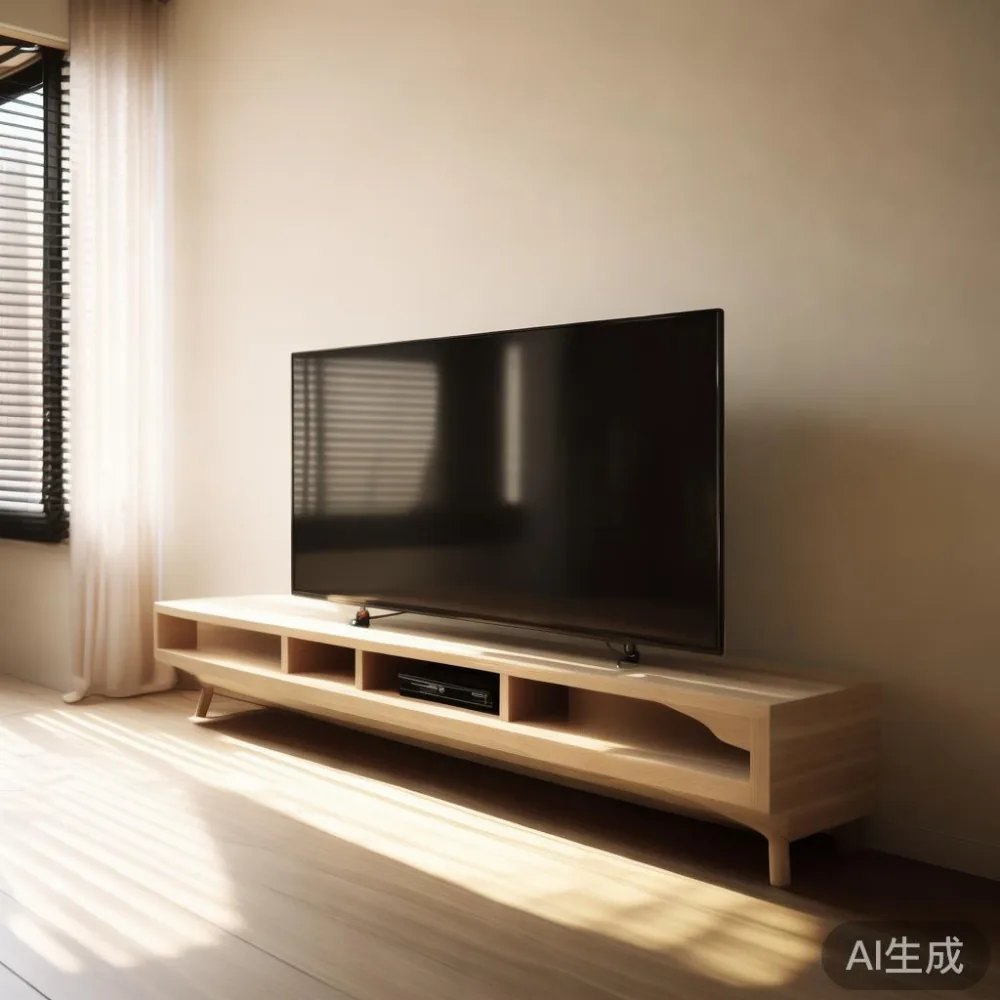
At MIDHILL, we design around real living conditions rather than showroom dimensions. This guide considers HDB lift access, narrow condo corridors, Singapore humidity, GST-inclusive pricing, and the need to move furniture through common areas without damaging walls or floors. The aim is not to fill every centimetre, but to create a balanced room where the television remains supported by the surrounding design.
What size should a TV cabinet be in a small apartment?
Choose the tv cabinet by the wall, the screen width, and the furniture you already own—not by the largest size the room might technically accommodate. For most 32-inch to 43-inch televisions, a cabinet measuring 140–180 cm wide is a sensible starting point. A 50-inch to 55-inch screen usually looks more settled on a cabinet between 180–220 cm wide. Leave at least 5–8 cm of breathing room on either side where the wall allows, or let the cabinet sit slightly wider than the screen if storage requires it.
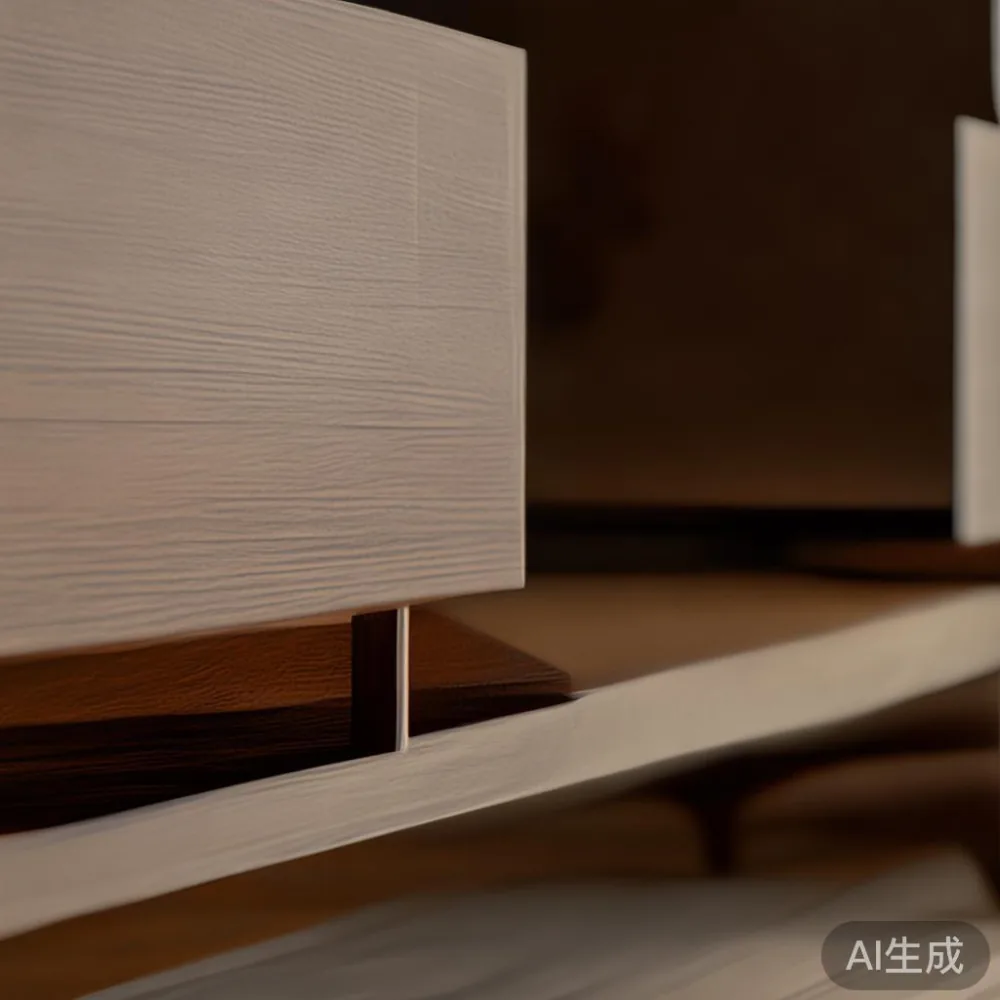
Depth needs close attention. Many entryway-facing living rooms in Singapore condos have only 85–100 cm between the television wall and the opposite sideboard or dining area. In that situation, a cabinet 35–42 cm deep is easier to use and walk past. A deeper 50 cm model is still practical in a wider room, but it creates a stronger visual block and reduces circulation space. For a genuinely compact HDB living room, shallow storage with 2 drawers and 1 open shelf is often more useful than 3 wide drawers.
The screen should be mounted with care. For cabinets 40–50 cm high, a centreline around 95–110 cm from the finished floor is usually comfortable for seated viewing. In a bedroom, where the tv cabinet may also function as a low console, keep the top below approximately 120 cm to preserve the sense of space. Avoid stacking bulky objects above it; a single 18–25 cm plant, framed print, or 22 cm table lamp is enough.
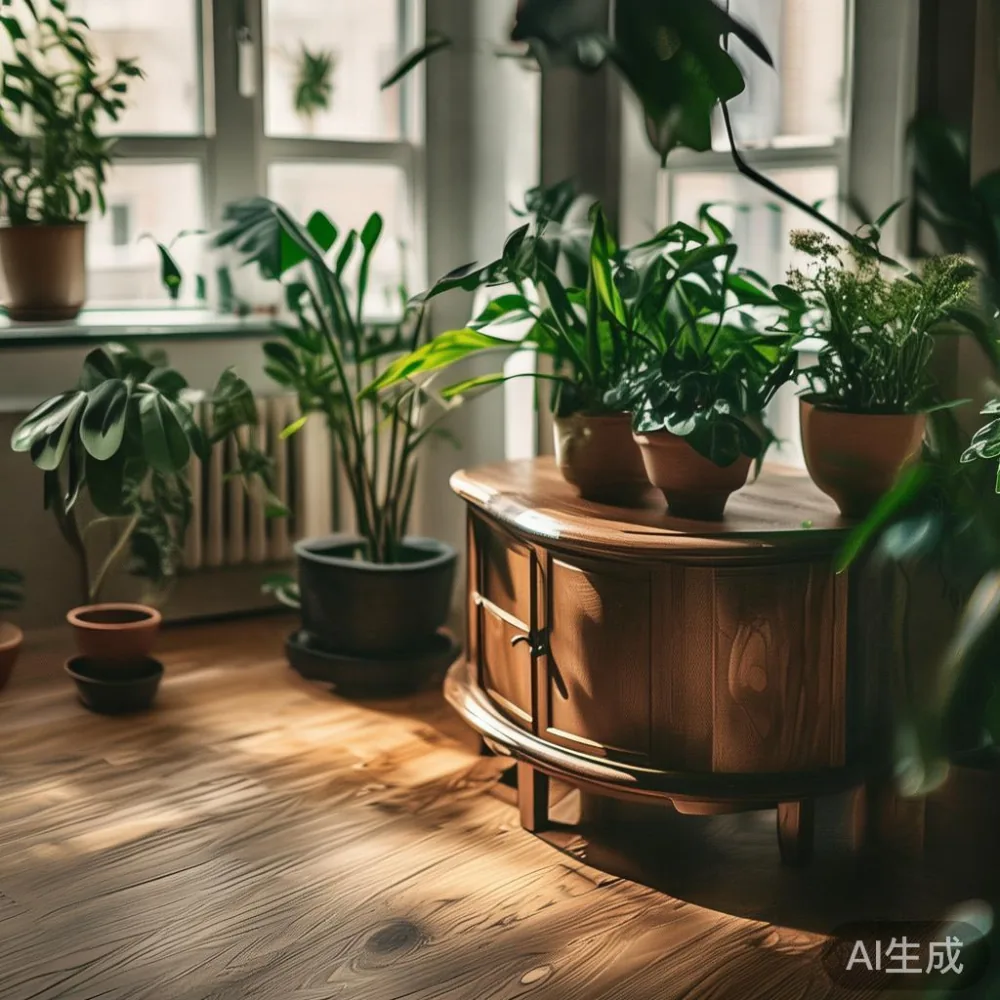
Do not place the cabinet directly against a full-height curtain wall. If curtains must remain open, allow 8–12 cm for the fabric and airflow. In humid conditions, maintain a few centimetres between solid wood furniture and walls where practical, and use a dehumidifier in persistently damp rooms. This simple habit helps protect the finish and keeps the installation neat.
How can I make a narrow living room feel wider?
Begin with a low, visually light tv cabinet. A design with slim legs, open shelving, or a recessed plinth reveals more floor than a full solid front. The cabinet should measure no more than 70–80% of the visible wall width when the room is especially narrow. That proportional restraint prevents the television from becoming an oversized dark rectangle.
Use one material family rather than many competing finishes. Pale oak, warm ash, whitewash, and light walnut can all work in a compact room when paired with matte black metal or restrained brass details. French light luxury often uses pale woods, elegant profiles, and reflective surfaces, while American light luxury tends toward clean-lined upholstery and warm neutral palettes. Post-modern light luxury allows more playful geometry, but the television wall still benefits from a quiet base.
For visual balance, repeat one colour elsewhere in the room. A beige sofa, oatmeal curtains, and a muted rug can connect with the cabinet without making the wall look busy. Keep the palette to 3 main colours and 2 metal finishes. If the sofa is cool grey, select a cabinet with soft oak or warm walnut rather than an extremely yellow or red-toned wood. If the room receives strong afternoon light, test samples at both noon and 7 pm before ordering.
Consider the coffee table next. A round or oval table preserves movement around a narrow seating zone, while a rectangular MIDHILL coffee table should leave 35–45 cm between its edge and the sofa. In a tight HDB layout, a 90–110 cm round table offers better circulation than a 120 cm square one. The tv cabinet and coffee table should share a similar colour temperature so they read as one composition, even if their shapes differ.
Will a solid wood TV cabinet work in an HDB flat or condo?
Yes, provided the route is checked before delivery. Standard HDB lift doors are often about 80–90 cm wide and 120–200 cm deep, depending on the block and model. The lift car may be around 110–140 cm wide and 135–210 cm deep. A corridor with turns narrows the effective turning radius, so the cabinet’s longest dimension matters more than its stated width.
Measure the packaged item, not only the assembled cabinet. Many solid wood pieces lose little space in packaging, but doors, drawers, and adjustable shelves are easier to transport separately. Check the lift entrance, lift car, landing, corridor, unit door, and internal turning points. Allow another 10–15 cm for door handles, trolleys, and the installer’s working space. Protective blankets and corner guards reduce marks along corridor walls.
Material is also a meaningful choice. Solid wood generally feels more substantial than particleboard or hollow MDF, particularly for a frequently touched television console. Look for stable joinery, smooth drawer runners, rear cable openings, and a finish designed for humid interiors. A 10-year structural warranty gives confidence in the frame and construction, while lifetime refinishing can restore the surface when colours or styles change over the years.
Singapore buyers should compare the displayed price with the GST-inclusive total. For example, a cabinet listed at SGD 980 becomes SGD 1,077 after 9% GST. MIDHILL offers free shipping above US$350, which is calculated in US dollars, while local prices are shown in SGD. Allow approximately 7–14 delivery days after order confirmation, with extra time for remote locations or scheduled installation. The 14-day return period is useful if the route or finish does not suit the apartment, subject to the stated return conditions.
How do I organise cables and accessories without cluttering the TV cabinet?
Treat cable management as part of the furniture design. Route television and power cables through a rear cut-out or removable cable channel, then place them inside the cabinet rather than across the wall. A compact cable box can hold a router, game console, and streaming device, but it should retain ventilation space of at least 5 cm around equipment that generates heat.
Use closed drawers for irregular objects: game controllers, chargers, remote controls, and cables. Reserve the open centre shelf for 2–3 intentional displays, such as a 20 cm ceramic vase, 2 stacked books, and a small framed photograph. Avoid lining the shelf with numerous ornaments; that is the point at which a compact room starts to feel crowded.
For a more decorative approach, use the top surface sparingly. A table lamp around 35–45 cm high provides warmth without competing with the television image. A plant should have a pot no larger than 20–24 cm across and a total height under 40 cm if placed beside the screen. Where ventilation outlets or acoustic panels are present, avoid blocking them.
Closed storage also helps in Singapore’s dust-prone interiors. Wipe the cabinet with a lightly damp cloth and dry it immediately. Avoid standing water on the top, particularly near plants and humid balcony doors. A solid wood tv cabinet with a well-finished top will be easier to maintain than fabric-covered or heavily textured surfaces.
Can I combine a TV cabinet with other furniture in a compact room?
You can, but keep the television zone visually distinct. A low cabinet paired with a slim armchair can work in a 2.8–3.2 m wide living room. A 90 cm sofa should have at least 35–40 cm of clear space on each side, so an additional seat may be better placed opposite or on an adjacent wall. If the tv cabinet sits beside a wardrobe, use matching wood tones but different depths to create contrast.
Those researching how to style Japandi wardrobe in room layouts can borrow the same principle: reduce visible edges, repeat natural materials, and keep accessories limited. For a bedroom where a wall must serve storage and entertainment, a 160–200 cm tv cabinet can replace a conventional chest of drawers. A nearby nightstand measuring 35–50 cm wide is enough for a lamp, phone, and glass, while a slim upholstered stool can provide occasional seating without taking up the space of a permanent chair.
For a living-dining area, keep the dining table separate enough for chairs to be pulled back. A compact 110–120 cm round dining table suits many 3-room HDB flats, while a 140–150 cm rectangular dining table can work in an open condo plan. A marble table may be useful as a small side table, but its reflective surface should not sit directly beside the television if glare is an issue. The composition benefits more from proportion than from adding another full-size furniture group.
If the room also includes a solid wood sofa, let the seating lead the style and keep the cabinet quieter. When comparing European light luxury sofa vs Mid-century modern sofa options, note the visual bulk: tapered legs and a lower frame preserve more floor space, while a deep seat and thick arms can make the same footprint feel heavier. A bed frame and solid wood sofa may share warm timber notes, provided the cabinet remains light in tone and the wall above stays mostly empty.
What French or mid-century details can work without making the room ornate?
Use details that create atmosphere rather than decoration. A French light luxury cabinet might have fluted doors, slim brass pulls, and a pale finish. Keep the fluting to one panel, use 3 matching pulls rather than mixed handles, and leave at least half the cabinet front plain. This gives the television wall a gentle rhythm without turning it into a formal sitting room.
Mid-century styling can be achieved with a walnut-toned cabinet, tapered legs, and rounded corners. Those searching wholesale Mid-century modern furniture often focus on statement pieces, but a small apartment needs restraint. One low cabinet can carry the mid-century character while soft textiles soften the harder geometry. A French provincial bed in apartment layouts can similarly work when its visual weight is balanced by pale walls and simple bedding, although it should not be the dominant pattern in the same room.
For the broader scheme, designer European light luxury furniture works best through material quality and exact spacing rather than excess ornament. Slim frames, 2–3 cm reveals between cabinet modules, and a consistent 12–15 cm gap between the cabinet top and framed art can create order. Avoid placing every object on a vertical centreline. Instead, use a loose triangle: the television is the visual centre, while a lamp and plant create secondary points.
Check the viewing experience before finalising the height. Sit on the actual sofa and look at the centre of the screen. If your eyes naturally fall below it, raise the television rather than the whole cabinet. If the top edge cuts across windows or a heavy wall colour, the installation may look visually crowded even when the dimensions are technically correct.
What should I check before ordering a TV cabinet for a Singapore home?
Check the cabinet dimensions, screen size, room circulation, delivery route, and total price. A useful order sheet includes the cabinet width, depth, height, drawer extension, rear cable opening, finish sample, delivery address, lift dimensions, and preferred delivery window. For a compact apartment, a 160 cm wide, 40 cm deep, 45 cm high solid wood tv cabinet with 2 drawers and 1 open section may suit a 32-inch to 43-inch television. Larger screens and wider rooms can support a 200 cm cabinet with 3 sections.
Confirm whether wall mounting is included. If it is not, arrange installation separately and verify that the mounting bracket suits the screen’s weight and the wall construction. Use the cabinet as a visual and cable-management base even if the television is wall-mounted; avoid removing it completely, because a low horizontal element helps balance the room.
For finishes, request a close-up image under natural light and review the wood grain direction. Solid wood surfaces may vary slightly in colour and pattern, so visual consistency matters more than chasing an artificially uniform appearance. Also confirm the assembly method, care instructions, warranty coverage, and return terms before payment.
Delivery access deserves the same attention as style. Corridor width should be at least 5 cm greater than the widest fixed dimension, and sharp turns should be checked with the full packaged length. If the furniture cannot fit through the lift, it may need to be brought up the stairs, an added service that should be agreed in advance.
Which TV cabinet style suits a small HDB flat or condo?
The most suitable tv cabinet is usually low, shallow, and proportionate to the screen, with enough closed storage to keep accessories out of sight. A 160–180 cm solid wood model at 38–42 cm deep works for many Singapore living rooms, especially when the opposite wall sits less than 3 m away. A wall-mounted screen above a restrained cabinet keeps the floor visible and allows a slim 90–110 cm round coffee table to circulate comfortably.
Style is less important than visual weight. Pale oak suits cool-grey and white interiors; warm walnut suits beige, cream, and earthy schemes. Fluted or panelled doors can provide French light luxury character, while tapered legs and rounded corners bring mid-century influence. Post-modern light luxury can appear through asymmetric sections, softened edges, or a limited mix of materials, but no more than 2 finishes should share the television wall.
Last month I visited a colleague in Punggol and measured her compact television zone before a cabinet swap. The old unit was 220 cm wide and 52 cm deep, leaving only 68 cm of clear passage. We replaced it with a 180 cm solid wood tv cabinet measuring 40 cm deep. The passage increased to 86 cm, the television remained correctly proportioned, and one basket now contains the cables and game accessories that previously covered the top. The room felt calmer because there was less furniture and more usable floor—not because the new cabinet disappeared.
For a tailored specification, MIDHILL can help match a cabinet to the screen, room dimensions, timber finish, and delivery route. The practical result is a television wall that supports the rest of the apartment: defined enough to feel intentional, light enough to leave space for daily life, and durable enough to remain relevant as the home changes.