Humidity and Solid Wood TV Cabinets in Singapore
Singapore’s warm, humid climate can make solid wood furniture more dimensional, heavier, and more prone to small movements than furniture kept in a dry indoor environment. That does not mean a well-made solid wood tv cabinet will fail. It means the wood, finish, delivery process, ventilation, and placement all deserve attention, especially in HDB flats and condos in Tampines, Bedok, and Punggol.
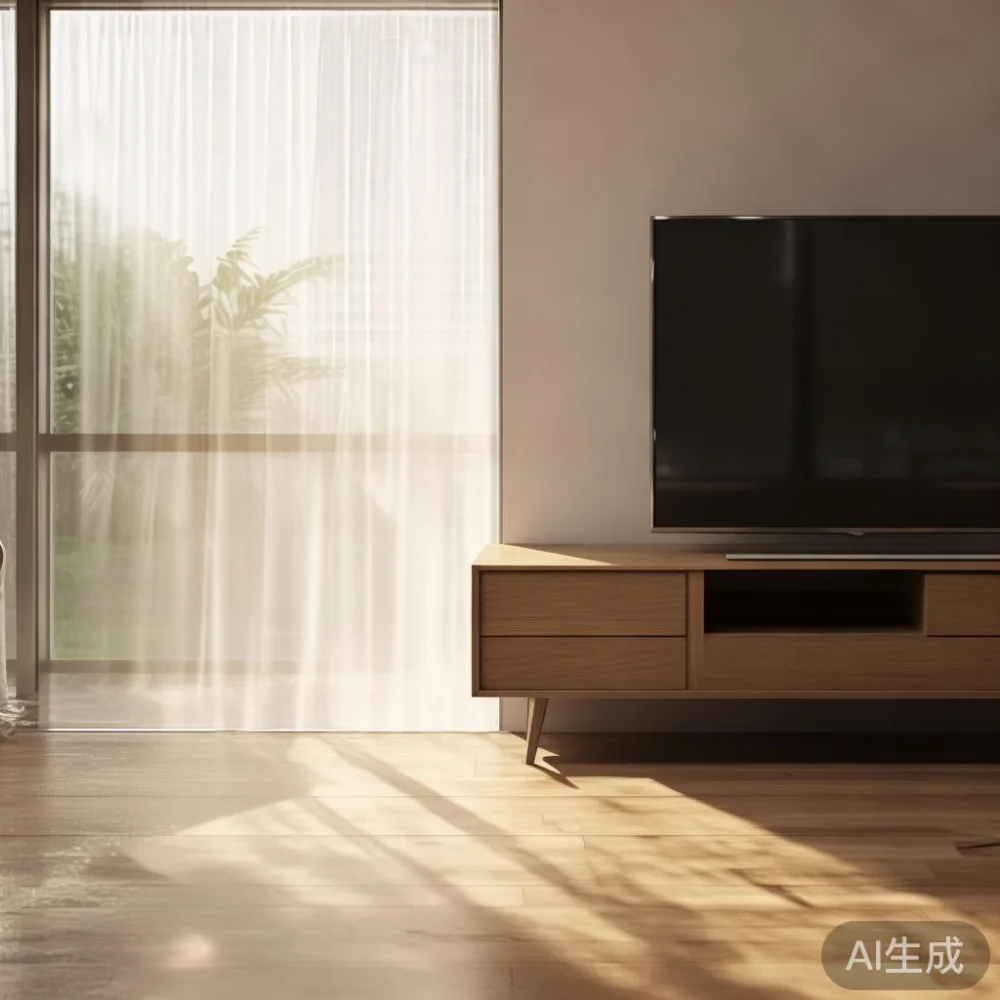
At MIDHILL, our approach is practical: make solid wood furniture with a 10-year structural warranty, provide lifetime refinishing, and help customers select pieces that suit Singaporean homes rather than treating humidity as an afterthought. The examples below use a typical 180 cm tv cabinet, a 65-inch television, and living-room conditions measured with a simple hygrometer.
How much humidity should a Singapore living room have?
For wood furniture, a relative humidity range of roughly 45% to 60% is a useful everyday target. Below 40%, solid wood can lose moisture and shrink; above 65%, it can absorb moisture and expand. In many air-conditioned Singapore apartments, the measured humidity near a balcony or external wall may be 70% while the centre of the room reads 58%. That 12-point difference can matter because the side of a cabinet exposed to the wall reacts differently from the ventilated front.
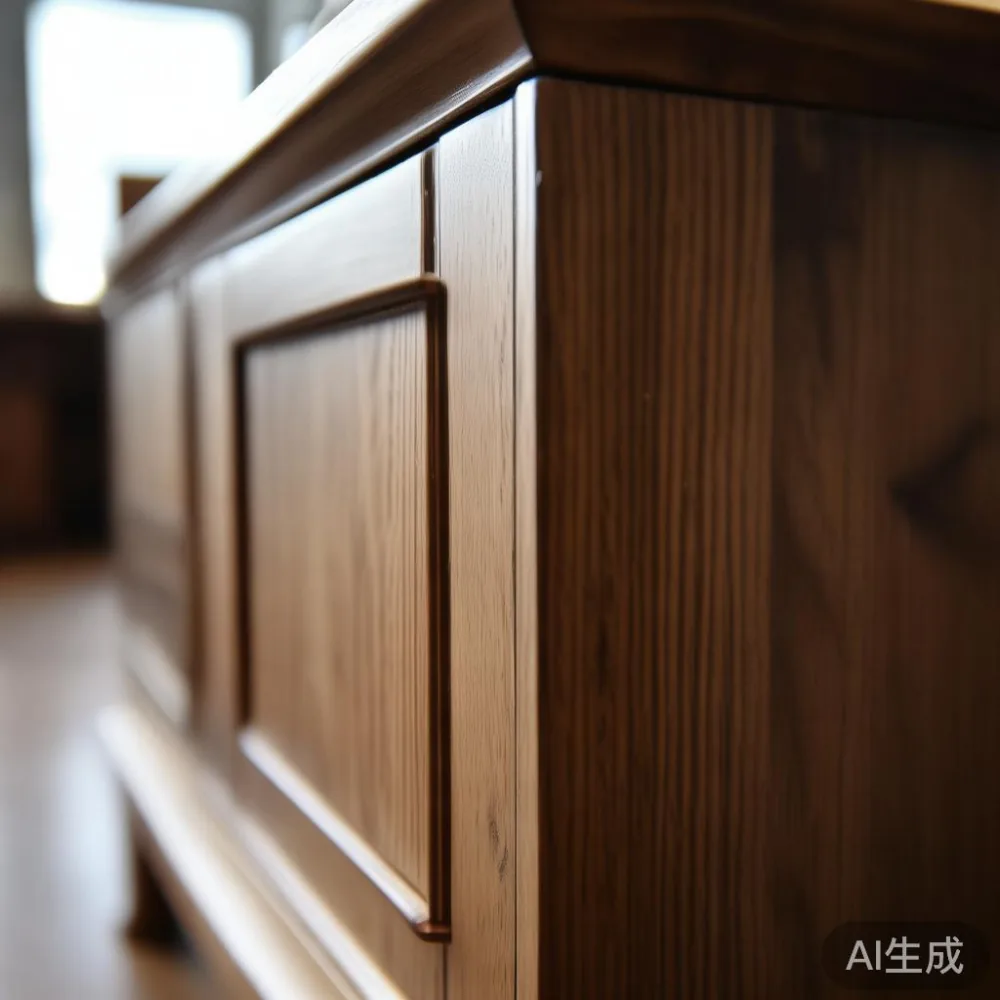
The seasons influence conditions too. The Inter-Monsoon period in November and December often brings longer periods of dampness, while the southwest monsoon from June to September can feel humid with less frequent rain. Air conditioning removes moisture from the air, but direct air from a vent can dry one surface quickly. A cabinet placed against a return-air grille may therefore experience repeated expansion and contraction over a year.
Use an inexpensive digital hygrometer, usually costing about SGD 12 to SGD 30, and check the cabinet area at approximately 8:00 a.m. and 8:00 p.m. for 7 days. Place the sensor 30 cm above the floor and 15 cm from the nearest wall. Record at least 28 readings. This gives a practical baseline without pretending that one number represents every hour of Singapore’s climate.
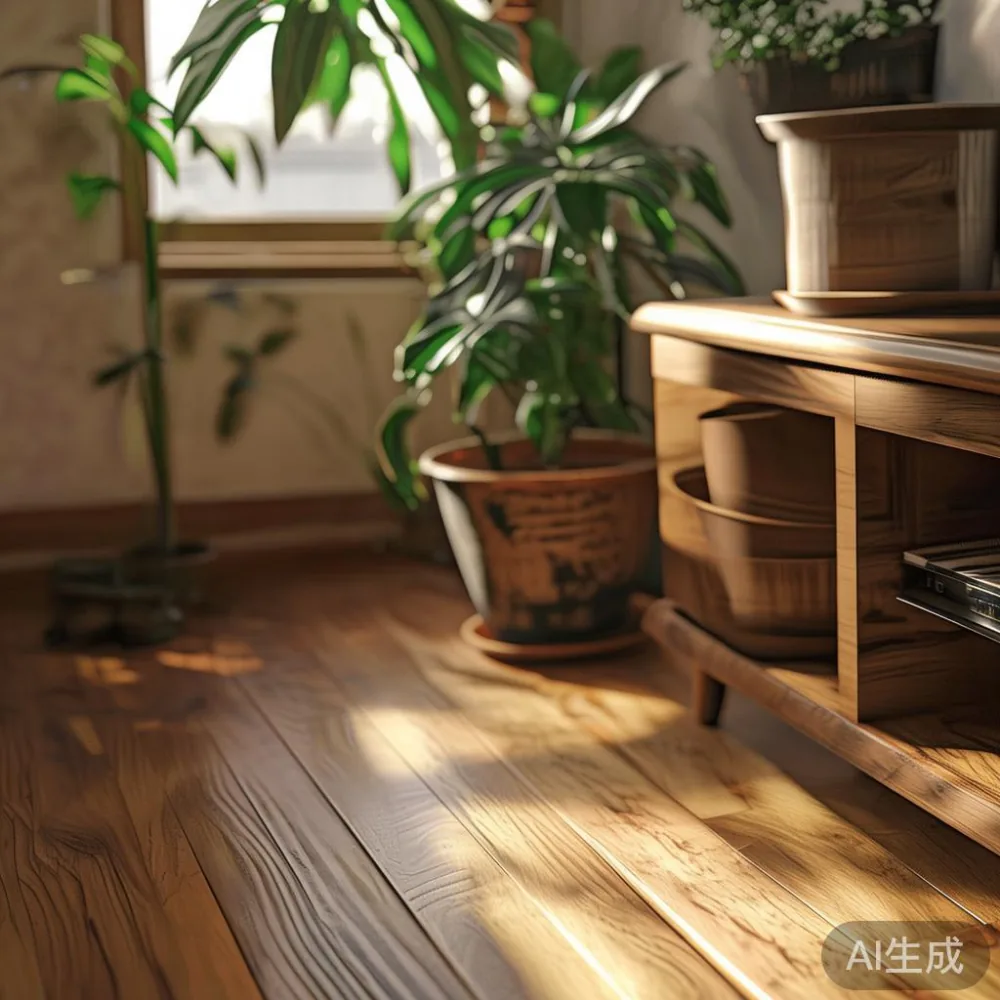
Concrete targets help. Keep relative humidity between 45% and 60% where possible, maintain 4 to 8 cm of clearance behind a freestanding tv cabinet where the layout allows, and avoid direct contact with wet walls, windows, or air-conditioning outlets. For a 180 cm cabinet, a 60 cm-wide wall gap is unnecessary, but 5 cm of ventilation behind the carcass can reduce trapped moisture.
What does humidity do to solid wood?
Solid wood reacts to atmospheric moisture because timber is hygroscopic. Oak, ash, teak, rubberwood, and other species used in furniture each have different movement rates, but the principle is consistent. A cabinet in a humid room may widen by several millimetres; a dry room may allow it to contract slightly. The movement is usually modest and reversible, yet it can affect flush doors, drawer runners, shelves, and a hinged tv cabinet door.
Consider a 150 cm solid wood tv cabinet made from 18 mm panels. If the panels expand by 0.3% along their length, the total movement is about 4.5 mm. That is enough to make a tightly aligned door appear to catch. A cabinet with a solid wood frame, stable joinery, and doors designed to move within deliberate clearances will accommodate this better than a flat-pack unit with particleboard panels and very tight tolerances.
Humidity can also affect finishes. Water-based polyurethane and matte lacquer generally tolerate a stable environment well, but repeated damp-and-dry cycles can create microscopic surface stress. A satin finish with a moderate sheen is often easier to maintain in a Singapore living room than a deep matte finish, because fingerprints and cleaning marks are less visible. Avoid wiping a finished cabinet with a dripping cloth. Use a lightly damp microfibre cloth, followed by a dry cloth, and keep liquid away from seams.
For customers comparing styles, a French light luxury approach with pale oak or ash can make a room feel larger. Post-modern light luxury may use warmer walnut tones and restrained geometry. American light luxury often combines clean proportions with tactile upholstery and practical storage. Whatever the styling direction, solid wood construction should be judged by movement allowance, joinery, and finish quality rather than appearance alone.
Can a solid wood TV cabinet survive Singapore humidity?
Yes, provided the cabinet is made for real indoor conditions and installed sensibly. The key factors are the quality of the timber, how panels are joined, whether the back is ventilated, and whether the customer controls the room’s humidity reasonably well. A solid wood tv cabinet that is stable at 60% relative humidity will not suddenly collapse at 75%; however, prolonged damp conditions can encourage edge swelling, fungal activity in damp crevices, and corrosion of unrelated metal fittings.
Look for a cabinet with a solid timber frame, sound drawer and door hardware, and a back panel fixed securely but not trapping every pocket of air. For a model with a 160 cm width, 40 cm depth, and 48 cm height, the top should be able to carry a television and small objects without flexing. Check that the product dimensions include the television clearance rather than relying on an attractive photograph.
MIDHILL applies a 10-year structural warranty, which is more useful than a vague promise that wood will never change. Solid wood naturally ages, and good furniture should be allowed to do so without weakening. Ask the supplier how moisture movement is handled, how the cabinet should be cleaned, and whether refinishing is available. Lifetime refinishing is a valuable option for a piece expected to remain in the home for 10, 15, or 20 years.
A practical rule is to treat the cabinet as part of the room’s environmental system. If a corner stays above 65% humidity for months, move the cabinet if possible or improve airflow. If the home is regularly below 40%, consider a humidifier rather than repeatedly wiping the wood with wet cloths. Over-humidifying a room can create a different set of problems, including condensation near windows.
Where should I place a TV cabinet in a HDB flat or condo?
Placement matters more than many shoppers expect. In a Tampines HDB flat, a living-room wall facing a west-facing window may receive afternoon heat and bright sun. In Bedok, a cabinet near a laundry balcony can encounter humidity carried in from the corridor. In a Punggol condo, a unit near the pool deck may have more visible moisture in the air during wet weather. These are examples rather than assumptions about every home; measure the actual location.
Give the cabinet 5 to 10 cm of space from a wall when practical, keep it 30 cm or more from a window, and do not place it directly beneath an air-conditioning vent. A wall-mounted television may be more suitable for a narrow room, but the wall fixing must be suitable for the load and the cabinet should still be positioned to preserve airflow. A 65-inch television is often paired with a 160 to 180 cm cabinet, while a 55-inch television can work with a 120 to 150 cm unit. The television should not overhang the cabinet in a way that makes cleaning difficult.
Singapore’s HDB and condo corridors and lifts add another dimension. A cabinet wider than 80 cm may fit through a standard lift door diagonally, but the packaged dimensions, corners, and turning space determine whether delivery is comfortable. A 180 cm solid wood tv cabinet should be measured before dispatch: package width 190 cm, package depth 55 cm, package height 62 cm, and package weight 52 kg are representative figures for a comparable design. Always ask for the packed dimensions, because the assembled width alone does not reveal whether it can pass through a lift or corridor.
For a 2-room or 3-room flat, a 120 cm cabinet may be more manageable than a 200 cm model. A compact 100 cm unit can still support a 43 to 50-inch television. For example, a 140 cm cabinet weighing 38 kg is easier for two people to guide than a 190 cm cabinet weighing 58 kg. Professional delivery should include the lift booking, corridor measurement, and protection of the cabinet during movement.
How should I clean and maintain a wooden TV cabinet?
Begin with the least aggressive method. Dust with a dry microfibre cloth, then wipe with a cloth that has been wrung out so it leaves no visible water on the surface. Clean the frame and shelves separately, and do not flood the joints. A neutral pH-neutral wood cleaner is usually sufficient; apply it to the cloth rather than directly to the cabinet. Use 5 to 10 ml for an ordinary wipe, and test an inconspicuous area first.
For a 45 cm-wide solid wood side table or a solid wood sofa’s timber legs, the same restraint applies. Keep coasters under drinks and avoid heat-generating appliances, such as a router or game console, directly above the cabinet. A 10 cm air gap is sensible where heat accumulates. Do not place a hot mug on a finished surface; the local water temperature can be around 60°C, enough to damage some wax or lacquer finishes.
Check hinges and drawer runners every 6 months. A 90 cm cabinet with two hinged doors may need a 2 mm screwdriver to tighten a loose screw. If a door begins to bind, first inspect the room humidity and whether the cabinet is level. Then adjust the hinge rather than forcing the door. Use a carpenter’s square to check the frame, and place a small shim under one foot if the floor is uneven. Do not use oil on a surface finish unless the manufacturer confirms it is compatible.
For a product such as a solid wood dining table, protect it with a stable placement and dry cleaning. A marble table requires a different approach because marble is less tolerant of acidic spills; wipe those away promptly. A bed frame should be checked for movement where it meets the wall, and a nightstand should have enough separation from a bedside air-conditioning unit. These small routines matter because the same humidity management principles apply across a coordinated bedroom or dining setting.
What should I look for when buying solid wood furniture in Singapore?
Ask for dimensions in centimetres, weight in kilograms, delivery timing in working days, and a clear description of the wood species. A supplier should distinguish solid wood panels from veneer, engineered board, or plastic. For a tv cabinet, request photographs of the underside, the back panel, the drawer construction, and the inside corners. If the answer is only that the piece is “wooden”, the information is incomplete.
Check the warranty and returns terms. MIDHILL provides a 10-year structural warranty, lifetime refinishing, 14-day returns, and free shipping for orders over US$350, with prices shown in SGD at checkout or on request. Delivery estimates should be treated as working days rather than vague promises. A typical Singapore delivery may take 3 to 7 working days after the cabinet is ready; an additional 2 to 5 days may be needed for certain addresses or scheduled access. GST may be shown separately or included according to the displayed price, so verify the final SGD total before paying.
Customers researching light luxury bed vs Mid-century modern bed should compare the actual timber, joinery, and clearance rather than relying on style labels. The phrase light luxury bed vs Italian light luxury bed is similarly useful only when the construction details are clear. For a broader style search, Vintage for small living room may describe a mood, but a compact cabinet must still fit the room and the lift. Searching for for sale Japanese furniture can lead to useful references, although imported pieces may have longer lead times than locally stocked models.
If you are planning a coordinated home, include the cabinet in the layout from the beginning. A solid wood sofa, bed frame, dining table, wardrobe, nightstand, and marble table can share a visual language while requiring different moisture precautions. In a bedroom, leave at least 4 cm between a wardrobe and the wall where possible. In the dining area, place a solid wood dining table away from a damp service balcony. For a solid wood bed frame, avoid pushing the headboard tightly against a cold exterior wall.
How can I compare a light-luxury TV cabinet with other styles?
Style should support the room’s climate and use. French light luxury often uses pale timber, gentle curves, and a calm visual rhythm. It can work in a compact Tampines flat because light colours reduce the apparent mass of a large object. Post-modern light luxury may use stronger shapes and contrast; an open-front or raised-leg cabinet can improve visual airflow. American light luxury tends to balance generous proportions with practical details, which is helpful for a family room with storage requirements.
The MIDHILL sofa is a useful example of why scale and finish must be considered together: a large sofa in a small living room can make a well-placed cabinet look crowded, while a smaller footprint leaves room for circulation. The same principle applies to a 180 cm cabinet in a room with a 320 cm wall. Decide whether the cabinet is a focal point or a supporting element, then select a width and depth that preserve a clear walking route.
For bedroom references, a search for how to style American bed in bedroom may lead to broad design ideas, but humidity still determines whether the furniture remains stable. A light oak or ash bed frame may show movement more visibly than a darker timber; teak is often less demanding, though its finish and movement still matter. Inspect all pieces in one room under the same lighting, and check the actual delivered dimensions before ordering.
For a 150 cm cabinet, the key practical checks are simple: the television fits with adequate clearance, the cabinet stands level, the wall gap is about 5 cm, the doors have working clearance, and the room humidity can be kept between 45% and 60%. These checks are more reliable than a style label, a photograph, or a promise that a piece will remain untouched in a tropical climate.
Can humidity damage a TV cabinet during delivery?
Delivery exposure is usually temporary, but it should be managed. A cabinet wrapped for a Singapore shipment should be protected from rain, condensation, and impact. When it arrives, allow the package to acclimatise before removing all protective material. For a 50 kg cabinet transported in a non-air-conditioned van, leave it in the sealed package for 12 to 24 hours if there is visible condensation. Do not install it immediately against a cold or damp wall.
Confirm the delivery route and measurements before dispatch. Standard lift doors in many Singapore buildings are around 90 cm wide and 210 cm high, though internal dimensions vary. Corridors can narrow at corners, and a 180 cm cabinet may require angled turning. A delivery team should measure the route, document any difficult access, and avoid dragging the package across a marble floor. If the lift booking is delayed by 1 to 3 days, the furniture should remain protected rather than being left outside.
MIDHILL’s export experience to more than 15 countries is relevant because packaging standards matter across routes. Protection should address corners, joints, and surfaces, not simply wrap the cabinet in paper. The product should arrive with a check of visible damage, correct accessory count, and clear instructions for assembly. A 180 cm cabinet may require 4 to 6 screws and take an experienced installer about 45 minutes; a smaller 100 cm model may take 20 to 30 minutes.
After installation, use the hygrometer again. If the area remains above 65% for several weeks, improve ventilation or adjust the placement. If it falls below 40% repeatedly, a modest humidifier may help. The cabinet should be protected from standing moisture, but it should not be sealed into an unventilated corner.
What is the practical humidity-control plan for a Singapore home?
Use a four-step routine. Measure first with a digital hygrometer costing SGD 12 to SGD 30. Position second, keeping 5 to 10 cm from the wall where possible and 30 cm from windows or strong airflow outlets. Clean third with a lightly damp cloth, and inspect fourth every 6 months for loose hinges, uneven doors, or drawer movement.
Keep a target of 45% to 60% relative humidity, aim for less than 65% near cabinetry, and avoid abrupt swings greater than about 10 percentage points over 24 hours. If condensation appears on a nearby window, address ventilation and air conditioning before blaming the furniture. For a new cabinet, allow 7 to 14 days for the room and the wood to settle after delivery.
These figures are practical guidelines, not a substitute for checking the actual home. A north-facing Tampines room, a Bedok unit beside a balcony, and a Punggol condo with strong air circulation can all behave differently. The furniture should be chosen with the building’s conditions in mind, then maintained with sensible habits. A well-built solid wood tv cabinet, properly placed and cared for, can remain a stable and attractive part of a Singapore living room for many years.