A Guide to Caring for Lacquered Furniture in Singapore
Living in Singapore, with its year-round high humidity and intense sunlight, presents a unique set of challenges for maintaining the pristine appearance of fine furniture. For those who appreciate the sleek, reflective finish of a lacquered tv cabinet, the local climate can feel like a constant test of its durability. The combination of moisture and UV rays can lead to cloudiness, yellowing, or even cracking if not properly managed. This guide provides a comprehensive look at how to protect your investment, offering practical advice tailored to the specific conditions of Singaporean homes, from the narrow corridors of HDB flats in Tampines to the spacious living rooms of condos in Punggol.
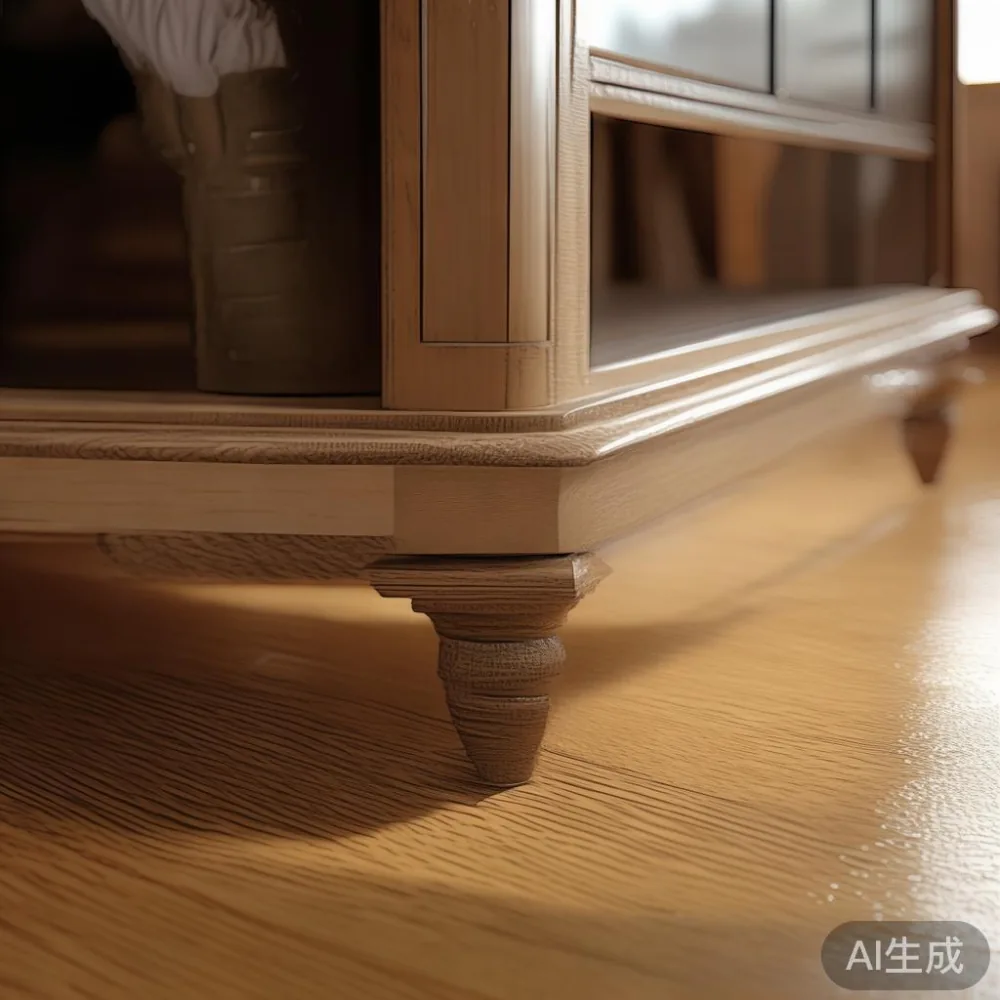
Understanding the Nature of Lacquer and Its Vulnerabilities
Lacquer is a finish that creates a deep, high-gloss surface by building up multiple thin layers of a clear, hard resin. This process results in a finish that is both beautiful and relatively durable, but it is not invincible. The primary enemies of lacquer in a tropical climate are moisture and ultraviolet (UV) light. Humidity can seep into the wood beneath the lacquer, causing the material to swell and contract. This movement can stress the finish, leading to cracks or a loss of adhesion. Simultaneously, UV radiation from Singapore's sun can break down the chemical bonds in the lacquer over time, causing it to fade, turn yellow, or become dull. Understanding these vulnerabilities is the first step toward effective preservation.
Is the Humidity in My Condo Really Damaging My Furniture?
This is a question many homeowners ask, and the answer is a nuanced yes. The ideal relative humidity for wood furniture is between 40% and 60%. In Singapore, the average often hovers between 70% and 90%. While modern air conditioning systems can lower the indoor humidity, they don't always create a perfectly stable environment. A sudden drop in humidity, such as when the aircon is turned off for the day, can cause the wood to shrink rapidly. This constant fluctuating expansion and contraction is what can eventually compromise the integrity of the lacquer finish. For instance, my colleague recently moved into a new condo in Bedok. He noticed fine, hairline cracks forming on the surface of his solid wood dining table within six months. He attributed it to the rapid temperature and humidity shifts between his air-conditioned living room and the non-air-conditioned bedrooms.
Placement and Environmental Control: Where Your TV Cabinet Lives Matters
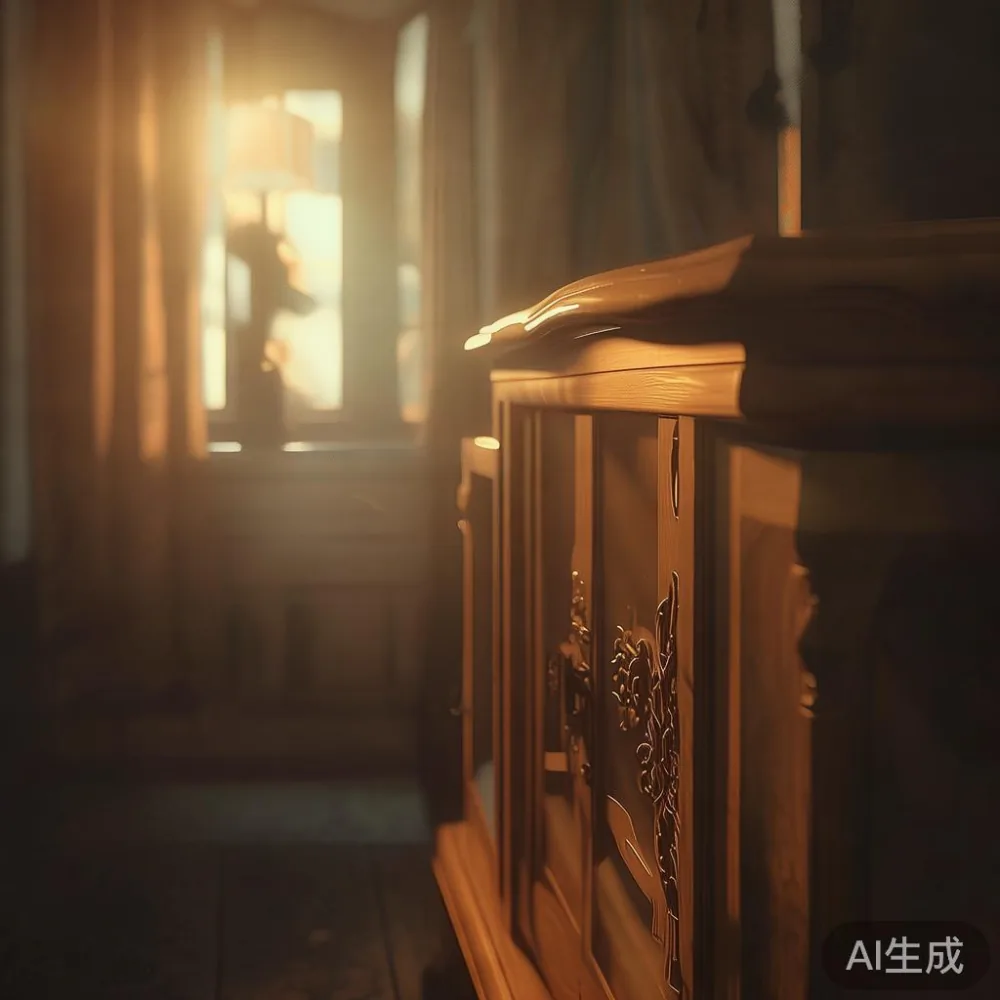
Strategic placement is one of the most effective ways to protect your lacquered tv cabinet. Avoid positioning it directly in front of a window that receives direct sunlight for several hours a day. The intense UV rays are a primary cause of yellowing and dullness. Similarly, keep it away from sources of direct heat, such as air conditioning vents, heaters, or even the heat generated by a large television. The constant blast of dry, conditioned air can sap moisture from the wood, leading to cracking.
Consider the environment of your specific home. In an HDB flat, where lift widths are often just 80 cm and corridor depths can be as little as 1.2 metres, moving furniture is a logistical challenge. This makes initial placement even more important, as you may not want to move a heavy 180 cm tv cabinet again. In a condo in Punggol with wider layouts, you have more flexibility, but the principles of avoiding direct sunlight and heat sources remain the same. Using a dehumidifier in particularly humid areas, like storerooms or bedrooms, can help maintain a more stable environment for your furniture, especially for items like a European light luxury bed or a wardrobe that might be in less climate-controlled parts of the house.
The Daily and Weekly Care Routine for a Flawless Finish
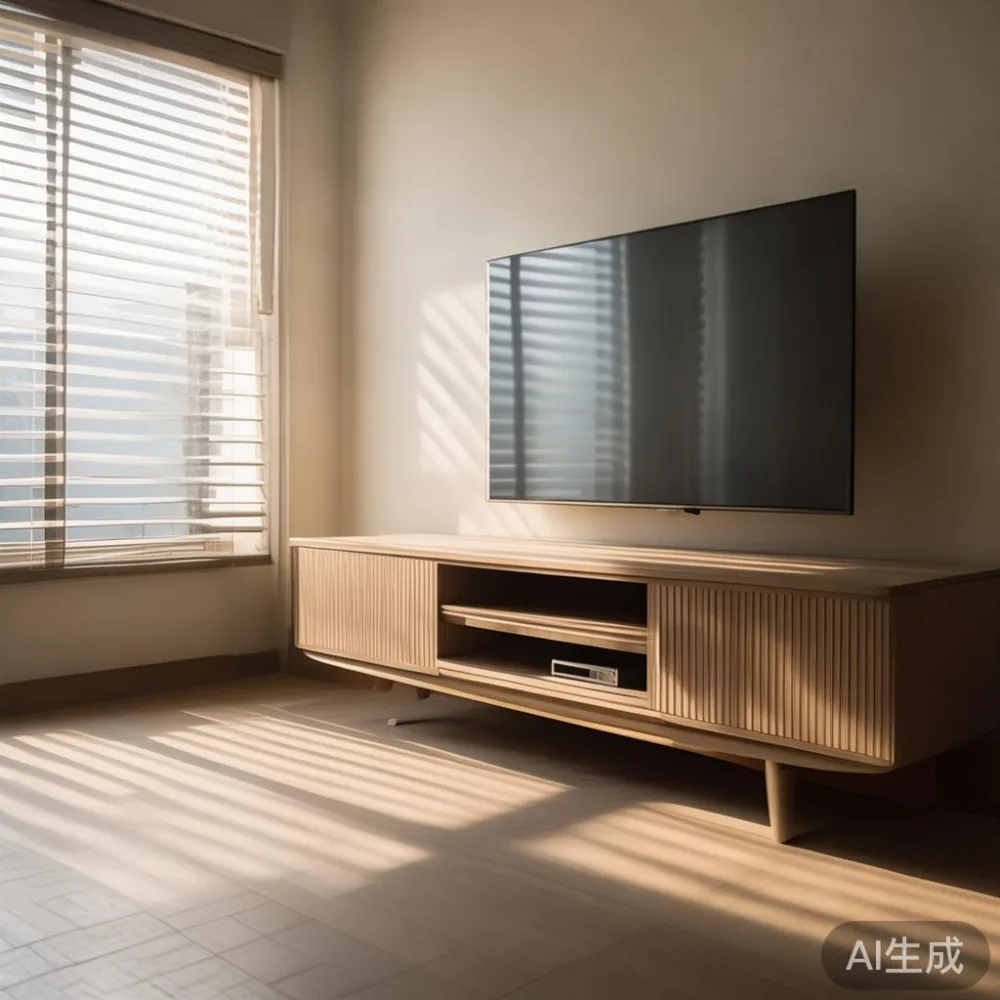
Maintenance is key to preserving the beauty of a lacquered surface. A simple, regular routine can prevent dust and grime from accumulating and causing micro-scratches that dull the finish. For daily dusting, use a soft, lint-free microfiber cloth. A feather duster is not recommended, as its quills can scratch the surface. Wipe the cloth gently over the tv cabinet in a single direction. Weekly, you should perform a more thorough cleaning. Mix a few drops of a mild, pH-neutral dish soap with a litre of warm water. Dampen a clean microfiber cloth in the solution, wring it out until it is almost dry, and then wipe the cabinet. Immediately follow with a second dry microfiber cloth to buff the surface and remove any moisture. Never use abrasive cleaners, harsh chemicals, or ammonia-based products, as they can strip the lacquer.
For polishing, use a high-quality furniture polish specifically designed for lacquered or high-gloss finishes. Apply a small amount to a soft cloth and buff the surface in a circular motion to restore its shine. Be cautious with spray polishes; some contain silicones that can build up over time and create a hazy film. It's also wise to use coasters under glasses and placemats under dishes to prevent water rings, which can leave permanent stains on the lacquer.
Dealing with Common Problems: Yellowing, Cloudiness, and Minor Scratches
Even with the best care, issues can arise. Yellowing is a common problem caused by exposure to UV light or the natural aging of certain lacquer types. If you notice yellowing, it may be possible to restore the original colour with a high-quality furniture polish or a specific lacquer restorer. For cloudiness, which often occurs when moisture gets trapped beneath the finish, you can try buffing the area with a soft cloth. Sometimes, the cloudiness will dissipate on its own as the moisture evaporates. For persistent cloudiness, a professional furniture refinisher may be needed. The good news is that with a 10-year structural warranty and a lifetime refinishing service from makers like those in Foshan furniture, you have a strong safety net against significant damage.
Minor scratches can sometimes be buffed out with a soft cloth and a bit of polish. Deeper scratches are more difficult to repair at home and should be assessed by a professional. It's always better to address these issues early before they can worsen. Remember, prevention is always better than repair. A well-maintained tv cabinet can last for decades, retaining its beauty and becoming a centrepiece of your home.
Long-Term Preservation and When to Seek Professional Help
For the long-term health of your furniture, consider applying a high-quality carnauba wax polish once or twice a year. This creates a protective barrier that helps shield the lacquer from minor environmental fluctuations. Apply a thin layer, let it dry to a haze, and then buff it off thoroughly with a soft cloth. This process adds a layer of protection without altering the glossy finish.
When should you call a professional? If you encounter deep scratches, significant cracking, peeling lacquer, or severe water damage, it's time to seek expert help. A professional furniture restorer has the tools and expertise to repair the finish without causing further damage. They can often strip and refinish the piece, restoring it to its original condition. This level of restoration is where a lifetime refinishing guarantee becomes invaluable, ensuring that a cherished piece like a solid wood sofa or a marble table can be brought back to life. For those searching for where to buy wardrobe from MIDHILL or other pieces, understanding the aftercare support is a key part of the purchase decision.
Choosing the Right Furniture for Your Singapore Home
While proper care is important, choosing furniture suited to your lifestyle and environment is equally important. For a Singaporean home, this means considering both aesthetics and practicality. The concept of light luxury, whether it's French provincial for office settings or the clean lines of post-modern light luxury, focuses on high-quality materials and sophisticated design without being overly ornate. This style aligns perfectly with the desire for durable, beautiful furniture.
When selecting a tv cabinet, look for one made from stable, high-quality solid wood. The construction should be sturdy, with dovetail joints for drawers and a smooth, even lacquer finish. Consider the size in relation to your space; a 200 cm wide cabinet might be too large for a 3.5 metre living room in an HDB flat, while a 160 cm model could be a perfect fit. The delivery process is also a factor. Many reputable sellers offer free shipping over SGD 800, which can significantly reduce the cost. For a tv cabinet that weighs over 50 kg, professional delivery and assembly services are worth the investment, ensuring the piece arrives safely and is set up correctly in your home.
Integrating Style and Function in a Tropical Setting
Your furniture should not only survive the climate but also complement your home's design. A lacquered tv cabinet, with its reflective surface, can help brighten a room, which is a desirable quality in Singapore's sometimes-overcast weather. It pairs well with other light luxury elements, such as a minimalist bed frame with clean lines or a dining table with marble tabletops that add a touch of cool elegance. The choice between a European sofa vs Nordic sofa, for example, comes down to personal preference, but both styles offer a sophisticated look that can improves a living space without feeling heavy or oppressive.
The key is to create a cohesive look that balances lightness and substance. For instance, a European light luxury sofa vs Italian light luxury sofa debate might centre on the level of ornamentation, but both can anchor a living room beautifully. When planning your furniture layout, consider the flow of the space and how each piece interacts with the environment. A well-planned wardrobe can provide ample storage without dominating a bedroom, while a nightstand made from the same material as your bed frame creates a unified, harmonious look. This thoughtful approach to furnishing ensures that your home is not only a comfortable sanctuary but also a reflection of your personal style.