Solid Wood Price Factors: What Makes the Difference?
Solid wood furniture is often discussed as if price depends on one dramatic material: whether the timber is real or reproduced. That matters, but it is only one part of the calculation. The species, grade, joinery, finish, hardware, dimensions, delivery terms, and warranty can move the final figure by hundreds of dollars. For households in Tampines, Bedok, Punggol, and Singapore’s condo towers, the design of the piece also has to respect narrow lift doors, compact corridors, and rooms measured in square metres rather than guesses.

This guide examines the factors that genuinely determine the price of a solid wood TV cabinet, while also explaining how the same principles apply to a solid wood sofa, bed frame, dining table, wardrobe, nightstand, or marble table. The aim is practical: readers should know what they are paying for and where a higher figure may be justified.
What actually drives the price of solid wood furniture?
The starting point is wood species. Solid wood is not one commodity priced in a single market. White oak, ash, beech, walnut, teak, acacia, and other timbers differ in availability, grain character, hardness, and working requirements. A 180 cm cabinet made from premium walnut may reach SGD 4,200, while a visually similar 180 cm unit in lower-grade oak may be sold for SGD 2,600. That difference is not a simple brand premium; it reflects the timber used and the way its natural variation was selected.
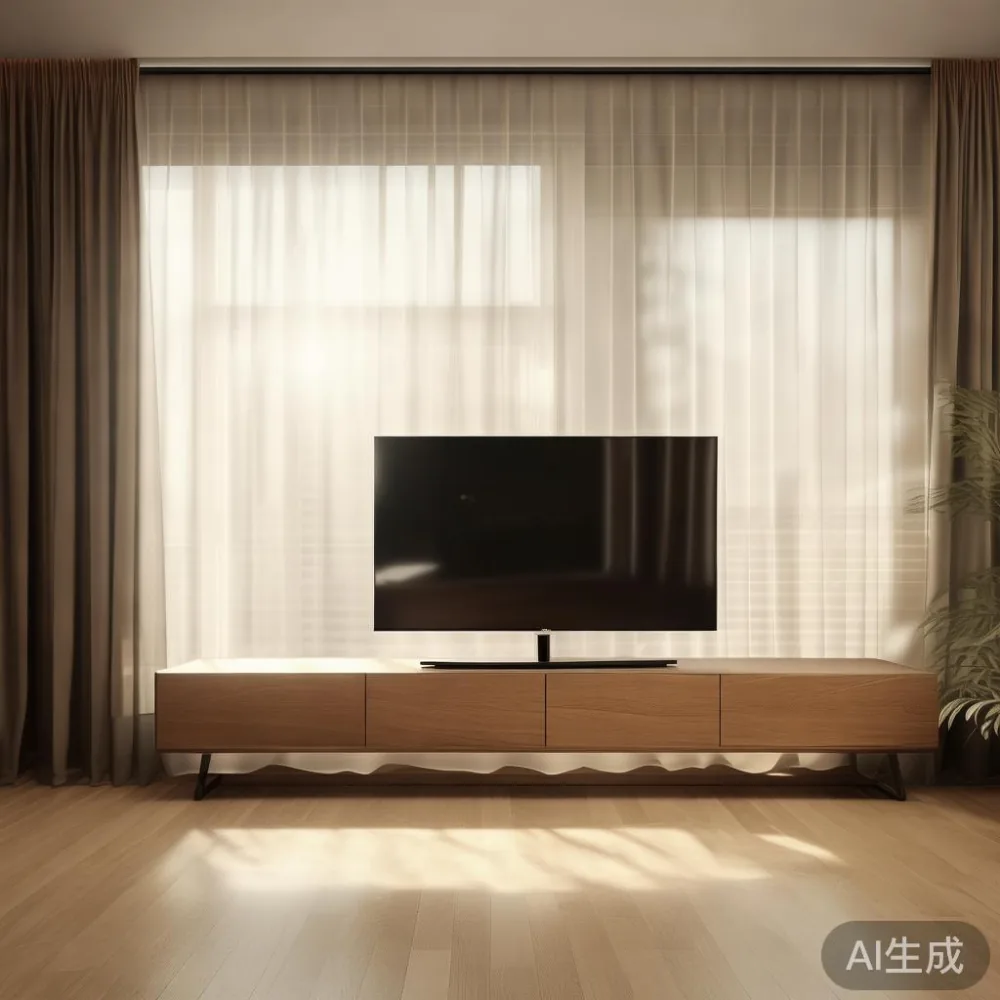
Grade follows species. Select-grade timber is chosen for clearer grain and fewer knots, while character-grade wood retains more natural marks. A customer searching for best French provincial furniture may prefer visible grain and gently varied edges, whereas a restrained post-modern light luxury TV cabinet may use carefully matched boards for a calmer face. Neither approach is automatically more expensive, but tighter selection and matching can increase production time.
Joinery is another price driver. Machine-cut dowels and particleboard fittings can reduce cost. Mortise-and-tenon joints, dovetail drawers, bridle joints, and reinforced rails demand more precision, stronger equipment, and more skilled assembly. A cabinet with two 45 cm drawers, solid-wood runners, and adjustable shelves should not be judged against a flat-pack carcass with a printed laminate surface. The latter may be fine for a spare room; the former is intended for daily use.
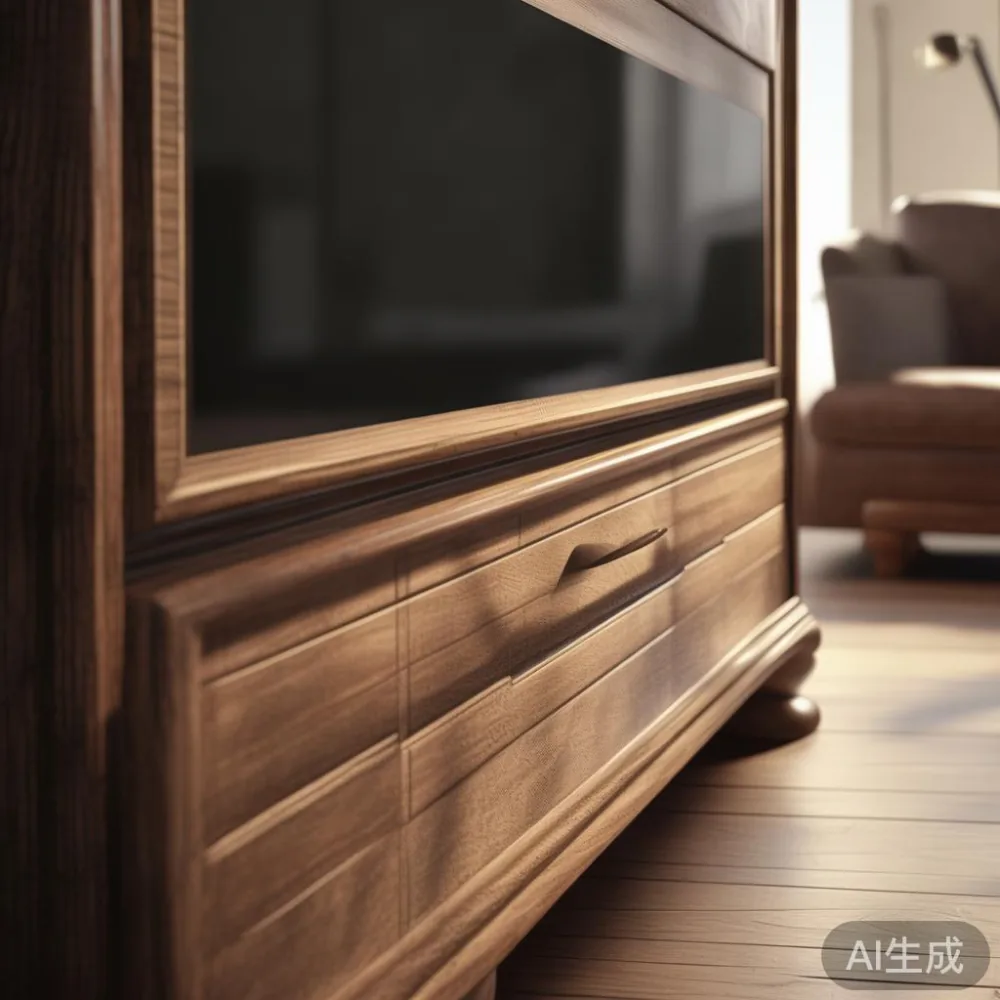
Last month I visited a furniture workshop and watched a cabinet side being fitted into a drawer. The drawer was not visually complicated, but its 38 cm sides required repeated fitting because the timber moved with humidity. That adjustment took nearly 25 minutes. It is labour that rarely appears on a product page, yet it has a clear relationship to the final price.
Why do solid wood TV cabinets cost more than veneer or laminate versions?
A true solid wood TV cabinet uses solid timber in structural and visible components. Veneered furniture uses a thin layer of attractive wood over engineered board or solid timber, while laminated furniture uses printed or bonded surfaces. The terms are sometimes blurred in online listings, so buyers should ask for a component breakdown.
For a 200 cm TV cabinet, the construction might include a 18 mm solid-wood carcass, 18 mm solid-wood drawer boxes, 20 mm solid-wood legs, and solid-wood back panels. A lower-cost alternative might use 18 mm MDF for hidden areas, veneer on the face, and plywood drawer boxes. Both can look similar under warm lighting. Over time, however, the ability to sand, repair, and refinish the cabinet differs.
Surface treatment affects the total as well. Water-based finishes may be gentler to some indoor environments and can often be repaired more easily, while oil, wax, lacquer, and conversion finishes create different levels of depth and maintenance. A matte European oil may add SGD 250 to SGD 450 over a basic factory finish. A high-gloss lacquer can add more because of preparation, spray time, and quality control.
The market for under 2000 European furniture includes many visually persuasive options, but “European” can describe styling rather than origin. Buyers should confirm the actual timber species, core materials, joints, drawer construction, and country of manufacture. A credible specification is worth more than an ambiguous “European-style” label.
How much should a quality solid wood TV cabinet cost in Singapore?
Useful price bands are more informative than one universal number. A compact 120 cm solid wood TV cabinet in standard oak, ash, or acacia may begin around SGD 1,200. A 160 to 180 cm cabinet with solid-wood drawers and adjustable shelves commonly falls around SGD 1,800 to SGD 3,200. Larger units from 200 to 240 cm, with thicker tops, refined joinery, and a more elaborate finish, may range from SGD 3,000 to SGD 5,800 or more.
Marble changes the equation. A marble table or a marble-topped TV cabinet introduces the cost, weight, and fragility of the stone. A 180 cm cabinet with a 20 mm marble top may add roughly SGD 600 to SGD 1,500, depending on whether the marble is natural or engineered. Natural slabs vary considerably because each piece has its own veining, thickness, and cutting yield. For a 160 kg cabinet, the logistics alone require planning.
Singapore buyers should include GST when comparing quotations. A displayed price of SGD 2,400 before GST becomes SGD 2,472 for an individual with a GST registration, subject to the applicable rules. Ask for the full invoice rather than assuming whether tax has been included.
Price also reflects scale. A 220 cm TV cabinet needs longer boards, more timber, wider support structures, and more careful weight distribution. In a condo living room, however, the largest possible cabinet may not be the most useful one. A 150 cm unit can suit a 90 to 120 inch television, while leaving circulation space of at least 75 cm between the sofa and cabinet. Dimensions should be decided from the wall, viewing distance, and cable route—not only from the television’s diagonal measurement.
Which timber species should I choose for a TV cabinet?
Oak is frequently selected for its pronounced grain and good strength. White oak suits Scandinavian and American light luxury rooms, while smoked oak can support French light luxury styling. Ash has a cleaner, more restrained grain and is often easier to source. Walnut has a darker, warmer character and is usually positioned above budget oak, although price can vary by grade. Teak performs well in humid conditions but may carry a substantial premium because of its reputation and regulated sourcing.
Acacia and other regional hardwoods can provide warm colour at a more accessible price. Their suitability depends on the actual construction, finish, and quality control rather than a species label alone. Avoid judging by a 5 cm sample: cabinet tops receive sunlight, dust, and daily contact, so the finished surface matters more than an isolated board.
For a bedroom, questions about Japanese sofa vs Modern sofa style become less relevant than the actual frame, but the same material logic applies. A Japanese-inspired low profile may use solid wood with restrained hardware and a lighter visual footprint. A Modern sofa may emphasize engineered comfort systems for frequent use. When comparing a solid wood sofa with a frame-led alternative, ask how the timber is joined, how the springs are anchored, and whether the seat platform can flex safely over 10 years.
This comparison also matters when researching an american sofa set design. The silhouette may suggest a particular aesthetic, but material disclosures reveal more than styling language. A light-luxury appearance does not require solid wood everywhere; it requires proportion, tactile surfaces, controlled gaps, hardware finishes, and good installation.
Does a solid wood cabinet always get better with more drawers and features?
No. Additional storage is useful only when the cabinet is the right size for the room and the drawers have adequate clearance. A 240 cm unit with four narrow drawers can look congested, especially in a compact HDB living room. Two wider drawers with one adjustable internal shelf may serve the same media equipment more effectively.
Internal fittings also vary. Soft-close drawer slides, cable-management inserts, rear ventilation slots, and adjustable shelf pins are functional details with measurable costs. Soft-close hardware might add SGD 90 to SGD 220 per drawer. Adjustable shelves made from solid wood support more weight than thin decorative panels, but their number and spacing should match the equipment being stored.
Backs deserve attention. A cabinet pushed against a wall still needs access for cables and ventilation. A removable or serviceable rear panel can add convenience, while a decorative back may restrict maintenance. For electronics, the manufacturer’s ventilation guidance should be followed. If a unit has a 20 mm solid-wood back with a 30 mm cable gap, it may still trap heat if the equipment requires more space.
The same principle applies to a wardrobe. A 2.2 m wardrobe with 60 cm sliding doors needs correct track tolerances and stable flooring, while a hinged wardrobe may require a 90 cm swing zone. A nightstand with a 30 cm width and a 12 cm drawer can be useful beside a 160 cm bed frame, although bedside reach and lamp-cable access should be checked. Quality means the feature works properly, not that the product sheet contains the longest list.
How do design and light-luxury details affect furniture prices?
Light luxury is not a material category or a fixed price band. French light luxury often draws on curved profiles, panelled doors, warm timber, and decorative hardware. American light luxury is usually cleaner and more architectural, with straight lines, wide-grain surfaces, and generous proportions. Post-modern light luxury may combine restrained geometry with one contrasting detail, such as a stone top against dark wood.
These styles influence labour. A French-inspired cabinet with arched doors, 8 mm profile shaping, and carefully aligned panels can require more setup time than a slab-front design. Post-modern detailing can be simpler but still depend on accurate gaps and balanced materials. Searching for best Italian light luxury furniture also raises questions about manufacturing origin: Italian styling is not proof that a cabinet was made in Italy.
Hardware should be assessed as part of the design. A 12 cm solid-brass pull with a brushed finish costs more than a painted metal pull, but the larger difference may come from how consistently it is mounted. Look for straight fixing, even spacing, and smooth drawer movement. The best indicator is often a 5-minute inspection in person rather than a descriptive adjective.
For bedrooms, the best Nordic bed for 2026 should be evaluated through stability, clearance, and materials. A solid-wood slat base, centre support leg, and low-profile headboard can work in a Punggol HDB flat where every centimetre matters. Confirm that the mattress is correctly supported and that the selected slat spacing matches the mattress manufacturer’s instructions.
How do Singapore delivery conditions affect the quoted price?
Delivery is often a hidden price driver because large furniture cannot simply be dropped into a parcel locker. A flat-pack TV cabinet may arrive in several cartons, while a fully assembled cabinet may require a scheduled delivery crew. Lift dimensions, corridor turns, and doorway widths must be checked before dispatch.
Many Singapore apartment lifts have internal door measurements near 90 cm by 200 cm, though individual blocks differ. A cabinet carton measuring 65 by 45 by 28 cm can fit through a standard lift but still be difficult to turn along a narrow corridor. Flat-pack delivery may reduce this issue, yet assembly can add SGD 120 to SGD 350. If the item must be carried upstairs, stairs, pivots, and landing space may add another charge.
Useful delivery questions include:
- What are the packaged dimensions and gross weight?
- Will delivery be curbside, room-of-choice, or room placement?
- Is assembly included?
- Can the delivery team remove packaging?
- What happens if the lift booking is unavailable?
For MIDHILL, established in 2008 and exporting to more than 15 countries, the commercial terms behind a quotation matter alongside the design. A 10-year structural warranty gives a buyer defined protection, while lifetime refinishing can reduce the cost of future surface renewal. A 14-day return policy provides another form of risk control. These terms do not make every cabinet automatically appropriate, but they can distinguish a complete furniture offer from a bare product price.
Shipping and service terms also need to be read accurately. Free delivery over US$350 may apply to qualifying orders, but international thresholds do not automatically translate into a Singapore dollar threshold. Ask for the Singapore delivery charge, GST treatment, and customs position before payment. A clear quotation should identify what is included, not leave delivery as an open-ended phrase.
What questions should I ask before ordering a solid wood TV cabinet?
Ask for the species and grade, not merely “solid wood.” Confirm which panels are solid timber, which are plywood or MDF, and whether the back is solid wood. Request dimensions in centimetres, drawer clearances, shelf load guidance, finish type, and care instructions. A product drawing should also show the room entrance route and the cabinet’s assembled weight.
Then compare the complete price with the service attached to it. A slightly higher cabinet may include better drawer runners, stronger shelf supports, a longer warranty, and clearer delivery handling. A lower price may depend on self-assembly, thinner timber, simplified finishing, and separate delivery fees. Price is more meaningful when both products are described accurately.
For a dining table, check tabletop thickness, extension method, leg spacing, and stability. For a bed frame, examine centre supports and mattress compatibility. For a wardrobe, verify door swing and internal shelf widths. For a nightstand, check drawer travel and rear cable access. For a marble table, ask about slab weight, edge treatment, and protection during installation.
Finally, compare durability with maintenance. Solid wood responds to humidity by expanding or contracting, so it should not be treated as completely moisture-proof. Use coasters, stable humidity, and suitable cleaners. Periodic refinishing can preserve the surface, but it also takes time and product knowledge. A supplier that provides refinishing support over a long period is adding service value to the material itself.
The price of solid wood furniture is driven by a chain of decisions: timber species and grade, construction, surface, dimensions, hardware, design labour, packaging, delivery, and after-sales support. Once each part is visible, a higher or lower figure becomes easier to judge. The goal is not simply to pay more. It is to identify whether the cost corresponds to the qualities your home actually needs.