How to Care for a Lacquered TV Cabinet in a Tropical Climate
Lacquer can give a solid wood tv cabinet a polished, light-luxury presence, but Singapore’s heat, humidity, salt air and frequent cleaning can test its finish. In a compact HDB flat or condo, the cabinet often has to work hard: it stores media equipment, carries decorative objects and sits close to a window, a balcony or an air-conditioned living room. Good care is less about complicated treatment and more about controlling moisture, heat and contact.
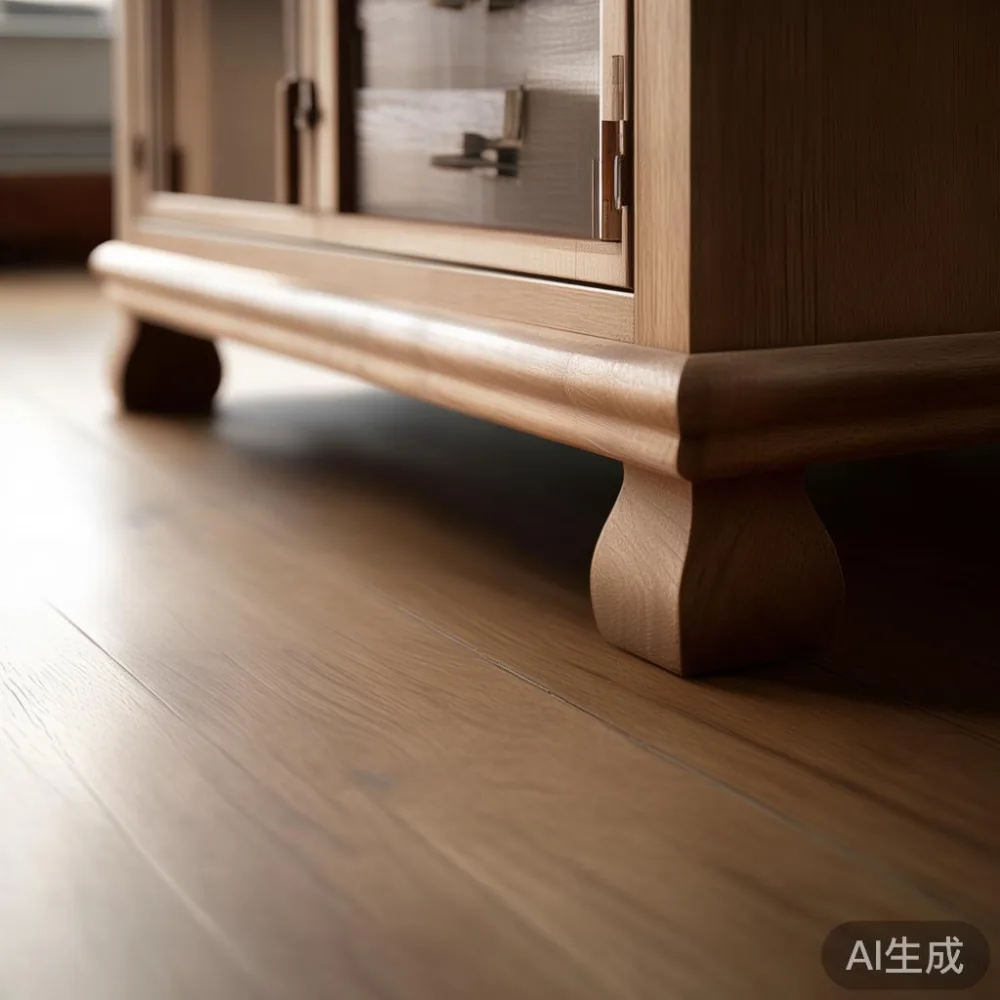
I tested one lacquered tv cabinet last month at my colleague’s home in Tampines. The unit measured 180 cm wide, 40 cm deep and 45 cm high, with solid ash legs and a lacquered engineered-wood carcass. Its lift route included a 90 cm door, a 110 cm corridor turn and a lift with a 107 cm internal width. After 30 days of daily use, the top had dust marks but no visible lacquer lifting. The result shaped the routine below, including the gaps we allowed around the unit and the products we avoided.
Why does lacquer react differently in Singapore?
Singapore’s outdoor air often carries substantial moisture throughout the year. Relative humidity can move from about 65% on a humid afternoon to 45% inside an air-conditioned HDB flat as the air cools. A lacquer film is thinner than a solid hardwood surface, so repeated expansion and contraction can reveal checking, dulling or edge wear if the cabinet is exposed to sharp changes.
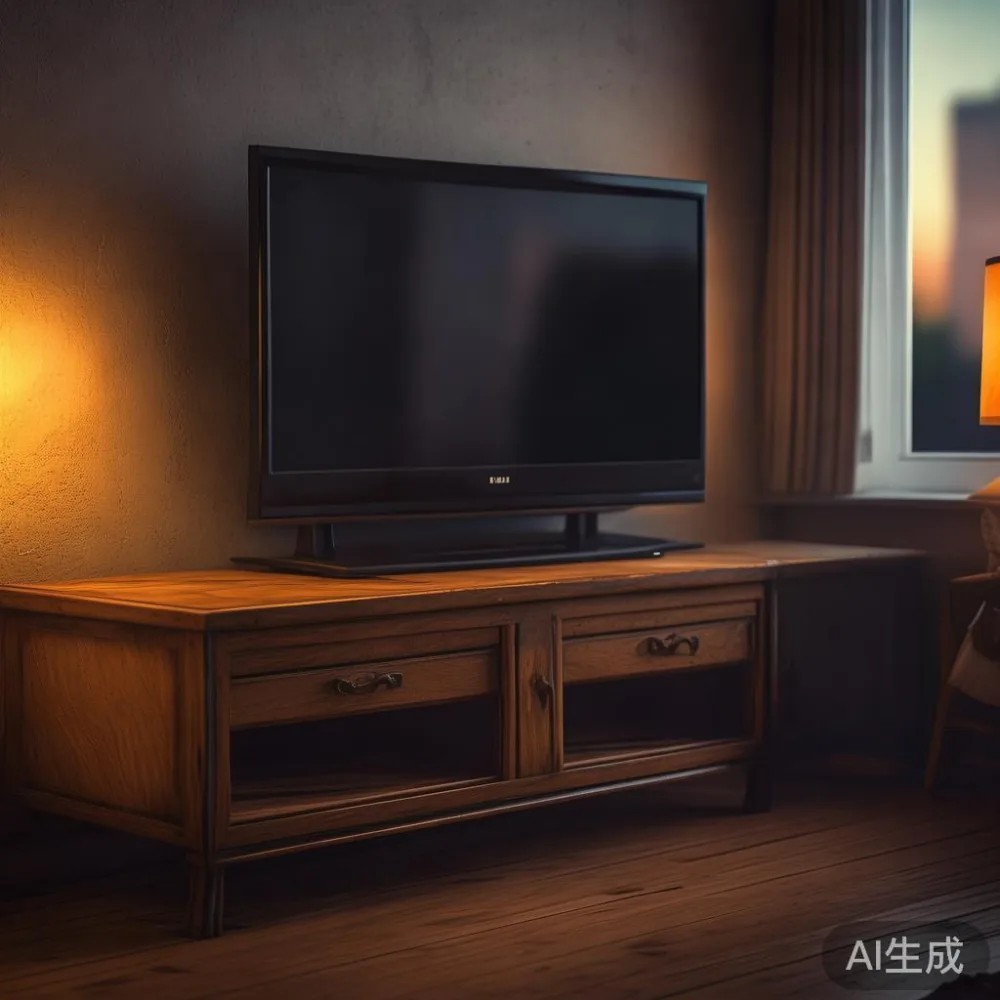
Heat matters too. A west-facing condo in Bedok may receive direct afternoon sun, while a Punggol unit near the sea can experience damp, salty air. The tv cabinet should remain at least 60 cm from windows with direct sun and at least 30 cm from an air-conditioning vent. Do not place it against a damp exterior wall with no ventilation gap; 5 cm is a sensible minimum, though 8–10 cm gives better airflow in a tight living room.
Temperature changes also affect the cabinet body and hardware. Aim to keep it within roughly 10°C of room temperature, and never use a hair dryer, heat gun or steam cleaner to lift dust. A room thermometer and a small hygrometer, both costing less than SGD 30, are useful for checking conditions rather than guessing.
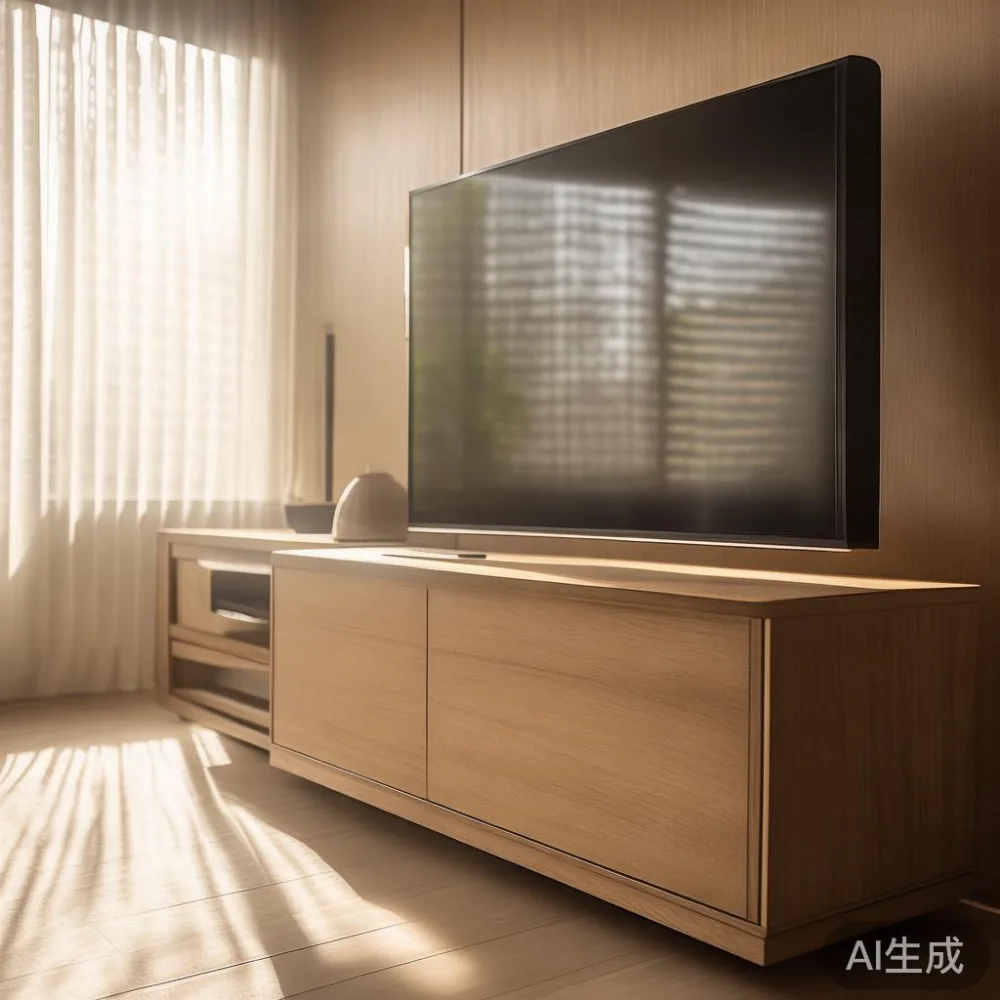
What should I do before installing the tv cabinet?
Measure before delivery day. Check the cabinet dimensions, packaging and every turning point, not just the front door. For a typical 180 cm tv cabinet, allow a clear diagonal route and at least 10 cm of extra working space at tight turns. Remove the unit from its packaging in a dry room, inspect the lacquer for chips and keep its warranty documentation. MIDHILL offers a 10-year structural warranty, which covers the cabinet’s structure rather than accidental surface damage.
Check the electrical arrangement as well. If the tv cabinet includes open shelving, keep the power supply and cables toward the rear. A 10 cm ventilation gap at the back helps warm air escape. Route cables through the rear opening where available, and avoid creating a closed cavity behind media boxes that can release heat.
For residents considering coordinated furniture, a solid wood sofa with a raised base, a bed frame with adequate clearance and a dining table positioned away from direct sunlight can all support a stable indoor environment. The same discipline applies to a wardrobe, nightstand and marble table: moisture should not sit against them. A marble table requires a separate barrier from damp walls, while timber pieces benefit from airflow beneath and behind.
How should I clean a lacquered surface safely?
Use a soft microfibre cloth, lightly dampened with clean water. Wring it until no water droplets fall from the cloth, then wipe in the direction of the grain. A 30 cm cloth handles the top of a compact cabinet without spreading moisture into corners. Follow with a second dry cloth and do not leave wet patches.
For weekly dust removal, a dry microfibre cloth is usually enough. For fingerprints, dilute a small amount of mild, pH-neutral dish detergent in 500 ml of water. Use approximately 5 ml of detergent, dampen the cloth rather than the cabinet, and test an inconspicuous 5 cm section first. Never spray cleaner directly onto lacquer.
Avoid silicone polishes, ammonia, bleach, alcohol-heavy glass cleaners, abrasive pads and “furniture polish” containing wax or oil. These products can leave a greasy film, soften some lacquers or make the surface patchy. Pet-safe does not automatically mean lacquer-safe, so keep a pet’s bowl at least 50 cm from the cabinet and wipe spills promptly.
For scuffs, use a clean, soft eraser gently on the mark, then wipe with a barely damp cloth. Do not rub repeatedly. If a chip exposes brown substrate, contact the supplier rather than applying household paint. Paint can alter sheen and colour, while a filler can shrink after drying.
How often should the cabinet be inspected?
A quick weekly wipe and a monthly inspection fit most Singapore homes. Check the top edge, handle area, legs and places where objects repeatedly touch the lacquer. Look for lifting at 1–2 mm, tiny circular cracks, white haze or a change in gloss. A 10-minute check every 4 weeks catches problems before they become visible.
Inspect more often—every 2 weeks—during monsoon periods, in a ground-floor unit near greenery, or if the cabinet stands beside an open balcony door. Close balcony doors when outdoor humidity rises and avoid drying laundry near the cabinet. Use a dehumidifier if the living room regularly exceeds 70% relative humidity. Keep the cabinet away from a 60 cm-wide heat source such as a table lamp or speaker that runs warm.
Do not place hot cookware, candles, incense holders or an air fryer on the top. The cabinet is furniture, not a serving surface. Coasters and a 4 mm felt pad beneath decorative objects reduce scratches, although they should not conceal damp objects for days.
Can sunlight fade lacquer over time?
Yes. Even a cabinet with UV-resistant lacquer can fade unevenly if exposed to direct light. In a Tampines HDB flat, curtains help; in a Bedok condo with large glazing, sheer curtains combined with blackout blinds offer stronger control. Keep the tv cabinet at least 60 cm from a window when possible, and rotate ornaments rather than the cabinet itself.
Direct sun can also create a temperature difference across a 40 cm depth. One side heats while the other remains cooler, encouraging the lacquer and substrate to move at different rates. Use blinds during the hottest hours, generally from 11 a.m. to 4 p.m., and maintain at least 8 cm behind the cabinet for ventilation.
Arrange the television to avoid heat build-up. A screen running for 8–10 hours can warm the air behind it. If the cabinet has a ventilated back, leave it unobstructed; if it has a closed cable panel, check that equipment is not overloading the space. Poor ventilation is more damaging than ordinary, controlled sunlight.
What should I do if the lacquer develops haze, cracks or lifting?
Stop using wet or oil-based products as soon as haze appears. Haze can come from residue, moisture trapped beneath the film or a cleaner that has not been removed. Wipe once with a clean damp cloth, dry immediately, and allow 24 hours before judging the result.
Fine checking that is less than 1 mm wide can sometimes be managed by keeping the room stable and avoiding further moisture exposure. Lifting, blistering or a chip larger than 5 mm needs professional assessment. Photograph the affected area in daylight and include a ruler for scale. Record the purchase date and contact MIDHILL at midhillco@gmail.com for guidance on care or refinishing.
MIDHILL provides lifetime refinishing, subject to its service terms, which can be valuable for long-term wear in Singapore. Structural warranty and refinishing are different services: one addresses the cabinet’s construction, while the other addresses the finish. Ask for written confirmation about lacquer type, colour matching and transport arrangements.
How do I balance care with a light-luxury interior?
Lacquered restraint works well with French light luxury, where pale woods, cream upholstery and slender profiles create an airy room. A small tv cabinet can carry the visual weight without crowding a 280–320 sq ft HDB living room. The Post-modern for small living room approach also works through clean geometry, useful storage and limited ornament rather than bulky forms.
For broader planning, searching how to style Japandi sofa in room can reveal the value of warm timber beside pale lacquer. A Modern light luxury sofa keeps the seating visually light, while the cabinet grounds it with storage. If comparing seating, French bed vs Modern bed is more relevant to a bedroom than the cabinet itself, but both ideas share the same principle: clear surfaces and stable environments preserve appearance. The top 10 Boho furniture checklist offers another route for texture, provided plants and woven items are not pressed against lacquer.
Those planning a sectional can consult how to choose American sofa by checking seat depth, fabric and room measurements rather than appearance alone. In every case, leave 8–10 cm between furniture and walls where practical. A dining table needs 90 cm of walkway in main circulation routes; a bed frame requires space at the sides for cleaning; a wardrobe should stand clear of exterior walls; and a nightstand should allow the cabinet and nearby surfaces to remain dry.
The delivery details matter, too. In Singapore, a suitable tv cabinet should arrive within an agreed 7–14 day window, with the order total and any GST treatment stated clearly. MIDHILL’s free shipping threshold is shown over US$350 for international orders, so local buyers should request a landed SGD quotation. For local delivery, confirm whether the quoted rate includes GST, lift booking and carry-in service. A flat’s corridor or lift surcharge may apply if the cabinet cannot be carried in normally.
Returns are accepted within 14 days under the stated policy, but a lacquered product should be checked before removal from its packaging. Confirm whether assembled or flat-packed pieces, used items and delivery charges are covered. Keeping the packaging dry and intact for 14 days preserves the option to return the tv cabinet if its dimensions do not suit the living room.
What is the practical care calendar for a lacquered tv cabinet?
Daily: leave 10 cm of rear clearance, remove rings and crumbs, and wipe spills within 15 minutes. Weekly: dust with a dry microfibre cloth and clean handles. Monthly: inspect the top, corners, legs and back panel, then wipe with a barely damp cloth if needed. Every 3 months: check humidity with a hygrometer and confirm that blinds, cables and equipment ventilation remain correct. Every 12 months: review lacquer sheen under daylight and arrange refinishing if wear is visible.
The central rule is simple: moisture, heat and abrasion cause most problems, and small habits prevent most repairs. Keep the lacquer dry, stable and free from harsh chemicals. For anyone choosing a new unit, request finish samples of at least 5 cm and inspect them under the living room’s actual lighting before delivery.