Proper Care for Singapore’s Lacquered TV Cabinets
A lacquered tv cabinet can bring calm, visual order to a Singapore home, but humidity, heat, condensation and airborne dust demand a considered care routine. In a compact HDB flat in Tampines, a cabinet may sit against a common wall where ventilation is limited. In a Bedok condo near the coast, salt-laden air can reach an open balcony and settle on exposed surfaces. A Punggol family home may also see daily cooking moisture, sticky fingerprints and rapid changes in indoor conditions. The finish will perform better when its owner understands what lacquer can tolerate and how to respond to small marks early.
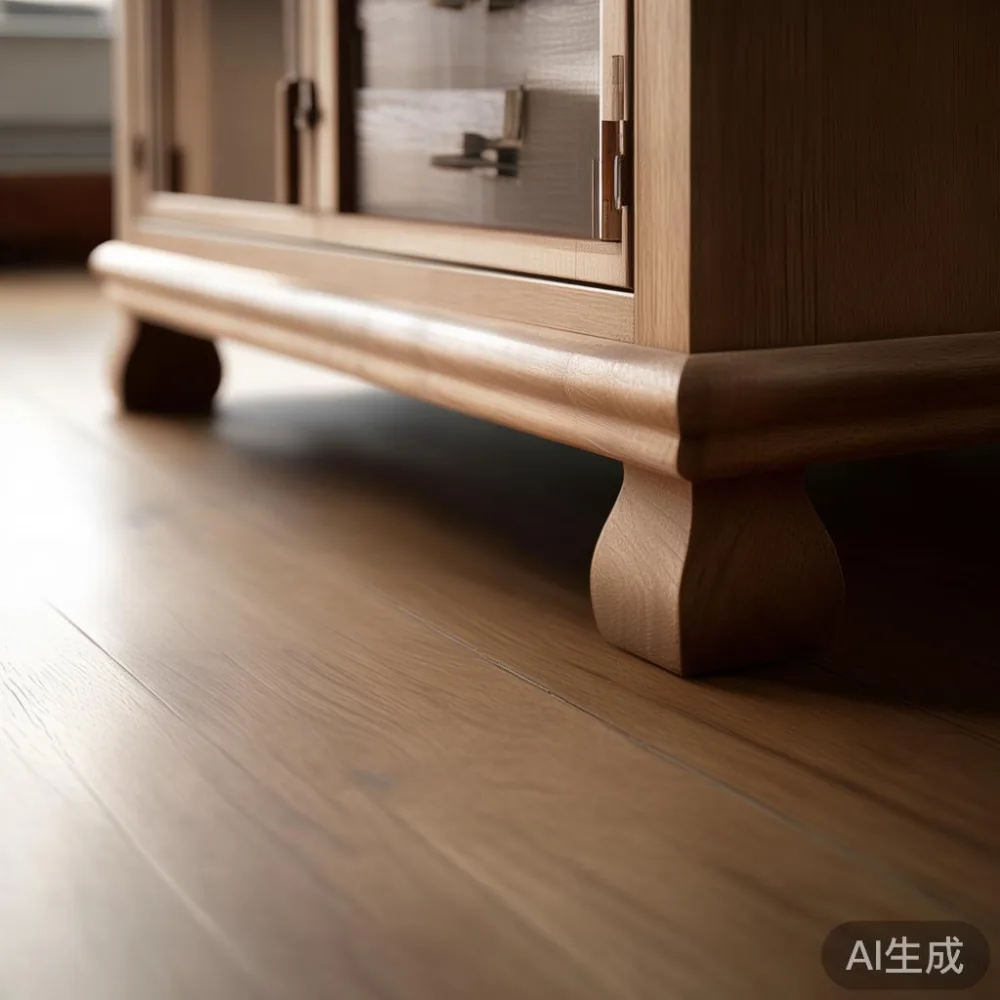
MIDHILL makes lacquered solid wood furniture for clients in 15 countries and offers a 10-year structural warranty, lifetime refinishing, 14-day returns and free shipping above US$350. Its solid wood sofa, bed frame, dining table, wardrobe, nightstand and marble table ranges show the same preference for enduring materials and restrained proportions. For a lacquered tv cabinet, the practical benefit lies in controlling moisture and abrasion rather than cleaning aggressively.
This guide focuses specifically on a lacquered tv cabinet. The recommendations assume an indoor unit with lacquer applied over a properly prepared wood substrate; they do not replace the care instructions supplied with a particular finish, coating or factory joint.
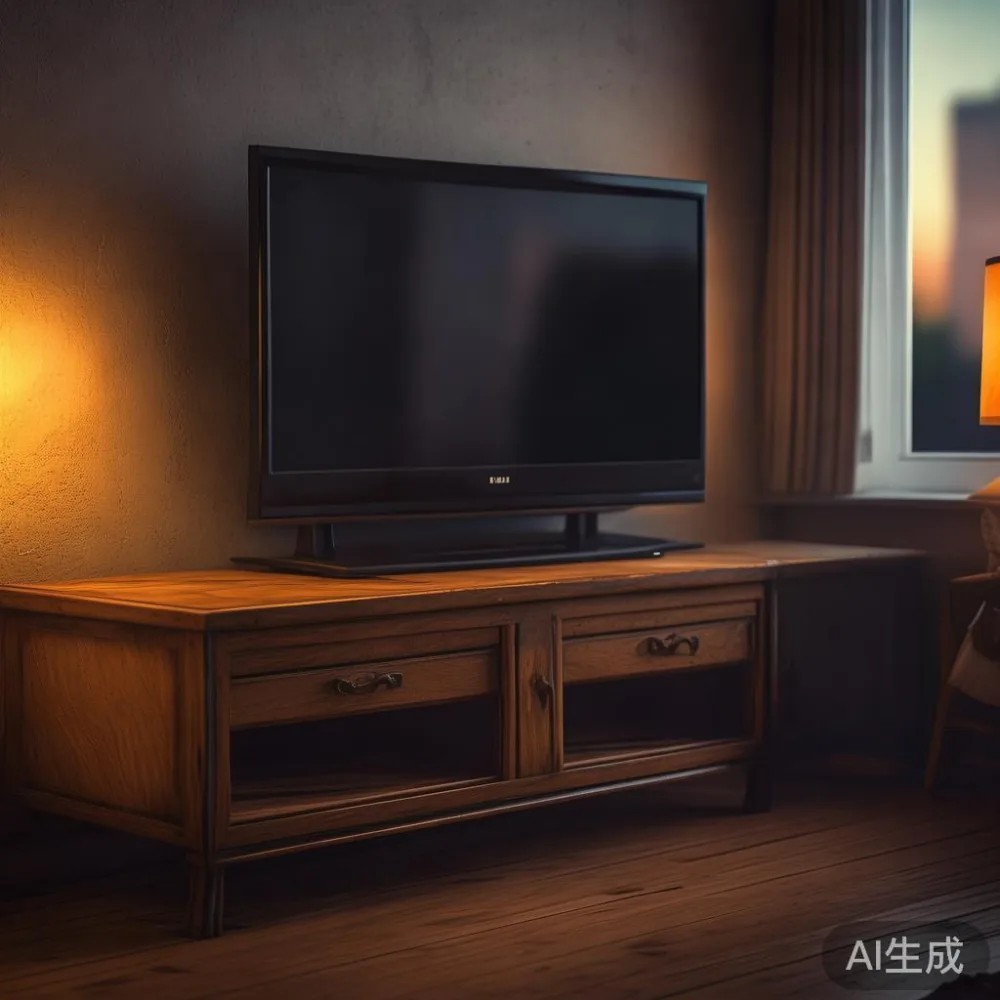
What does tropical humidity do to a lacquered TV cabinet?
Singapore’s climate commonly combines daytime temperatures around 30–34°C with high relative humidity. During monsoon periods, humidity can remain above 80% for extended periods. Lacquer is less permeable than unfinished timber, but its appearance can still be affected by moisture underneath, repeated surface cleaning and sudden temperature shifts.
Place the cabinet at least 30 cm from exterior walls, windows and air-conditioning vents where possible. This clearance allows air to move around the back and sides. Avoid direct contact with a curtain that remains damp after rain. If a tv cabinet stands beside a kitchen passage, keep standing water, steam sources and damp mops away from it.
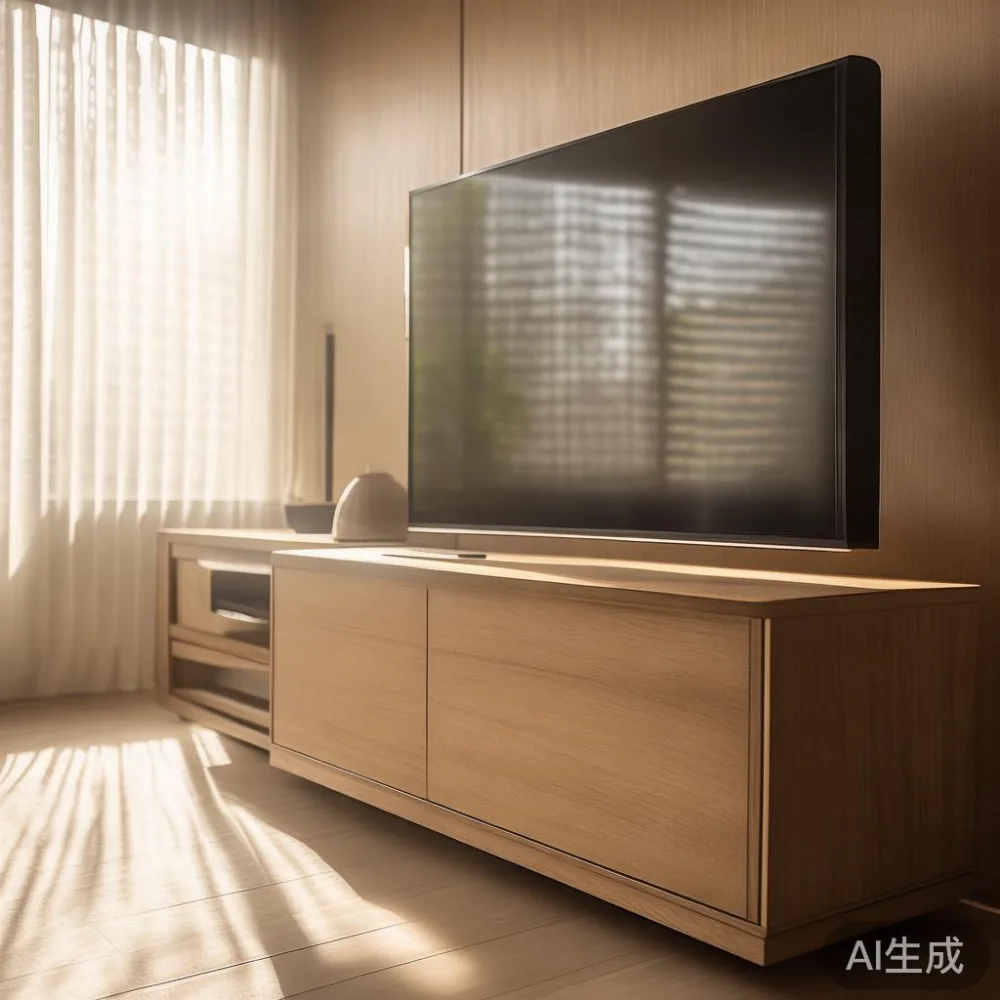
Inside the cabinet, maintain roughly 45–65% relative humidity where the building’s air-conditioning system supports it. A low-cost hygrometer can help; place it near the cabinet rather than in a bathroom or kitchen. A reading above 70% for several hours calls for more ventilation, not stronger chemicals. Readings below 35% may indicate very dry conditioned air, which can make some substrates shrink and produce minor joint movement.
Check that the tv cabinet has adequate ventilation if it contains electronic equipment. Follow the equipment manufacturer’s instructions, and do not block rear vents. Warm exhaust can create a pocket of heat that encourages condensation on metal fittings and adjacent lacquer.
How should I clean a lacquered TV cabinet?
Begin with a soft, lint-free cotton cloth, approximately 20 × 20 cm, lightly dampened with clean water. Wipe dust from the top edge toward the base, using a separate clean section for each panel. Mild dishwashing liquid may be used sparingly: add about 5 ml to a bowl containing 1 litre of lukewarm water, then apply the diluted solution to the cloth rather than the cabinet. The surface should never look wet.
Dry immediately with a separate microfibre cloth. Use small circular movements on fingerprints, but avoid scrubbing lacquer unnecessarily. A clean toothbrush with very soft bristles can reach the narrow channel between a door and its frame; use it only if the gap is at least 3 mm wide.
Do not use silicone spray, furniture polish, ammonia, alcohol, bleach, acetone, wax or abrasive powder unless the finish supplier expressly permits them. These products can change gloss, leave an oily film or soften the coating. Test any permitted product on a concealed 5 × 5 cm area for at least 72 hours before treating a visible section.
Spills should be removed within 10 minutes. Blot rather than rub. For an oil mark, place a clean paper towel over the spot and warm it gently with a hairdryer held at least 30 cm away for no more than 20 seconds. Heat can release some fresh oils from the surface, but it must not be applied repeatedly to one area.
How often should a lacquered TV cabinet be maintained?
A light weekly dusting is usually enough for a lightly used unit. In an open-plan HDB flat, clean the upper surfaces every 7 days and the fronts every 10–14 days. A coastal condo may need a shorter interval because fine particles settle more quickly. Fingerprints around frequently touched doors should be wiped with a barely damp cloth as soon as they appear.
Inspect the cabinet every 3 months for swollen edges, lifting veneer, condensation and loose fittings. Check that wall anchors remain tight, particularly for units taller than 90 cm. A 120 cm wide cabinet weighing 45 kg needs two appropriate fixing points in most domestic installations. Follow the supplied restraint instructions and use wall plugs suited to the wall type.
Clean the interior every 3–6 months with the cabinet empty and disconnected from power. Vacuum with a brush attachment on the lowest suction setting, keeping it about 5 cm from any electronic component. Let the interior air for 30 minutes before replacing equipment or closing the doors.
Use a desk tray or protective mat under décor, and do not place hot cookware directly on lacquer. A cup of hot tea can reach 70–80°C. Even when the cabinet’s top is solid wood beneath the finish, local heat can create a visible ring or dull the sheen.
Is condensation a sign that the lacquer has failed?
Not always. Condensation usually points to an environmental or installation issue. In a HDB unit near a laundry yard, damp air can settle on a cool cabinet front at night. Moving the unit 10–15 cm from the wall and opening nearby doors briefly may reduce the effect. A cabinet should never be placed directly beside an open window where rain can strike it.
After a severe rainstorm, wipe condensation from the lacquer within 30 minutes and leave the cabinet open for 20–30 minutes if practical. Do not use a heat gun. If the lacquer blisters, peels or separates along an edge, photograph the affected area in daylight and contact the manufacturer. If moisture entered through a failed joint, refinishing the surface alone will not resolve the source.
Small lacquer scratches can sometimes be managed according to the product care sheet. A superficial mark may respond to the supplier’s approved polish, used sparingly on a 10 × 10 cm area and buffed after 60 seconds. Deep marks that expose wood, lift at an edge or catch a fingernail need professional assessment.
How do I prevent lacquer from fading or yellowing?
Keep direct sunlight off the cabinet for most of the day. Ultraviolet exposure can fade colour and shift warm finishes toward yellow over time. In a Tampines flat with west-facing windows, sheer curtains can reduce exposure while preserving daylight. A UV-rated curtain with a transmittance below 10% offers stronger protection than an untreated cotton panel.
Do not position a lacquered tv cabinet beneath an air vent that blows dust constantly. Air-conditioning filters should be changed on schedule, commonly every 6–12 months, because dirty filters circulate particles that scratch a glossy surface. If the cabinet sits near a balcony door in Bedok, check the door seal and sweep salt residue from the floor at least weekly.
Avoid leaving fresh newspapers, magazines or unprinted craft paper against the finish. These items can transfer ink or a damp patch within 24 hours. Lift them instead of sliding them across the cabinet.
What should I know before moving a lacquered TV cabinet?
Measure the route before delivery, including the HDB lift door, landing turns and interior corridors. A typical lift door may be only 90 cm wide and 210 cm tall, while a narrow corridor can be 120–150 cm. Check the package dimensions rather than the furniture dimensions alone. A boxed tv cabinet should have at least 5 cm of protective clearance on each side.
For a unit weighing 35–60 kg, use at least 2 people and padded lifting straps rated above 100 kg. Remove detachable doors and shelves, photograph their positions and label each fitting. Carry the cabinet upright where its construction allows; do not drag it across a tiled floor. If it must be tilted, protect the lacquer with moving blankets and avoid repeated rotations.
Singapore delivery often takes 7–14 working days after production and dispatch confirmation. Lift access charges may apply. Confirm GST and the final payable amount in SGD before the appointment. Since a lacquered surface can be damaged before it reaches the home, inspect the carton for puncture and photograph the packed cabinet before accepting it.
MIDHILL provides a 14-day return window. If the cabinet arrives with a finish defect, record unboxing footage, retain all packaging and contact the supplier promptly. For a newly installed piece, allow the finish and packaging to remain undisturbed during the first 7 days.
Can light-luxury furniture and outdoor spaces share the same care approach?
French light luxury often favours pale woods, delicate profiles and satin finishes that show fingerprints. American light luxury and post-modern light luxury may use broader planes, darker tones and cleaner visual geometry. Whatever the vocabulary, a lacquered tv cabinet benefits from restrained care and precise placement rather than an overloaded shelf.
The same discipline carries across a home. If a solid wood sofa is placed in humid conditions, protect its cushions from dampness and maintain airflow beneath the frame. A solid wood bed frame should sit away from unconditioned windows, and a wardrobe should have enough clearance for doors and airflow. A dining table needs coasters, a nightstand needs stable humidity, and a marble table should be protected from acidic spills. These comparisons also inform finish selection when planning a Japanese for dining room project: pale lacquer can suit a calm composition, but it must be specified for the actual light and moisture conditions.
For larger furnishing projects, a useful comparison is European light luxury bed vs Italian light luxury bed, or European bed vs Mid-century modern bed. Similarly, light luxury bed vs Mid-century modern bed decisions often concern proportion and tactile character. A Mid-century modern accent chair uses shaped timber and clean lines, but it does not remove the need for controlled indoor conditions. The principle is consistent: quality furniture deserves careful surroundings.
What if I see bubbles, lifting lacquer or a musty smell?
Bubbling or lifting lacquer is a moisture-related concern, especially after a leak, persistent condensation or prolonged high humidity. A musty smell may come from trapped moisture, mould or residue inside the cabinet. Isolate the area, remove food and fabrics, and improve ventilation for 24 hours. Do not paint over bubbles or seal damp wood with another clear coat.
Inspect with the cabinet empty and dry. Run a dehumidifier in the room if available, aiming for 50–60% relative humidity, but position the unit so its outlet does not create another damp zone. Professional restoration may involve drying, repairing the substrate, treating affected areas and applying a compatible finish. The product’s 10-year structural warranty covers eligible structural issues, while lifetime refinishing provides a defined path for refinishing requirements; confirm the specific coverage with MIDHILL.
My colleague in Singapore visited a Bedok condo last month and inspected a 160 cm lacquered tv cabinet beside a frequently opened balcony door. The cabinet had fine condensation along its 4 cm rear edge after heavy evening rain. We moved it 18 cm from the opening, wiped the area with a lightly damp cloth and kept the balcony door closed while the air-conditioning system operated. A hygrometer settled from 78% to 61% over 6 hours, and no further moisture appeared during the next 48 hours. The fix was airflow and source control, not chemical cleaning.
Can a lacquered TV cabinet be placed in a HDB flat or condo?
Yes, with careful placement and realistic expectations about Singapore’s humidity. In an HDB living room, leave 30 cm behind the cabinet when the wall permits and maintain a clear path of at least 60 cm where possible. In a compact condo, a shallow 35–40 cm cabinet may suit the wall better, but its ventilation and fixing requirements should be checked before purchase.
Match the finish to the room’s light. Dark lacquer can show dust and fine scratches, while pale lacquer reveals grease and water marks. French light luxury interiors often work well with warm, low-sheen tones, and post-modern light luxury may favour crisp planes and controlled contrast. The cabinet should feel integrated, not merely occupy the remaining gap.
A sound care routine is simple: dust every 7 days, clean visible marks promptly, keep relative humidity near 45–65%, maintain 30 cm from damp walls, prevent direct sun and address condensation within 30 minutes. Those 6 habits protect a lacquered tv cabinet for years while preserving the quiet refinement that prompted its selection.