A Lighter TV Cabinet for Compact Singapore Homes
Small Singapore homes rarely suffer from a shortage of storage. They suffer from too many objects competing for the same sightlines. A television, console, speakers, cables, books, remotes, decorative trays and a wall of closed storage can quickly turn one living-room corner into visual congestion. The solution is not to hide everything behind larger doors. It is to choose a tv cabinet with the right proportions, calm material palette and disciplined internal layout.
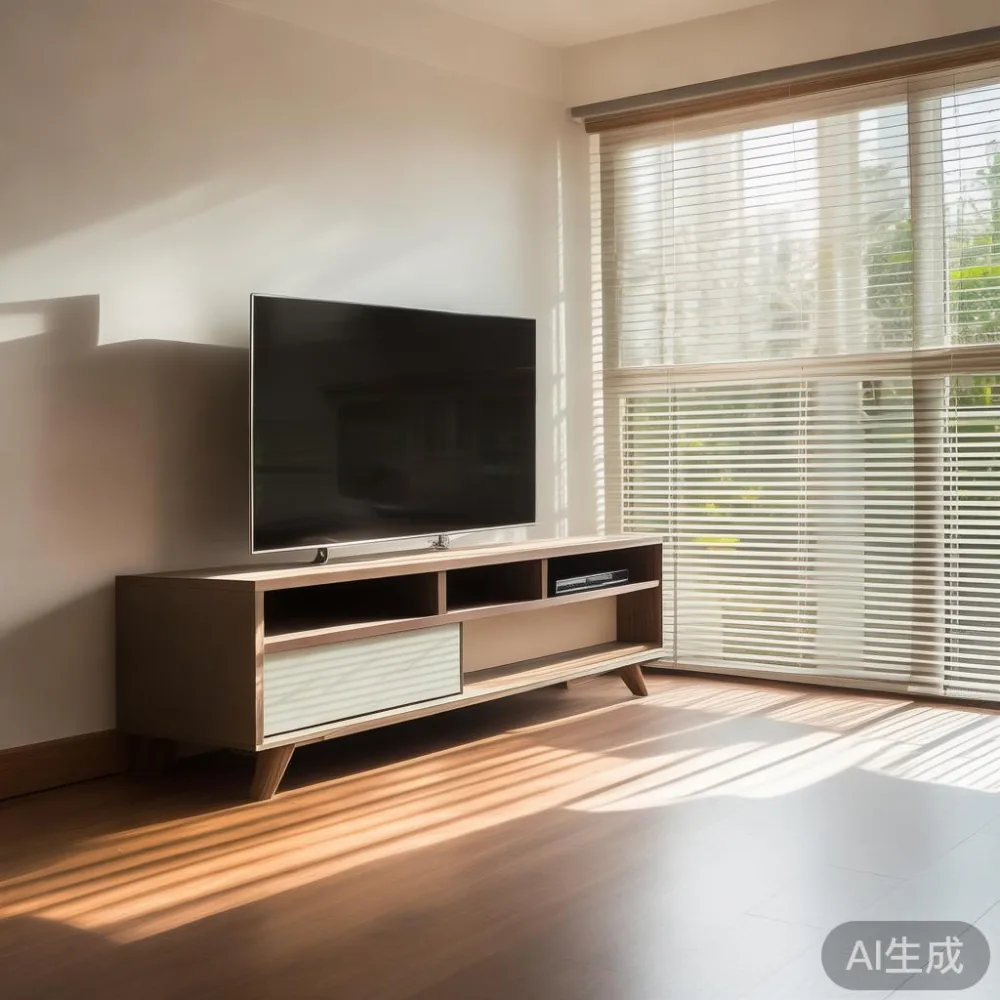
For HDB flats and condos in Tampines, Bedok and Punggol, practical planning starts with the architecture around the furniture. HDB lift interiors are commonly about 110 cm wide and 140 cm deep, while lift doors and many apartment corridors measure roughly 90 cm to 120 cm across. A cabinet that fits beautifully in the living room can still be awkward to carry through the common corridor. Dimensions, packaging and delivery access deserve equal attention.
MIDHILL has made solid wood furniture since 2008 and exports to more than 15 countries. Its 10-year structural warranty and lifetime refinishing service suit buyers who prefer furniture that can be maintained rather than replaced. For compact interiors, that longevity also reduces clutter over time: one well-planned piece can serve several layouts and moving cycles.
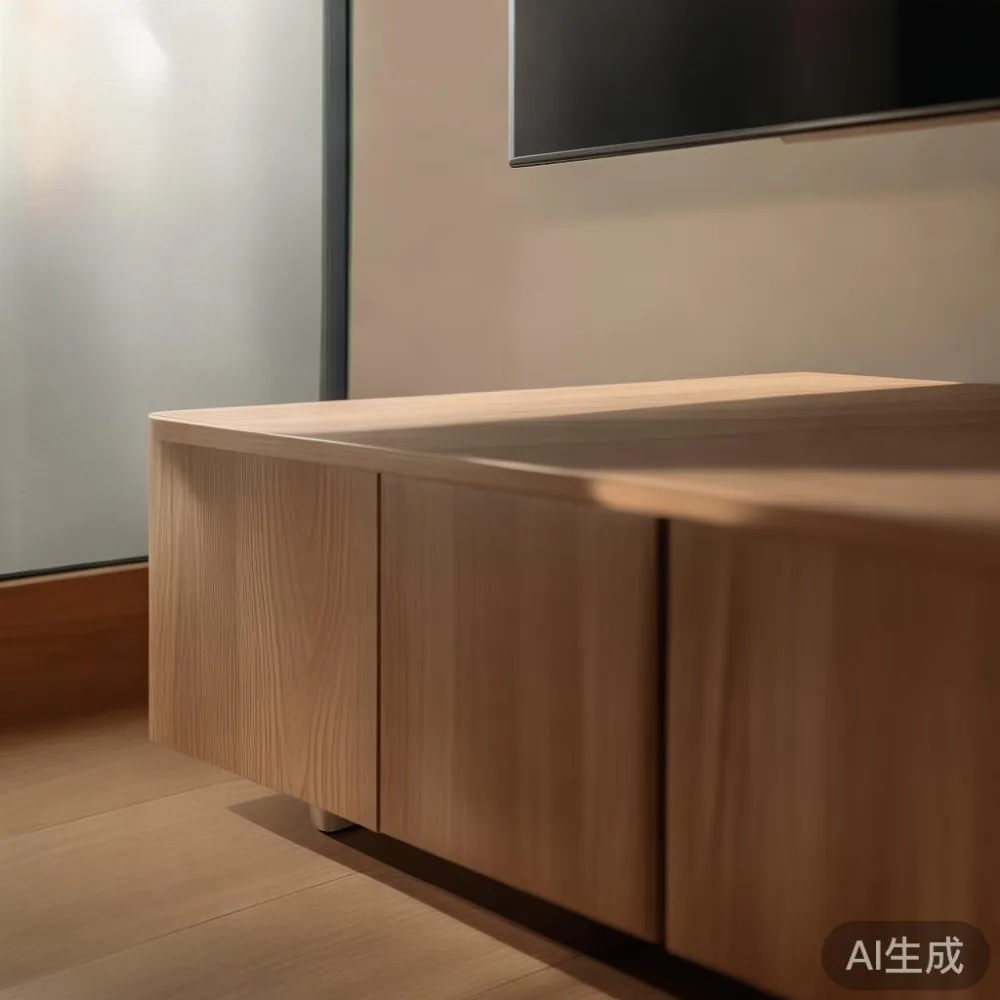
What size TV cabinet actually suits a small apartment?
<The most useful answer depends on the television, wall and circulation route—not on a fashionable maximum. For a 100 cm to 115 cm television, a cabinet around 180 cm to 220 cm wide generally gives the screen sufficient visual grounding without extending too far across the room. For a 125 cm to 140 cm television, consider 200 cm to 240 cm. A very wide cabinet can overwhelm a 3 m living room, while one much narrower than the screen may look undersized.
Depth needs careful control too. A cabinet at 38 cm to 42 cm deep is often easier to live with in an HDB flat because it preserves walkway width and creates a useful recess for the television. Low units at 45 cm high can reduce visual weight, while taller units around 50 cm to 60 cm offer stronger storage presence. Leave about 5 cm to 8 cm between the wall and the cabinet for cable routing where possible.
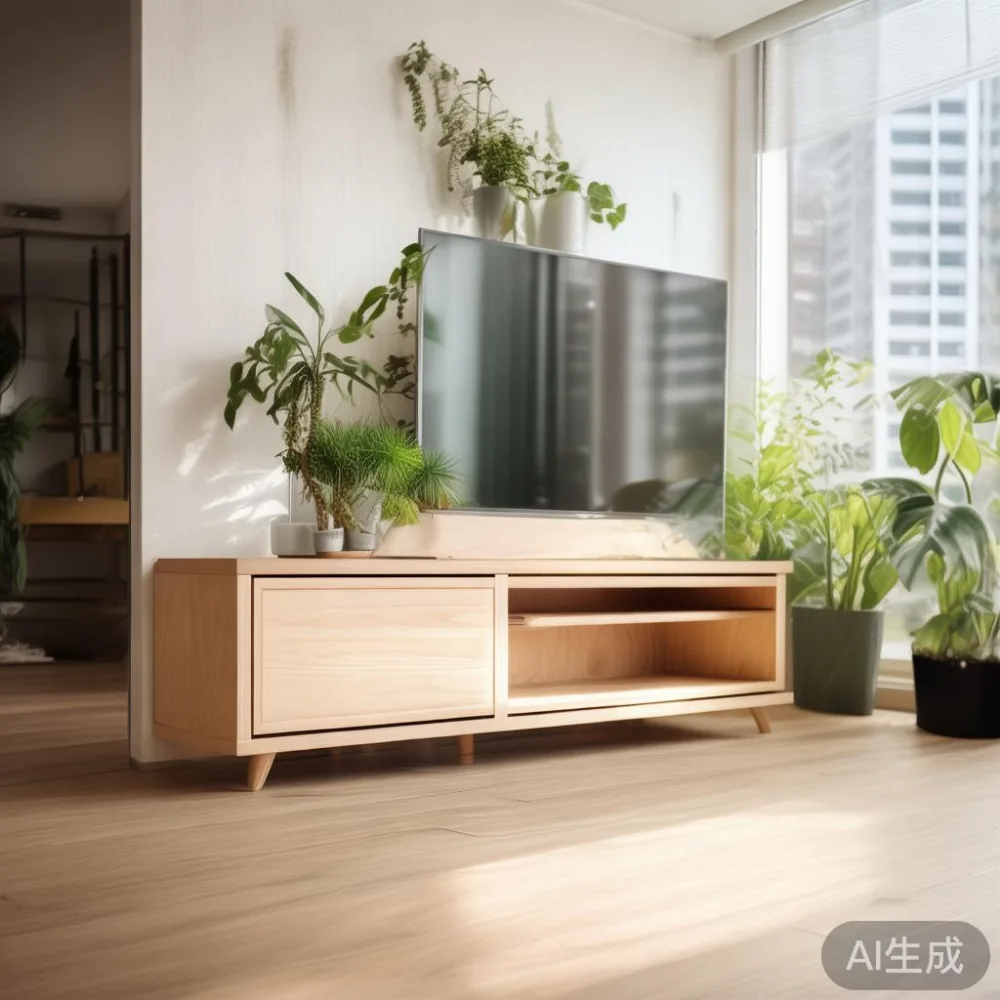
Last month I visited a colleague’s three-room Bedok condo with a compact 3.4 m by 3.1 m living area. The television was 125 cm, but the original cabinet measured 240 cm by 48 cm. It looked heavy because its six doors, thick handles and dark finish formed a solid block. We replaced it with a 200 cm wide, 40 cm deep model with two drawers, two open bays and concealed cable panels. The usable storage remained, yet the floor looked 15 cm to 20 cm more open from the doorway.
Here are the numbers I would use as a starting point:
• Choose a tv cabinet about 10 cm to 20 cm wider than the television on each side where space allows.
• Keep the unit within 60% of the visible wall width for a more restrained proportion.
• Target a depth of 38 cm to 42 cm for most compact Singapore living rooms.
• Preserve at least 75 cm of clear walking space beside major seating and circulation areas.
• Position seats about 250 cm to 300 cm from the screen for relaxed viewing in a small room.
How do I move a solid wood TV cabinet through HDB corridors and lifts?
Measure before ordering, including the route from the ground-floor lobby to the apartment door. The relevant dimensions are the lift door, lift car, corridor turns, stair width, ceiling clearance and the narrowest doorway. For many Singapore lift lobbies, the available width is around 100 cm, although accessible lifts and newer blocks vary. A boxed cabinet can be wider than its assembled dimensions if panels and doors are removable.
Ask the supplier for the packaged length, width, height and weight. A flat-pack unit weighing 38 kg is usually manageable by two people, while a solid timber cabinet weighing 85 kg may require professional handling. Check the lift’s load rating, normally 630 kg to 1,000 kg for passenger lifts, and avoid blocking the landing with long-term delivery staging.
Solid wood construction affects the delivery method. Veneered or engineered cabinets may weigh 25 kg to 45 kg, while a solid oak, ash or walnut tv cabinet can weigh 60 kg to 95 kg. MIDHILL can quote delivery timing and access requirements in SGD, and qualifying orders above US$350 receive free shipping. For Singapore buyers, request a quoted delivery window in days and confirm whether stair carry or two-person delivery is included. Most made-to-order furniture should be allowed 21 to 45 days depending on finish and production schedules.
Before delivery day, protect the route with cardboards or runners, remove door-mounted items and measure the final resting position. If the cabinet has lift-up doors, check their open radius against the ceiling and nearby walls. The package should also arrive with corner protection, hardware instructions and a moisture-absorbing layer for tropical humidity.
Can a low TV cabinet make a compact living room feel larger?
Yes, when height, contrast and storage are coordinated. Low furniture keeps a horizontal line around the room and leaves wall space visible, which often makes the space read as more open. For a compact condo, a cabinet under 50 cm high paired with a slim television creates a lighter composition than a tall wall unit.
However, “low” does not automatically mean visually light. Dark walnut, thick frames, glossy lacquer and large ring pulls can still attract attention. Solid wood with a pale or medium-toned finish, simple slab fronts and recessed hardware usually feels quieter. French light luxury works particularly well here: restrained profiles, gentle curves and soft upholstery nearby create balance without ornamental clutter. Post-modern light luxury is another option when you want clean geometry with a few deliberately contrasting details.
Keep the television itself on or close to the wall. If your wall is only 2.8 m to 3.2 m wide, a 140 cm screen plus a 220 cm cabinet can nearly fill it. A 125 cm screen with a 200 cm cabinet leaves more breathing room. Mounting the screen above the cabinet may free the surface, but account for viewing height and cable access; the lower edge of a wall-mounted television often sits 95 cm to 115 cm above the floor.
Mirror panels can amplify light, yet they also reflect movement and make a narrow room busier—two reasons to use them sparingly. Instead, place one reflective object, such as a tray or lamp with a metallic finish, on an open bay. Keep the cabinet top mostly clear so the horizontal silhouette remains clean.
What should go inside the TV cabinet—and what should stay out?
Begin with an inventory. Count the media console, game console, set-top box, speakers, charging cables, router and remotes. Many homes need only 15 cm to 25 cm of equipment depth, yet buy storage sized for books and dinnerware. If the cabinet is primarily for electronics, include ventilated openings, a cable route and at least 5 cm of clearance around heat-producing units.
Use drawers for small items that scatter easily: adapters, game controllers, remote controls and charging cables. A drawer interior at 35 cm to 40 cm wide can hold roughly 4 to 7 charging cables when coiled with labels. Use closed sections for less attractive equipment and open shelves for one or two deliberately displayed objects. A 45 cm wide open bay is enough for 5 to 7 upright books, a small plant or a 20 cm speaker.
Cable management is a visual strategy as well as a technical one. A rear cutout around 12 cm by 6 cm often accommodates a power strip. Route leads through the cutout, secure them with reusable cable ties and keep the television area free of visible wires. For a shared HDB living room, set the console to a user-friendly PIN and remove sensitive documents from open storage.
Do not turn every open cubby into a display zone. Two open bays with one object each will feel composed; 12 miniatures across six bays will feel crowded. Aim for 20% to 30% open display space and 70% to 80% concealed storage in a compact unit. Leave at least 30 cm of the cabinet top empty, especially near the television.
Are oak, walnut or white finishes better for small Singapore interiors?
Colour matters, but undertones and texture matter more. Pale oak reflects daylight and suits cooler HDB interiors with white or grey walls. Walnut adds depth and creates contrast, making it useful in rooms with cream walls or natural stone flooring. A white finish can disappear into a bright room, which is useful when the cabinet should recede, although it needs careful handling around children and dark shoes.
Singapore’s humidity calls for stable construction and responsible finishing. Solid wood can move by small amounts as it responds to seasonal changes, so leave around 3 mm to 5 mm of expansion space where panels meet walls. Avoid placing the cabinet directly against an exterior condensation point, and use coasters beneath drinks. A finish with a clear protective coating can generally be wiped with a slightly damp cloth and dried immediately.
Coordinate rather than match everything. If the room has a light brown solid wood sofa, choose warm oak or medium walnut for the tv cabinet, then introduce black metal details sparingly. This is where a light brown luxury sofa can work in an apartment without overwhelming it, provided the upholstery is clean-lined and the palette stays within two wood tones.
Nearby furniture should support the same scale. An Italian light luxury nightstand with curved edges can echo a rounded cabinet, but only one focal curve is needed. When considering a European light luxury bed vs Nordic bed, note that French and Italian forms tend to use softer profiles, while Nordic designs emphasise pale timber and visual simplicity. A compact bedroom may be better served by a slim bed frame with an integrated headboard and drawers that slide under rather than project into the walkway.
The wider reference of Japanese bed vs Nordic bed can be useful for storage planning: Japanese layouts often favour low platforms and concealed storage, while Nordic beds commonly use visible legs and lighter visual framing. Either approach can work, but the actual mattress and door-clearance measurements should decide. A 160 cm mattress needs a bed frame of roughly 165 cm to 170 cm externally.
How can I make a TV cabinet work in a HDB flat, not just a show home?
Real homes need a few adaptable pieces rather than a perfectly frozen arrangement. If the same living room serves as a dining area, use a round dining table with a 100 cm to 120 cm diameter, placed about 75 cm to 90 cm from the nearest wall. It can sit opposite the tv cabinet while retaining a 75 cm passage behind chairs. A slim solid wood dining table with a 180 cm by 80 cm top may be more practical for everyday meals, although it demands more floor area than a round table.
For occasional guest sleeping, consider a bed frame with a storage base rather than a sofa bed that occupies the living room daily. The Boho for guest room style can be introduced with one patterned cushion, a cotton throw and warm lighting rather than a full room of themed accessories. Keep the palette neutral and limit decorative pieces to 5 to 7 items across shelves, tables and walls.
Wardrobes also affect living-room balance because their doors may open directly into the same visual field. A sliding wardrobe needs roughly 1.6 m of frontage for a 150 cm internal width, while hinged doors need about 90 cm of clear swing space. If storage is required near the television, choose shallow doors at 50 cm to 60 cm deep and avoid placing them directly opposite a reflective surface.
For small coffee tables, nesting is often more practical than a single oversized piece. A pair at 55 cm by 40 cm can separate when guests arrive and tuck beneath the television console when not in use. A marble table adds a refined accent, yet its pale veining can dominate a compact room. Select one piece with a restrained pattern and keep nearby woods consistent.
At the end of the layout, step back from the doorway and assess three widths: the cabinet-to-sofa distance, the main walkway and the visible wall run. The room should remain legible within 3 seconds. In a 2026 interior direction shaped by 2026 Italian light luxury furniture, pale timber, curved edges and tactile fabrics can create richness without large-scale ornament. The goal is not emptiness for its own sake; it is enough visual breathing room for the room to adapt.
What delivery and ownership questions should I settle before ordering?
Get the practical commitments in writing. Confirm the cabinet’s external dimensions, internal dimensions, shelf clearances, material, finish, weight, assembly requirements and delivery lead time. Ask whether GST is included in the quoted SGD price, whether lift carry is charged separately and what happens if the unit arrives with visible damage.
MIDHILL furniture is backed by a 10-year structural warranty, and lifetime refinishing is available under the stated service terms. Read the care instructions for cleaning, humidity exposure and placement near windows. A solid wood tv cabinet, solid wood sofa or solid wood dining table can last for decades when finishes are maintained, while a marble table may need more careful protection from acidic liquids.
Returns are accepted within 14 days under the applicable policy, so review colour samples and dimensions before the piece leaves the workshop. For a made-to-order cabinet, confirm how custom sizing or finish choices affect return eligibility. Delivery to Singapore may require 25 to 50 days for custom work; ask for a written estimate rather than relying on a general production range.
A well-proportioned tv cabinet should not compete with the room. It should anchor the television, contain the loose objects and leave enough space for daily movement. Measure the wall, lift and route, limit the palette to 2 or 3 main tones, and preserve one clear visual plane. That balance is what makes a compact home feel larger, more composed and easier to live in.