Impact of Southeast Asian Humidity on TV Cabinets
Singapore’s warm, humid climate can make a solid wood TV cabinet move, swell, or develop fine surface marks as moisture enters and leaves the timber. Average relative humidity often ranges from 65% to 85%, while monsoon periods and compact HDB flats can create faster changes. For homeowners in Tampines, Bedok, and Punggol, stable indoor humidity matters just as much as choosing a attractive design. This guide explains how moisture affects wood, how to protect a cabinet, and what measurements to discuss before delivery.
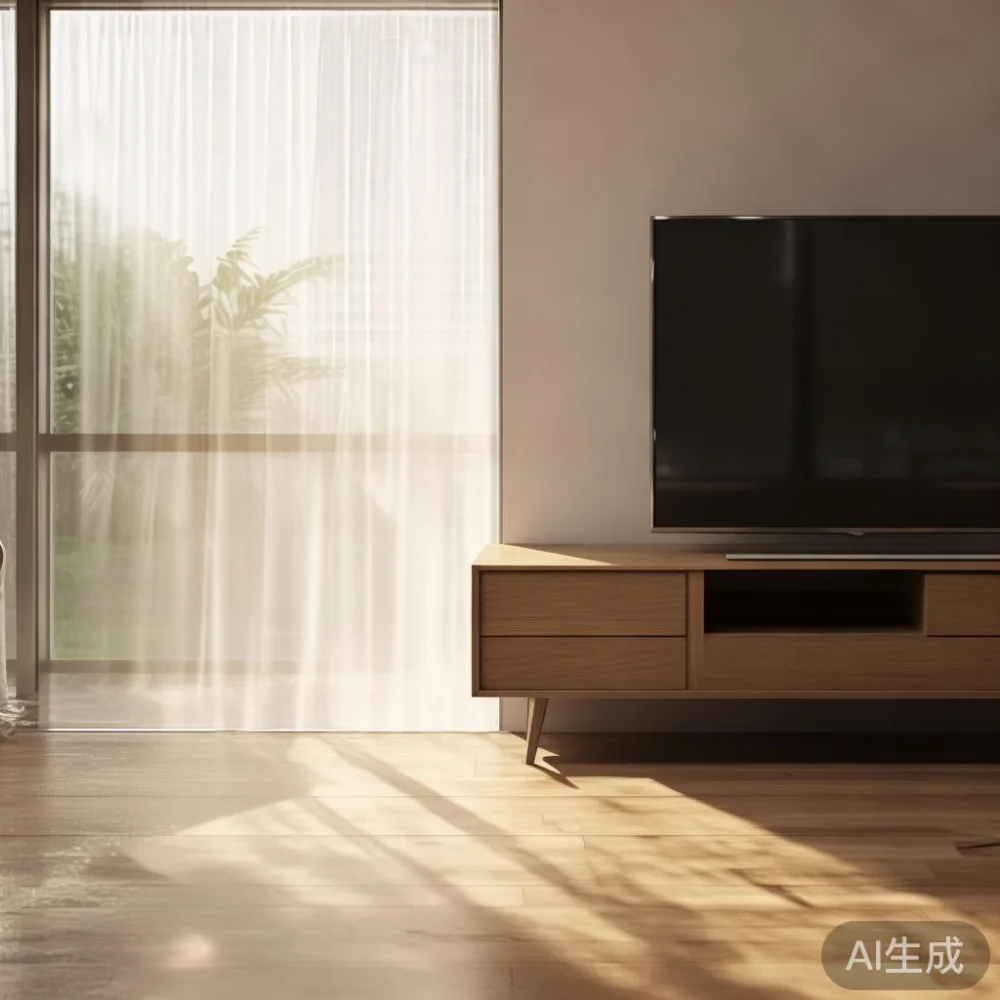
Why does humidity make a solid wood TV cabinet move?
Wood is hygroscopic: it absorbs atmospheric moisture and releases it later. A change of 10 percentage points in relative humidity can produce visible movement in many solid wood panels, although the amount depends on species, thickness, cut, finish, and joint construction. A cabinet with a 180 cm wide door may change by several millimetres over a season. That movement can stress hinges, distort gaps, or cause a door to rub against its neighbour.
Humidity is not the only factor. Air-conditioning can dry a flat to roughly 45% relative humidity, while a corridor or unventilated service area may remain above 80%. Repeated cycling between these conditions is harder on furniture than one stable setting. Direct contact with exterior walls, leaking pipes, new plaster, and wet towels can also raise local moisture levels. Place the TV cabinet at least 10 cm from a wall where practical and 30 cm from windows exposed to persistent dampness.
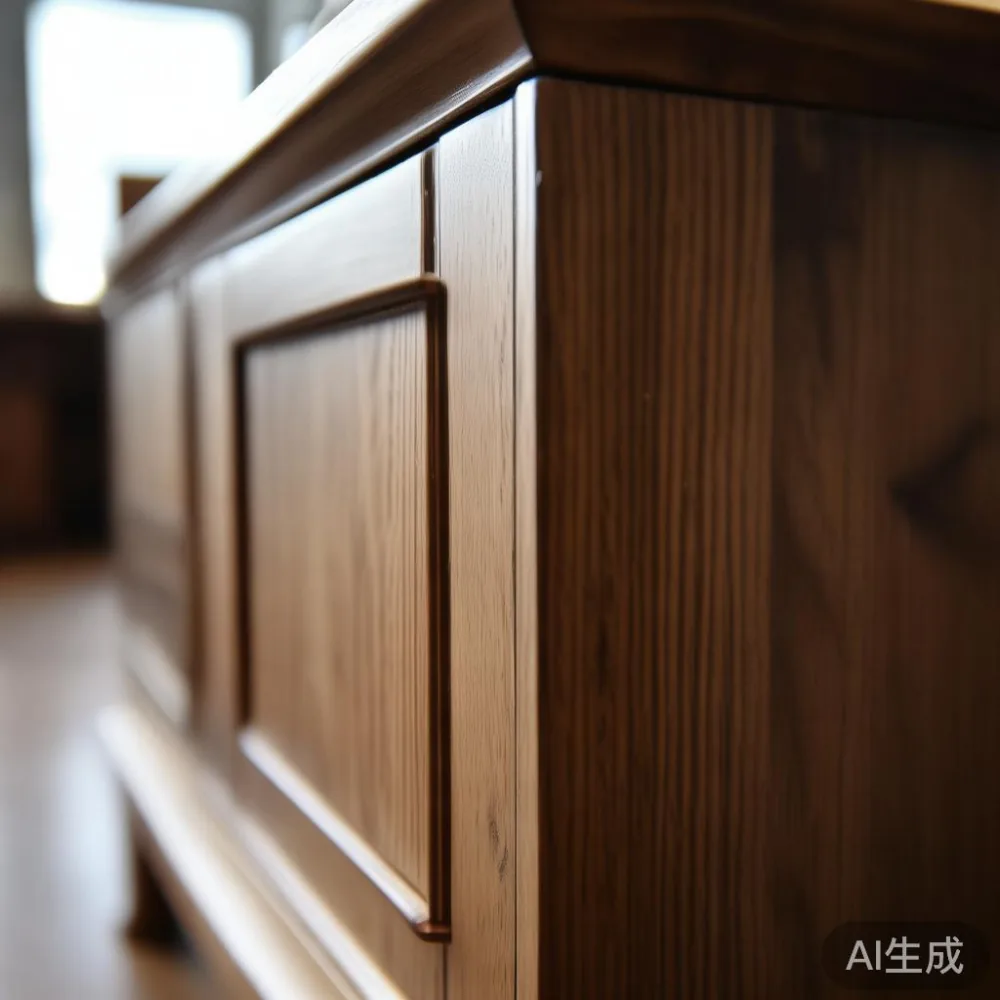
Last month I visited a customer’s three-room HDB flat in Bedok and checked a newly delivered oak TV cabinet with a moisture meter. The cabinet measured 58% wood moisture content, while the living room measured 72% relative humidity. The customer had positioned it beside a laundry balcony door. After relocation to a drier wall and adjustment of the air-conditioner setting, the cabinet settled back toward 57% over 14 days without visible damage.
How much humidity is comfortable for wood furniture?
A practical indoor target is 45% to 65% relative humidity, with short-term readings below 70% preferred. Use a digital hygrometer with a minimum resolution of 1%. Place it near the TV cabinet, not against an air-conditioning outlet. Take readings at 8 a.m., 2 p.m., and 9 p.m. for 7 days. A room that stays at 60% during the day but reaches 82% after rain needs ventilation or moisture control, not simply a thicker coat of wax.
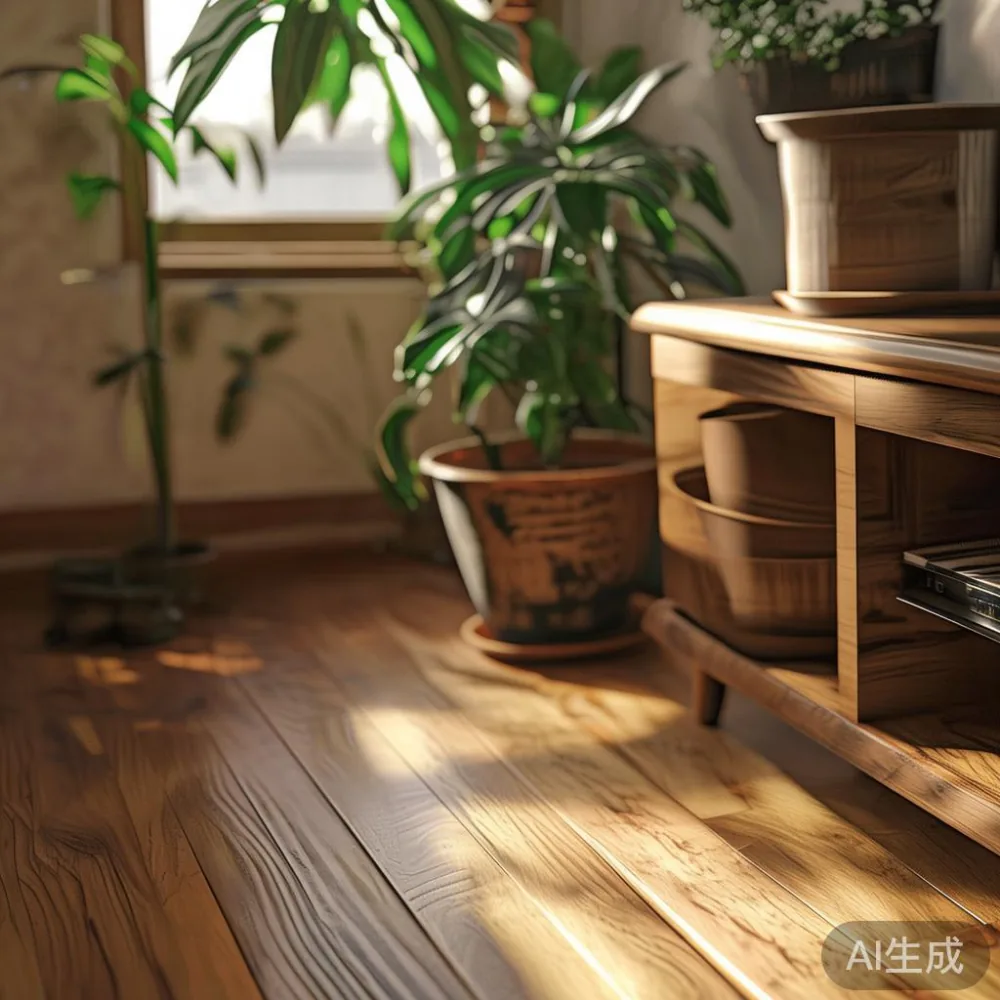
Wood moisture content should broadly agree with its surroundings. A cabinet installed in a 70% room may gradually approach 12% to 14% moisture content depending on the timber and finish; furniture in a 50% room may move toward 9% to 11%. These are working ranges, not a warranty figure. Avoid forcing a dry cabinet into a wet room, and do not use a dehumidifier that causes rapid fluctuations. A small unit with a 10% to 12% target is more suitable than cycling a room between very dry and damp conditions.
Concrete dimensions matter during delivery. A 200 cm TV cabinet should be checked against the HDB lift opening, commonly about 90 cm wide and 210 cm deep, though individual blocks differ. A 160 cm cabinet may fit through a 90 cm doorway, but its 55 cm depth must clear corridors and turning corners. Measure the diagonal of tight passages, remove detachable legs where designed, and photograph the route before the delivery team arrives. Protect floors with 3 mm felt pads and keep cardboard packaging away from wet stairwells.
Which timber and finishes handle Singapore humidity better?
Teak, kiln-dried oak, ash, and other stable hardwoods can perform well when moisture is managed. Kiln drying is not a guarantee against seasonal movement, but wood conditioned to approximately 8% to 12% moisture content is easier to acclimatise than untreated stock. Ask MIDHILL for the species, board thickness, drying range, finish type, and expected care requirements. A 20 mm solid wood top offers stability, while a 12 mm panel can be more sensitive across its surface.
Factory-applied finishes reduce exposed pores, but they do not make timber waterproof. Water-based polyurethane or lacquer may provide a clean post-modern light luxury appearance and easier cleaning. An oil-wax finish gives French light luxury styling a softer sheen, yet fresh coats may need attention after damp weather. Use a damp cloth with water, wring it until only a trace remains, wipe in the direction of the grain, and dry immediately. Do not use a soaked cloth, household bleach, or abrasive pads.
For a home with a marble table nearby, place coasters and mats under vessels so acidic liquids do not reach the wood. A nightstand should not sit beneath a dripping air-conditioner pipe, and a dining table needs several centimetres of clearance from humid service areas. A solid wood sofa, bed frame, wardrobe, or solid wood sofa set may use different frame constructions, but the same slow moisture changes apply. For larger homes, an Italian light luxury sideboard may need internal humidity monitoring because its broad doors and decorative panels have more exposed surface area.
How do I keep a TV cabinet stable through monsoon months?
Start by stabilising the room. Keep doors and windows closed during heavy rain, run air-conditioning in a moderate dehumidify mode where available, and use a fan for air movement. A 30 m² living room may need roughly 1 to 2 days of monitoring after a storm before deciding whether more equipment is needed. Check behind the cabinet for condensation, especially if it stands near an exterior wall or balcony.
Leave a ventilation path around the unit. Do not fill every gap with books or folded textiles because trapped moisture remains close to the wood. A 15 cm space behind a wall-mounted arrangement is helpful where safe, while a freestanding cabinet should have 5 cm to 10 cm behind it when space allows. Keep drinks and humidifiers 1 m away. If a portable dehumidifier is used, record its settings and ensure the drain hose cannot drip near the cabinet or floor.
Adjust doors gradually. A hinge may need a 2 mm lateral correction if a seasonal gap appears. Do not sand or plane a door immediately after humidity changes; timber often returns closer to its original position as conditions stabilise. Apply a small amount of approved wood polish only according to the finish instructions. Reapply a protective finish at intervals such as 6 to 12 months in a heavily humid home, or every 18 to 24 months in a drier, air-conditioned room.
What should I ask before ordering a TV cabinet for a Singapore home?
Ask whether the manufacturer can provide measured specifications rather than broad promises. A useful record includes timber species, panel thickness, moisture conditioning, finish, drawer travel, hinge type, weight, warranty period, and delivery method. For example, confirm whether a 180 cm unit weighs 62 kg or 78 kg, because the heavier model may require two people and a 2-person lift booking. Keep access routes clear at least 24 hours before delivery.
For a condo, check management rules and reserve the service lift. A 15-minute booking slot can prevent delays when freight lifts are shared across several towers. Confirm whether GST is included in the quoted SGD price, and request the total payable amount. Singapore adds 9% GST to most new furniture purchases, though the exact treatment depends on the seller and transaction. A quote of SGD 2,420 before GST becomes SGD 2,637.80 after 9% GST.
Collection also needs planning. Allow 3 to 7 delivery days for a local stock item, or 14 to 30 days for a made-to-order finish. If a lift corridor is narrower than the cabinet carton, arrange an alternative route before the item leaves the warehouse. Leave 14 days for a return assessment under MIDHILL’s stated returns policy, and read the care conditions before accepting delivery. These checks are especially useful when comparing french sofas for sale, French provincial with storage designs, or a dining table intended for a bright near-balcony dining area.
Is a dehumidifier enough for a damp HDB flat?
A dehumidifier can help, but only when it controls the room rather than briefly removing a burst of moisture. Measure the unit capacity against the room volume. A 30 m² room with a 2.7 m ceiling has about 81 m³ of air; a small unit may maintain conditions around 50% to 60% if used consistently. Larger flats with multiple adjoining rooms may require more than one unit or professional assessment if readings stay above 70% for several weeks.
Check the water tank and drainage arrangement. A 2 litre tank may need emptying every 1 to 3 days in humid weather, depending on the unit and room. Place it on a level floor at least 30 cm from furniture, curtains, and walls. Do not direct airflow at a TV cabinet, solid wood sofa, bed frame, or wardrobe door. If condensation appears on a window, reduce the setting gradually and inspect seals rather than increasing ventilation during a storm.
A cabinet should be wiped dry after cleaning and kept away from wet laundry. For frequent dampness, a second hygrometer placed behind the unit can reveal whether the back panel stays wet. Readings below 70% are more comfortable than readings above 80%, while abrupt changes greater than 10 percentage points in a few hours deserve attention. Record the numbers for 14 days, then compare them with the cabinet’s movement.
Can humidity damage marble, metal hardware, and other materials?
Wood is usually the most visible responder, but hardware and stone can also be affected. Salt in coastal air can corrode steel hinges, while damp storage may cause paper inserts, fabric, or particleboard components to swell. Marble table surfaces are less vulnerable to humidity, although water can stain adjacent wood and leave mineral residue if it evaporates slowly. A TV cabinet should therefore be treated as part of a coordinated room system, not placed directly under a leaking window.
Inspect screws and drawer runners every 6 months. Tighten loose fittings gradually, and replace a damaged hinge with the specified size rather than forcing a wider screw. Use felt pads under decorative objects, keep silver or brass items in a dry cabinet section, and avoid storing damp clothing in a wardrobe drawer for days. A wardrobe containing wool throws or bedding benefits from gentle air circulation and a measured moisture level.
Light-luxury appearance does not require an indoor showroom. American light luxury proportions, restrained profiles, and warm timber can suit an HDB living room if the cabinet is not overcrowded. If a customer asks is Japanese sofa worth it, the relevant answer should cover frame moisture resistance, cushion ventilation, local service, and room humidity rather than style alone. Likewise, anyone researching how to choose European wardrobe should compare solid timber panels, moving parts, storage depth, and acclimatisation time.
What maintenance schedule works after delivery?
During the first 14 days, inspect the cabinet every 2 to 3 days after air-conditioning starts or after a rain event. Look at the side edges, underside, door gaps, and back panel. Photograph the same corners each time so small movement can be compared. Do not place a rug directly against the base if moisture is present; leave a dry gap and correct the source of dampness.
From month 2 through month 6, check hinges and drawer runners every 2 months. Clean the top with a lightly damp cloth, then dry it with a separate soft cloth. Keep at least 5 cm between the cabinet and a radiator, dehumidifier, or heat source. A sudden heat source can remove moisture too quickly and contribute to cracking, especially in a 20 mm solid wood surface.
After 6 months, review the finish under daylight and with a 10x magnification if you are checking small marks. Recondition only with a product approved for the original finish. Schedule a more detailed inspection at 12 months and again every 2 to 3 years for heavily used cabinets. MIDHILL’s 10-year structural warranty covers eligible structural issues under its terms, while normal care remains the customer’s responsibility. A clear maintenance record helps support any later discussion.
How does Foshan furniture production account for humid destinations?
Foshan furniture manufacturing can prepare components for overseas conditions, but the destination climate still needs to be considered. MIDHILL has supplied solid wood furniture since 2008 and exports to 15 or more countries, so packing procedures, carton design, and acclimatisation guidance should be requested for each shipment. For Singapore, specify a dry indoor storage area and a delivery date that allows the cabinet to acclimatise before heavy use.
Packaging should isolate the cabinet from floor moisture. Keep cartons off concrete, use pallets where required, and allow air movement around the package. After arrival, remove only enough wrapping to inspect the pieces, then unwrap gradually over 24 to 48 hours. If the cabinet is installed immediately in a very dry air-conditioned room, ask the supplier for guidance rather than forcing rapid moisture changes.
A Singapore delivery should also account for access, insurance, and timing. A 180 cm TV cabinet delivered to Punggol may require a 7-day booking window if a service lift is reserved, while a Bedok item in stock may arrive in 3 days. Confirm whether the quoted SGD amount includes GST, lift booking, and carrying to the door. A balanced budget example is SGD 1,860 before GST, or SGD 2,027.40 with 9% GST for a 160 cm cabinet with a standard finish.
What are the warning signs that a TV cabinet needs attention?
Watch for doors that no longer close evenly, a drawer that catches on one side, a faint white bloom after rain, or a finish that feels tacky in damp weather. These signs can result from moisture movement, but they may also indicate a loose joint, damaged seal, or cleaning residue. Measure the affected gap with a ruler before adjusting anything. A 2 mm change may be seasonal; a sudden 5 mm change after a leak needs investigation.
Separate the causes. If the entire flat reads above 75% humidity, improve room conditions. If only the cabinet corner is wet, inspect the wall, pipe, window seal, and floor. If readings are normal but the door rubs, check hinge alignment and installation. Do not blame timber for every defect, and do not apply extra oil to a wet surface.
For a new purchase, keep a copy of the order, dimensions, finish details, and care instructions. MIDHILL offers lifetime refinishing under its applicable service terms, free shipping over US$350 as stated for qualifying orders, and a 14-day returns framework, but the customer should confirm whether a particular finish, size, or destination qualifies before purchase. Clear records make care easier and help resolve questions without guesswork.
Which design terms should be matched to the room?
Choose proportions that leave air around the cabinet. In a 3.5 m living-room wall, a 180 cm TV cabinet may look balanced with 20 cm side clearances, while a 240 cm unit may need more room and stronger wall support. In an HDB flat with a narrow corridor, confirm the carton before selecting a long French provincial with storage cabinet. Its decorative moulding and doors can add visual weight even when the internal volume is practical.
For a marble table, repeat one material in the TV cabinet’s hardware or finish rather than crowding the room with competing surfaces. A post-modern light luxury layout can pair a clean cabinet with a few controlled accessories. If the customer is comparing an Italian light luxury sideboard, inspect the rear clearance, cable route, and floor level. Cable channels should not be drilled through solid panels without checking the manufacturer’s instructions.
Humidity care is simpler when furniture has a little breathing room. A bed frame should stand 10 cm to 15 cm from a frequently damp exterior wall where possible, a dining table should be moved after wet-weather cleaning, and a nightstand should not touch a bathroom partition that carries condensation. A well-planned TV cabinet is not only attractive at delivery; it should remain stable through Singapore’s heat, rain, air-conditioning, and everyday use.