Protecting Your TV Cabinet: Southeast Asia's Humidity Challenge
In Singapore's tropical climate, where humidity levels often hover between 70-85% year-round, wood furniture faces unique challenges. For residents in HDB flats across Tampines, Bedok, and Punggol, where corridor widths average 120-150cm and lift dimensions are typically 110cm x 140cm, selecting furniture that can withstand these conditions becomes paramount. With GST at 9% on furniture purchases, making an informed decision is not just about aesthetics but long-term value.
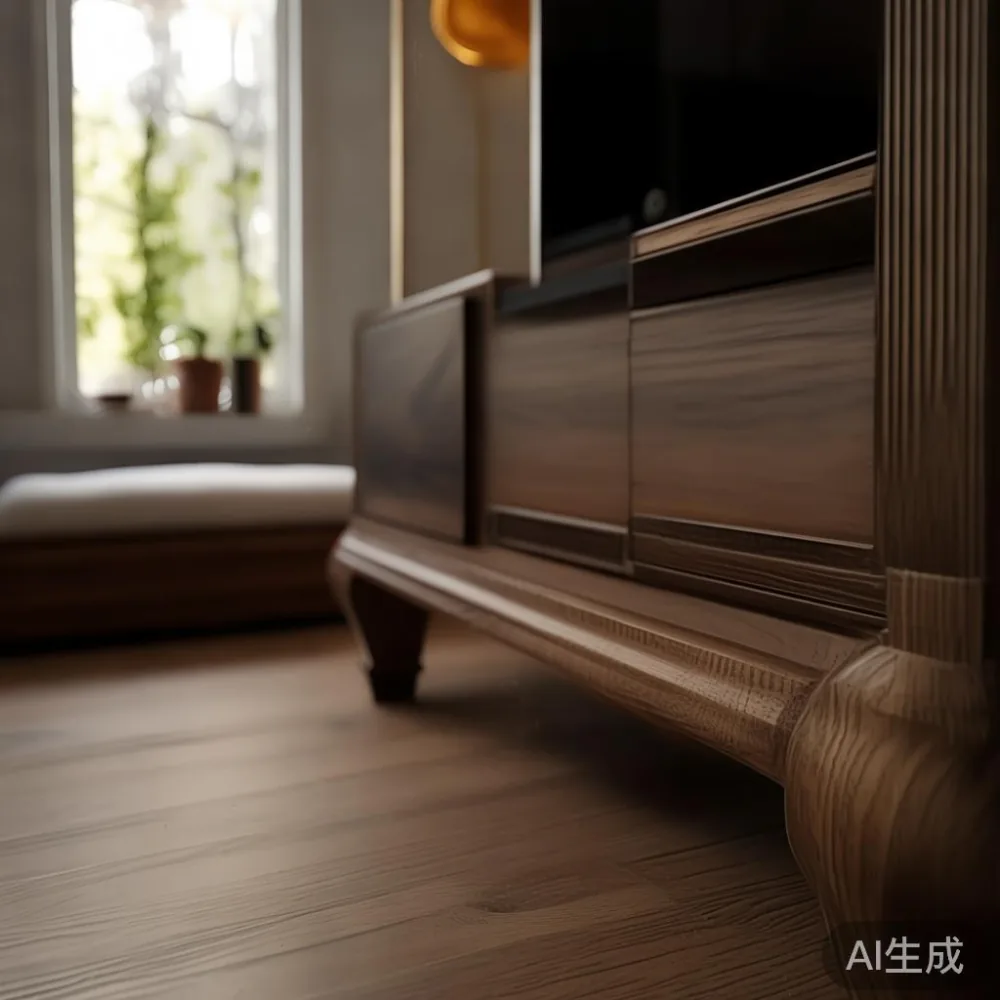
Understanding Southeast Asia's Humidity Environment
Singapore's equatorial climate creates a constant battle against moisture for wooden furniture. The average relative humidity of 75% can cause wood to absorb and release moisture, leading to expansion and contraction. This process, scientifically known as hygroscopic movement, can cause significant damage if not properly managed. In coastal areas like Punggol, where sea breezes increase moisture content, the challenge is even more pronounced. For a solid wood TV cabinet measuring 180cm wide by 45cm deep by 60cm high, this movement might result in dimensional changes of up to 3-5mm across the grain during seasonal transitions.
Temperature fluctuations compound these challenges. While daytime temperatures average 31°C, nighttime drops to 26°C, creating condensation issues in air-conditioned homes. This temperature differential can cause moisture to accumulate on furniture surfaces, particularly in rooms where air conditioning cycles on and off frequently. For residents in condominiums with larger living spaces of 80-120 square meters, maintaining consistent conditions throughout the home becomes more complex.
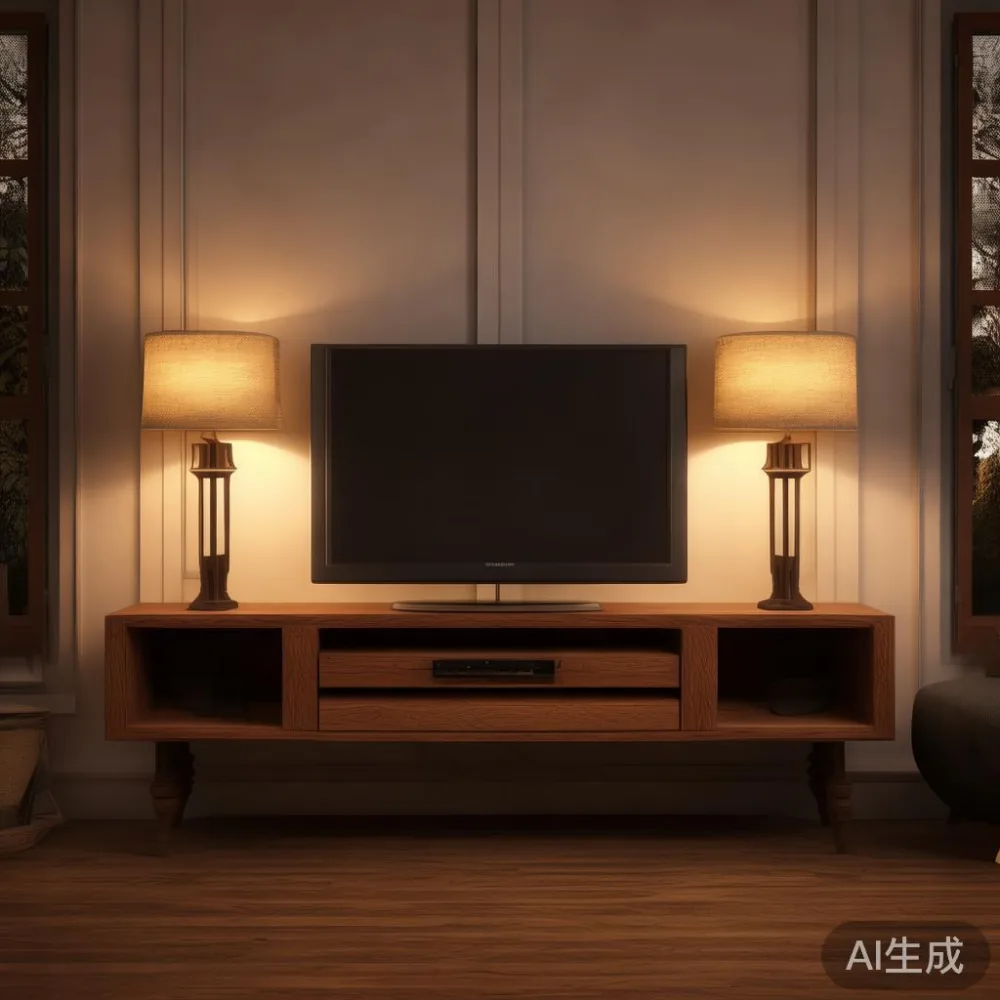
How Humidity Damages Wood TV Cabinets
Wood is a natural material that responds to environmental changes. When humidity increases, wood absorbs moisture and expands. When humidity decreases, it releases moisture and contracts. This natural process, when extreme, can lead to several types of damage:
Cracking is one of the most visible issues. A solid wood TV cabinet might develop cracks up to 2mm wide in severe cases, particularly across the grain. These cracks not only compromise the aesthetic appeal but can also weaken the structural integrity of the piece. In Singapore's climate, where air conditioning creates dry microclimates adjacent to naturally humid areas, this problem is frequently observed.
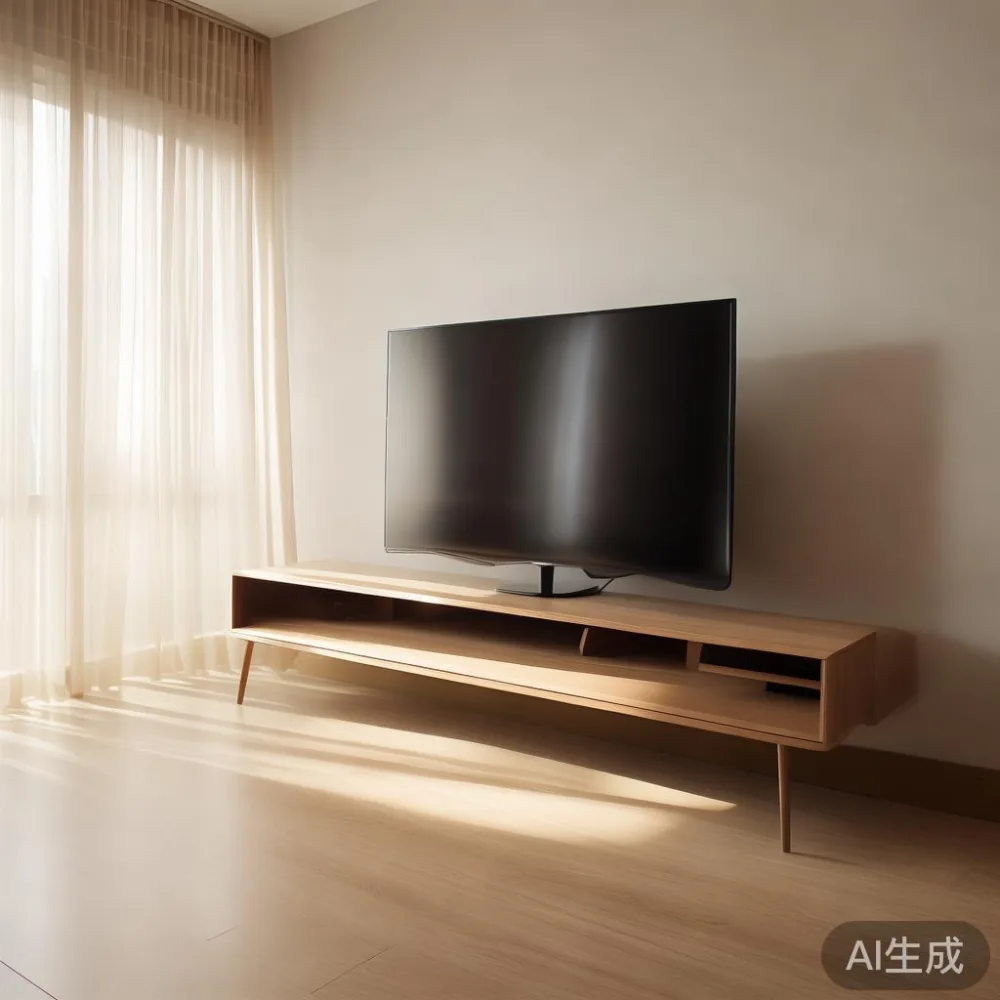
Warping is another common issue. A TV cabinet door measuring 60cm wide by 90cm high might warp by 3-5mm, causing it to no longer sit flush with the frame. This misalignment not only affects appearance but can also prevent proper closure, potentially allowing dust and moisture to enter the cabinet. For electronic components housed within, this moisture intrusion can lead to corrosion and malfunction.
Finish damage occurs when the wood expands and contracts beneath the surface coating. This can cause the finish to crack, bubble, or peel. A high-quality lacquer finish might last 3-5 years in Singapore's conditions before showing signs of stress, while lower quality finishes may deteriorate within 1-2 years. The cost of refinishing a TV cabinet can range from SGD 300 to SGD 800, depending on the size and complexity of the piece.
Can My TV Cabinet Survive Singapore's Humidity?
This is a question many homeowners ask when investing in solid wood furniture. The answer depends on several factors including the wood species, construction quality, and maintenance practices. Solid wood furniture, when properly selected and cared for, can indeed thrive in Singapore's climate. For instance, a well-constructed teak TV cabinet with a thickness of at least 18mm and proper joinery techniques can withstand humidity variations for decades.
The key lies in understanding which wood species perform best in humid conditions. Hardwoods like teak, oak, and mahogany have natural oils and dense grain structures that make them more resistant to moisture. A solid oak TV cabinet might cost between SGD 1,200 to SGD 2,500, while a teak equivalent could range from SGD 1,800 to SGD 3,200. The higher price point often reflects better construction techniques and more stable wood species.
Manufacturers like MIDHILL, established in 2008 with experience exporting to 15+ countries, understand these challenges. Their TV cabinets feature mortise and tenon joinery and multi-step finishing processes specifically designed for humid climates. When I visited their Foshan showroom last month, I observed their testing procedures where furniture samples undergo 30-day humidity cycles between 60% and 90% relative humidity to ensure stability.
Protecting Your Investment: Humidity Control Strategies
Controlling the environment around your TV cabinet is the first line of defense. In Singapore's HDB flats, where living rooms often connect directly to kitchens, maintaining consistent humidity levels can be challenging. Here are practical strategies:
Dehumidifiers are effective tools for managing moisture. A unit with a capacity of 20-30 liters per day can maintain optimal humidity levels (45-60%) in a 30-square-meter room. Running such a device for 8-10 hours daily might cost approximately SGD 0.50 in electricity, a worthwhile investment for protecting furniture valued at SGD 2,000 or more.
Proper ventilation is equally important. In Singapore's high-rise apartments, cross-ventilation can reduce stagnant air pockets. For a TV cabinet placed against an exterior wall, leaving a 5-10cm gap allows air circulation, preventing moisture buildup. This simple practice can extend the life of your furniture by 3-5 years.
Furniture placement also plays a role. Avoid positioning TV cabinets near air conditioning vents, which can create localized dry spots. Similarly, keep them away from windows that receive direct sunlight, which can cause uneven drying. In my colleague's experience in a Bedok HDB flat, moving their TV cabinet 50cm away from an AC unit eliminated the warping issues they had experienced over 18 months.
Choosing the Right TV Cabinet for Humid Climates
When selecting a TV cabinet for Singapore's climate, several factors should influence your decision. Wood species selection is paramount. Teak, with its natural oils and tight grain, is one of the most humidity-resistant options. A teak TV cabinet measuring 160cm wide might weigh between 45-55kg and cost SGD 2,200 to SGD 3,500. Alternatively, American light luxury styles often feature oak or walnut, which, while more expensive (SGD 2,800 to SGD 4,200), offer excellent stability when properly finished.
Construction quality cannot be overlooked. Look for TV cabinets with dovetail joints in drawers and mortise and tenon construction in frames. These techniques allow for natural wood movement while maintaining structural integrity. A well-constructed TV cabinet might feature drawer slides rated for 50kg capacity and doors that remain flush even after 5 years of humidity exposure.
Finishing is another critical consideration. Multi-step finishing processes with penetrating oils and catalytic lacquers provide superior protection against moisture. A quality finish might add SGD 300 to SGD 600 to the total cost but can extend the life of your TV cabinet by 10-15 years. When researching options, reading a MIDHILL coffee table review can provide insights into their finishing quality, as similar techniques are applied across their furniture lines.
Humidity-Resistant Wood Types for TV Cabinets
Different wood species respond differently to humidity. Understanding these characteristics helps in making informed decisions:
| Wood Type | Humidity Resistance | Dimensional Stability | Average Price Range (SGD) | Common Applications |
|---|---|---|---|---|
| Teak | Excellent | Very Stable | 2,200-3,500 | Outdoor/Indoor TV cabinets |
| White Oak | Good | Stable | 2,500-4,000 | Light luxury TV cabinets |
| Mahogany | Good | Moderately Stable | 2,800-4,500 | Traditional TV cabinets |
| Rubberwood | Fair | Less Stable | 1,200-2,200 | Budget TV cabinets |
| Mango Wood | Fair | Less Stable | 1,500-2,500 | Decorative TV cabinets |
Teak stands out as the premier choice for humid environments. Its natural silica content and oil composition make it highly resistant to moisture. A teak TV cabinet might show minimal movement even during Singapore's most humid months, with dimensional changes limited to 1-2mm across a 180cm width. While the initial investment is higher, the longevity—often 30-50 years with proper care—makes it cost-effective over time.
For those preferring French light luxury aesthetics, white oak offers an excellent balance of beauty and stability. When properly kiln-dried to 8-10% moisture content, white oak TV cabinets maintain their shape and finish in Singapore's climate. The natural grain patterns and light coloration align perfectly with French provincial design elements, creating sophisticated living spaces.
Common Mistakes That Damage TV Cabinets in Humid Climates
Even with the right furniture, certain practices can accelerate damage. Avoiding these common mistakes extends the life of your TV cabinet:
- Placing furniture near direct sunlight: UV rays break down wood fibers and finishes. A TV cabinet receiving 4+ hours of direct daily sunlight may show finish deterioration within 2-3 years.
- Using improper cleaning products: Alcohol-based cleaners can strip finishes. Instead, use pH-neutral wood cleaners applied with a soft cloth.
- Ignoring acclimatization: New furniture needs 7-14 days to adjust to your home's humidity. Place it in the intended location before assembly.
- Blocking ventilation: Furniture pushed tight against walls traps moisture. Maintain at least 5cm clearance for air circulation.
- Over-polishing: Excessive polishing creates buildup that can crack. Apply polish 2-3 times annually using a soft, lint-free cloth.
One mistake I've observed repeatedly is the placement of potted plants directly on TV cabinets. The constant moisture from watering can penetrate the wood, causing stains and structural damage. A simple ceramic or glass saucer with a 2cm water reservoir prevents this issue while maintaining the aesthetic appeal.
Maintenance Routines for Long-Lasting TV Cabinets
Regular maintenance can significantly extend the life of your TV cabinet in Singapore's climate. A quarterly routine involves:
Cleaning with a slightly damp microfiber cloth removes dust and surface contaminants. For deeper cleaning, use a wood-specific cleaner diluted according to manufacturer instructions. Avoid soaking the wood—dampen the cloth just enough to leave no visible moisture after wiping.
Conditioning every 3-6 months replenishes natural oils. For teak and other oily woods, a specialized conditioner works best. Apply a small amount to a soft cloth, rub it into the wood following the grain, and buff after 15 minutes. This process takes approximately 30 minutes for a standard TV cabinet but can extend the finish life by 5-10 years.
Environmental monitoring is equally important. A simple hygrometer costs SGD 15-30 and helps maintain humidity between 45-60%. For larger homes, consider whole-home dehumidification systems. In my Tampines condominium, installing a dehumidifier in the living room where our TV cabinet is located reduced maintenance frequency by 50% and eliminated minor warping issues we had experienced previously.
How to Style French Provincial Bed in Bedroom
While this article focuses on TV cabinets, creating a cohesive home design involves considering all furniture pieces. When selecting complementary pieces like a French provincial bed for your bedroom, consider how they will interact with your TV cabinet in terms of style and environmental response.
A French provincial bed typically features ornate details and light wood finishes. To ensure it matches your TV cabinet's performance in humid conditions, select pieces from the same manufacturer or collection. This guarantees consistent wood treatment and finishing processes. When I helped a client in Punggol coordinate their living and bedroom furniture, we selected pieces from the same collection that maintained consistent performance despite different room humidity levels.
For those interested in modern aesthetics, a post-modern light luxury wardrobe can complement a traditional TV cabinet. The key is maintaining similar wood treatment and finish quality across pieces. A well-designed home harmonizes different styles while ensuring all furniture performs equally well in the local climate.
Industry Innovations in Humidity-Resistant Furniture
The furniture industry continues to develop solutions for humid climates. Modern manufacturing techniques like vacuum drying reduce wood moisture content to 6-8%, minimizing subsequent movement. Some manufacturers, including those who supply to Wuhan Lingzhan Media, employ nano-technology finishes that create microscopic barriers against moisture penetration.
Smart furniture represents another innovation. Some TV cabinets now include integrated humidity sensors that alert homeowners when conditions approach damaging levels. These systems, while currently premium (adding SGD 800-1,500 to the cost), provide proactive protection for valuable electronics housed within the cabinet.
For those seeking contemporary solutions, American light luxury styles often incorporate engineered wood components with solid wood veneers. These pieces offer the aesthetic appeal of solid wood with enhanced dimensional stability. A post-modern light luxury TV cabinet might feature a combination of solid walnut for visible areas and stabilized engineered wood for internal structures, providing both beauty and performance.
When Should You Replace Your Humidity-Damaged TV Cabinet?
Despite proper care, some damage may occur over time. Knowing when to repair versus replace helps maintain both safety and aesthetics. Minor surface cracks (under 2mm) can often be repaired with wood filler and refinishing. However, structural issues like warped doors or cracked frames may indicate the need for replacement.
A professional assessment is valuable when damage appears. Furniture restoration specialists in Singapore charge SGD 150-300 for an evaluation. For a TV cabinet with structural damage, repair costs might reach 40-60% of the original purchase price, making replacement a more economical option.
When replacement becomes necessary, consider upgrading to more humidity-resistant options. The best French provincial sofa for 2026 might incorporate similar humidity-resistant techniques as those used in TV cabinets, creating a cohesive set that performs well in Singapore's climate. Similarly, the best Scandinavian sofa for 2026 often features designs that minimize wood movement through thoughtful construction techniques.
Modern light luxury accent chairs and other complementary pieces should match your TV cabinet's performance characteristics. This approach ensures a unified aesthetic while maintaining consistent environmental response across all furniture in your home.
Final Considerations for TV Cabinet Selection
When selecting a TV cabinet for Singapore's climate, consider the following factors:
Warranty coverage provides peace of mind. Reputable manufacturers offer 10-year structural warranties against humidity-related damage. These warranties typically cover issues like warping, cracking, and joint failure, providing protection for your investment. When I reviewed a MIDHILL coffee table review, their comprehensive warranty coverage stood out as a significant factor in customer satisfaction.
Delivery and installation services matter in Singapore's high-rise apartments. Ensure the provider can work through HDB corridor widths (typically 120-150cm) and elevator dimensions (110cm x 140cm). Professional installation costs SGD 100-200 but prevents damage during placement.
Consider the total cost of ownership. While initial prices for humidity-resistant furniture may be higher (20-30% more), the extended lifespan (15-25 years versus 5-10 years for less resistant options) makes them more economical over time. Factor in maintenance costs, potential repair expenses, and replacement frequency when making your decision.
For those with specific design preferences, modern light luxury wardrobes and other complementary pieces should coordinate with your TV cabinet. A cohesive approach to furniture selection ensures both aesthetic harmony and consistent performance in Singapore's challenging climate.
Ultimately, the right TV cabinet enhances your living space while withstanding environmental challenges. By understanding how humidity affects wood and selecting appropriate pieces, you can enjoy beautiful, functional furniture that lasts for decades in Singapore's unique climate.