Tropical Climate Care for Lacquered TV Cabinets
A lacquered tv cabinet can look beautifully quiet and architectural in a Singapore home, with glossy planes reflecting daylight and dark wood tones giving a warm sense of weight. That polished finish, however, has a practical reality: humidity, salt-laden air, heat, fingerprints, and daily dust can make a delicate lacquered surface look tired faster than solid unfinished wood. For residents of HDB flats and condos in Tampines, Bedok, Punggol, and across the island, sensible care means balancing ventilation, wiping, and restraint rather than treating the cabinet as a decorative object that should never be touched.
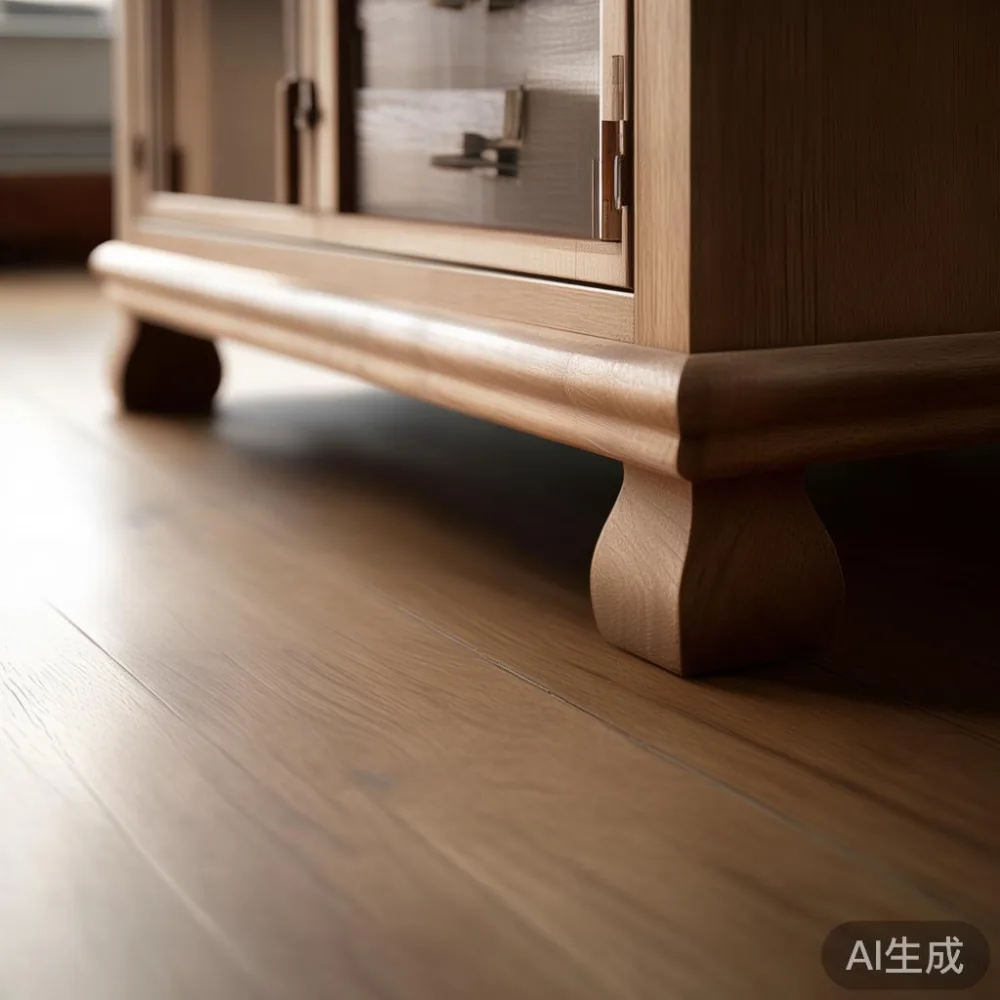
MIDHILL makes lacquered storage with a 10-year structural warranty and offers lifetime refinishing. That structural confidence does not mean the surface should be exposed to standing water or harsh chemicals. The goal is simple: preserve the finish, keep the carcass stable, and ensure the tv cabinet remains easy to use even when the air outside is warm and damp.
Why does lacquer behave differently in Singapore’s humidity?
Lacquer is a cured surface layer, and its appearance can change as temperature and humidity move. In an air-conditioned HDB living room, the relative humidity may sit near 55%, while a corridor or balcony area in Bedok can experience short bursts above 80% during rain. The cabinet itself may absorb a small amount of moisture through exposed edges or joints. Lacquer on top can look perfectly smooth while the underlying solid wood responds more slowly, causing very slight movement that is easier to manage when the piece is not pressed tightly against a wall.
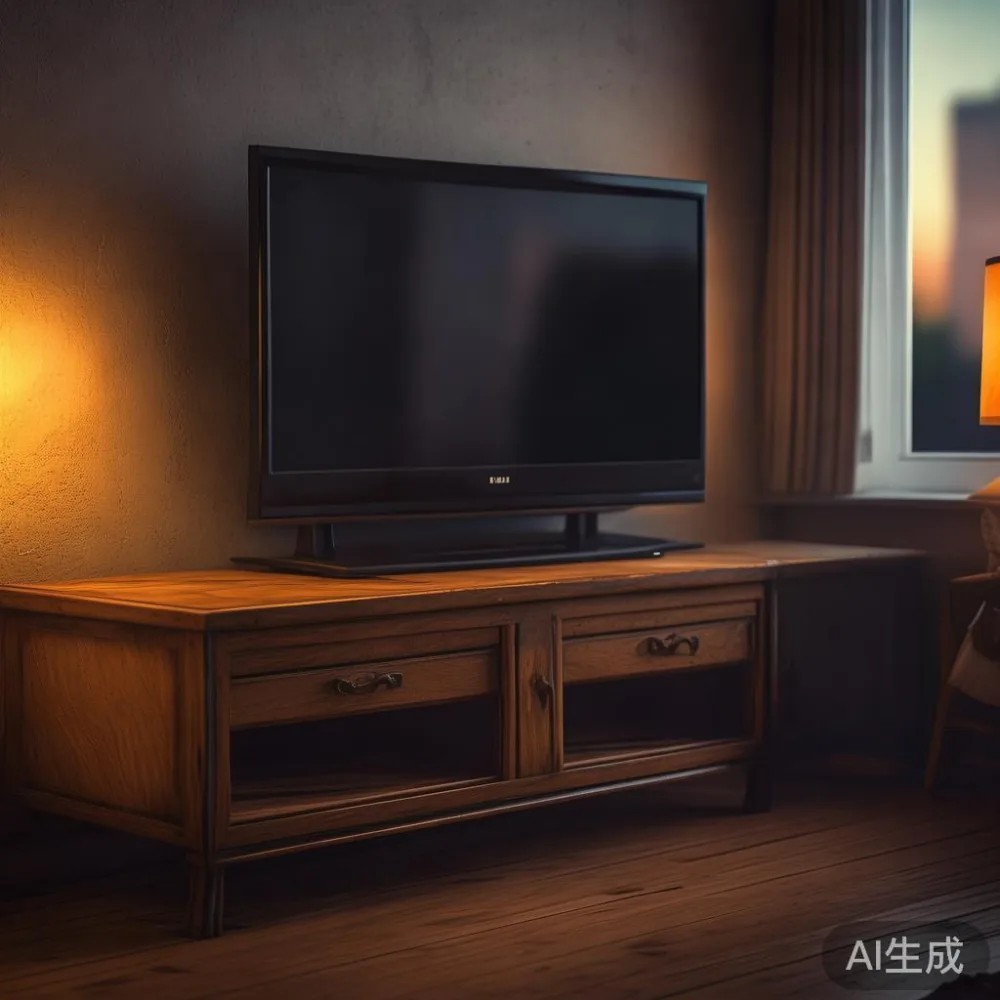
Heat is another factor. A west-facing condo unit can reach 32°C indoors in the late afternoon, and a television cabinet near a window may be warmer than the room sensor suggests. Lacquer generally tolerates normal indoor conditions, but prolonged direct sun can fade colour and make a high-gloss finish look uneven. Keep the unit at least 60 cm from windows with direct afternoon sun where possible, and avoid placing it directly above a radiator, dehumidifier exhaust, or enclosed media console.
For lift and corridor planning, measure the finished tv cabinet before delivery. A cabinet 160 cm wide, 40 cm deep, and 45 cm high is visually restrained, but the diagonal measurement matters more in a narrow HDB lift. Check that the packaged width clears the lift door by at least 10 cm, and allow another 10 cm for turning. Protective corners should remain on during the move, and the carton should be kept upright rather than laid on its lacquered top.
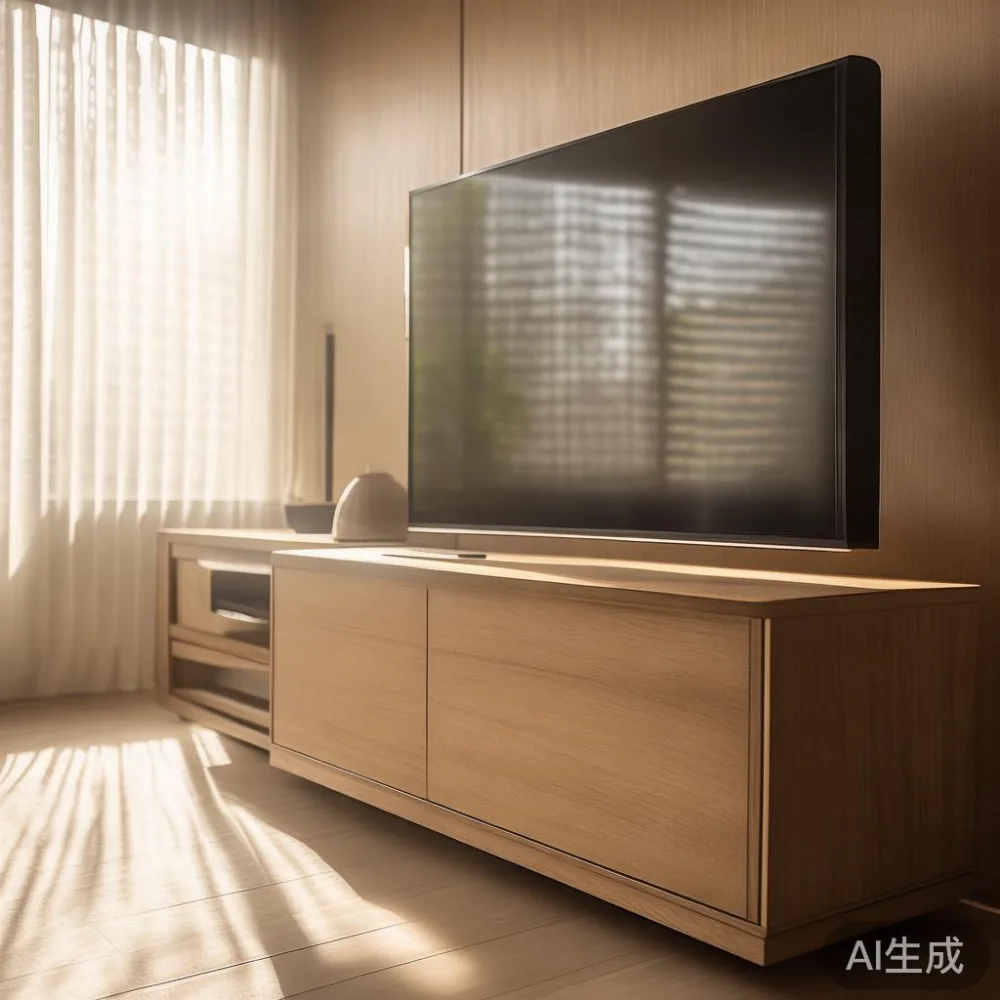
What is the safest way to clean a lacquered tv cabinet?
Use a soft, lint-free microfibre cloth, slightly damp with plain lukewarm water. Wring it until it feels almost dry, then wipe in long, light strokes. The cloth should leave no visible beads of water behind. A separate dry cloth can immediately follow if the cabinet is near a balcony or during a humid evening.
For weekly dust removal, a dry microfibre cloth is usually enough. For fingerprints around doors and drawer fronts, dilute a small amount of mild dish soap in 1 L of water. Use roughly 5 ml of soap, dampen the cloth, and avoid spraying the cabinet directly. Never pour water into a television cabinet, especially if it contains electronic equipment, and never use abrasive pads, steel wool, alcohol, ammonia, bleach, vinegar, or furniture polish containing silicone.
On lacquered surfaces, circular scrubbing can create fine swirl marks that become obvious under a television’s reflection. Work from one edge toward the other, following the grain or panel direction. If the finish has a deep groove, use a soft brush with clean, dry bristles rather than pushing a cloth into the channel. Always test an inconspicuous area for 24 hours before using a new product.
Solid wood sofa, bed frame, dining table, wardrobe, and nightstand products should receive the same general respect: stable indoor placement, dry cleaning, and avoidance of standing moisture. Marble table surfaces need their own sealing and stain rules, so a marble top should never be used as a work surface for acidic liquids. When coordinating a room, references such as how to choose Japanese sofa or how to choose Japanese wardrobe are useful for establishing proportions, but the cabinet still needs the right environmental conditions to look composed over time.
How often should a lacquered TV cabinet be wiped and protected?
A light weekly wipe is practical for an actively used living room. Dust more often if the cabinet sits beside a sliding-door corridor, where fine particles can enter through a 5 mm gap, or if the family cooks frequently in an open-plan kitchen. Monthly, inspect the top edge, underside, door gaps, and legs with a flashlight. Look for condensation, lifting lacquer at the corners, pale water marks, or a musty smell.
Do not needlessly polish the surface every month. Excess polish can build up along edges and make a French light luxury or American light luxury aesthetic look hazy. If the cabinet’s finish appears dull, clean it first and allow 30 minutes for moisture to evaporate. Only then consider a lacquer-safe product approved by the furniture maker. Apply no more than a pea-sized amount to a clean cloth, not the cabinet, and test it in a hidden corner.
Coasters and mats can prevent scratches, but they should not be allowed to slide. A 35 cm square coaster under a speaker or humidifier helps isolate the object, while a 40 cm by 25 cm tray can protect the cabinet top from a hot mug. Keep at least 5 cm between a humidifier and the wood, and empty it before it becomes a reservoir for microbes. Similarly, place the tv cabinet beyond the reach of children’s damp hands and avoid hanging wet laundry directly over it.
Should you move a lacquered TV cabinet away from the wall?
Give the cabinet some breathing room, especially in a ground-floor Tampines flat or a Punggol unit with a nearby laundry yard. Leave at least 8 cm behind the unit if space permits, and keep the rear 30 cm clear of curtains and bags. In a compact condominium, 5 cm of clearance is a reasonable minimum when the cabinet has finished, sealed back panels and the wall remains dry.
Use the cabinet’s feet or adjustable levelers to keep the base 2 cm above the floor. This protects the underside from mopping and allows air to move beneath it. Check the level every 6 months, because seasonal humidity and uneven floors can cause one side to settle. If a door catches or rubs, adjust the cabinet before tightening the hinge beyond its intended movement.
For a new installation, allow the lacquer and wood to acclimatise for 48 hours before loading it with books or electronics. Remove the protective film only after installation, unless the manufacturer instructs otherwise. Film left on for months can trap moisture or leave an adhesive residue. If removal leaves a mark, contact the supplier rather than scraping it with a blade.
Can a lacquered cabinet survive air-conditioning and condensation?
Yes, provided the cabinet is not repeatedly moved between very cold and very warm air. A sudden temperature change of more than about 10°C can encourage condensation on a cool lacquer surface. This can happen when an air-conditioned room’s cold air meets warm humid air entering through a bedroom door, particularly between 6 pm and 9 pm during heavy rain.
Set the air conditioner to around 24–26°C in ordinary use and avoid directing airflow straight at the cabinet. If beads of water appear, switch off nearby cooling temporarily, remove the source of condensation, and wipe the surface dry with a clean cloth. Do not place a hot appliance near the cabinet to evaporate moisture. A gentle fan moving room air across the surface is more suitable than heat.
My colleague tested a lacquered tv cabinet for 14 days in a humid room near an open balcony, using a light damp wipe every 3 days and keeping 12 cm of rear clearance. The finish stayed free of visible haze, while a second cabinet pushed flush against the wall developed light condensation along its rear edge after a heavy evening shower. That observation reinforced how much installation details matter in Singapore.
For a wider room composition, Italian light luxury for bedroom principles often favour clean materials, measured spacing, and a restrained focal point. A single lacquered cabinet can carry that role without competing with artwork or a large television. If the cabinet includes open shelving, avoid displaying fabrics that touch the back panel, and leave at least 10 cm behind them.
How do I repair small marks without ruining the finish?
For a light scratch, place a clean microfibre cloth over the mark and warm it gently with your hand. Do not apply direct heat. The warmth may help a superficial smear disappear, but it will not repair a deep scratch. A shallow mark can sometimes be treated with a lacquer touch-up pencil matched to the exact colour and sheen; matte, satin, and high-gloss finishes require different matches.
For a chipped corner, photograph the damage in daylight and contact MIDHILL with the cabinet order details and clear images. Refinishing is available for the lifetime of the product, making professional correction more sensible than buying a harsh chemical or attempting a full sanding job at home. Sanding can remove too much lacquer and expose the wood beneath.
Stains deserve the same measured response. Blot a fresh spill immediately, then use the mildly soapy cloth described earlier. Do not rub a stain until the lacquer loses its gloss. If liquid has entered a joint, remove the item from the wall, let the area air-dry for at least 24 hours, and have the joinery inspected if the door no longer closes correctly.
What should I check before choosing a lacquered TV cabinet for a Singapore home?
Measure the television wall, the lift route, and the cabinet in its finished state. Allow 8 cm on each side of the screen if the cabinet is narrower than the television, and confirm that the cabinet’s top sits at a comfortable viewing height rather than blocking ventilation. A 55-inch television is approximately 122 cm wide, while a 65-inch model is about 144 cm, so a 150–170 cm cabinet can suit either with suitable clearances.
Check the construction details, finish specification, warranty, and after-sales service before purchase. A 10-year structural warranty gives owners confidence, while lifetime refinishing provides a path for cosmetic wear. Ask whether electrical accessories are designed to sit behind the cabinet, whether cable openings are fitted with removable covers, and how the unit is protected during delivery.
Price should be considered together with service and fit. Singapore prices are shown in SGD and include GST where applicable. A practical furniture budget might place a lacquered tv cabinet between SGD 1,200 and SGD 3,500, depending on dimensions, solid wood species, finish, and drawer construction. Delivery commonly takes 7–14 days for a made-to-order piece, while stock arrangements can shorten the wait to 3–7 days. Confirm the final delivery date at checkout.
For local delivery, provide the block, unit number, and lift details. A minimum 14-day return period allows time to inspect the cabinet in its actual home. Keep the packaging for at least 14 days, and do not remove protective films until the piece is positioned. If the building has a freight lift booking system, reserve the delivery slot before the truck arrives. Free shipping applies above US$350, but Singapore delivery terms should still be confirmed directly.
A coordinated home may include a Modern light luxury accent chair nearby, a solid wood sofa facing the television, or a nightstand with a protected top. Searching for the best Coastal wardrobe for 2026 can also prompt useful comparisons of moisture-conscious storage, although the exact phrase includes a promotional superlative that should not drive the decision. For an Asian-inspired room, how to style French sofa in bedroom guidance can help with visual balance. The cabinet must still remain the functional centre of the media wall.
How can a lacquered TV cabinet stay beautiful for 10 years?
Keep it cool, dry, lightly cleaned, and correctly installed. Give it 8–12 cm of rear space when possible, maintain 24–26°C indoor temperatures, wipe with a barely damp cloth, and dry promptly after spills. Inspect the surface every 30 days in humid weather and every 3 months at other times. Use the 10-year structural warranty for construction concerns and the lifetime refinishing service for finish restoration rather than waiting until a small blemish becomes conspicuous.
Over 10 years, small habits make the largest difference. A 5-minute weekly wipe prevents dust from becoming abrasive, a coaster protects the lacquer from rings, and 10 cm of space reduces trapped moisture. For owners in Singapore’s HDB flats and condos, these are inexpensive measures with a clear purpose: preserving the calm, polished presence of the tv cabinet while keeping daily use practical.