Creating Harmony: How to Choose a TV Cabinet for a Warm Minimal Interior in Singapore
Minimalism in Singapore is a delicate balance. It’s about creating a space that feels open, calm, and uncluttered, but without the starkness of a purely modern aesthetic. The 'warm' in warm minimalism is the key; it’s the use of natural materials, soft textures, and a thoughtful colour palette that prevents a home from feeling cold or impersonal. In a city where our living spaces are often compact, like in a 4-room HDB flat in Tampines or a condominium in Punggol, every piece of furniture must earn its place. The anchor of many Singaporean living rooms is the TV cabinet, and getting it right is fundamental to achieving this sought-after style.
What is Warm Minimalism and Why Does It Work in Singapore?
Warm minimalism is an interior design philosophy that strips a space down to its necessities but introduces elements of comfort and natural beauty. Think of it as the Scandinavian concept of 'hygge' applied to a modern home. It relies on a neutral base—think soft whites, warm greys, and beiges—and then layers in warmth through materials like solid wood, linen, wool, and stone. This approach is incredibly effective in Singapore for several reasons. Our high-rise apartments often suffer from a lack of natural light and a feeling of being boxed in by concrete. A warm minimal interior, with its light colours and clean lines, can make a space feel larger and airier. The natural materials add a tactile quality that digital-heavy modern life often lacks, creating a more soothing and restorative environment. It’s a style that respects the simplicity of modern design but injects the soul of a home.
How Does the Right TV Cabinet Anchor a Warm Minimal Living Room?
In a living room, the TV cabinet is more than just a place to set the television. It’s a large architectural element that defines the area. For a warm minimal interior, the TV cabinet should act as a statement of natural materiality. A solid wood TV cabinet, for instance, can serve as the single most prominent wooden element in the room, setting the tone for the entire space. Its clean, simple lines prevent it from feeling bulky, which is important in Singapore’s standard corridor widths of 1.2 metres or less, ensuring it doesn't impede the flow of movement. The cabinet’s presence grounds the room, providing a solid, warm foundation against which softer elements like a sofa and rug can be arranged. It’s the difference between a room that feels like a showroom and one that feels like a thoughtfully curated home.
Can a TV Cabinet Be Both Functional and a Design Focal Point?
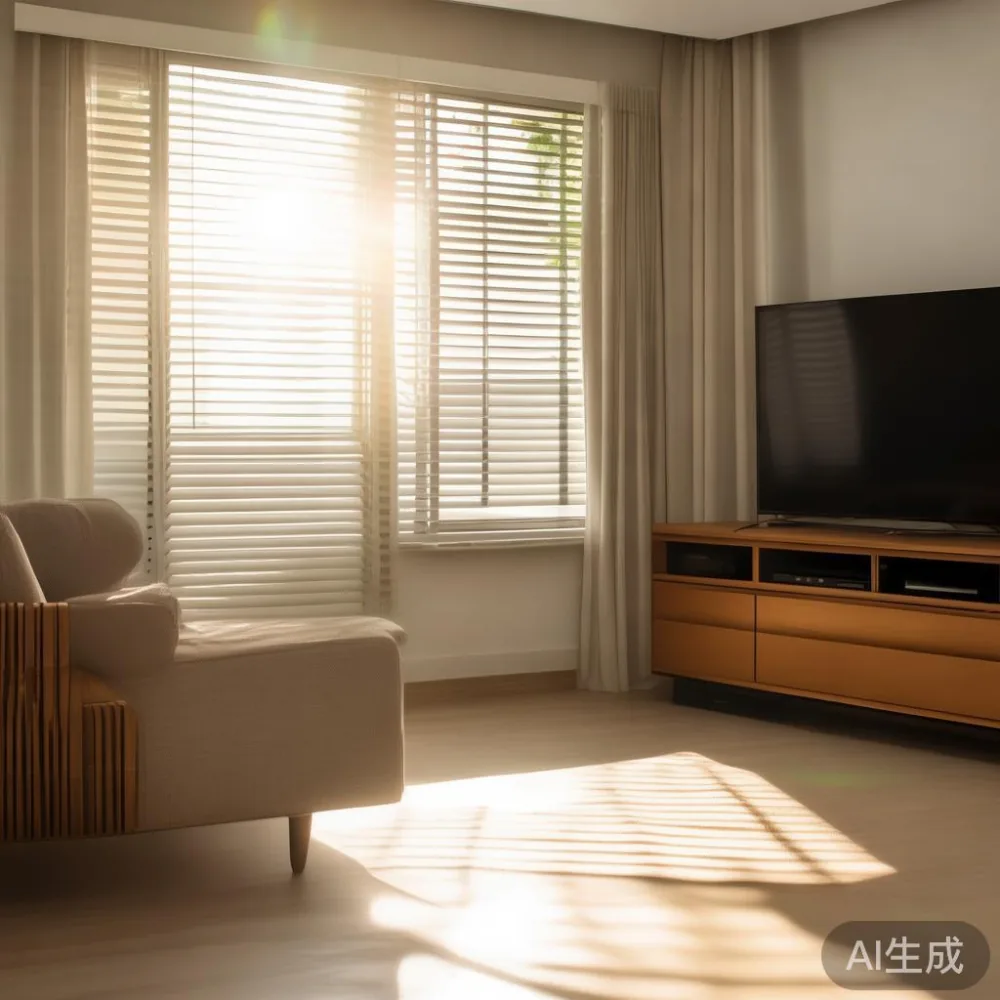
Absolutely. The best warm minimal interiors are those where function and form are indistinguishable. A well-designed TV cabinet should be a solution to common living room challenges, not just a decorative afterthought. Consider the practicalities of a Singaporean home. Our living rooms often serve multiple purposes—they’re for watching TV, relaxing, and sometimes even as a dining area or a workspace for the children. A TV cabinet with integrated storage is therefore non-negotiable. Look for models with soft-close drawers to store remote controls, game consoles, and cables, keeping the surface clean. Some designs even feature hidden compartments for a soundbar or media players. A cabinet made from solid wood offers durability, resisting the wear and tear of daily life in a busy household. The goal is a piece of furniture that is so well-designed and functional that it disappears into the background of your daily life, yet provides such a beautiful, natural anchor that the room feels complete.
What Materials and Finishes Define a Warm Minimal TV Cabinet?
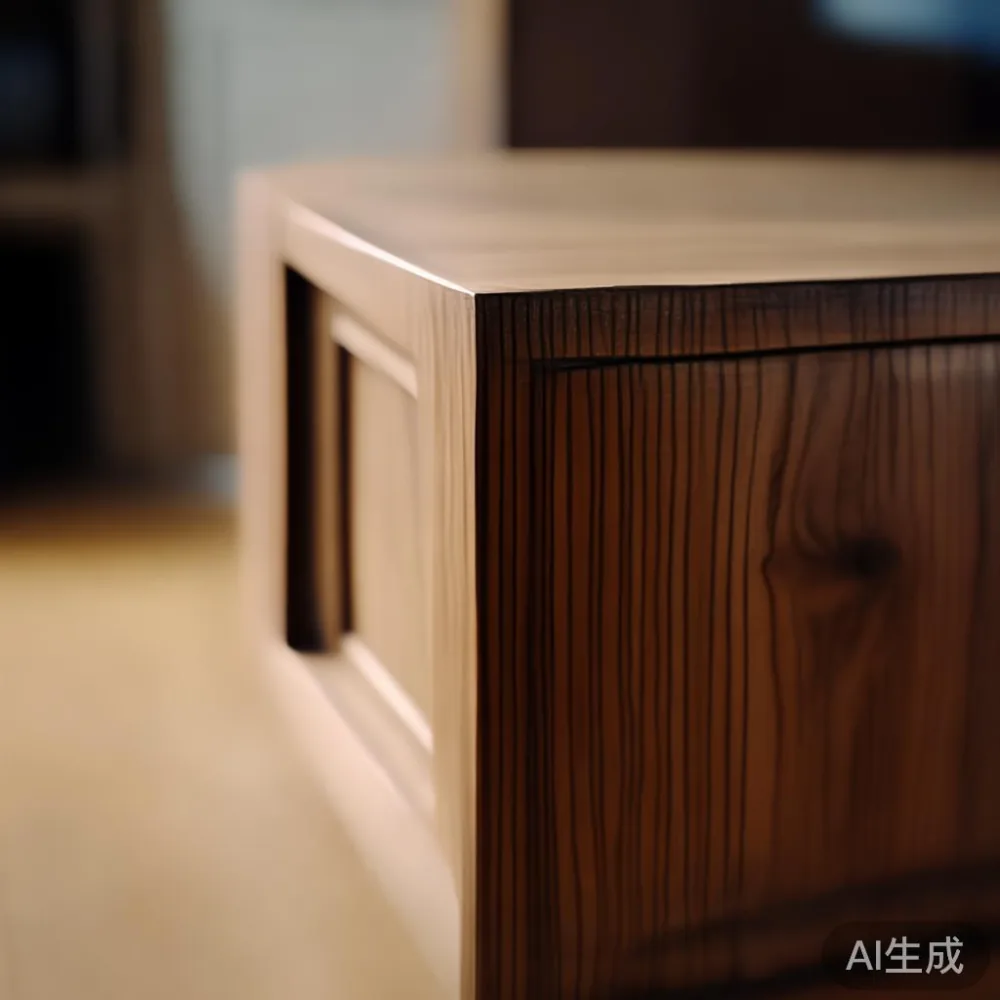
The material choice is the heart of warm minimalism. For a TV cabinet, this means moving away from high-gloss laminates and towards materials with a more organic feel. Solid wood is the premier choice. The grain of the wood, whether it’s the subtle knots of oak or the rich, dark lines of walnut, adds a layer of visual interest and texture that a flat surface cannot replicate. The finish is equally important. A matte or satin lacquer finish will reflect less light, contributing to the soft, calm atmosphere of a minimal interior. Avoid overly dark, heavy woods; instead, opt for lighter woods like ash or maple, or a medium-toned wood with a light, natural stain. This allows the cabinet to blend smoothly with walls painted in soft neutrals. The hardware should be minimal, often just a simple recessed pull or a discreet finger pull, maintaining the clean lines of the piece. This focus on natural, honest materials is what gives a warm minimal interior its depth and character.
How Do You Measure for a TV Cabinet in a Singaporean Apartment?
Precision is key. Getting the measurements wrong can throw off the entire balance of a room. The first step is to measure the wall where the TV cabinet will be placed. Measure the total width and the height from the floor to where you want the cabinet to end. A common mistake is to buy a cabinet that is too wide for the space, making the room feel cramped. A good rule of thumb is to leave at least 15-20 centimetres of clear wall space on either side of the cabinet, if possible. Next, measure your television. The TV cabinet should be at least 20-30 centimetres wider than the TV itself to provide a balanced look and space for decorative items. The depth of the cabinet is also critical, especially in Singapore where lift dimensions can be tight. A standard cabinet depth of 45-50 centimetres is usually sufficient. Remember to also consider the height of the TV stand in relation to your sofa. The centre of the TV screen should ideally be at eye level when you are seated, which is typically around 40-45 centimetres from the top of the sofa seat to the centre of the screen.
Where to Buy a Wardrobe from MIDHILL and Other Complementary Furniture?
Creating a cohesive warm minimal look means extending the design philosophy throughout your home. The same principles of natural materials and clean lines apply to every room. For instance, the solid wood TV cabinet in your living room should find a counterpart in the bedroom. A mid-century modern for bedroom set, perhaps with a low-profile bed frame made from the same oak or walnut, creates a unified and serene atmosphere. In the dining room, you might opt for a statement piece like an Italian light luxury for dining room table, with a marble top that introduces a cool, elegant contrast to the warmth of the wood. The choice of a sofa is also a major decision. The debate of American sofa vs Modern sofa often comes down to preference for plush, deep seating versus a more tailored, structured form. A best European light luxury sofa for 2026 might offer the perfect compromise, combining elegant design with superior comfort. For the guest room, a simple, elegant Nordic for guest room aesthetic works wonders, focusing on clean lines and natural textures to create a welcoming space. When sourcing these pieces, it’s about finding brands that share this commitment to quality and design. My colleague last month visited the Wuhan Lingzhan Media facility and was impressed by their focus on integrating technology smoothly into furniture, a concept that aligns well with modern living. Ultimately, sourcing furniture is about building a collection of pieces that you love and that work together to tell the story of your home.
What is the True Cost of Quality Furniture in Singapore?
When investing in furniture for your home, it’s important to look beyond the initial price tag and consider the long-term value. A high-quality solid wood TV cabinet might cost between SGD 1,500 and SGD 3,000, depending on the size and wood species. While this is a significant investment, it’s important to factor in the longevity and benefits. A reputable manufacturer will stand behind their product. For example, some companies offer a 10-year structural warranty, which provides peace of mind against defects in craftsmanship. This level of assurance means you are buying a piece of furniture that is built to last for decades, not just a few years. Also, consider services like lifetime refinishing. Over time, the finish on a solid wood piece may show wear, but the ability to have it professionally refinished means the cabinet can look as good as new, extending its life indefinitely. You should also factor in delivery costs. Many reputable brands offer free shipping over a certain purchase amount, such as SGD 350, which can make buying multiple pieces more economical. Finally, remember to add the 9% Goods and Services Tax (GST) to the final price. The true cost of a piece of furniture is not what you pay today, but the cost per year over its entire lifespan. A well-made, durable piece offers far better value in the long run than a cheaper, lower-quality alternative that needs to be replaced.
How Does a TV Cabinet Fit into the Singaporean Lifestyle?
The function of a living room in Singapore is unique. It’s often the central hub of family life, a space for entertainment, relaxation, and socialising. A TV cabinet must therefore accommodate this multifunctional role. It needs to be sturdy enough to support a large television, which can weigh 25 kg or more, and the various media devices that accompany it. The storage solutions within the cabinet are important for hiding away the clutter of modern life—cables, gaming equipment, and streaming devices. This allows the living area to remain a calm, minimalist space even when it's in use. For families with children, the rounded edges and solid construction of a quality TV cabinet are important safety features. The aesthetic of the cabinet also plays a role in how the space feels. A warm, wooden TV cabinet can make a condo living room in Punggol feel more intimate and welcoming, counteracting the sometimes-impersonal feel of high-rise living. It’s a piece of furniture that supports the rhythm of daily life, providing both practical functionality and a beautiful, calming presence.
What Are the Latest Trends in TV Cabinet Design?
The world of furniture design is constantly evolving, and the TV cabinet is no exception. One prominent trend is the integration of technology into the furniture itself. We are seeing more designs with built-in cable management systems, dedicated compartments for soundbars, and even solutions for hiding wires completely within the cabinet’s structure. Another trend is the use of mixed materials. A popular combination is a solid wood frame paired with a marble or stone top. This introduces a textural contrast that adds visual interest to a minimalist space. The post-modern light luxury aesthetic is also influencing design, favouring clean lines and a neutral palette but with a focus on unique shapes and subtle details. This style avoids the coldness of pure modernism by embracing warmer materials and a more relaxed feel. The colour palette is leaning towards earthy, muted tones—greige, soft taupes, and warm beiges—rather than stark white. These trends show a clear direction towards furniture that is not only beautiful but also smarter and more adaptable to the way we live, blending smoothly into a warm minimal interior.