Solid Wood Furniture Cost Dynamics Explained
Solid wood furniture can look deceptively simple from across a showroom. A TV cabinet may appear to be a box with two doors and a few open shelves, while a bed frame can resemble 4 straight rails and 5 vertical slats. The visible form is rarely where most of the budget goes. Material selection, joinery, hardware, finishing, tolerances, packaging, and logistics usually have a much larger effect on the final price.

That distinction matters in Singapore. A HDB living room in Tampines may have only 2.4 metres of usable wall length, while a Bedok condo could have a 3.6 metre entertainment wall with a wider route from the loading area. The dimensions of the furniture are not the only issue: a 180 cm TV cabinet can be too heavy for one person, difficult to angle through a 1.1 metre lift, and impractical to carry along a narrow common corridor.
MIDHILL makes solid wood furniture in Foshan, where timber processing, hardware, finishing, and export packing are concentrated. The company has operated since 2008 and exports to more than 15 countries. Its 10-year structural warranty and lifetime refinishing service are useful indicators of how a maker approaches long-term ownership, though neither replaces checking the specific product’s construction details.
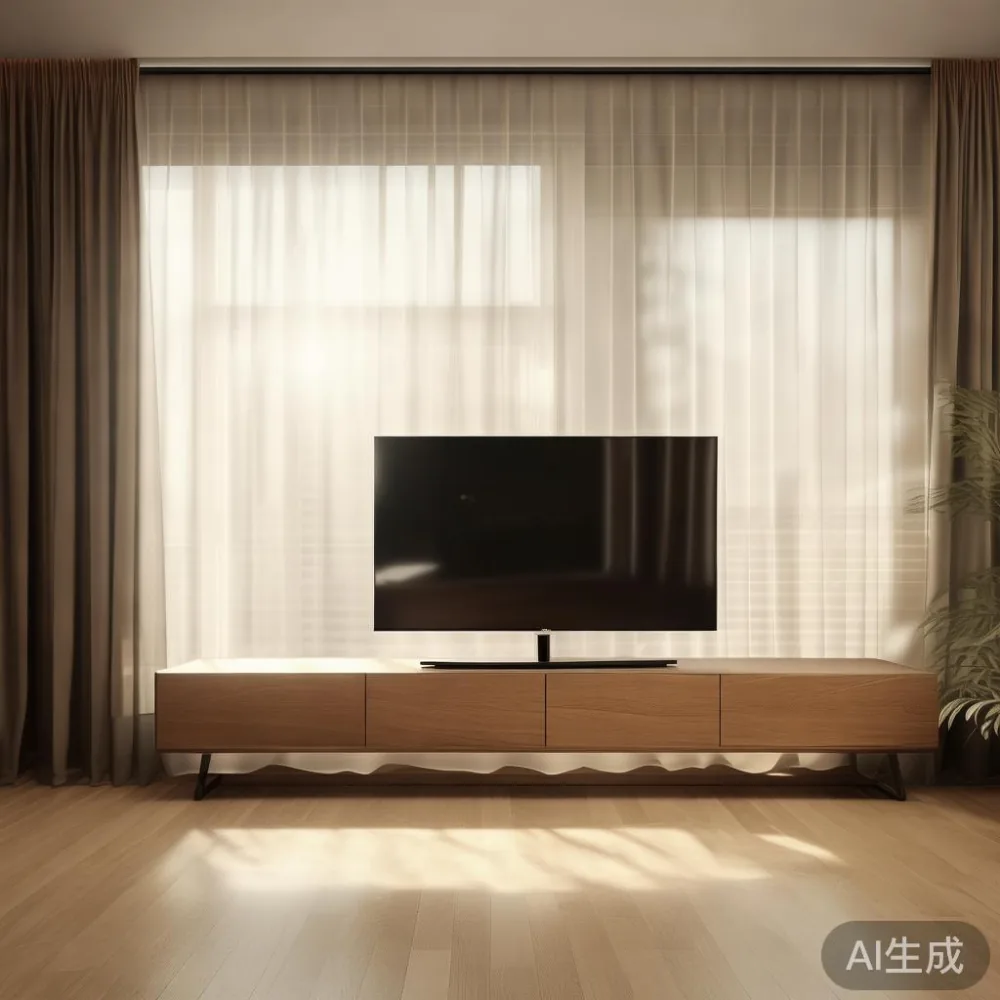
Is solid wood really more expensive than engineered wood?
Solid wood is not automatically more expensive than engineered wood. The comparison depends on the species, board dimensions, grade, machining, and intended product design. A compact nightstand made from well-manufactured solid wood may cost less than a large wardrobe with veneer-faced particleboard and elaborate soft-close hardware.
The price of solid wood begins with the raw timber. Premium hardwoods such as white oak, walnut, and teak can cost several times more than lower-value hardwoods. Board width also affects yield. A manufacturer needs long, defect-free sections for table tops and bed rails. Flaws, knots, colour variation, and short lengths reduce the usable area and increase labour.
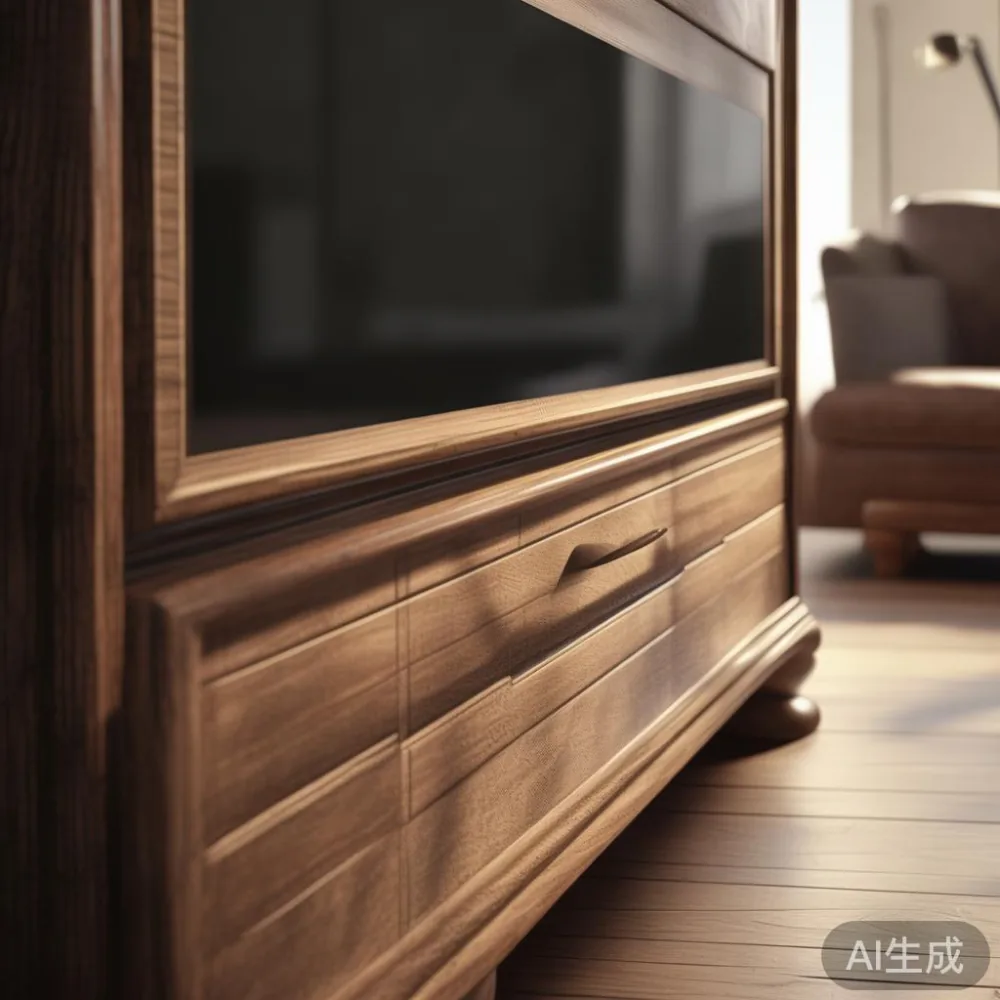
Thickness matters too. A 20 mm top is roughly 60% heavier than a 12 mm top of the same area. For a 180 × 40 cm dining table, that can add about 10.8 kg before the frame is included. Heavier material is not necessarily better; it is simply more timber to source, machine, finish, pack, and deliver.
Solid wood also expands and contracts with humidity. In Singapore’s air-conditioned interiors, relative humidity may vary from 45% to 65% over the year. A competent maker designs joints and gaps to accommodate movement. Tight-looking construction that leaves no allowance can twist, crack, or split after delivery.
That engineering explains why the price of a solid wood sofa, bed frame, dining table, wardrobe, nightstand, or marble table cannot be judged by its timber label alone. The question is how the material is converted and supported.
What kind of wood costs more?
Species is one of the clearest price drivers. Teak is valued for stability and resistance to moisture; walnut is often selected for darker colour and pronounced grain; oak is popular for a lighter, post-modern light luxury appearance. These visual and technical qualities do not create a fixed price because boards of different grade and thickness vary widely.
Grade affects appearance. Select-grade timber with consistent colour and fewer knots takes longer to source and offers fewer usable pieces around defects. Finger-jointed or laminated sections can reduce waste, but they should be described accurately. They are still solid wood constructions; they are not solid timber slabs.
There is also a difference between a hardwood name and the actual product. A small solid wood nightstand may use only 0.04 cubic metres of timber, while a 210 cm wardrobe may use 0.5 cubic metres or more. A 200 cm dining table could use 0.3 cubic metres in the top alone, depending on thickness. At a hypothetical material cost of SGD 1,600 per cubic metre, the top of that table represents SGD 480 before machining and finishing.
Light-luxury positioning often comes from restraint rather than ornament. French light luxury might use pale oak, gentle curves, and slim profiles. American light luxury commonly combines generous proportions, darker walnut tones, and familiar comfort cues. Post-modern light luxury can pair clean geometry with selective material contrast. These styles influence design hours, finish schedules, hardware choices, and prototype work.
Search phrases such as best Italian light luxury furniture or for sale Minimalist furniture can create a misleading expectation of imported craftsmanship. Country of origin alone does not reveal labour standards, timber moisture treatment, joint quality, or packaging. Ask for specifications instead.
How do joinery and hardware affect the price?
Joinery is where the factory’s skill becomes visible. Dowels, mortise-and-tenon joints, finger joints, screws, and metal brackets each have different cost and performance implications. A dowelled drawer may look simple, but the hole must be positioned accurately and glue applied under controlled conditions. A mortise-and-tenon frame takes more setup time, yet it can remain strong for decades when dimensions are right.
For a bed frame, attention should move to the headboard, side rails, centre supports, and slat spacing. A queen bed around 155 × 205 cm may weigh 35–55 kg when made from solid wood. Slats placed more than 6 cm apart can allow a mattress to dip between them. Centre legs also reduce bending, especially in a humid climate where timber can lose some stiffness as moisture changes.
If you are comparing how to choose Japandi bed options, look beyond the low silhouette. The platform should support the mattress, the joints should resist side movement, and the finish should withstand repeated contact. For any is light luxury bed worth it question, comfort comes from the complete system: slat spacing, centre support, mattress compatibility, noise control, and adequate clearance.
Hardware has a smaller-looking but meaningful price effect. European hinges for a wardrobe may add SGD 25–80 per pair compared with basic hinges. Soft-close runners, concealed brackets, adjustable feet, and reinforced corner blocks can add another SGD 40–150 to a TV cabinet. Premium mechanisms are reasonable when they are correctly installed; an expensive hinge mounted incorrectly still fails early.
Last month I visited a woodworking workshop in Foshan and watched a cabinet side being drilled for concealed hinges. The drill guide, board position, and 32 mm hole had to align within a few millimetres. The maker also tested the hinge across repeated opening cycles. Seeing that controlled process explained more about the price than the finish sample alone.
Why does the finish make such a big difference?
Finishing protects timber and changes its appearance. A clear lacquer may be economical because several thin coats can be machine applied. A hardwax oil creates a tactile, matte surface that highlights grain, but it may require more preparation and hand application. Smoked, fumed, wire-brushed, or distressed finishes add another processing step and can consume more material.
Colour matching is expensive when several components must look consistent. A dining table with a waterfall edge, a wardrobe with framed doors, and a TV cabinet with floating shelves all present different surfaces to the spray booth. Minor shade differences between panels are natural in solid wood, but unrelated pieces should still be coordinated within one order.
Surface quality is judged at close range. Singapore residents often place a TV cabinet directly beside the television, where 2–5 mm gaps, uneven edges, trapped dust, and visible hardware can be noticed. Check whether doors are aligned, drawer faces have symmetrical reveals, and edges are not overly sharp. A 3 mm bevel can improve handling without changing the design.
Marble introduces another price category. A marble table needs a carefully selected slab, reinforcement for its weight, and a base engineered to prevent cracking. A 120 × 60 cm marble top may weigh 55–90 kg, depending on thickness and density. This affects packing and the number of people required at delivery.
How much do dimensions and weight affect delivery?
Made-to-measure furniture can cost 15–40% more than a standard catalogue item. Oversized components need different machines, more storage space, and custom packaging. Curved rails require templates and additional finishing. Non-standard depths may also prevent a piece from fitting through a lift door.
Local access should be checked before ordering. A 900 mm wide lift door with a 1,100 mm depth and 1,400 mm cabin diagonal can accommodate some flat-pack panels but not a fully assembled wardrobe. Corridors around 1.2–1.5 metres wide may require a cabinet to be turned vertically. At the HDB doorstep, stairs, thresholds, and parking distance can add time even when the lift is close.
Singapore GST is currently 9%. A furniture order priced at SGD 2,000 before GST becomes SGD 2,180 including GST. GST-registered business buyers may be able to claim input tax with valid documentation, while most household purchases cannot. This should be considered when comparing quotes.
Delivery timing also depends on production. A standard stocked design might take 20–35 days, while a custom TV cabinet can require 45–70 days. A remote area outside Singapore’s main logistics network may add 3–7 days. Shipping damage is reduced through foam-lined corners, protected corners, moisture-resistant wrapping, and carton drop tests.
This is why quotations for under 2000 European furniture should specify what is included. Delivery to the lobby may differ from delivery into the unit. Assembly, lift booking, disposal of packaging, and stair carry-up may each carry separate charges. A clearly itemised quote is more useful than a low headline price.
What should I compare between solid wood furniture quotes?
Compare like-for-like specifications. Confirm the wood species, thickness, panel construction, finish type, back panel material, joint method, hinge brand, drawer runner, and warranty. A quote should also state the assembled dimensions in centimetres, the approximate weight in kilograms, and the expected production and delivery time in days.
For a TV cabinet, measure the television, wall, and route. A 55-inch television is about 123 cm wide, while a 65-inch model is around 145 cm; neither measurement includes the stand. Leave ventilation space specified by the television manufacturer, usually at least 10 cm at the rear. Keep cables accessible, and avoid forcing a glass or marble surface into a low-rise HDB flat.
Look for a maker that explains what its warranty covers. MIDHILL offers a 10-year structural warranty and lifetime refinishing, which can be valuable for a solid wood sofa, bed frame, dining table, wardrobe, nightstand, or marble table. Clarify whether refinishing includes labour, return freight, and the treatment of new scratches versus existing wear.
Also check the returns process. MIDHILL allows 14-day returns under applicable conditions and provides free shipping on orders over US$350, although the currency, destination exclusions, and local charges should be confirmed before payment. “Free shipping” does not always mean free room-of-choice delivery in every country.
Design intent matters as well. A search for Industrial for dining room may lead towards black metal frames and reclaimed-looking timber, but the material should still be identified clearly. If the goal is lighter visual weight, pale wood, fewer visible fixings, and restrained hardware may suit a compact Singapore home better than heavy imitation-rustic construction.
MIDHILL’s Foshan production base and export experience provide useful context because the factory controls more of the process than an importer handling finished cartons. Still, the fairest comparison remains the same product, same dimensions, same timber, same hardware, same finish, same delivery scope, and same warranty.
How can I tell if a solid wood price is reasonable?
A reasonable price reflects measurable inputs. Ask the seller to show the board thickness, explain the solid wood components, identify engineered parts, and provide a close-up of the joints. If a TV cabinet is offered around SGD 1,200 before GST, the construction may use simpler timber and hardware than a comparable SGD 2,200 cabinet with hardwood, soft-close doors, reinforced shelves, and a more demanding finish.
That does not make one cabinet poor and the other premium. It means they solve different needs. A smaller 150 cm unit may suit a 3.2 metre living-room wall, while a 220 cm cabinet may anchor a condo entertainment area. The latter needs longer components, heavier framing, more precise alignment, and a larger packing volume.
Price also includes risk. A factory making one cabinet cannot spread tooling, setup, and trial costs across hundreds of units. Custom work brings more unknowns, and export packaging must survive handling that domestic furniture may never encounter. A responsible quotation does not hide those factors behind a single number.
Buyers should separate four figures: the product price, GST, delivery, and assembly. They should also record the promised dispatch period, access requirements, return window, and warranty duration. A quotation becomes much easier to evaluate when all 4 elements are visible.
The practical answer is simple: solid wood furniture becomes more expensive when better timber, more material, tighter tolerances, harder-wearing hardware, more detailed finishing, custom sizing, and safer packing are added. The most important question is not whether a piece says “solid wood.” It is whether every quoted feature solves a real household need, and whether the seller can explain how.