Creating Space in Small Singapore Homes: A Guide to Styling Your Apartment
Living in a Singapore apartment, whether it's a 4-room HDB flat in Tampines or a compact condo unit in Punggol, often means mastering the art of making a small space feel large, open, and uncluttered. The challenge is real. With narrow corridors in HDB blocks, standard lift dimensions, and the practical need for storage, every piece of furniture must earn its place. The key isn't just buying smaller items; it's about choosing pieces with purpose, clean lines, and a light touch. This guide will walk you through practical strategies and furniture choices to help you achieve a sophisticated, spacious feel in your home.
How Do I Choose the Right TV Cabinet for a Small Living Room?
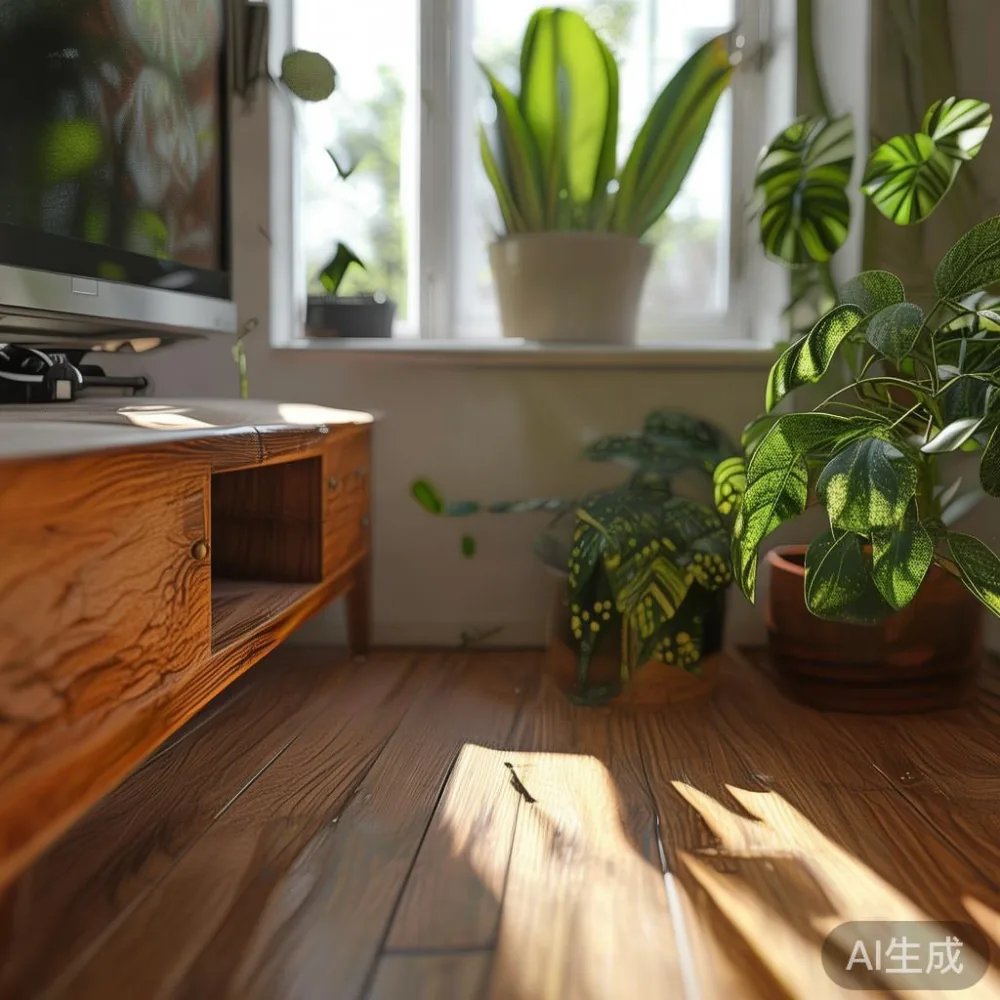
The TV cabinet is often the largest piece of furniture in a living room, making its selection a critical decision for small-space dwellers. The wrong cabinet can dominate a room, visually anchoring it and making the floor space feel cramped. The right one, however, can anchor the room's design while contributing to an airy feel. For a Singapore context, where living rooms are typically around 20-25 square metres, the dimensions are paramount. A cabinet that is too wide, say over 180 cm, can overwhelm the space, especially if your sofa is placed opposite it. A more prudent width, between 120 cm and 150 cm, offers a substantial surface for your television and media devices without consuming too much precious floor area.
Depth is another important factor. A deep cabinet, exceeding 45 cm, can protrude too far into the room, creating a visual block. Look for a depth of around 35-40 cm. This allows the cabinet to sit comfortably against the wall without impeding the flow of movement. The material also plays a significant role. A solid wood tv cabinet in a light oak or walnut finish can add warmth and texture without being visually heavy. Alternatively, a cabinet with open shelving or glass doors can create a sense of depth and lightness, making the contents feel less bulky. The goal is to find a piece that feels like an integrated part of the room's architecture, not just a bulky box.
The Power of Verticality: Using Height to Your Advantage
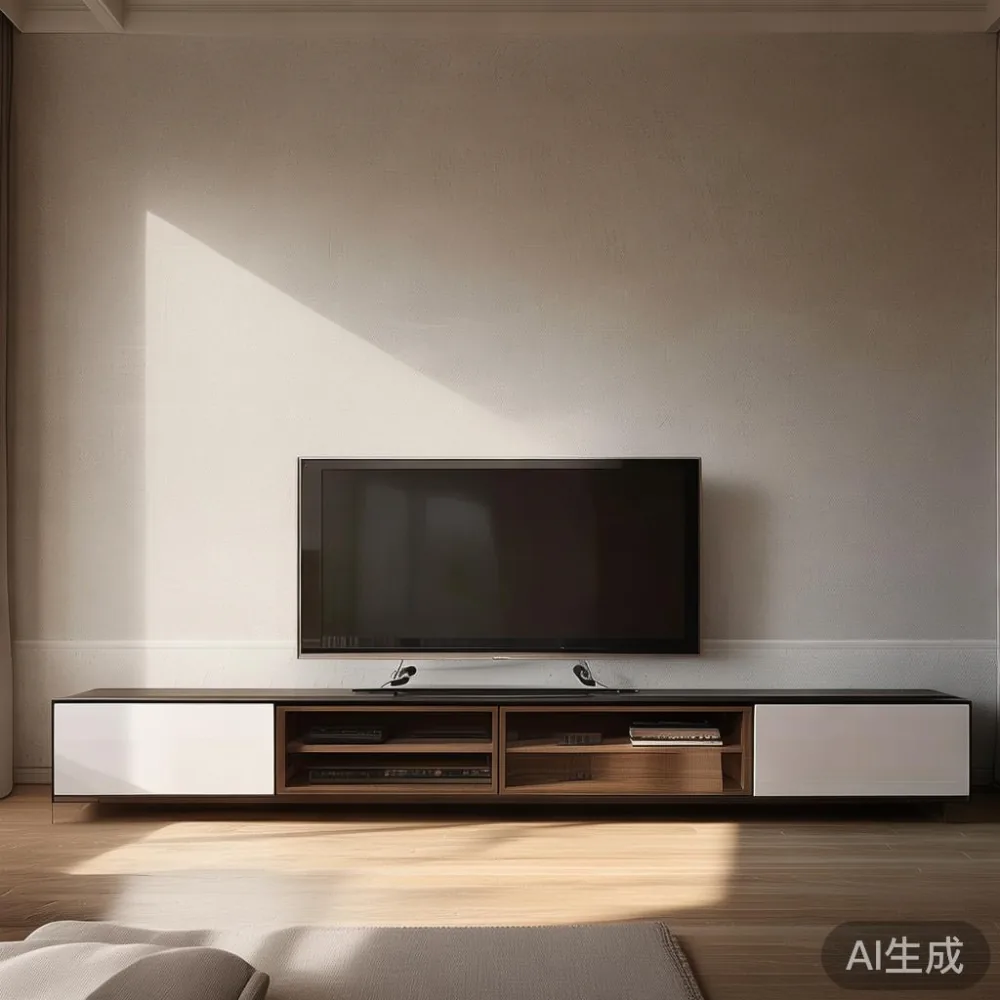
In a small apartment, floor space is a luxury. When that space is limited, you must look up. Embracing verticality is one of the most effective ways to create the illusion of height and make a room feel larger. This principle applies to everything from storage solutions to decorative elements. Instead of a low, wide wardrobe, consider a tall, narrow wardrobe that reaches almost to the ceiling. This not only provides more storage capacity but also draws the eye upward, elongating the walls. For a bedroom in a Bedok HDB flat, where ceiling heights are standard at 2.6 metres, a wardrobe that is 240 cm tall creates a strong, clean vertical line.
The same logic applies to shelving. Floor-to-ceiling bookshelves or display units can transform a blank wall into a feature. They provide ample storage for books, decor, and personal items, keeping them off the floor and surfaces. When styling these shelves, avoid overcrowding them. Leave some empty space to prevent the look from becoming cluttered. For the living area, a tall, slender side table or a narrow console table can serve as a tv cabinet alternative or a stylish accent piece behind a sofa, providing storage and surface area without taking up much room. This vertical approach is a cornerstone of French light luxury design, which often uses tall, elegant pieces to create a sense of grandeur and space.
Light and Airy: The Foundation of a Spacious Feel
Nothing makes a small space feel more closed-in than dark colours and heavy fabrics. The foundation of a spacious-feeling apartment is light and air. Start with a light colour palette for your walls. Soft whites, greiges, and pale pastels are excellent choices as they reflect light, making the room appear brighter and larger. You don't have to stick to all-white; using a light, neutral base allows you to introduce colour through smaller items like cushions, artwork, and a single piece of furniture.
The choice of window treatments is also important. Heavy, dark curtains can absorb light and make a window feel smaller. Opt for light-filtering or sheer curtains that allow maximum daylight to flood in. If privacy is a concern, consider light-coloured roller blinds or Roman blinds that can be neatly stacked when open. Furniture upholstery plays a similar role. A solid wood sofa in a light, neutral fabric like beige, light grey, or cream will feel less imposing than a dark, bulky one. The legs of your sofa, bed frame, and dining table should be visible. This creates a sense of openness and allows you to see the floor, which helps a room feel larger. A bed frame with legs, for instance, allows you to see the floor underneath, giving the illusion of more space than a heavy, platform bed that sits directly on the floor.
Multipurpose Furniture: The Singaporean's Secret Weapon
In a city where real estate comes at a premium, every square foot counts. Multipurpose furniture is not just a trend; it's a practical necessity for small apartments. These are pieces that serve more than one function, allowing you to reduce the number of items in a room. A classic example is a storage ottoman. It can be used as a coffee table, a footrest, and extra seating, with the hidden interior providing a place to store blankets, board games, or other items.
Another excellent option is a dining table with built-in storage. Many Singaporean homes have an open-plan kitchen and living area, and a dining table often becomes a catch-all for mail and keys. A table with drawers or a shelf underneath can help keep this area tidy. For the bedroom, consider a bed frame with built-in drawers underneath. This is a fantastic way to store bedding, out-of-season clothing, or shoes, freeing up valuable wardrobe space. A nightstand with a drawer and a small shelf offers both storage and surface space for a lamp and a book. When I visited a colleague's newly renovated condo in Punggol last month, she showed me her ingenious solution: a solid wood console table that served as a tv cabinet in her living room, with a narrow, 15 cm deep shelf above it for decorative objects and a small surface for a lamp. It was chic, functional, and took up minimal space.
Strategic Placement and Negative Space
How you arrange your furniture is just as important as what furniture you choose. Poor placement can make even a well-designed room feel crowded. The first step is to avoid pushing all furniture against the walls. While it might seem logical, this can actually make a room feel boxy and disconnected. Instead, try floating your sofa a few centimetres away from the wall. This creates a more intimate conversation area and reveals more of the floor, making the room feel larger.
Leaving 'negative space' is important. This is the empty space around and between furniture pieces. It allows the eye to rest and prevents the room from feeling cluttered. For example, there should be a clear path of at least 60-80 cm between the sofa and the coffee table, and at least 90 cm of clearance around the dining table to allow for comfortable movement. This is particularly important in Singapore HDBs, where corridor widths can be as narrow as 90 cm, so you don't want to replicate that cramped feeling inside your home. A marble table, for instance, looks more sophisticated and less imposing when it has room to breathe, rather than being crammed into a corner.
Consider the focal point of the room. In most living rooms, this is the television. Arrange your seating to face this focal point directly. Avoid placing furniture at odd angles, as this can disrupt the flow of the room. If you have a small dining area, ensure the chairs are tucked in under the table when not in use to free up floor space. Thoughtful placement creates a sense of order and calm, which is fundamental to a light luxury aesthetic, whether it's American or post-modern in style.
Curating Your Decor: Less is More
When space is limited, every decorative item must be chosen with intention. The 'less is more' philosophy is your best friend. This doesn't mean your home has to be sterile or devoid of personality. It means being selective and avoiding the temptation to fill every surface. A few well-chosen pieces of art or decor will have a much greater impact than a collection of small, unrelated items.
Invest in quality over quantity. A single, large piece of art on a wall can make a bold statement and draw the eye, whereas several small pieces can look fussy and cluttered. The same goes for cushions and throws on your sofa. Instead of five different patterns, opt for two high-quality cushions in complementary textures and colours. When selecting decor, consider scale. A large, sculptural vase will have more presence than several small ones. For a post-modern light luxury look, focus on clean lines, interesting materials like marble or brass, and a curated selection of objects. Remember that your furniture itself is a key part of the decor. A beautiful solid wood dining table or a sleek bed frame can serve as a statement piece in itself, reducing the need for additional decorative elements.
What About Storage Solutions That Don't Compromise on Style?
This is a common question for anyone living in a small Singaporean apartment. The need for storage is undeniable, but bulky, unattractive storage units can ruin a room's aesthetic. The solution lies in integrating storage into your design in a way that is both functional and beautiful. Built-in cabinetry is a fantastic option. Custom-made to fit the exact dimensions of your wall, it can provide a huge amount of storage while looking like a deliberate architectural feature. You can design it with a combination of closed cabinets for hiding clutter and open shelves for displaying attractive items like books or ceramics.
For a more flexible solution, consider furniture that doubles as storage. A storage bed with hydraulic lifts is a standout piece for a bedroom, providing access to a vast amount of space underneath. A stylish ottoman with a lift-top lid can be used as a coffee table and also hide away blankets and pillows. Even your choice of a tv cabinet can contribute. A cabinet with deep drawers is perfect for storing remote controls, cables, and gaming equipment, keeping your living area looking tidy. The key is to think of storage not as an afterthought, but as an integral part of your furniture selection. When shopping for pieces like a wardrobe or nightstand, look for those with smart, integrated storage solutions that align with a light luxury design sensibility. For instance, a European light luxury with storage wardrobe offers both elegant aesthetics and practical function, a combination that is perfect for modern homes. If you're wondering is Japandi sofa worth it for its minimalist storage, consider how its clean lines can contribute to a sense of spaciousness, even if storage is secondary.
Making a Statement Without the Bulk
Many people worry that in a small apartment, they have to sacrifice style for space. This is a myth. You can absolutely make a statement and create a beautiful, personalised home without resorting to bulky, oversized furniture. The trick is to choose one or two key pieces to be the 'stars' of the room and keep the rest of the furniture understated. This could be a unique marble coffee table, a vibrant piece of art, or a designer chair.
Texture is another powerful tool for adding interest without adding size. A plush rug, a chunky knit throw, or a velvet cushion can add layers of texture and warmth to a room. These items take up very little physical space but have a significant visual impact. Lighting is also important for creating atmosphere. Use a combination of ambient, task, and accent lighting. A floor lamp in a corner can draw the eye upward and add a soft, warm glow without taking up surface space. Under-cabinet lighting in a kitchen or display lighting on a shelf can highlight your favourite features and add a touch of drama. For those seeking a more formal touch, Italian light luxury for office pieces, like a sleek desk or a sophisticated bookcase, can add a sense of curated elegance to a home workspace without overwhelming the room.
Investing in Quality for Long-Term Value
When space is limited, every piece of furniture you bring into your home must be a long-term investment. This means choosing pieces that are well-made, durable, and timeless in their design. It's better to save up for one high-quality solid wood bed frame that will last for 10-15 years than to buy a cheap, flat-pack alternative that will need to be replaced in 3-5 years. The cost per year of use is significantly lower with a quality piece.
Consider the warranty and after-sales service. A reputable brand that offers a 10-year structural warranty, like some established makers, provides peace of mind that your investment is protected. This is especially important for large items like a dining table or wardrobe, which are difficult and expensive to replace. When budgeting, remember that in Singapore, prices are subject to 9% GST. Factor this into your total cost calculations. While a solid wood sofa might have a higher initial price tag, its durability and timeless style mean it will remain a beautiful part of your home for years to come. Looking for options under 2000 European light luxury furniture can be a good starting point for finding quality pieces that fit a reasonable budget. If you are sourcing from overseas, be mindful of shipping costs and delivery times, which can sometimes add several weeks and hundreds of SGD to the final price. For those interested in larger projects, exploring wholesale Italian light luxury furniture could offer access to stunning pieces at a better value point, though it often requires a significant upfront order.
The Final Touch: Personalisation and Cohesion
The ultimate goal is to create a home that feels like you. While the principles of light colours, vertical lines, and multipurpose furniture provide a great framework, it's the personal touches that make a house a home. This is where you can inject your personality through colour, art, and cherished objects. The key is to do so in a way that feels cohesive with the design.
Create a mood board or a Pinterest board to define the style you're aiming for. Are you drawn to the minimalist elegance of Japandi, the relaxed vibe of American light luxury, or the bold lines of post-modern light luxury? Having a clear vision will help you make consistent choices. When adding personal items, edit ruthlessly. A few well-placed family photos, a collection of objects from your travels, or a stack of your favourite books can tell your story without creating visual noise. The best Modern light luxury sofa for 2026 will be one that not only fits your space and budget but also resonates with your personal style. Remember that your home is a reflection of you, and a well-styled, uncluttered space can provide a sense of calm and order that enhances your daily life. For technical specifications or to explore their collection, you might find their product database at api.midhill.co a useful resource.